These ideas start with free broken concrete and run up to stone and lights, and the one that fits depends on whether you have a Saturday, a season, or longer to work with.
A flat spade and an afternoon turns a ragged lawn edge sharp; 3 inches of shredded bark mulch keeps the weeds down for the price of the gas to haul it.
[link-whisper-related-posts]1. Old Tires
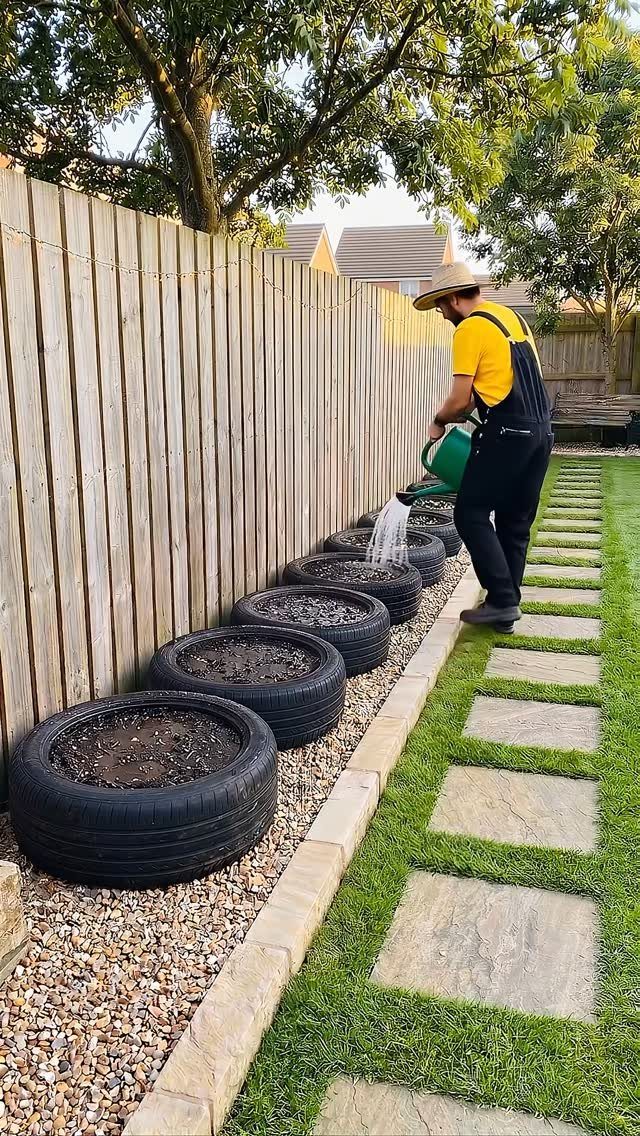
Old tires stack in corners of garages for years because nobody knows what to do with them.
Cutting one side open and filling the cavity with potting soil turns them into planters that sit flat against a fence line, the black rubber soaking up sun and keeping roots warm past when the season should end.
Stack two or three for potatoes, or leave them single for peppers and greens. The rubber does not rot, so these last until you are tired of them.
For seating, the same tires packed with gravel or concrete form a ring around a fire pit. The weight keeps them put, and the sidewalls are already the right height for a log.

Material: Hanging fence planter made of metal iron. Durable and lightweight. Balcony flower pots are not easy to rust or damage, and have a long service life

High Quality: Made of high quality plastic, which is durable, allows you to reuse the planter for several seasons.
2. Inexpensive LED Strips
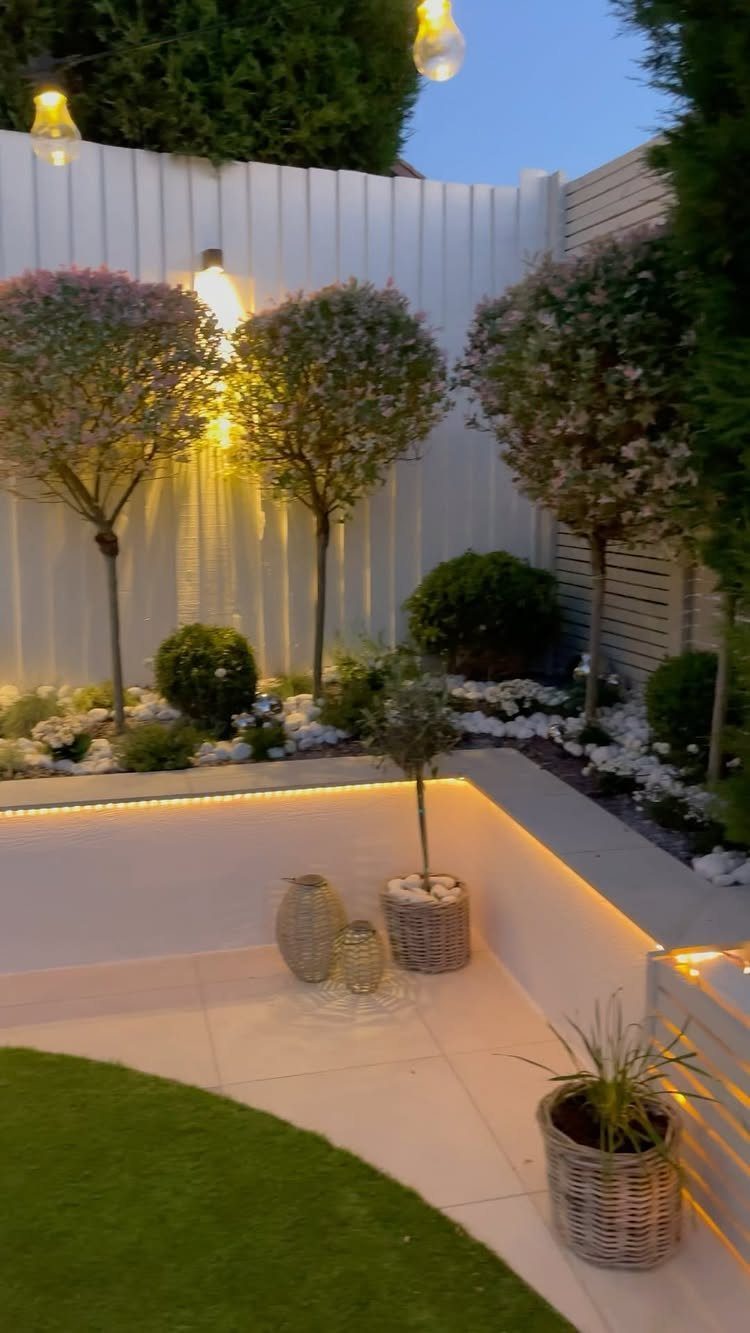
LED strip lighting under a raised planter bench turns an ordinary patio into somewhere you want to be after dark.
The strips cost less than most outdoor fixtures and draw so little power that a weekend of running them barely registers on the bill.
Warm white, 2700K to 3000K, flatters skin and wood both; anything bluer reads as security lighting and kills the mood.
Peel-and-stick backing works on clean, dry surfaces. Run them on the underside of bench seats, along the back edge of a planter box, or tucked beneath stair treads so the light washes down without showing its source.
A single run around a tree trunk at ground level does more than a path light stuck in the lawn ever managed.

【Waterproof】outdoor strip lights waterproof use IP68 waterproof tube case, and Protects leds from damagethe outside Led Light Strips can be installed outdoor and withstand splashes or rainfall and Prevent bask in. Suitable for both indoor and outdoor use.

Outdoor LED Strip Lights: These led strip lights waterproof are built for outdoor use. Perfect for patios, balconies, gardens, eaves, decks, roofs, gutters, pergolas, and more. Ideal for everyday lighting and holiday decorations—parties, gatherings, backyard BBQs, Christmas, Halloween, New Year’s, birthdays, and beyond.

Waterproof for Indoor & Outdoor Use : Outdoor led strip lights waterproof IP68 designed to withstand moisture, rain, and splashes, making it perfect for kitchens, pools, gardens, patios, and more. Durable and weather-resistant for year-round lighting!
3. DIY Benches
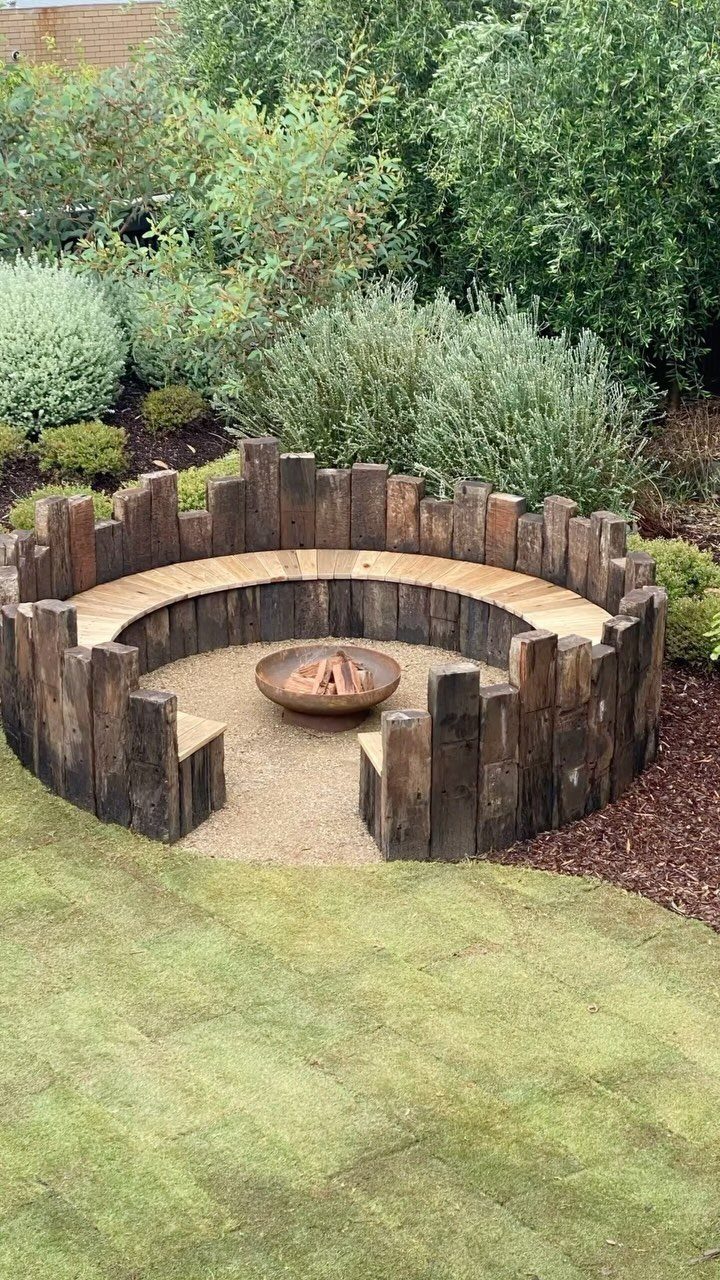
A curved bench of upright posts ringing a fire pit looks built by someone with time and a workshop, but the cinderblock version needs neither.
Lay standard blocks in a circle or arc, holes up, and drop 4x4s or reclaimed joists into the cavities.
Concrete blocks and a few boards from any lumber yard or salvage pile make a bench that holds together with construction adhesive and patience; no saw touches the masonry.
Old tires packed tight and topped with a circular cushion work too, though they read more casual than rustic.
Either way, the bench defines a destination. That is the part that matters: giving the eye somewhere to land and the feet somewhere to go.
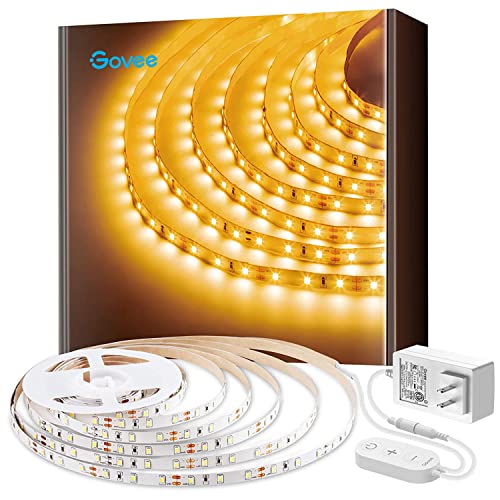
Warm White LED: With 300 LEDs and a 3000K color temperature, you'll enjoy an incredibly warm and bright illumination with improved color quality. Light up those dark rooms, cabinets and any corners with ease.

【Brighter, Lower Voltage Drop】PAUTIX 24V 480 LEDs/m (total 2400 LEDs) COB (chip on board) LED strip light has lower voltage drop and better brightness than conventional 12V. High color rendering index (93+), high light efficiency, rich colors, and strong reduction. 180-degree beam angle design, 50% wider lighting, multiple chips on board, compared with traditional SMD LED strips, more uniform lighting, no worries about dark spots!

【Ultra Bright and Uniform】DC12V 480LEDs/m 16.4FT Warm White 3000K. Flip Chip On Board LED strip(FCOB).Adopting high brightness LED as the light source to ensure the brightness while maintaining color consistency.Compared with traditional 5050SMD 3528SMD light strips, FCOB light strips dense light-emitting units create a brighter, softer, spotless and more uniform light.
4. Gravel Walkways
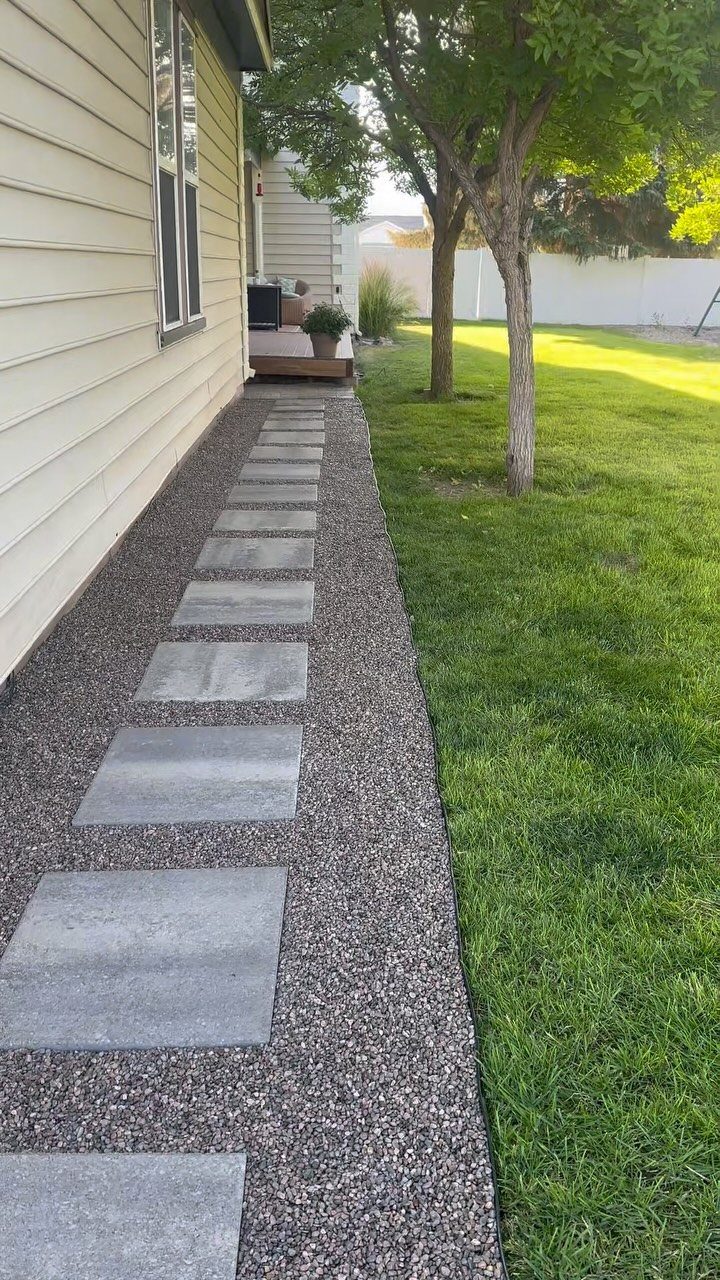
Gravel and stone pavers split the difference between a dirt path and something finished.
The pavers carry your footfall so you are not ankle-deep in loose stone; the gravel fills the gaps, drains water, and costs a fraction of poured concrete.
A pea gravel patio costs a fraction of poured concrete, and one person with a wheelbarrow can spread it over a weekend.
Edging keeps the gravel from migrating into the lawn.
Black composite strip is cheap and disappears against dark mulch; rocks collected from the property cost nothing and read as intentional if they match in size. Either way, the line between surfaces is what makes it look kept.

RUBBER STEPPING STONES: Elevate your outdoor space with these lightweight simulated flagstone rubber pavers that offer the timeless beauty of real stone without the heavy lifting.
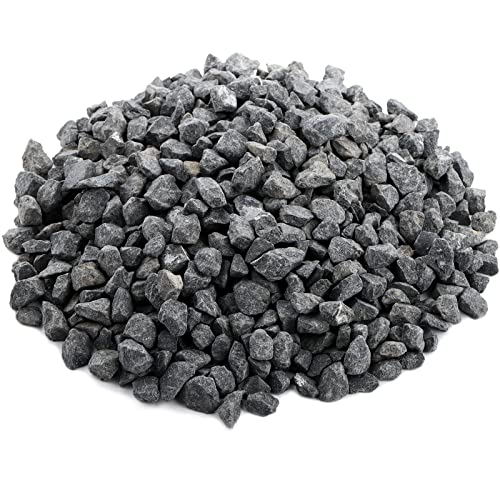
100% Natural Material: ZOOFOX small rocks stones are all natural. Their natural attribute will make them last longer because they will not deteriorate like mulch does.They have been only washed with water several times.
5. Defined Edges
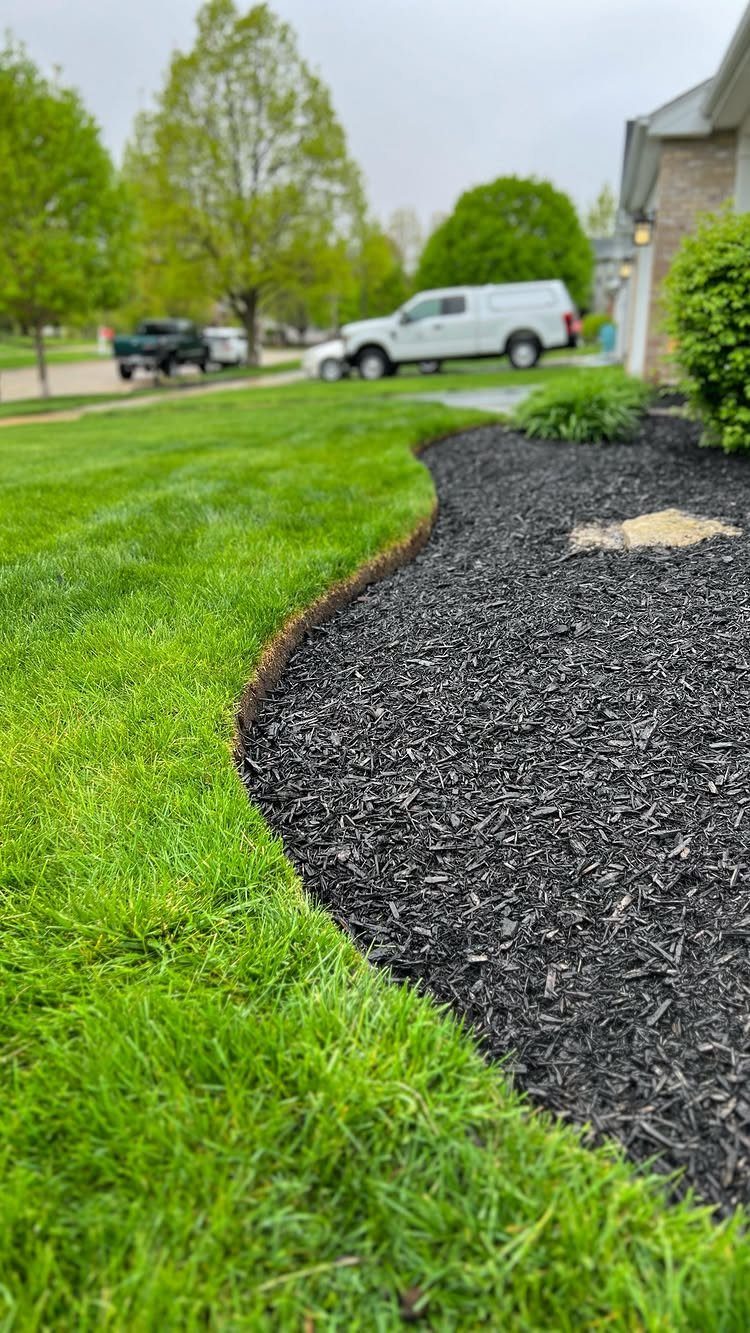
A flat spade and an afternoon is all it takes to turn a ragged lawn-to-bed transition into a clean edge that holds mulch in and grass out.
Cut straight down with the spade, then angle back toward the bed to create a shallow trench.
The vertical face stops roots from crossing; the slope lets water drain. Run the spade along the same line once in spring and once in fall, and the edge stays sharp for nothing.
Steel or stone edging looks good in catalogs and costs accordingly. Black composite strip is the middle path: cheap, physical, invisible against dark mulch.

PREMIUM LANDSCAPING LOOK Enhance flower beds, pathways, gardens, and outdoor spaces with rich black rubber mulch designed to create a clean, modern, professional landscape appearance year-round.
CREATE A SAFER PLAY AREA - Playsafer rubber mulch is IPEMA Certified and helps reduce the risk of injury on playgrounds and play areas

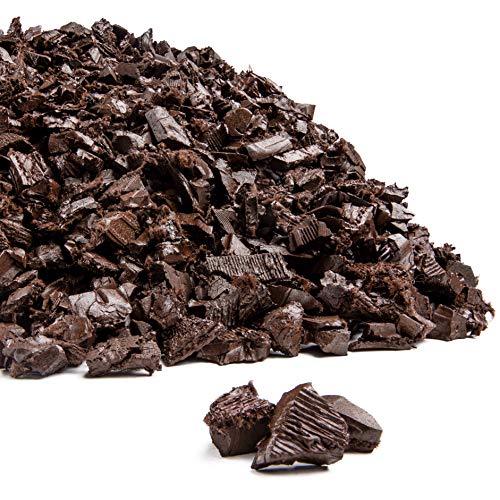
PREMIUM LANDSCAPING LOOK Enhance flower beds, pathways, gardens, and outdoor spaces with rich brown rubber mulch designed to create a clean, modern, professional landscape appearance year-round.
6. Create a Powerful Focal Point
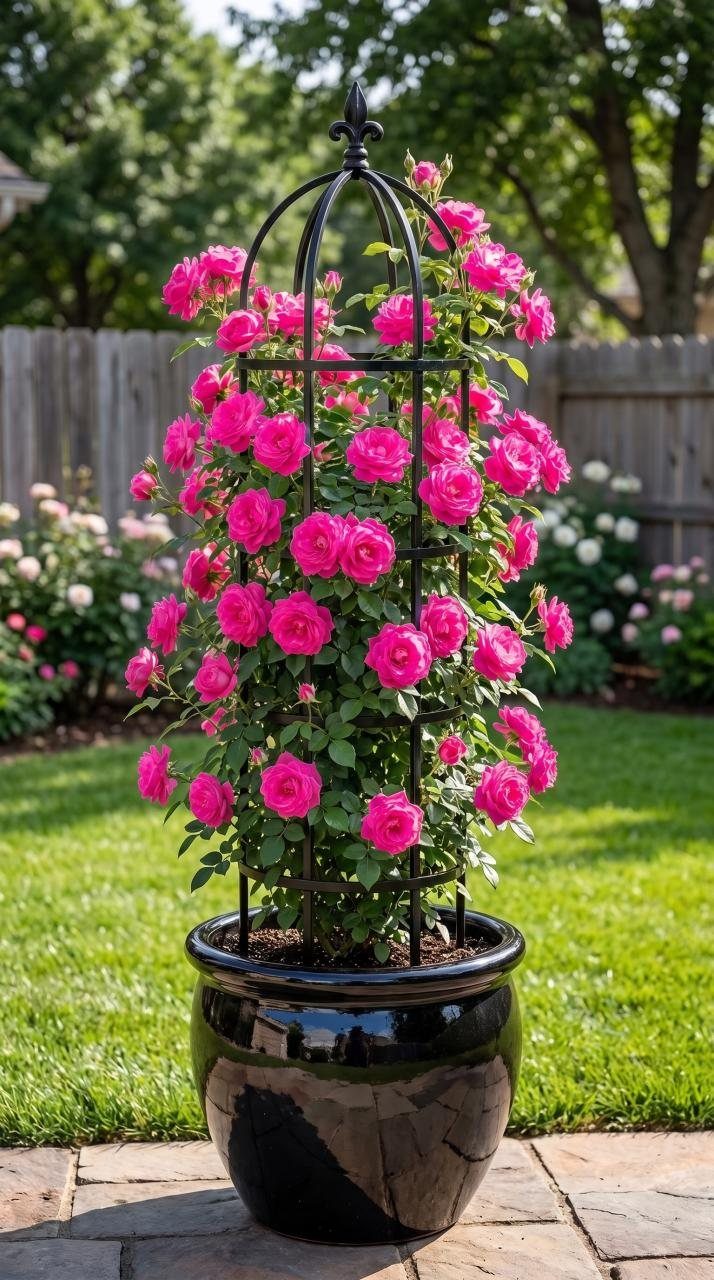
Spreading a landscaping budget across every bed dilutes it into nothing.
One strong focal point does more work than a dozen half-measures. A single specimen plant placed where it shows from a main window or the patio door anchors the whole yard and gives everything else permission to be simple.
One strong tree or large shrub with good bones and leaf color gives a planting bed its reason to exist; the filler around it can be cheap groundcovers and the tough perennials that grow anywhere.
The tree is the investment; the fill is whatever survives on neglect.
A destination works the same way.
A pair of simple chairs under an old tree, or a bench where the gravel path ends, gives a lawn the feeling of a room. The eye travels there first; the rest of the yard benefits from the borrowed interest.
Considering cheap landscaping ideas sets you up for success in the long run. By looking for plants that replenish themselves and landscape materials that won’t need constant attention, you’re saving money you can put elsewhere.

MAXIMIZE YOUR SPACE: Our balcony railing planters are designed to help you make the most of your porch or patio living space. With their rectangular shape and drainage holes, you can grow strong, healthy plants easily.

MOBILE DESIGN: Give your garden décor a boost by adding new gardening pots, planters & accessories. This unique wagon wheel planter features 3 garden pots attached to a country wagon wheel.

Size & Material & Valuable Package: Size (L*W*H): 9.8"x4.3"x4.9". Flat-backed wall planter made of high-quality durable PP material. Package includes: 8 x planter pot + 8 x drainage tray + 8 x drainage hole plug + 15 feet self-watering wick cord+ 16 x S-hooks + 16 x screws with anchors. Great Value gift for family and friends. Perfect for wedding, Christmas, birthday and so on.
7. Add Some Flowers
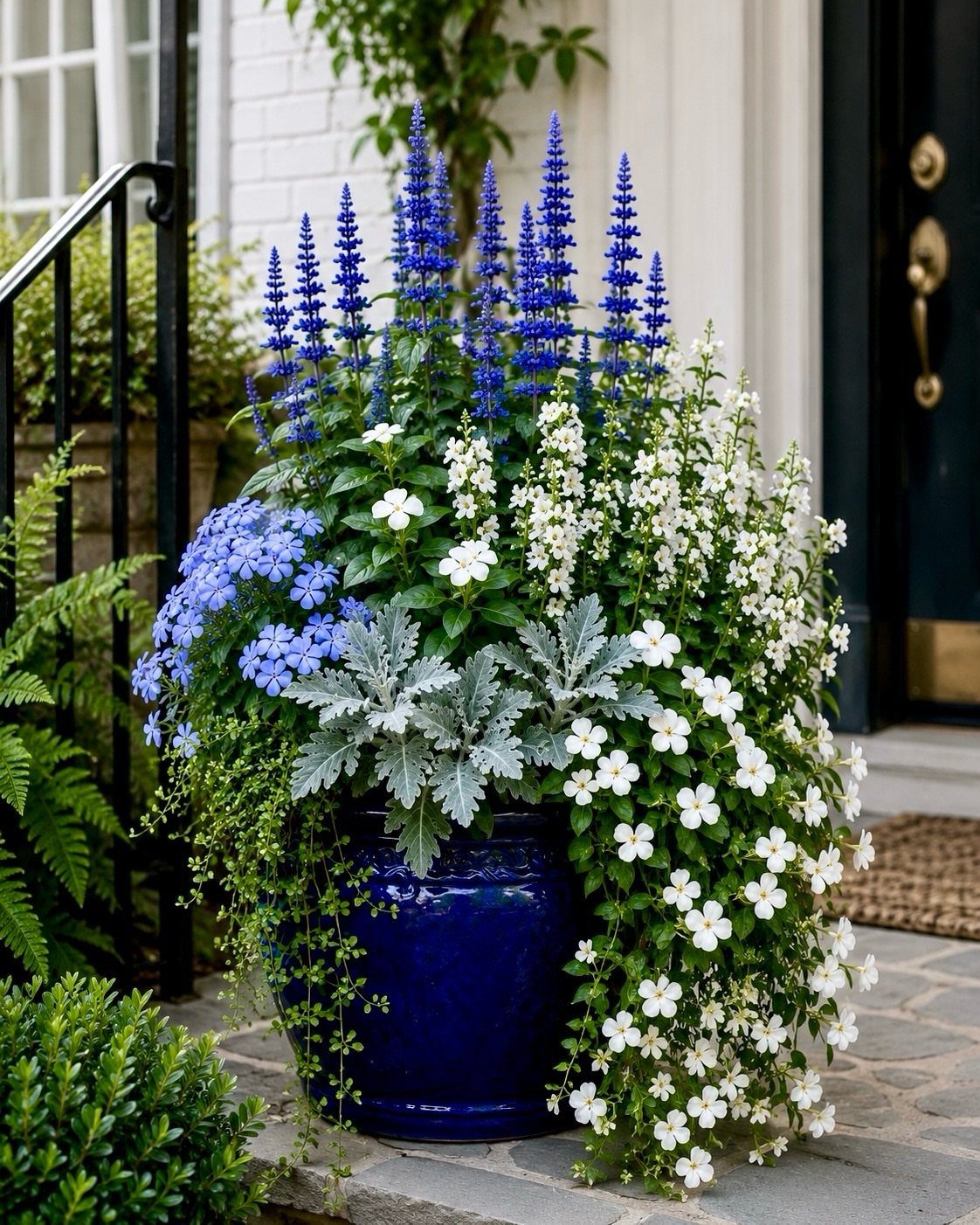
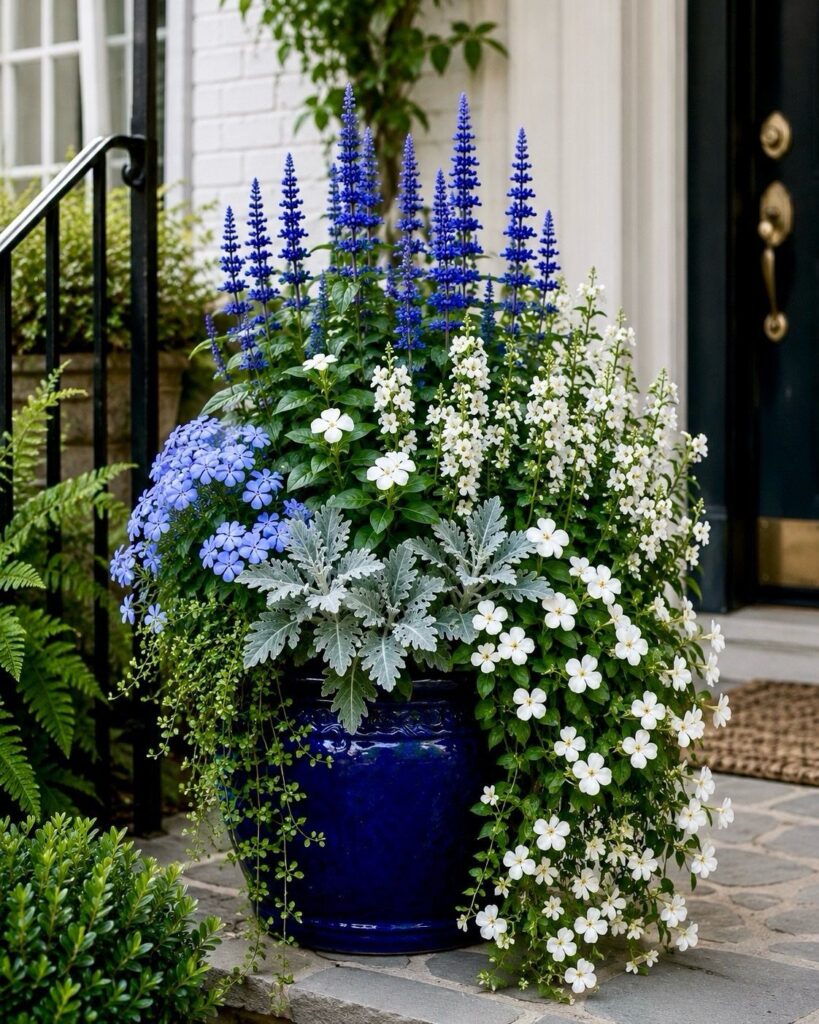
Annuals from six-packs cost less than a single mature pot and fill a bed in one season. The planter does the heavy lifting: one good ceramic piece makes the arrangement read as intentional even when the flowers are basic.
Water daily until roots take, then the bed mostly handles itself. Replace the whole show each spring or let the salvia reseed if your winters are mild.

【Outdoor&Waterproof】outdoor strip lights waterproof use IP68 waterproof tube case, and Protects leds from damagethe outside Led Light Strips can be installed outdoor and withstand splashes or rainfall and Prevent bask in. Suitable for both indoor and outdoor use.

【Outdoor&Waterproof】outdoor strip lights waterproof use IP68 waterproof tube case, and Protects leds from damagethe outside Led Light Strips can be installed outdoor and withstand splashes or rainfall and Prevent bask in. Suitable for both indoor and outdoor use.

IP65 waterproof: Covered with transparent silicone coating, this LED Strip Lights is dust-tight and rainproof but cannot be soaked in water for a long time, and the color is more crystal clear. (Only the LED strip is waterproof, the control box and power supply are non-waterproof)
8. Solar Lights
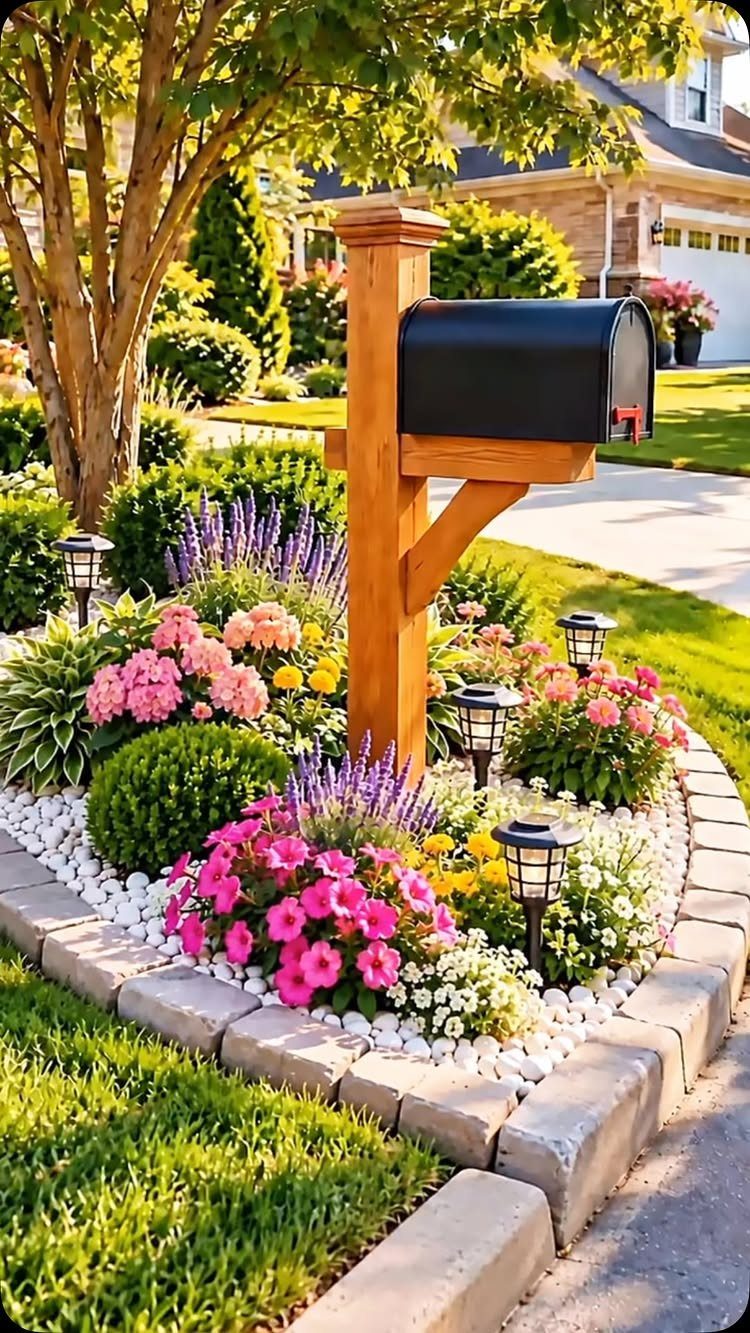
Solar path lights along a mailbox bed or driveway edge ask nothing after you stick them in the ground.
No wiring, no timer, no bill; they charge through the day and glow for a stretch after dark. Black housings disappear against mulch and let the light itself read as the feature.
Cheap ones dim late and fade to yellow inside 2 seasons.
That is the trade: you buy ease, not longevity. Place them where the function matters more than the fixture, along a route you walk after dinner, not where you read or work.

【RGBW White Advantages】Vibrant color blending from SMD RGB+WHITE 4-in-1 LEDs.16.4ft 300 LEDs total, offering 16 million stunning colors with bright glow.Dedicated pure white light(2700K warm white)delivers cleaner, natural illumination and higher efficiency. Completely eliminates color cast from traditional RGB mixed white.Excellent pure lighting effect in static and dynamic modes. Dimmable with 50,000+ hours lifespan.

Ultra-bright and dimmable: 300 LEDs bright warm white LED strip lights with white color temperature deliver up to 3840 Lumen, and the brightness can be easily adjusted by the dimming button controler that comes with it.

Dimmable 32.8 ft LED Strip Lighting: This 32.8 ft warm white led strip lights includes 600 bright LEDs, provides a maximum brightness of 2400 lumens, pretty suitable for indoor lighting and decoration, such as bedrooms, living rooms, kitchens, tv, stairways, under counter, wardrobe, Halloween Christmas decor, etc
9. Crushed Stone Foundation Bed
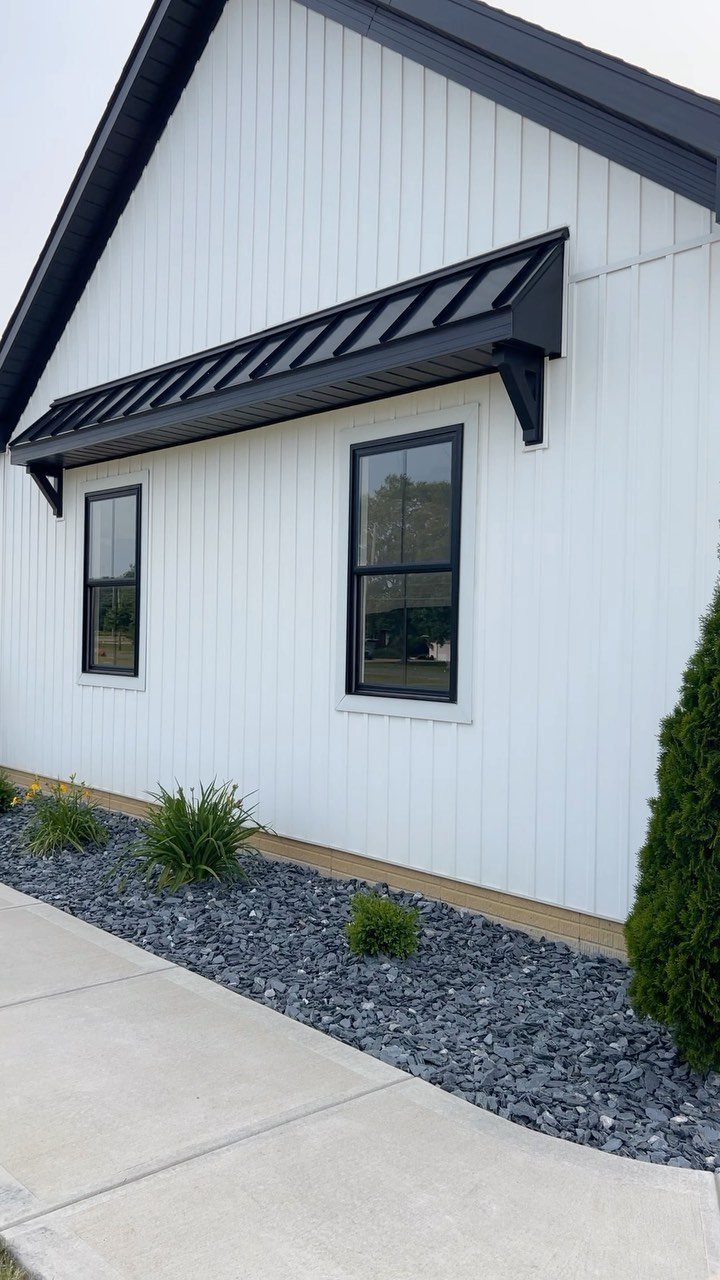
Crushed stone against white siding reads as deliberate because the contrast is sharp.
The stone needs a weed barrier underneath or you are raking out grass shoots by July; landscape fabric is cheap insurance. Sparse plantings keep it low effort: one or two tough shrubs, a clump of sedum, nothing that wants tending.
Check the grade before you spread stone.
Water needs somewhere to go; a flat bed against the foundation invites the wrong kind of pooling. Slope it slightly away from the wall so the stone stays where you put it.

UNIQUE OUTDOOR WALKWAY SOLUTION: Elevate your garden, lawn, or backyard with BIRDROCK HOME Rubber Stepping Stones. These durable pavers create a functional and stylish walkway, enhancing your landscape while providing a solid and reliable surface to walk on.

DURABLE AND ECO-FRIENDLY: Crafted from 100% recycled PPE plastic, our gravel paver system delivers exceptional strength and longevity; This set includes 22 units with a 1-inch depth, covering an area of 65 square feet
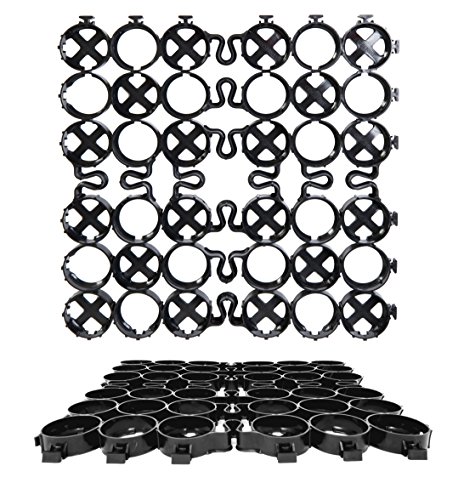
EASY TO USE: Our lightweight permeable pavers are easy for any level of DIYer to install; Feel proud of your own outdoor home improvements!
10. Hanging Backyard String Lights
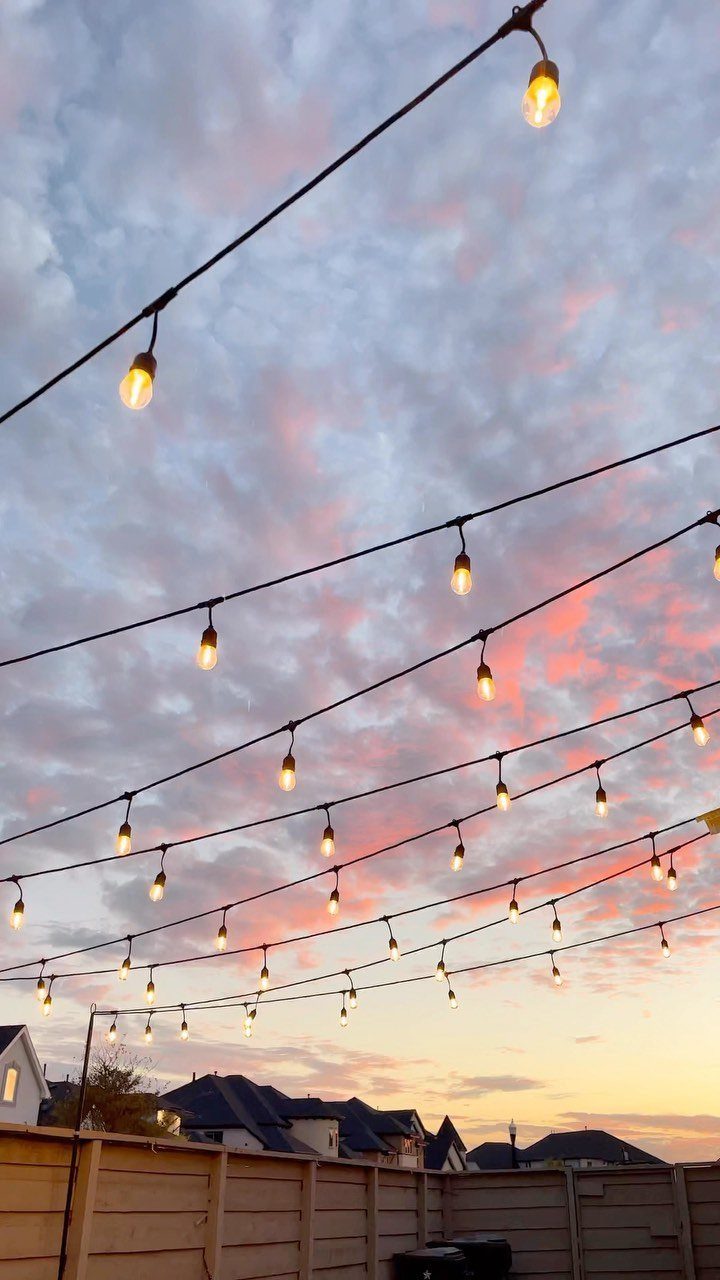
String lights across a fence line turn a backyard into somewhere you stay past sunset.
Warm bulbs, not cool white, keep the mood residential; 2700K matches what you already have inside. The strands themselves run cheap for standard lengths, and a few usually cover a yard.
Check your fence posts before you plan the hang. They need to take tension without leaning; a sagging line looks like you gave up.
Eye hooks screwed into the top rail work, or gutter clips if the posts are not yours to drill. Extension cords from an outdoor outlet, not indoor cords run through a window, are the safe path.

Shredded rubber mulch looks like real wood mulch
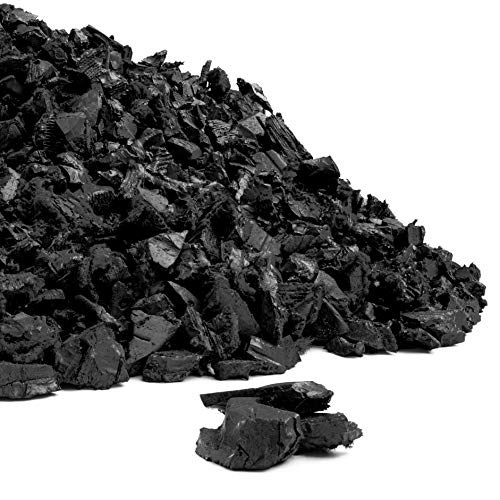
CREATE A SAFER PLAY AREA - Playsafer rubber mulch is IPEMA Certified and helps reduce the risk of injury on playgrounds and play areas

Rubber mulch have high strength pressure reduction and shock absorption, high temperature resistance, anti-aging, long life, easy to maintain the construction is simple and fast. Helps reduce the risk of injury on playgrounds and play areas.
11. Pallet Garden Gazebo
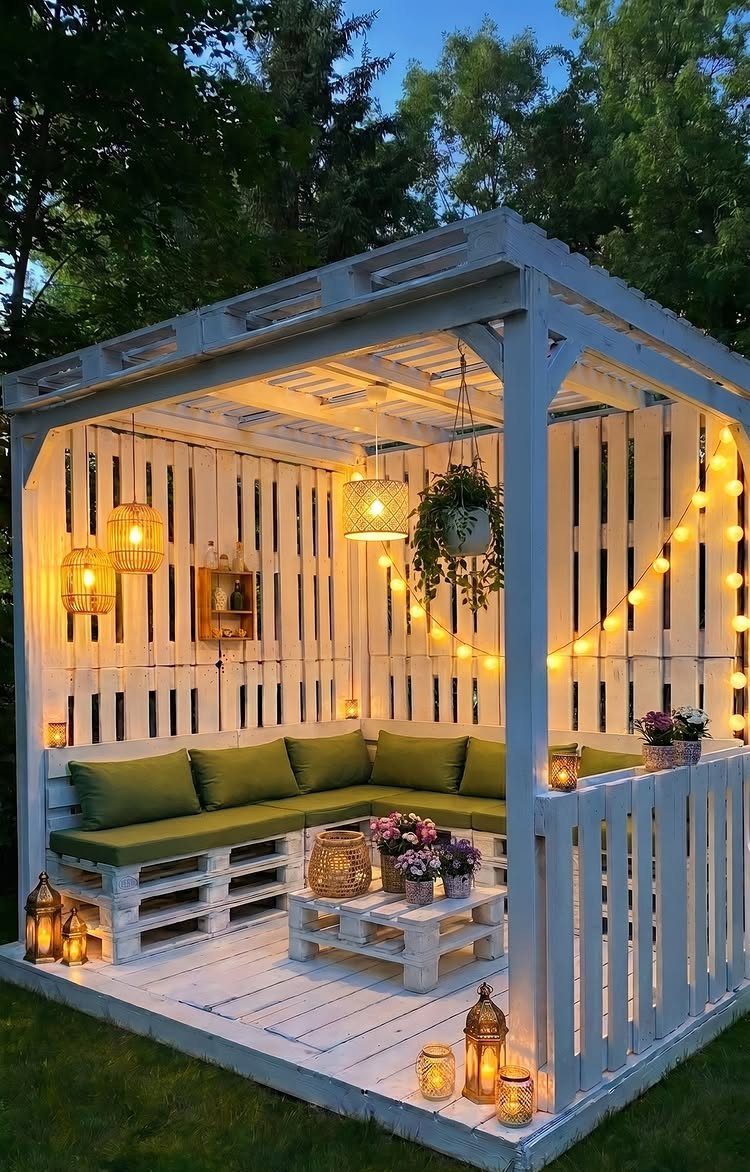
A pallet structure painted white and fitted with cushions is a lounge, not a shed, and that distinction matters for code and for weather.
The open sides let air through so it does not bake; the roof is what keeps you dry. Green cushions against white wood read fresh, but any outdoor fabric works if it is rated for sun and mildew.
Pallets vary: heat-treated, marked HT, are the ones safe to use; chemically treated will leach. Check the stamp.
The seating is built in, which saves buying chairs, but the height is fixed. Try sitting on a pallet first; cushion helps, but the base is still low.
Choose Low-Maintenance Plants
Hostas, daylilies, and most ornamental grasses work the same way; one clump becomes two, then four, if you have the patience to wait and the willingness to dig.
Fast-growing shrubs like Blue Muffin Viburnum or Blue Jean Baby Russian Sage fill space in 2 seasons while slower structural plants catch up. The mature look arrives early without the mature price.
Cosmos, zinnias, and sunflowers all go straight from seed packet to soil for a few dollars, no grow lights or greenhouse required.
By mid-July the color is dense enough to read as intentional planting, not a gap you meant to fill.
Before buying anything, I check my USDA Hardiness Zone, count the hours of direct sun the spot actually gets, and dig down to see whether I am holding sand, clay, or something in between.
A plant that dies in clay shade is money thrown at compost.
Use Recycled Materials
A thick layer of dark brown shredded bark mulch cleans up messy beds, suppresses weeds, and makes whatever is already there read as chosen.
3 inches is the depth that does the work; less than that and light still reaches the weed seeds.
A 10×10 foot gravel pad is one person with a wheelbarrow and a free Saturday.
"Urbanite" is broken-up concrete pieces, free if you know a demolition site or a neighbor replacing a driveway. Puzzle them together for a path that reads as deliberate texture, not second-best flagstone.
Mulch, gravel, and urbanite share one advantage: they let you keep plants you might otherwise rip out. The ground reads as designed, and the existing shrubs get to stay.
Plan for Future Phases
No rule says the whole yard has to finish in one season.
The foundation plantings can be this year’s project; the back-fence privacy screen waits for next spring. Breaking the work into chunks keeps the spending and the labor manageable.
A phased approach only works if the first phase leaves room for what follows. Plant the specimen tree now with space around it; fill the surrounding bed cheaply next year when you know what thrives in that light.
The biggest waste is buying plants that die in your conditions.
Test your soil, track your sun, and match the plant to the spot even when the spot is only half the yard. A thriving plant pays for itself; a struggling one keeps asking for water, fertilizer, and finally a replacement.
Focus on Design Over Cost
A clean edge and dark mulch make an ordinary bed read as intentional.
The mulch itself is cheap; the labor is an afternoon with a flat spade. What sells the look is the line, not the spend.
Gravel patios, urbanite paths, and pallet structures all share this: the design gesture matters more than the material cost.
The same holds for lighting. LED strips under a bench or solar lights along a driveway edge create destination and route; the fixture price is low because the placement is doing the work.
When I do open my wallet, I put it toward one thing that holds the eye: a single specimen tree, two chairs placed under an old oak, a bench where the path stops.
Everything else can be simple if the eye has somewhere to land first.
Frequently Asked Questions
What is the least expensive way to landscape?
Recycled materials and plants that spread on their own cost the least upfront and keep saving money.
Old tires become planters and fire pit seating, broken concrete from demolition sites becomes path material, and hostas or daylilies divide into new plants for free.
Dark mulch and a clean spade-cut edge make whatever is already there look intentional without buying anything new.
What is the rule of 3 in landscaping?
I have never found a formal "rule of 3" in any landscaping book or site that actually helped me decide where to put a plant.
The principle that shows up instead is putting one strong element where the eye lands first: a single specimen tree, one bench where the path ends, or a pair of chairs under an old tree.
One focal point anchors the yard and lets everything else stay simple.
What are some easy and simple landscaping ideas?
A half-moon edger and about two hours on a Saturday gave me a border around my front bed that still looks sharp six months later; I run it along the same cut in April and again in October.
Solar path lights stick in the ground with no wiring, and LED strips under a bench or stair tread add evening light for the price of the strip and a few hours.
Gravel between stone pavers makes a path that one person spreads in a weekend.