These 14 small vegetable garden ideas run from a single container on an apartment balcony to a keyhole bed in the backyard, and the right one depends on how much sun your space actually gets and whether you can plant in ground or need to build up.
[link-whisper-related-posts]1. Container Garden
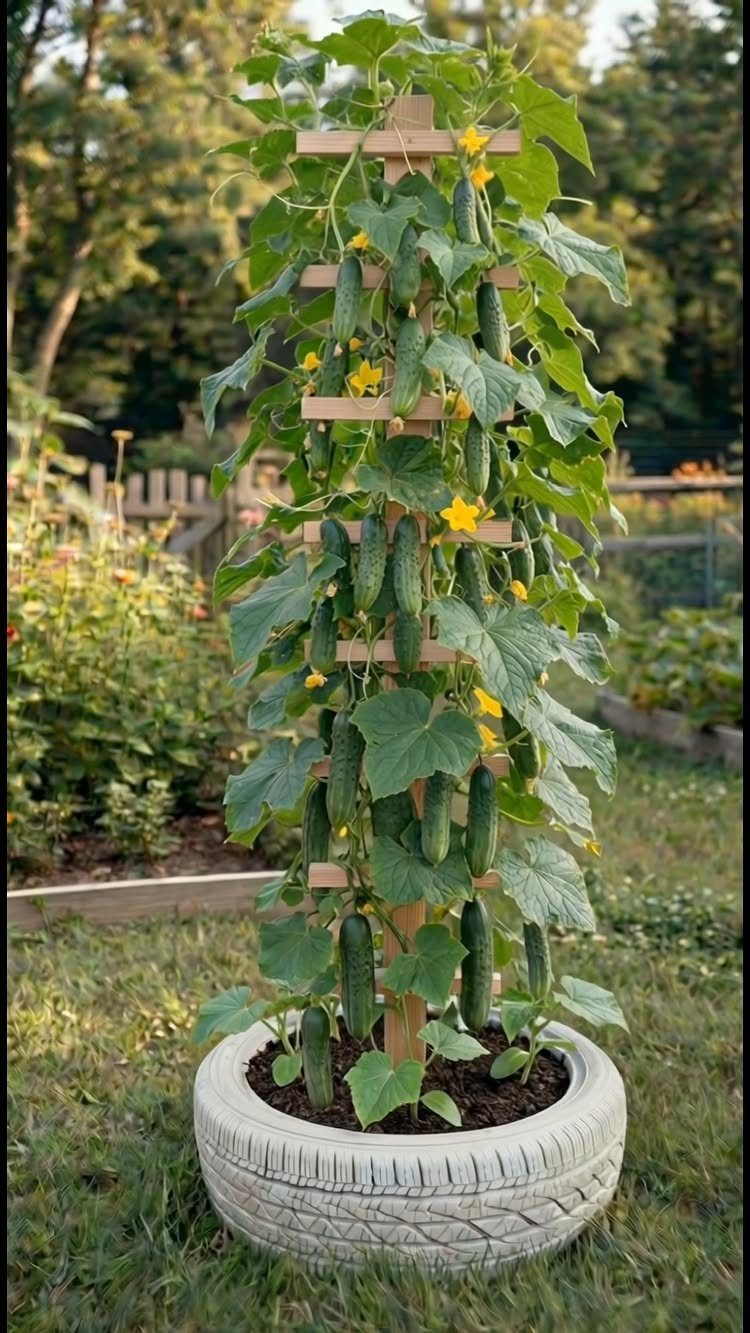
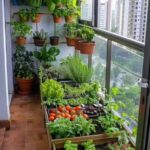
Container gardens let vegetables thrive on concrete, balconies, or any patch of sun you have. A 5-gallon pot with drainage holes is the minimum for tomatoes or peppers; anything smaller dries out too fast and roots get cramped.
I cluster mine near a wall that catches morning light and buffers afternoon heat, which cuts watering from twice daily to once. More pots mean more harvest, so I place them within hose reach.
Clay breathes but dries fast; plastic holds moisture longer. Pick based on how often you are home to water.

Sturdy Fabric Material: Our Non-Woven fabric grow bags are crafted using high-strength weaving technology, which allows the planting bags to remain lightweight while possessing an impressive ability to bear weight.

Sturdy & Garden-Ready Material: Made of 300g of thickened nonwoven fabric, these pots are moderately permeable, environmentally friendly, and BPA-free; Ideal for raised beds, patios, and outdoor gardens
2. Raised Beds
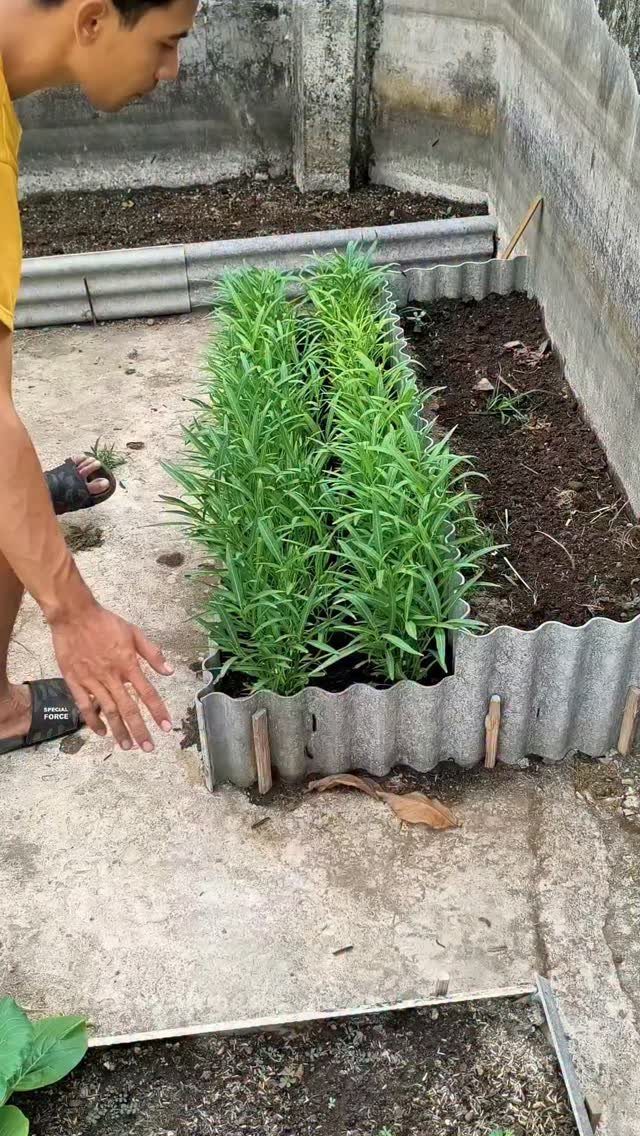
Raised beds turn driveways, compacted yards, or questionable soil into growing space you control. Untreated lumber, brick, or stone keeps chemicals away from food; 18 inches tall lets roots spread and saves your back.
I fill mine two parts topsoil to one part compost, which is the ratio that actually feeds plants instead of just looking dark.
Corrugated metal heats up fast in southern sun, so I line the inside with cardboard the first season to keep roots from baking. The up-front cost stings, but you are buying years of not fighting clay or rocks.

100% Organic & Peat-Free: Our compost mix is 100% organic & peat-free. Peat is one of Mother Nature’s most important stores of carbon. Instead of imported peat, the base of our soils is made from upcycled plant matter or wood fines from the United States!

SUPERCHARGE YOUR GARDEN: Elevate your plants' growth with premium organic Brut Worm Castings. Our certified organic formula guarantees optimal nutrition for your indoor and outdoor plants.

ALL-NATURAL MIX: Burpee Organic Premium Potting Mix is formulated with plant food & coconut coir to promote seed & root growth and healthy flower, vegetable & herb plants. OMRI Listed for organic use.
3. Vertical Gardening
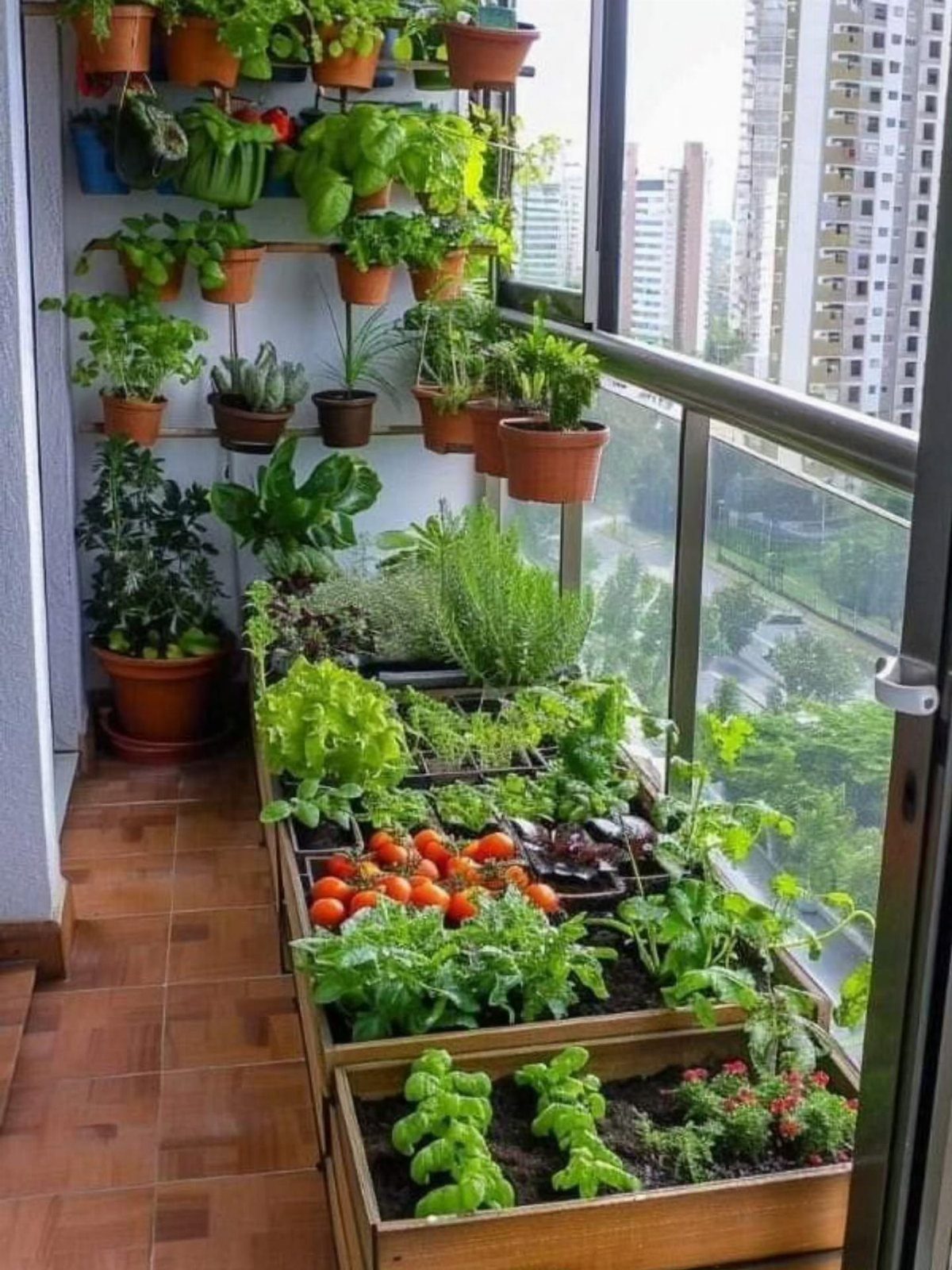
Vertical gardening buys you square footage you do not have by sending plants up instead of out. A trellis or wall planter trains tomatoes, cucumbers, and pole beans into a footprint smaller than a chair.
I set supports when I plant, not after; wrestling a mature vine onto a cage breaks stems and my patience. Cotton cloth strips tied loose hold stems without cutting in as they thicken.
Runner beans, tromboncino squash, and indeterminate tomatoes all climb willingly. Watering more often is the cost, since elevated soil dries faster than ground beds.

Wall mounted matte black metal wire geometric grid lattice garden trellis to support climbing plants and crawling vines with an artistic aesthetic **Some assembly required**

【You will get】Size: 11.4"W x 35.43"H (2 Pcs)丨(Plants, flowers, pots & decor not included.) Material & Color: Premium solid wood (no particle board), carbonized for a rich dark brown finish, enhanced durability, and striking natural grain.

This modern trellis is a simple upgrade to bring a stunning architectural element to a plain wall. Easy to assemble with just two panels and six mounts, it offers a hassle-free installation. Simple to install, yet designed with durability in mind, our rectangular wall trellis is built to stand up to the elements and maintain its beauty season after season.
4. Dwarf Fruit Trees
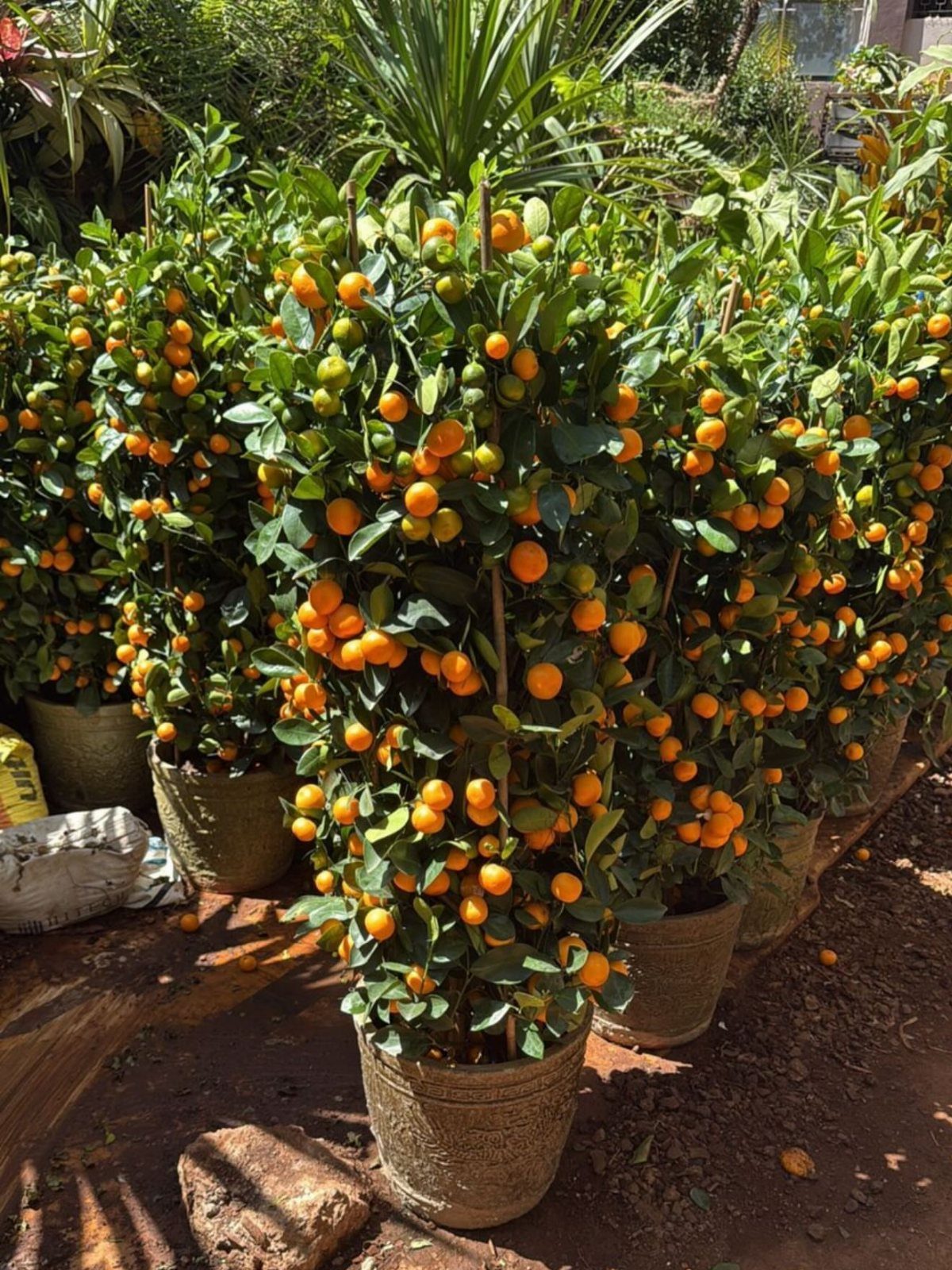
Dwarf fruit trees give you harvests in pots or corners where a standard tree would own the yard. Most stay under 12 feet and spread 3 to 5 feet across; a 25-gallon container handles apples, cherries, or peaches without root-binding.
I look for varieties on dwarfing rootstock, not just young trees that will outgrow the space. Potted citrus moves indoors where winters drop below hardiness zones, which is the only way I get oranges in Ohio.
Espalier or fan training against a wall squeezes them even tighter, though that takes annual pruning I do not always get to.

Balcony Rail Planter: Rectangular outdoor planters was designed to maximize inside growing space allowing dirt and roots to grow strong and deep.This special design can be hung on the balcony, window, garden,railing, anywhere in the room,also can be used as desktop.

6 Pcs Railing Planter Boxes: Each plastic flower pot measures 16.9 x 6.9 x 5.5 inches, ideal for a wide variety of flowers, herbs and ornamental plants. Made of powder-coated metal and wear-resistant plastic, these 6 pcs window boxes planters are durable and built to withstand all weather conditions.
5. Plants with Blue and Purple Hues
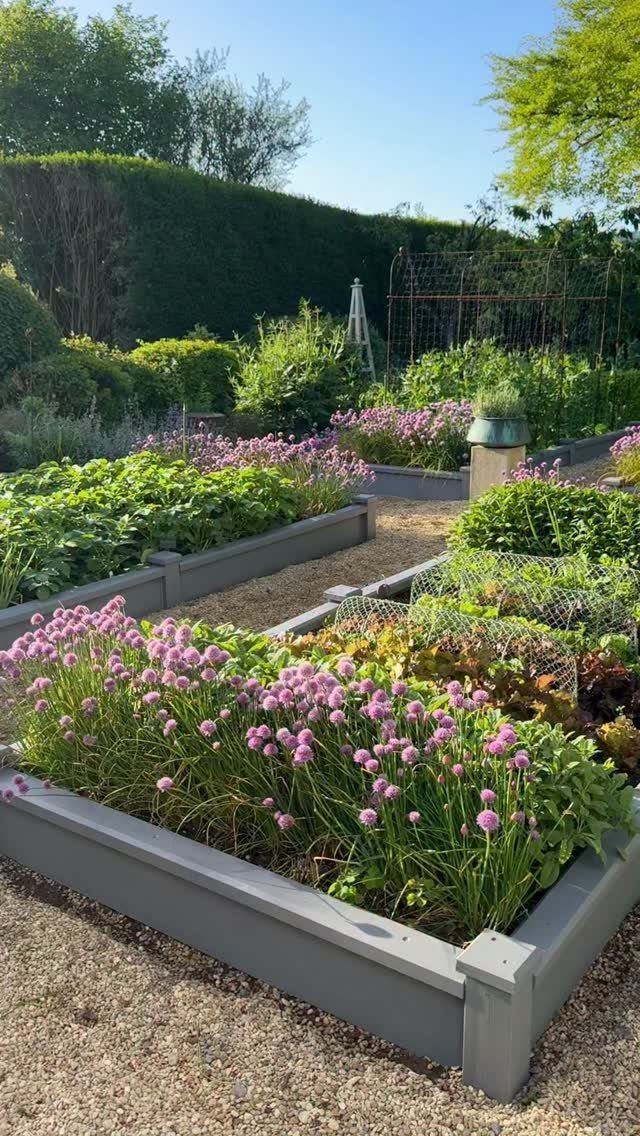
Blue and purple plants recede visually, which makes a small garden feel deeper than its fence line.
Chives, purple basil, and certain kale varieties give you that shift without sacrificing edibility. I limit my palette to two or three repeats instead of one of everything; the result reads intentional rather than crowded.
Arranging vegetables by their color value lets you design a garden palette that is both productive and visually open, because this is not about growing less food; it is about placing the same food so the space breathes.
Purple blooms also draw pollinators tomatoes need.

Each offer includes 1 potted starter plant

Product Quantity: 180+ premium bonsai fruit seeds across 5 varieties; Individual packs contain 40+ apple, 40+ lemon, 40+ orange, 20+ blueberry, and 40+ cherry seeds; Perfect for starting a diverse miniature orchard

4 kinds of the most popular fruits, individually packaged, 50pcs Lemon seeds 50pcs Cherry seeds 50pcs Orange seeds 50pcs Apple seeds Fresh seeds, all fruit seeds are packed in tear and moisture resistant zipper sealed bags for your long term storage.
6. Keyhole Gardens
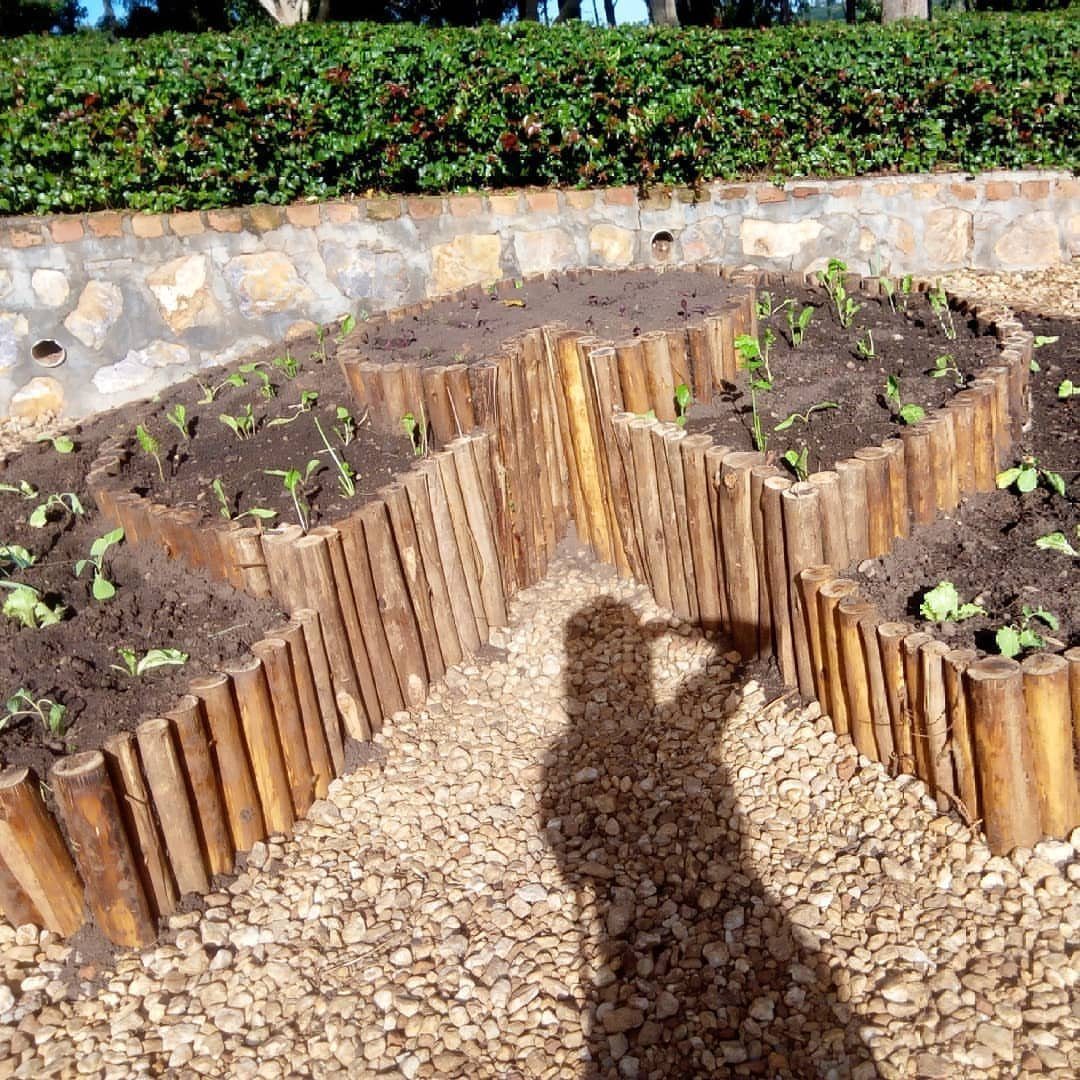
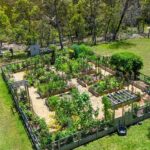
A keyhole garden wraps a narrow path into a raised bed so you can reach every plant without stepping on soil.
The slot-shaped opening gives you a pivot point; the center stays open for a stool or a compost basket if you want the full African garden version.
Logs, stone, or brick hold the soil in the U-shape; keep the far side within arm’s reach.
I built mine too wide once and ended up climbing in, which defeated the point. The shape suits anyone whose knees or back protest bending from the edge of a standard rectangle.

Sturdy Fabric Material: Our Non-Woven fabric grow bags are crafted using high-strength weaving technology, which allows the planting bags to remain lightweight while possessing an impressive ability to bear weight.

Sturdy and durable - Plant pots are made of high quality PP plastic, which is tough, not easy to break or crack. Whether it is digging or daily use, it can withstand pressure and ensure a long service life.

Innovative Self-Watering: A 1-gallon reservoir reduces watering frequency while continuously supplying the moisture plants need. The rigid stand keeps soil elevated, preventing waterlogging for a low-maintenance growing experience.
7. Patio Vegetable Garden
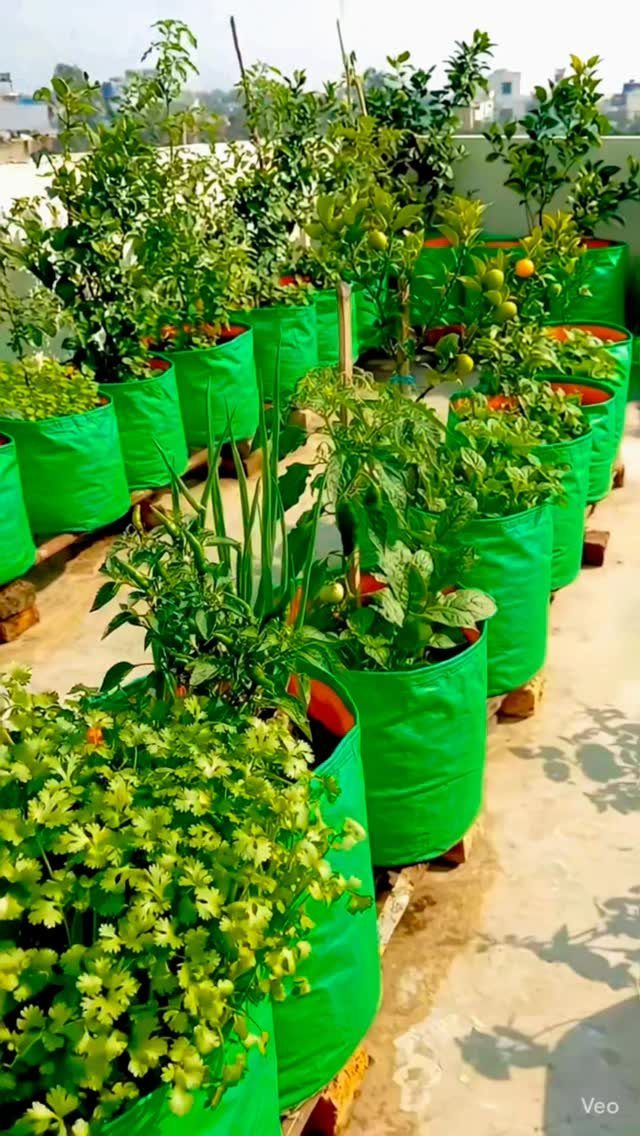
A patio vegetable garden is container gardening with the hardscape already built in: concrete becomes your floor, walls become your windbreak.
Fabric grow bags sit light on the surface and drain freely, which matters when there is no ground to absorb overflow.
I mix food plants with a few ornamentals in the same pot; a pepper plant with trailing nasturtium reads as landscaping to an HOA and still gives you lunch.
Morning sun on a south or west wall is the spot to claim first. Sweetheart of the Patio tomatoes were bred exactly for this, compact enough for a hanging basket or a small pot.
Garden designs for small gardens should aim for a ratio of around 50 per cent planting and furniture to 50 per cent paving or decking. This will help create a patio that is easy on the eye without being overcrowded.

Ready to Use, Right from the Bag: No prep required. This raised bed garden soil is packed with organic compost and nutrients, ready to use for quick and easy planting
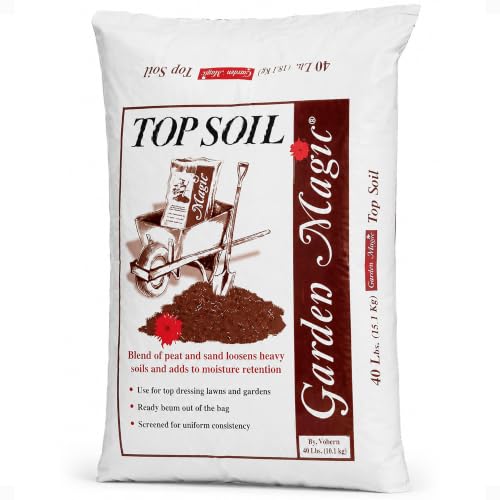
Ready-to-Use for All Planting Needs: This general-purpose potting soil is ready to use out of the bag, perfect for both indoor and outdoor planting without any extra prep
8. Low Fencing to Deter Small Animals
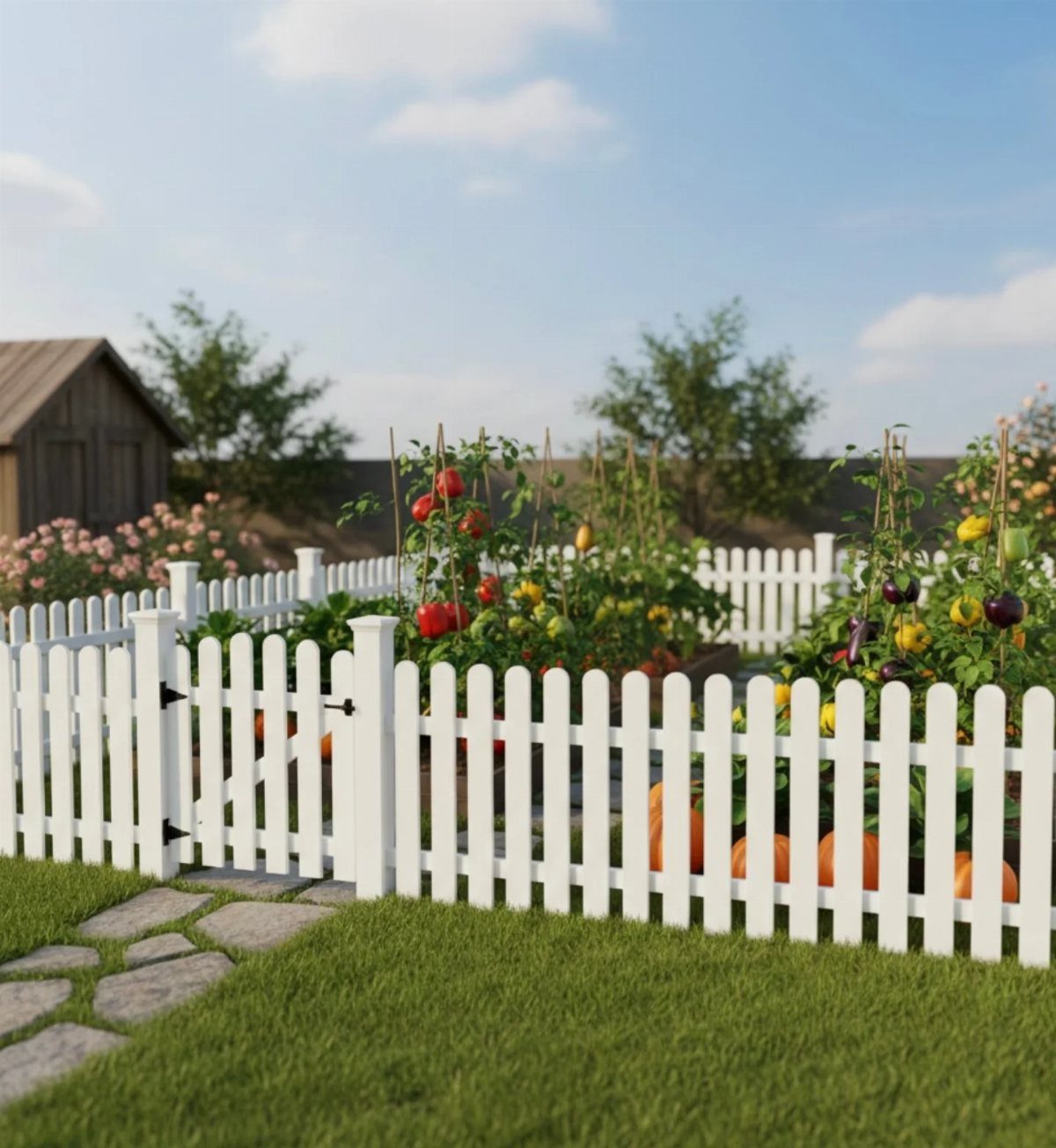
Rabbits and groundhogs will clear a bed in one night, and a low fence stops them without blocking your view or your access.
Wire mesh with small openings, buried below ground and standing about knee high, is the standard that works; anything shorter they hop, anything taller you are building deer protection instead.
I leave a gate wide enough for a wheelbarrow because I will need one eventually. White picket suits a front yard where looks matter, but the mesh does the actual work if you sink it right.
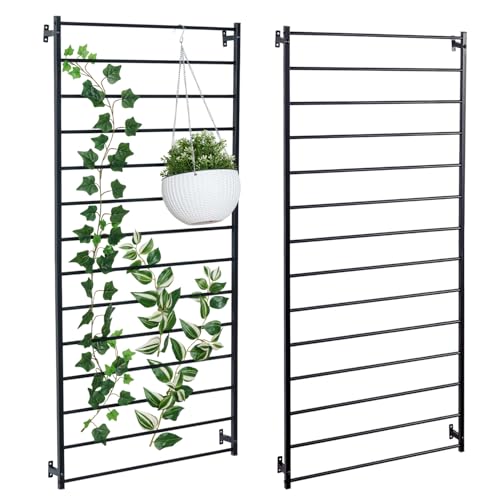
Set of 2 Hanging wall mounted modern matte black metal trellis for climbing plants and crawling vines in outdoor gardens
9. Mini Greenhouses on Shelves
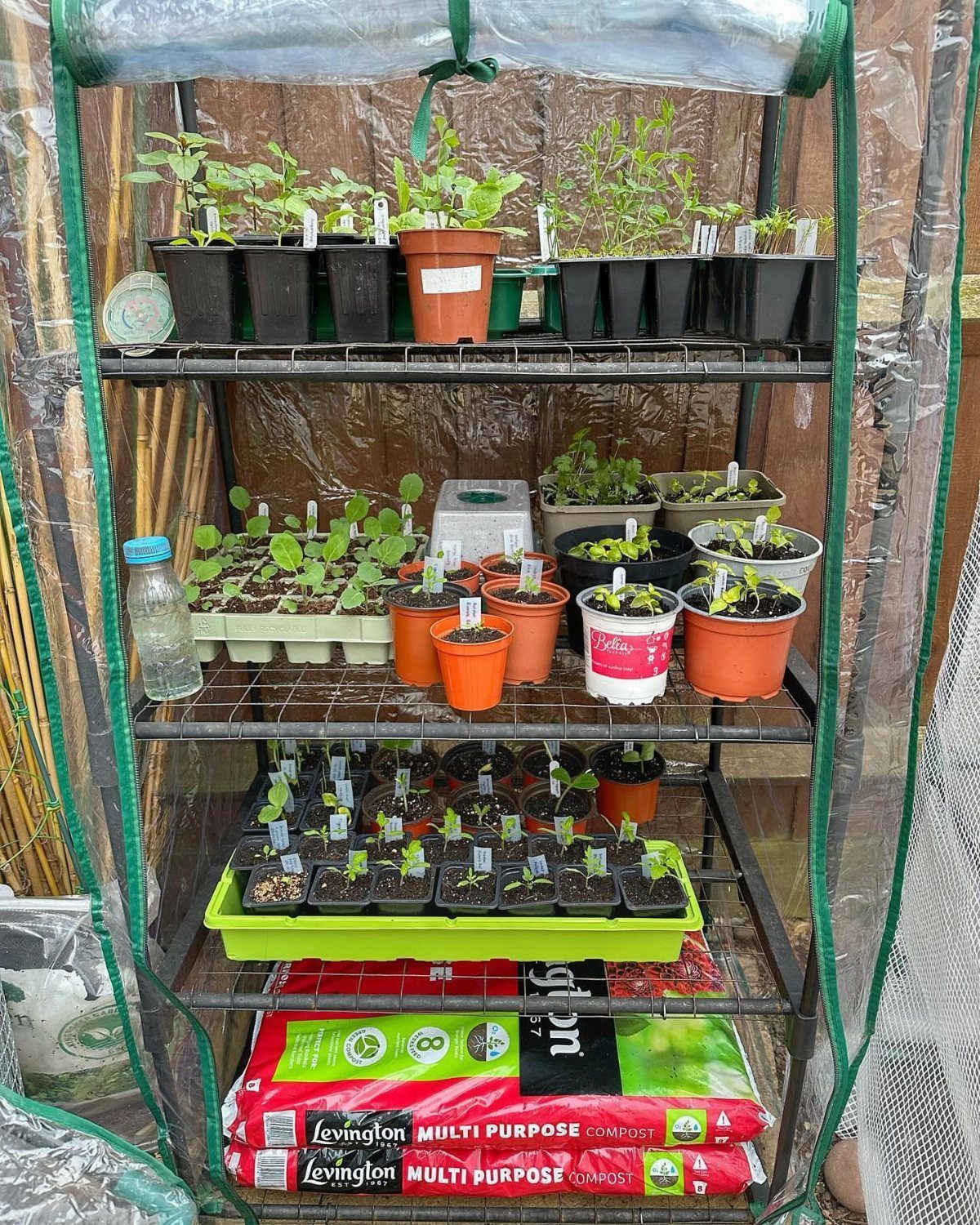
A shelving unit zipped inside a clear cover is the smallest greenhouse that still functions like one: trays stack vertical, heat traps, and you start seeds weeks before last frost without giving up floor space.
Wire shelves hold black trays and terracotta pots at several levels; a cover this size pays back in one season of not buying tomato seedlings.
I set mine against a south wall and vent the cover on sunny days or seedlings cook. A bottom shelf of potting mix bags adds thermal mass and keeps supplies dry.
10. Brick Border Inground Beds
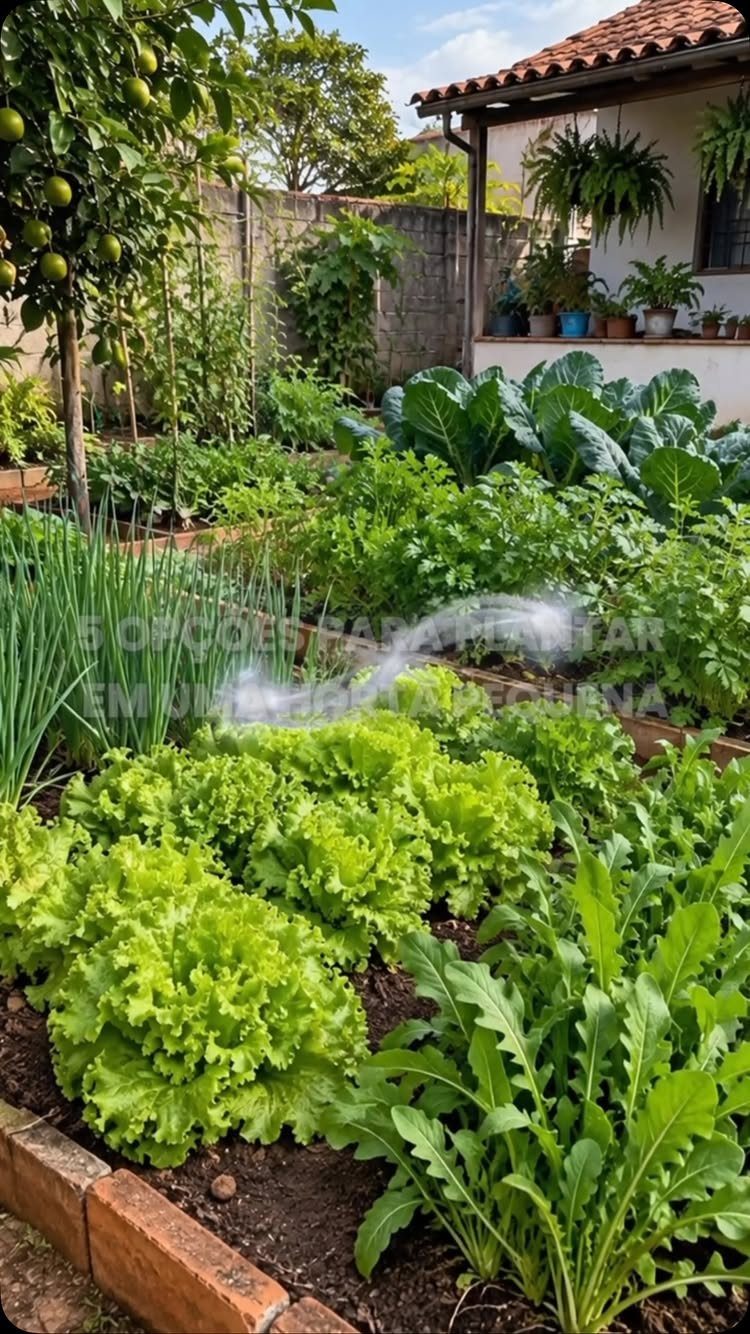
Brick borders do 2 jobs at once: they hold soil in a neat edge and let you mow right up to the bed without string trimming.
Set the top of the brick flush with lawn level and the mower deck passes over clean.
I use reclaimed brick when I can find it; new runs cheap to moderate each, and a small bed needs a stack of them.
Lettuce and arugula sit close, which is the other half of the trick: a small bed looks intentional when it is full, sparse when it is not.
11. Indoor Windowsill Hydroponic Garden
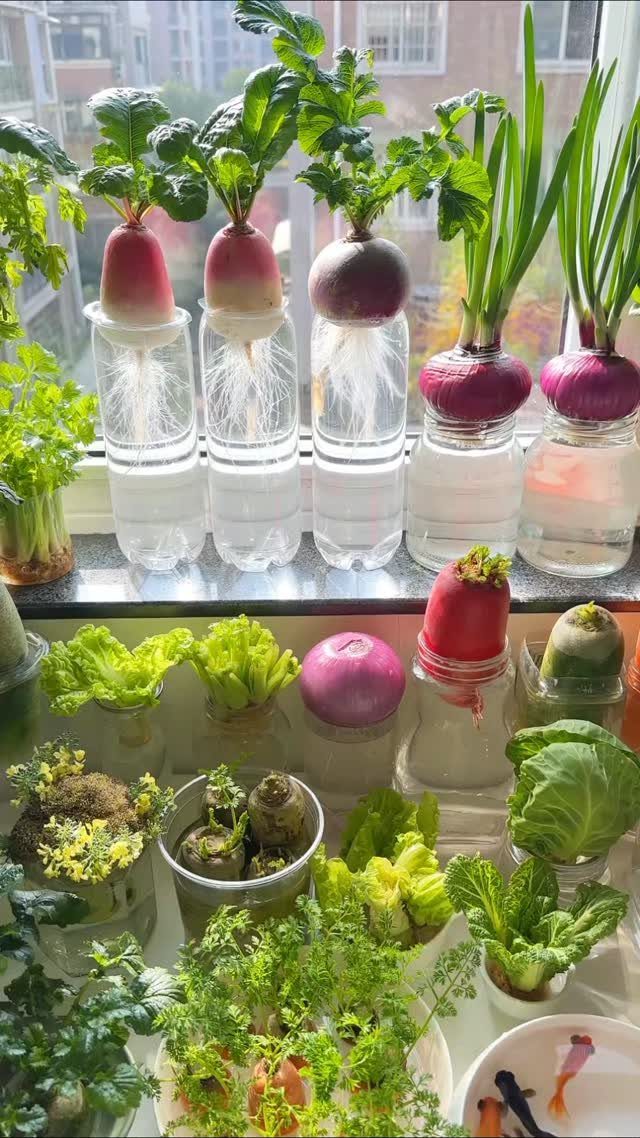
Hydroponic jars on a windowsill regrow grocery scraps into fresh cuts without soil, space, or much light beyond what the glass gathers.
I change water every couple of days or it sours. This is not a full garden, but it is greens in January from a south-facing sill, and the setup costs nothing you do not already own.
12. Intensive High-Density Planting
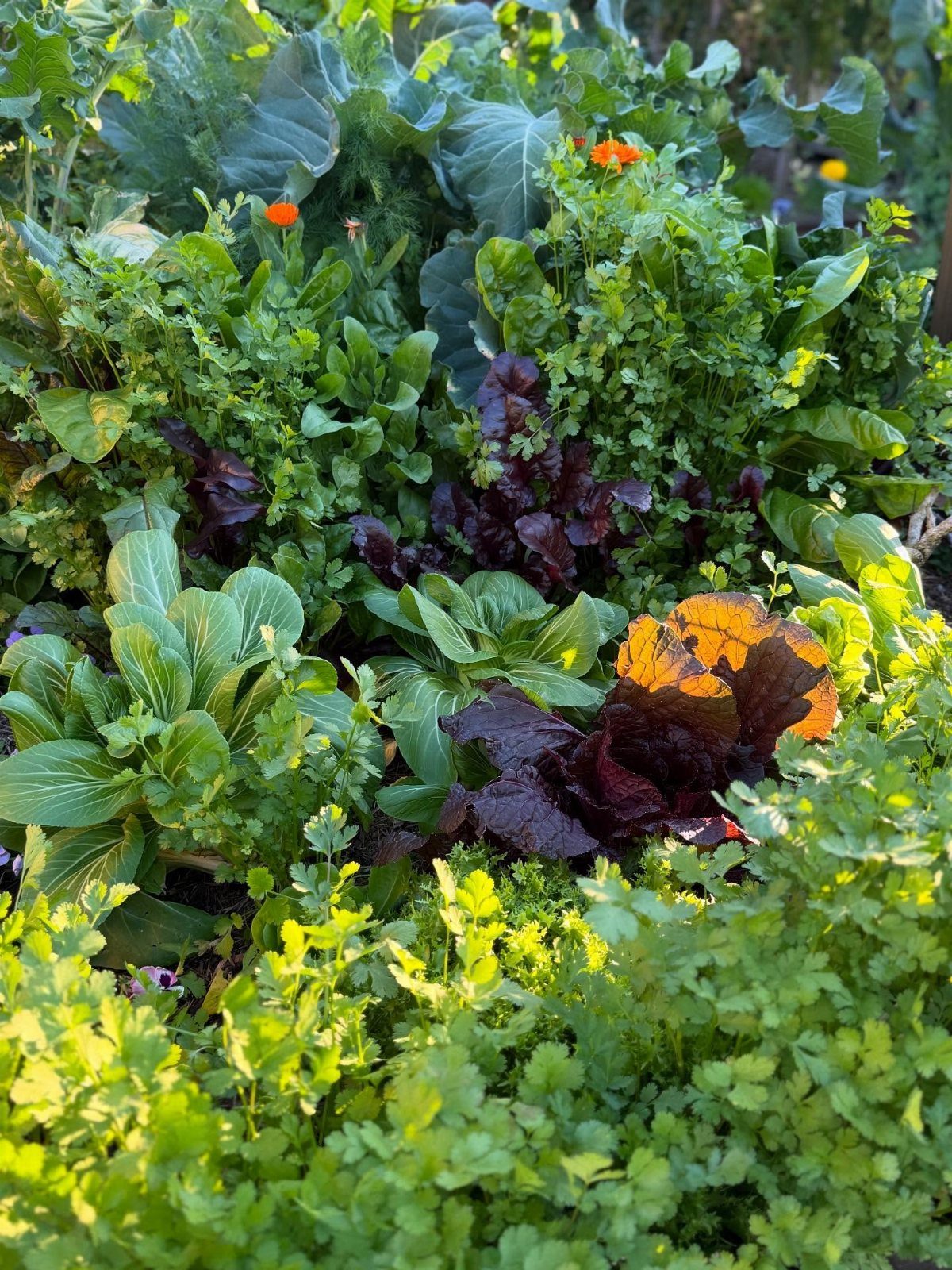
High-density planting treats every square foot as multiple crops per season, not one plant spaced to its full spread.
A bed that mixes lettuce, bok choy, and herbs shoulder to shoulder lets leaves touch at maturity, which shades weeds and keeps soil moist.
I map my beds into 2 by 2 foot squares and plant each by hand, the way square-foot gardening organizes it.
Succession is the other half: radishes and arugula sown into gaps left by harvested heads keep the bed producing instead of sitting empty. The yield per bed doubles; the work per bed does too.
13. Bamboo Archway Trellis
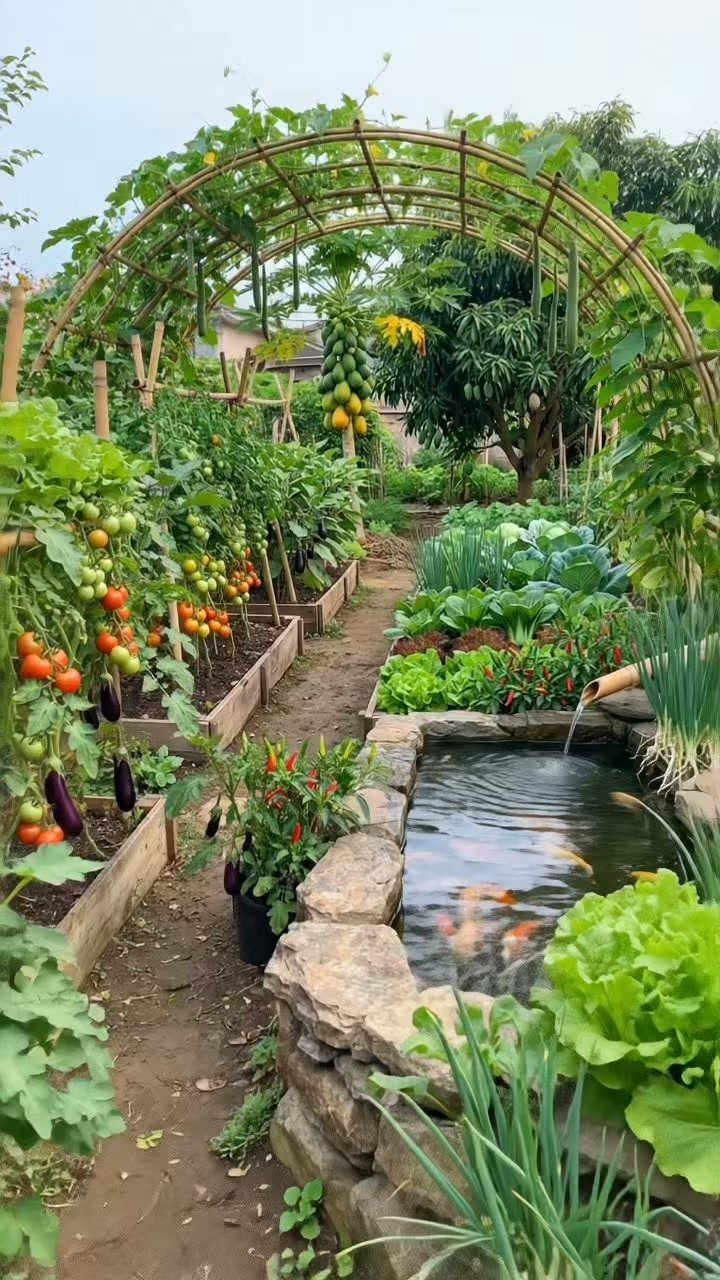
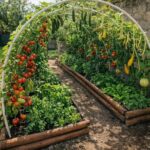
A bamboo archway turns a garden path into vertical growing space, with climbing vegetables overhead instead of underfoot.
The poles need to be set deep enough to stay upright once vines load them with weight; 18 inches in packed soil is the usual minimum.
I would check that the span across your path leaves headroom for a wheelbarrow or a tall gardener. Beans, cucumbers, or small gourds twine naturally; tomatoes need tying.
The look is informal and suits gardens where function matters more than crisp lines. Harvesting overhead fruit takes a stepladder or a reach, which is the trade for the floor space you get back.
14. Upcycled Tire Planter
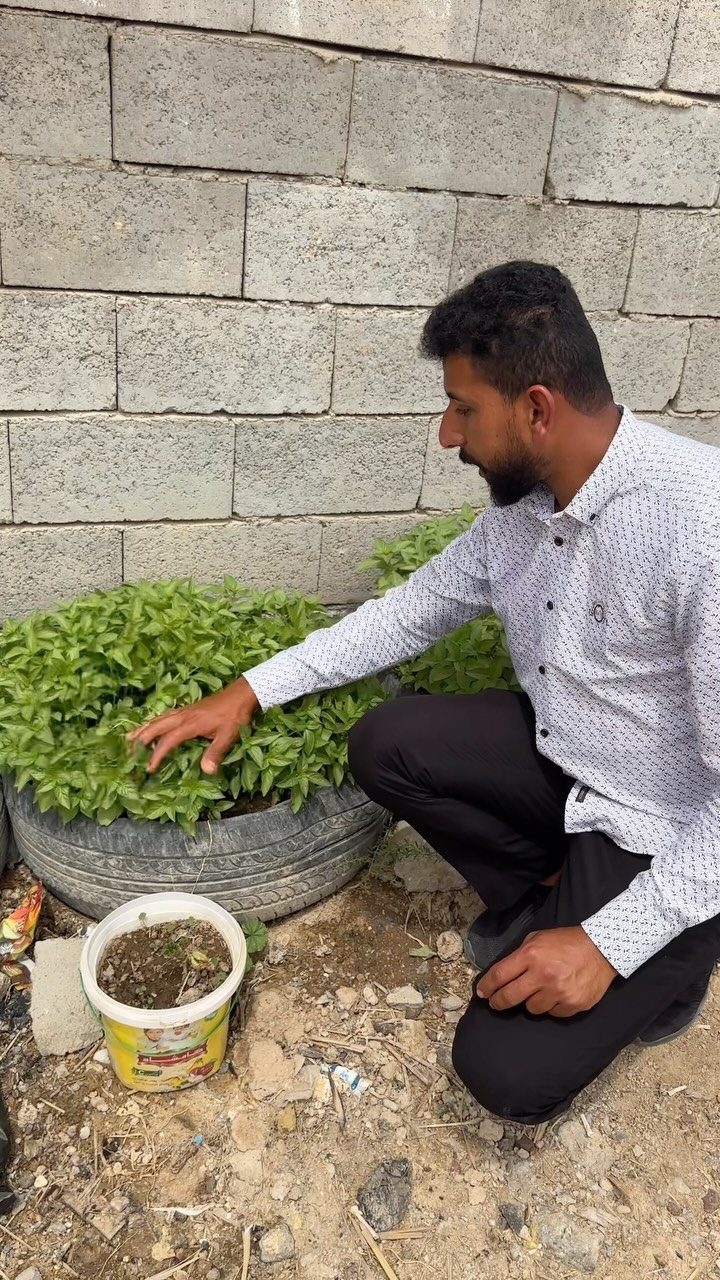
A tire laid on its side and filled with soil is a raised bed that costs nothing but the dirt and the labor to move it.
The sidewalls hold heat, which starts lettuce and greens earlier in spring and extends them later into fall.
I would check where the tire came from; highway tires carry more road residue than lawn tractor tires, and a good scrub before planting is worth the half hour.
Painted exteriors lift the look from junkyard to garden feature, though the rubber underneath stays the same. Drainage happens through the open bottom, so site it where water does not pool.
Sunlight Requirements
Most vegetables want a solid block of direct sun to produce well; fruiting crops like tomatoes and peppers are the hungriest for it and sulk in shade.
Lettuce and herbs tolerate less sun than most vegetables, so a porch with morning light or the bright side of an east wall can still grow something worth eating.
Containers have an advantage here: you move them through the season to track the sun, or shift them out from under a tree that leafs out in May.
I place mine where they get morning light and some afternoon shade in July, which keeps soil from baking and cuts water stress.
Watch for shade from fences, garages, or additions you do not notice until midsummer when the sun angle has shifted.
A pot of vegetables works at the end of a front walk or against a south foundation; the harvest matters more than hiding it behind the house.
Watering Needs
Containers dry out faster than ground beds, sometimes needing water twice daily in July heat.
I check moisture with a finger before I water. Wilting can mean too much water, not too little, especially if drainage holes are missing or clogged.
Lifting the pot tells you too: a saturated container weighs noticeably more than a dry one, and after a few days you sense the difference without thinking.
Drainage holes are not optional.
Waterlogged roots rot fast, and poor potting mix turns sour. I add holes to anything that comes without them, even if it means pulling out the drill and making noise the neighbors probably hate.
Daily checking matters more than daily watering; missing a check in hot weather can stall a plant for weeks, while consistent moisture keeps growth steady and leaves less stressed.
Planting Partners
Some vegetables grow better together than others, which matters more in a small space where neighbors cannot avoid each other.
Broccoli grows alongside celery, basil, and cucumber without trouble; pumpkins, strawberries, and melons make poor neighbors because they spread fast and fight for the same nutrients and root space.
The Three Sisters method, squash with pole beans and corn, is the classic low-maintenance combination: beans climb the corn, squash shades the soil, and the three crops share a small footprint without strangling each other.
Vegetables also mix into shrub and perennial borders where sun and soil match. A pepper plant among foundation shrubs reads as foliage to most observers and still produces lunch.
Matching water and soil needs comes before any companion pairing; tomatoes in a dry succulent bed or lettuce in heavy clay both fail, friends or not.