These ideas run from free scrap pallets to store-bought tower systems, and the right one depends on whether you own the wall you want to plant on or need something that stands on its own.
[link-whisper-related-posts]1. Pallet Garden
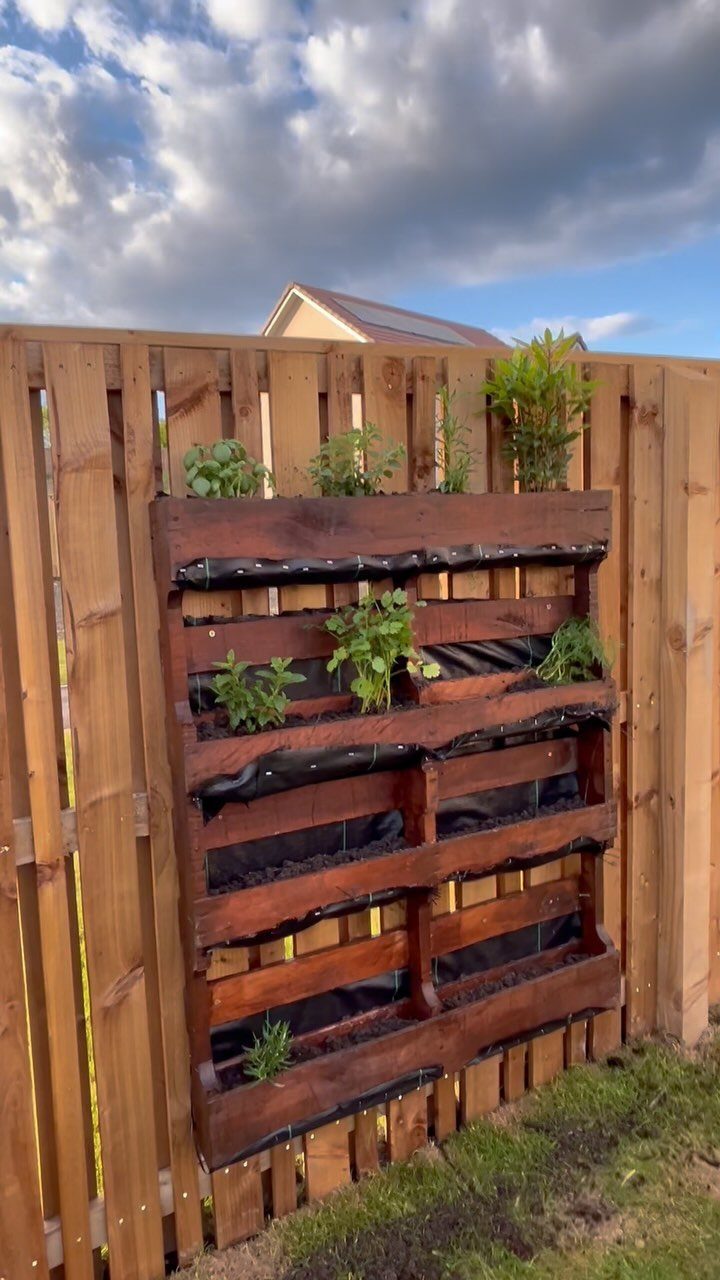
A shipping pallet becomes a wall of narrow planting beds once you stand it upright and give the slats something to hold soil in.
Nail scrap boards across the back of some rows, leave others open for drainage, and mount the whole thing to a fence before you fill it; the weight gets real fast.
Herbs and leafy greens do best here, since their roots stay shallow and the soil volume stays small.
Water slowly if you skipped drainage holes; the wood holds moisture longer than it looks. I like the back-side version with rows running crosswise, though anything tall planted there fights for light.

Sturdy and Stable: The frame of the vertical garden planter is made of high-quality metal material to create a more stable growing environment for your plants. The drainage hole at the bottom can drain excess water to ensure the soil can breathe.

【Material Description】The vertical raised garden bed consists of a sturdy metal frame and 3 plastic boxes (Dimension: 16.8 x 7 x 5.5 inches). It is lightweight, rust-resistant, and easy to move, making it a great choice for both indoor and outdoor use.
2. Trellis
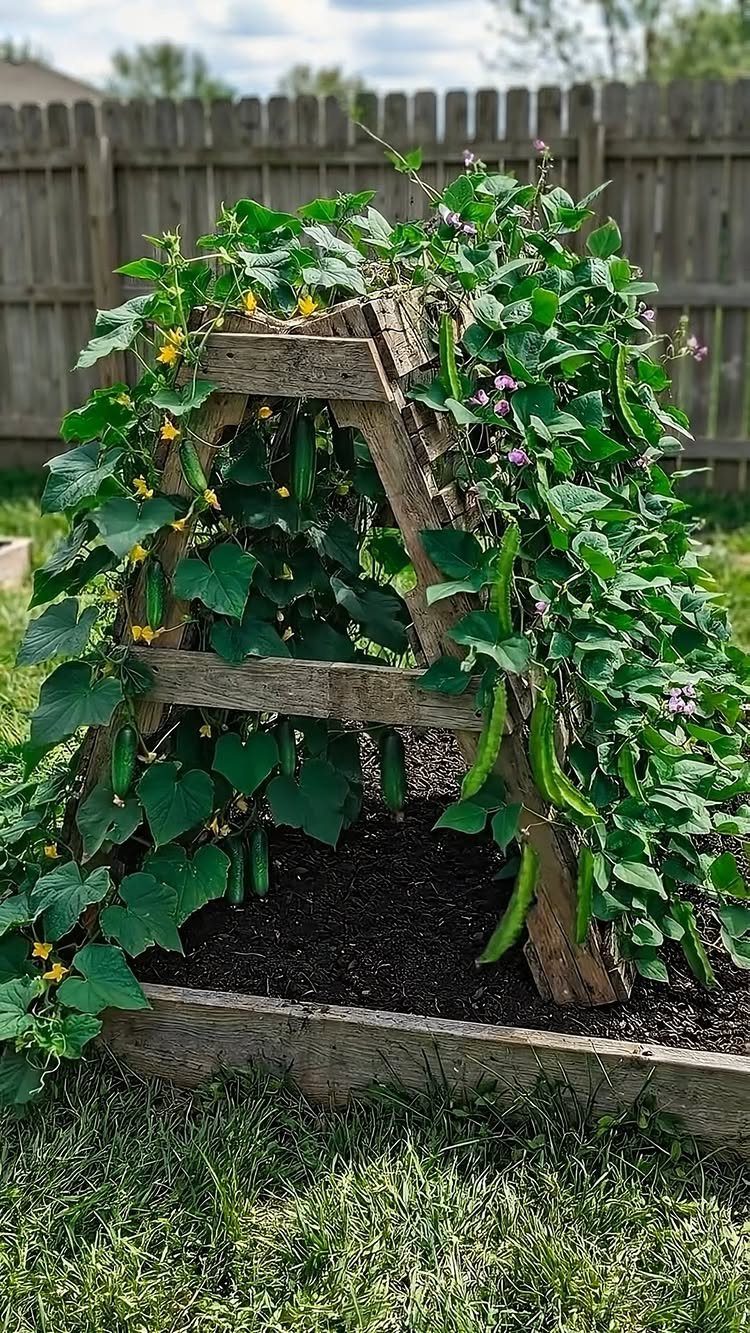
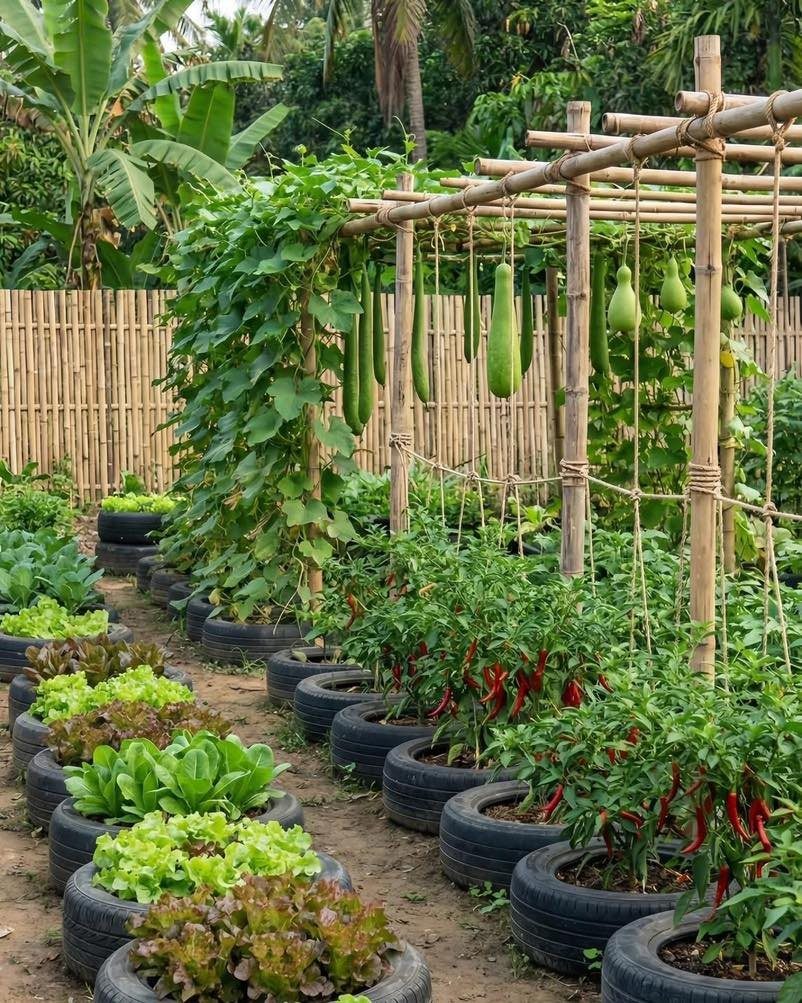
Vine vegetables left on the ground sprawl, rot, and hide their fruit.
A simple A-frame of 2 x 4s and hardware cloth lifts them into air where you can see and pick. Set the legs into a raised bed or mound soil at the base for beans, cucumbers, peas, or summer squash.
Sink posts 24 inches deep if you are growing anything heavy; a small pumpkin loaded with water weighs more than you would guess.
Shade is the downside: place the trellis on the north side of your plot so it does not steal afternoon sun from lower plants.

【Package included】: This Trellis for Climbing Plants Outdoor comes complete with everything you need to get started: 17pcs metal stakes, 8pcs stainless wire connect pipe, 2 A-shaped connectors, and a 0.9x1.8meter Bird net.

【Multi-Function】 Tall Tomato Cage-Each tomato cage can be adjusted from 16inches to 47 inches in height,suit for different growth stages of plants, offering versatile supports for a wide variety of tomato plants, ensuring they grow tall and strong.

【Advantages of cucumber trellises】Heavy Duty Rustproof Garden Trellis, No assembly required, Ready to use right out of the box
3. Tower Gardens
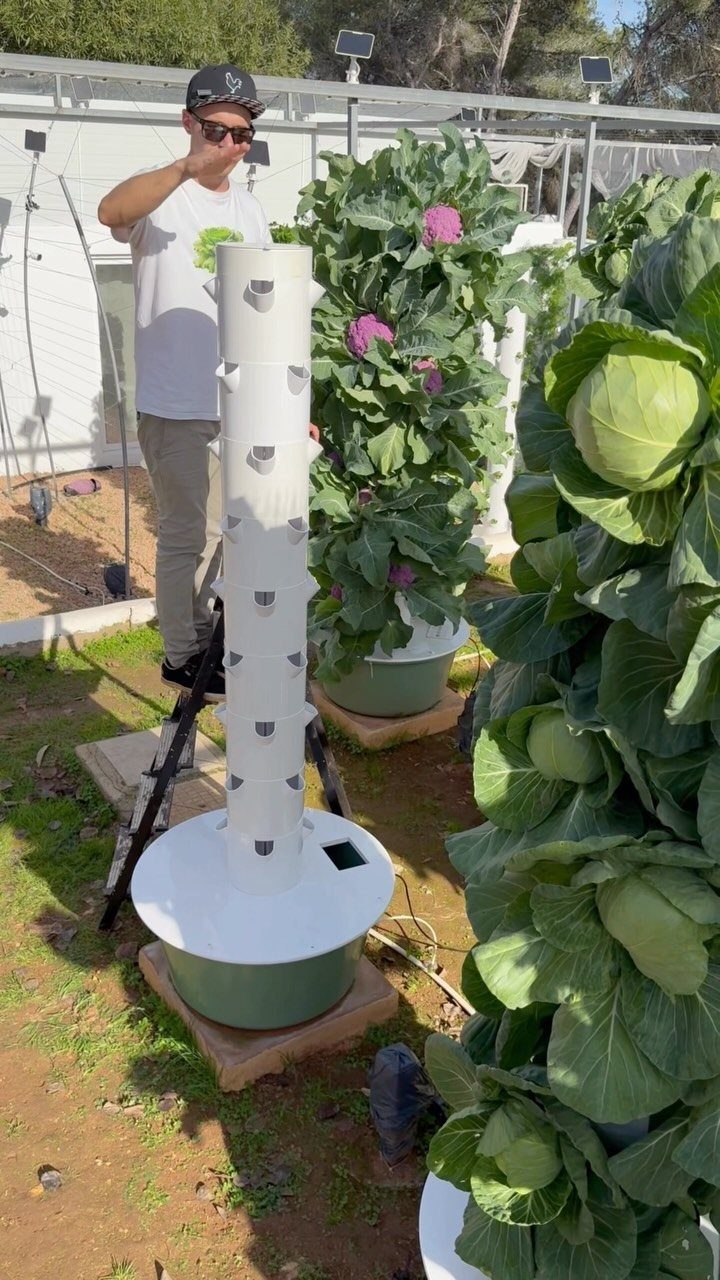
Stacked pots shrink a whole garden into the footprint of one plant on the ground. Garden centers sell tower forms, or you can build your own with graduated containers and a central rod for stability.
Each level gets its own soil and its own crop, so you can run lettuce above and root vegetables below, matching sun needs to the exposure each tier gets.
Pre-made towers with built-in watering channels save daily work. One commercial version grows plants in rockwool, a spun basalt fiber, fed by a pumped mineral solution; no soil, less mess, and a steeper price.

Space-Saving : This strawberry planter maximizes your gardening space by stacking 5 layers to grow more plants in a compact area. The strawberry tower planter is ideal for patios, balconies, or indoor use.

EASY MOVE - Comes with four high-weight-bearing wheels.

This kit comes with every HOME and FLEX system.
4. DIY Wall Garden
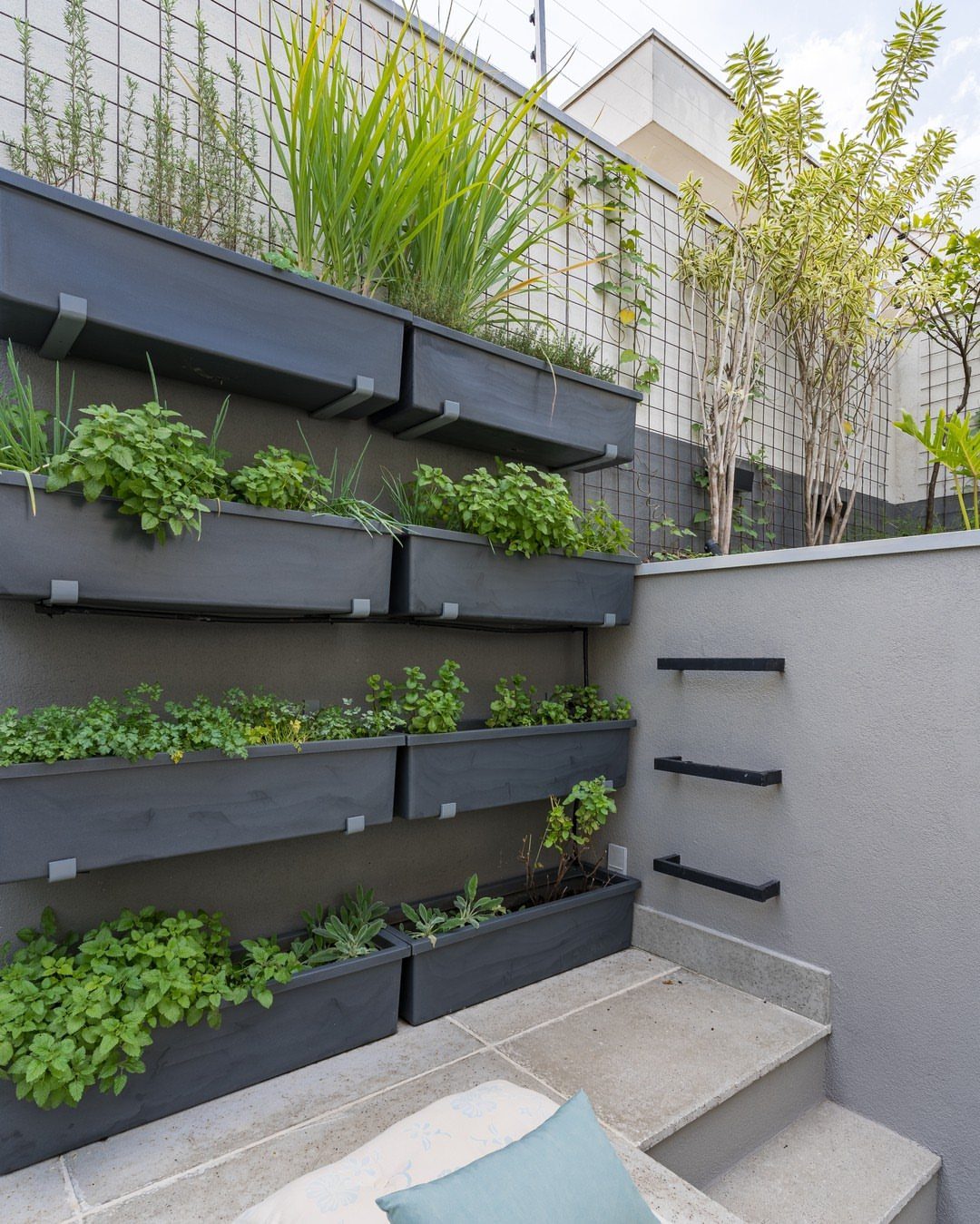
Any wall that gets sun can carry plants if you give it something to hold them. Rectangular planters in a single color, mounted in a loose grid, read as architecture instead of clutter.
Four-inch bins work for herbs and shallow-rooted greens; fill them directly or drop nursery pots onto the shelves. Terra-cotta, metal, or painted wood all work, though mixing textures needs a steady hand to avoid chaos.
I would keep the palette tight and let the leaf shapes do the variation. A kitchen wall near a window runs year-round; outside, check that your fasteners match the weight of wet soil.

VERSATILE PLANT DISPLAY: Elevate your living space with this adaptable wall-mounted pot organizer, ideal for showcasing small wall planters for indoor plants or outdoor flowers. Arrange the 6 individual pots and hooks to suit your decor and plant needs, creating a dynamic and personalized display.

3 PACK SET: Rectangular wall planters that can be arranged together or separately to create a beautiful, customized vertical garden display. Pick the right size for your plant to prevent unpleasant experience and potential wastage on resources. Flowers and Plants are NOT included.

Drainage & Root-Friendly Design: Each planter includes a drainage grid that keeps soil elevated while excess water drips into the bottom space, plus a drainage hole for airflow and easy water release to support healthier root conditions
5. Vertical Cinder Block Garden
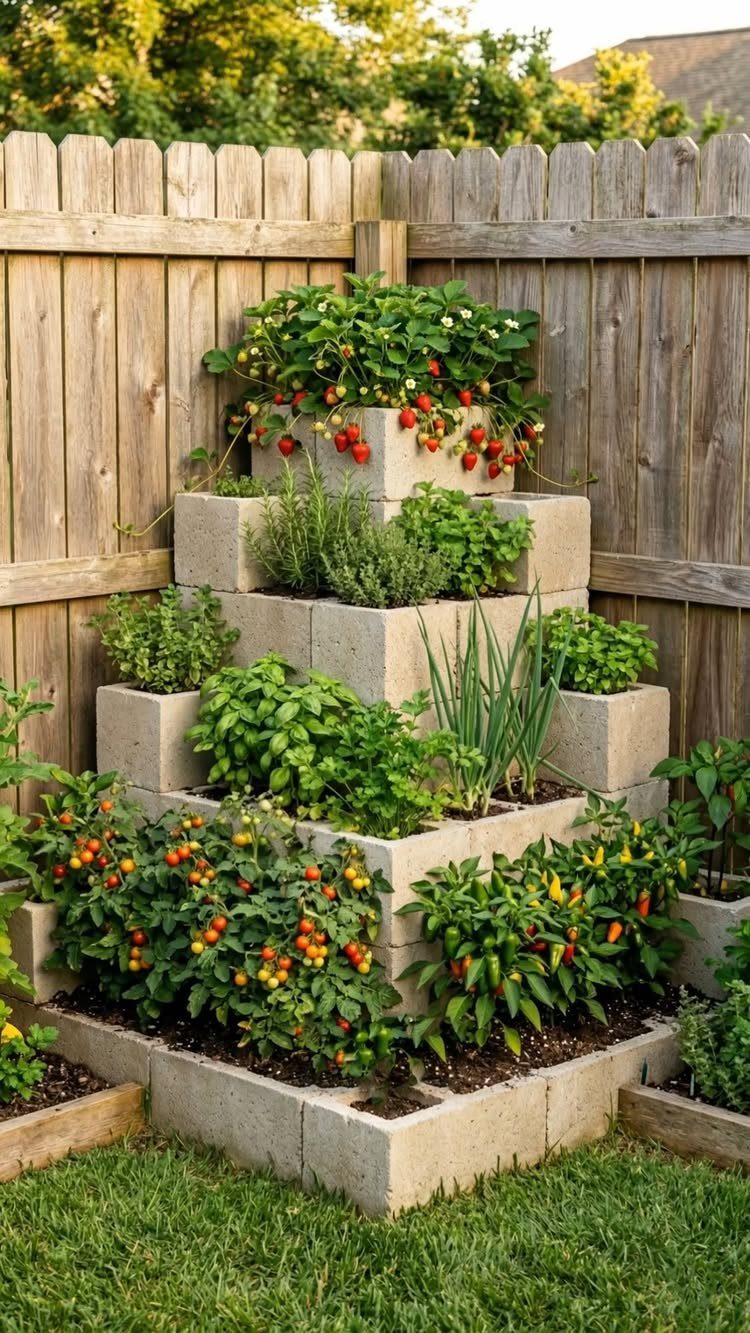
Cinder blocks stack into steps, walls, or towers without cutting or hardware, and every hole is a planter waiting for soil.
A corner stack against a fence puts strawberries in the top holes, tomatoes and peppers in the middle rows, and herbs in whatever gaps stay damp enough.
The blocks hold heat, which extends the season in cool climates and risks cooked roots where summers run hot.
You can drop a smaller block or a wood scrap into larger holes to support the next tier up, or leave them open for deeper-rooted plants.
Paint the exterior if raw concrete offends you; leave the inside bare so nothing leaches into the soil.
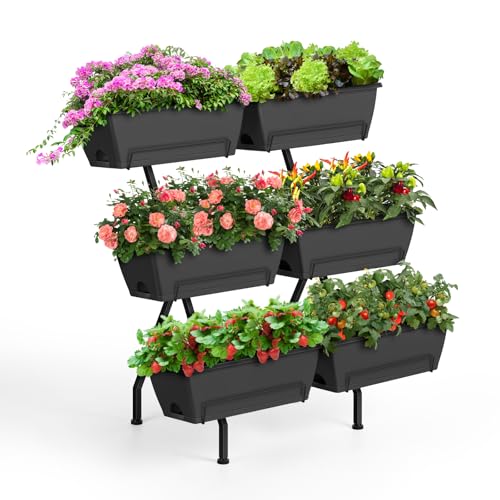
【Space-Saving Vertical Garden System】 Six stackable planters transform tight spaces into lush gardens – perfect for urban balconies, small patios, or indoor greenery. Strategically alternate herbs, flowers and vegetables across tiers to create your perfect mini ecosystem.

Space-Saving Vertical Gardening: Maximize your growing potential with staggered tiered planting! By smartly utilizing vertical space through height-varied layers, this planter lets you grow more plants while saving precious floor space—good for compact balconies, cozy patios, or tight indoor corners.

High-quality Product: Thick, high-quality PP materials can be used repeatedly without fading, not easy to crack even in summer; Suitable for garden or indoor use
6. Vertical Herb Garden
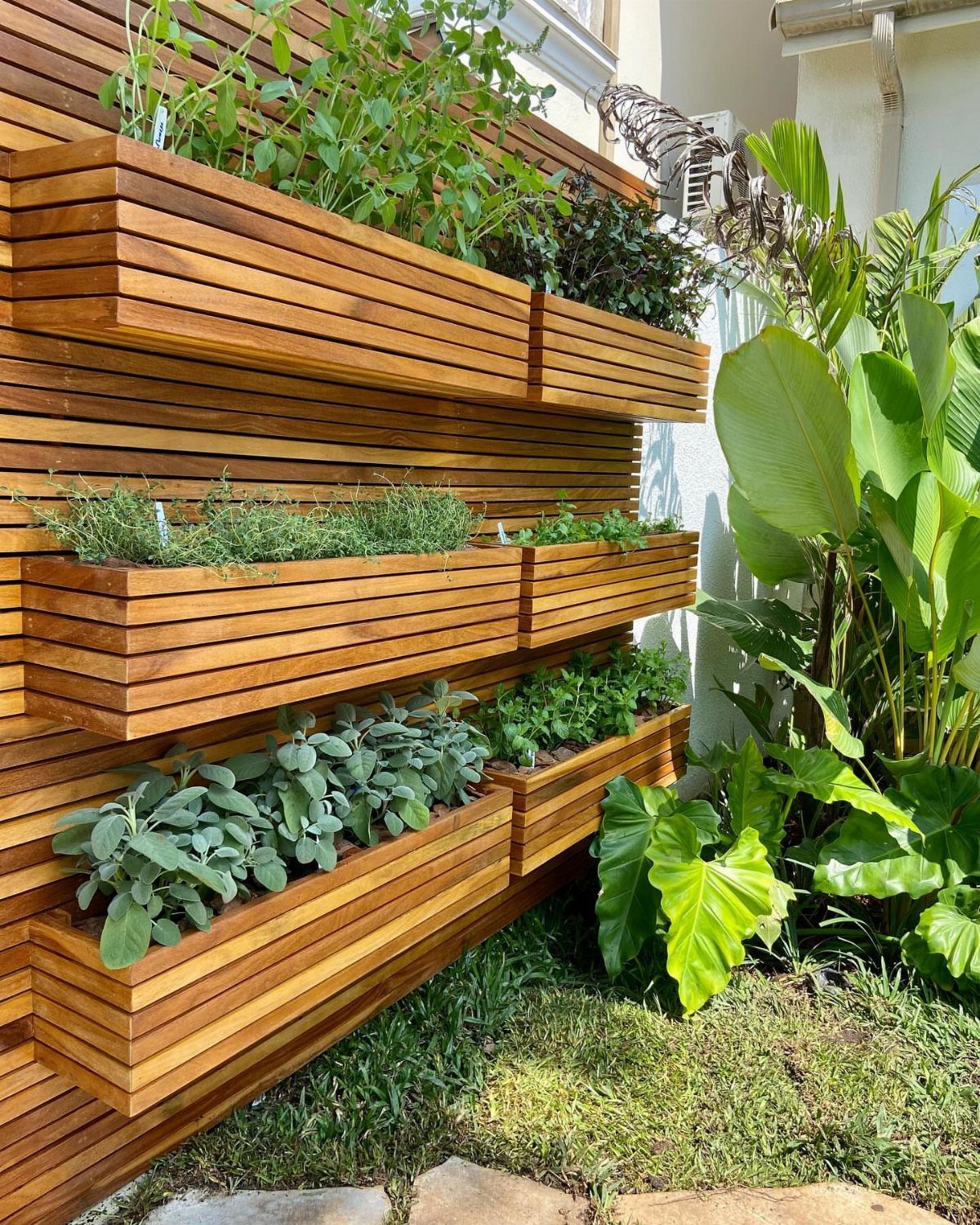
Herbs reward being kept close to where you cook. A wall of shallow boxes, each one a different variety, puts thyme and sage at arm’s reach from the cutting board.
Basil wants water and sun; cilantro does best in rotation, sown fresh every few weeks; parsley runs 2 years before it turns to seed.
Mint needs its own box or it will overrun the neighbors. The weight of soil, water, and mature plants adds up fast, so check your wall and your fasteners before you load them.
Indoors, a bright window keeps the garden alive through winter; outdoors, morning sun and afternoon shade stretches the season.

【Automatic Watering System】: This vertical garden planter has an automatic watering pot that will automatically water the plants every few days, saving you the hassle of daily watering and saving time. Also a thoughtful gift for busy people or working moms.


4 Tiered Hanging Herb Garden Set: the package includes 1 piece of 4 tiered hanging vertical planter shelf, suitable for decorating kitchens, living rooms, offices, balconies and other places, and 16 pieces of plants pots, ideal for growing herbs, cacti, and so on; Please note that we provide you with non marking nails and hooks for easy hanging
7. A-Frame PVC Pipe Garden
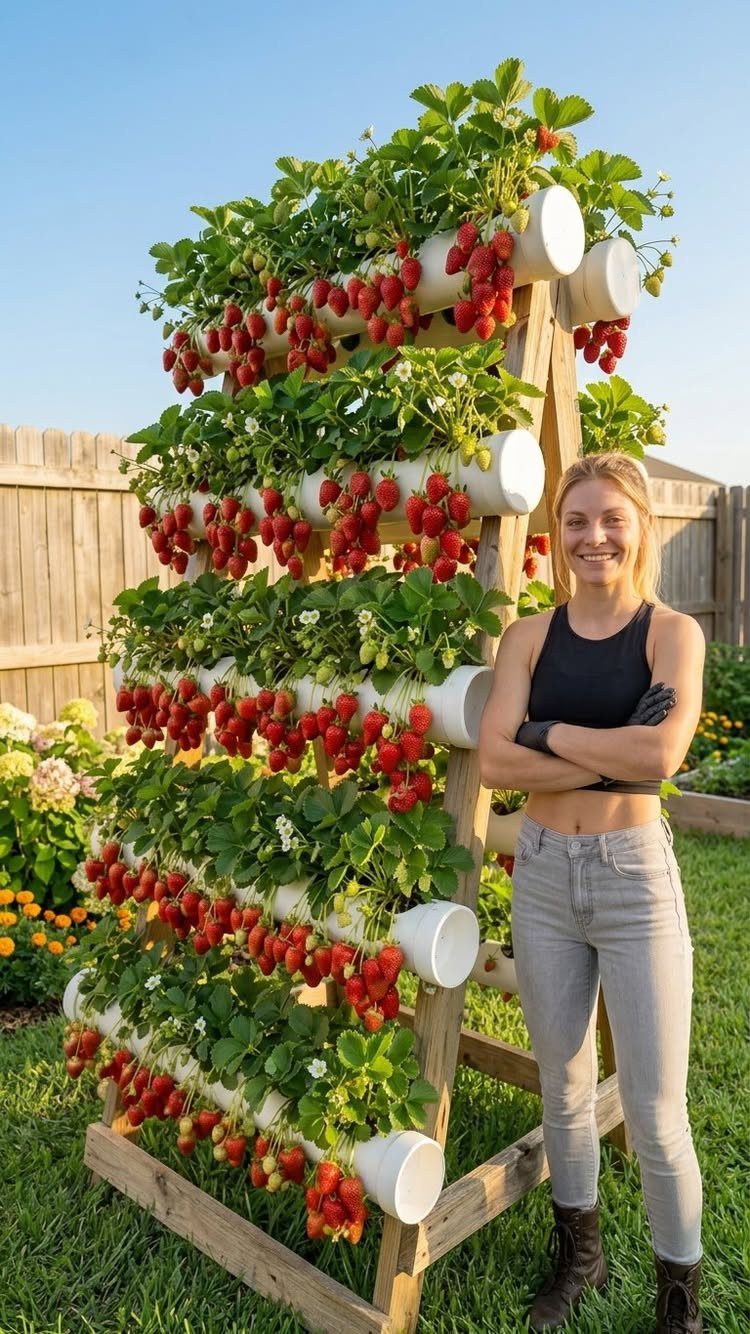
PVC pipe cut lengthwise and capped at the ends turns into a row of narrow planting troughs, each one slotted into the rungs of a wooden A-frame.
Strawberries trail over the edges, their shallow roots happy in the thin soil column.
The pipes keep soil off the wood and drain through holes you drill every few inches. A pipe that size gives enough depth for greens; anything larger wants more support than the frame looks built for.
Check that your pipe is food-safe, not the gray electrical kind, and mount the frame to posts if your yard sees wind.

【Rust-Resistant Material】: Cucumber trellis is constructed with high-quality galvanized steel inner pipes and an exterior plastic coating, forming a dual-layer rust-proof barrier to ensure long-lasting durability

VERSATILE 17"-50" ADJUSTABLE HEIGHT :Stop buying multiple supports for different seasons! Our modular A-Frame trellis easily adjusts from 17" for young seedlings to a towering 50" for mature climbers. Whether you’re planting in raised beds, large containers, or open soil, this trellis provides the perfect tailored support for cucumbers, peas, beans, and flowering vines throughout their entire growth cycle
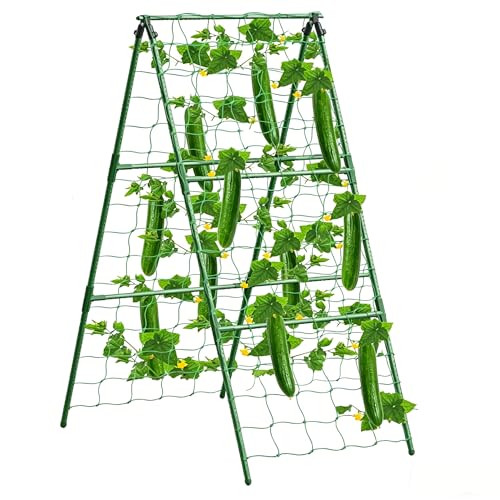
【Package included】:This Trellis for Climbing Plants Outdoor comes complete with everything you need to get started: 17pcs metal stakes, 8pcs T shape connect pipe, 2 A-shaped connectors, and a 0.9x1.8meter plant net.
8. Multi-Tier Wooden Planter Stand
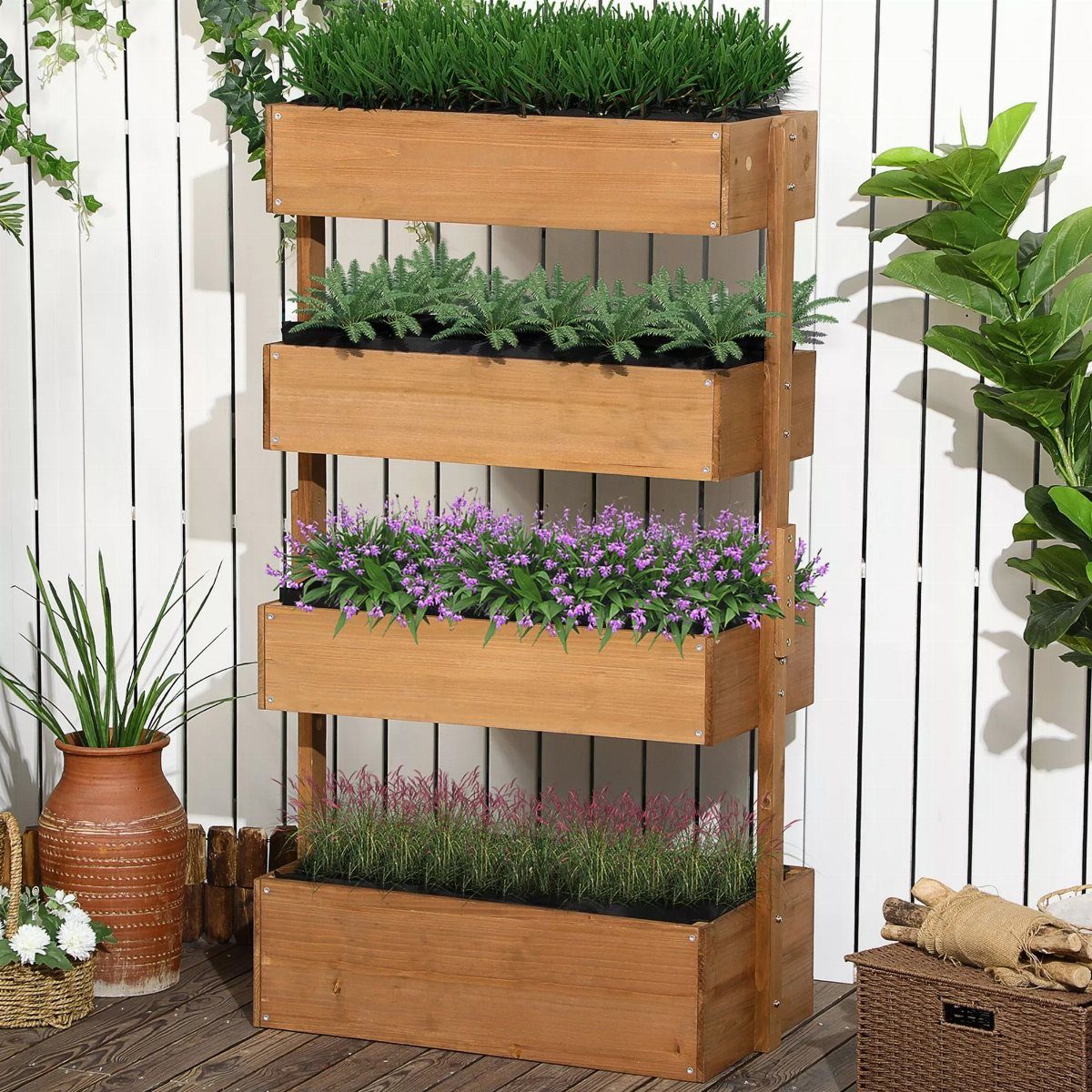
Set the deepest box at the bottom; it holds the most soil, the most water, and the heaviest roots.
Casters underneath let you roll the whole stand to chase the sun or retreat from frost. Indoors, this same shape fits a bright corner and reads as furniture.

【Smart Top to Bottom Watering & Nutrient Circulation】The timed pump delivers water from the top down through all 14 layers, ensuring every plant receives consistent moisture and nutrients. Unlike drip systems that clog, this flow design minimizes waste and prevents dry spots—so your tower garden thrives with less effort.

Create a Stunning Vertical Garden with our Stackable Planters - The 5 Tiered Stackable Planters to The Height You Desire, Saving The Space to The Most.
9. Fence-Mounted Planter Boxes
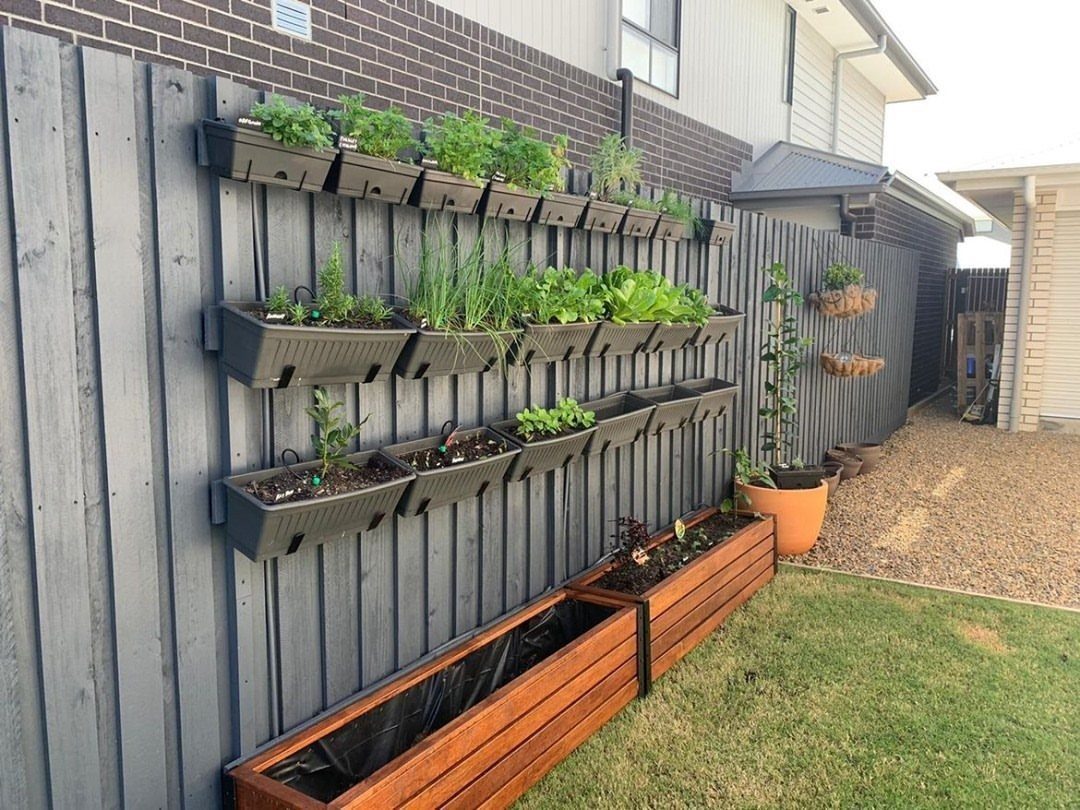
Rectangular boxes bolted straight to a fence turn blank wood into a grid of planting beds. Rows of them in a single color mount at staggered heights so each box still catches light.
Plywood builds the box; a hardwood face, like ipe, survives weather longer than the fence itself. Size matters: 1.5 feet deep and 2 feet wide holds tomatoes or a small pepper bush, while anything narrower stays shallow-rooted.
Lag bolts into fence posts, not rails, carry the load of wet soil. Leave a gap behind for air, or the fence boards will rot where water collects.

Transform Your Outdoor Wall Decor with this sleek metal planter measuring 16x5.1x5.1 inches! Crafted from rust-resistant metal, it thrives in rain or shine, making it perfect for wall planters for outdoor plants. Dual wall mount and hook mount options let you style patios, balconies, or indoor herb gardens effortlessly.

Innovative Space-saving Design: maximize your gardening potential with our stackable wall planter system; Each piece measures 9.45" x 5.71" x 5.51" and features two pockets, The overall dimensions are 47.5"x33"x5.5" offering ample growth space for a variety of plants; Nice for Fence Balcony Wall Decor, these vertical wall planters change limited spaces into gardens effortlessly

Design: Wall mounted flower pots are suitable for indoor and outdoor decoration or office walls, saving space. It is also suitable for indoor plant wall pots and vertical wall flower pots
10. Plastic Barrel Planter Tower
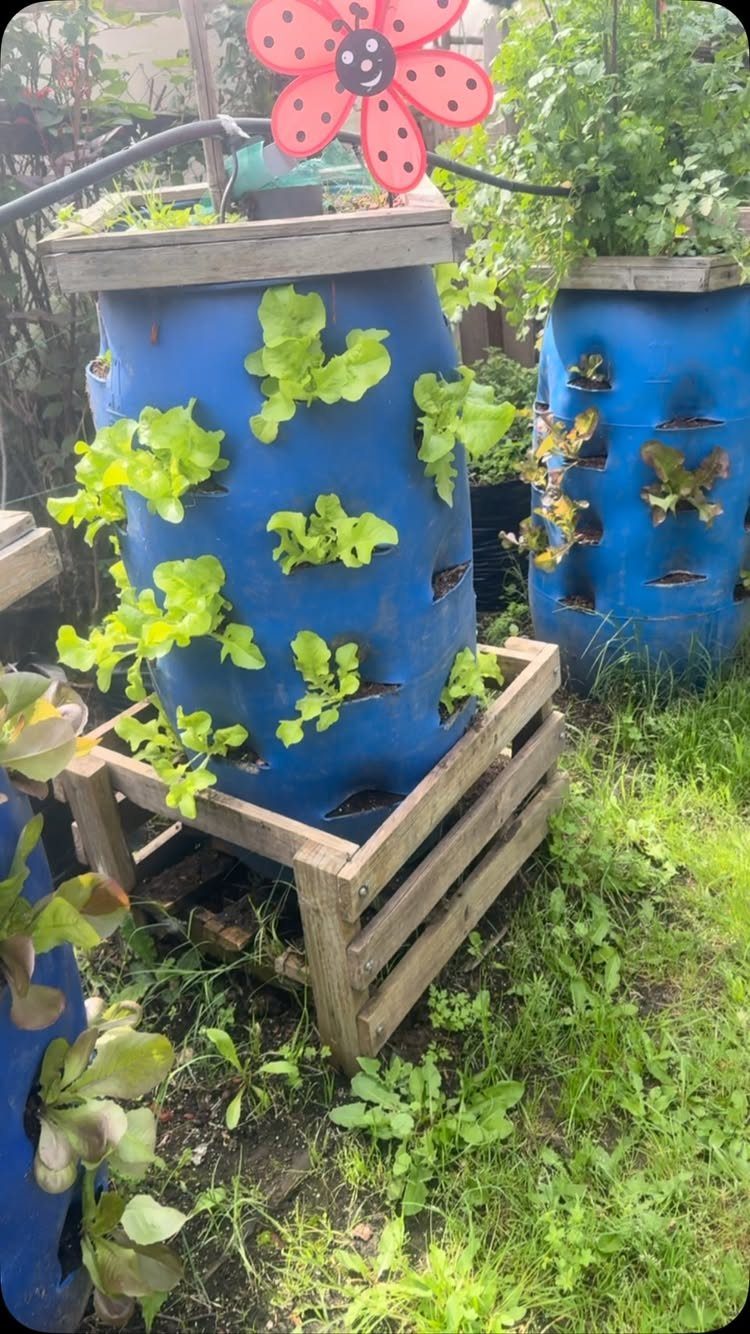
A 55-gallon barrel standing upright, holes cut in a spiral up the face, becomes a column of lettuce pockets.
The blue plastic is the food-grade kind, not the kind that held chemicals; check the recycling triangle for a 2 before you cut. A wooden base keeps the barrel from rolling and lifts the bottom holes off the ground.
Drill drainage at the lowest point or the bottom plants sit in water. One barrel holds more plants than it looks like it should, but reaching the top holes takes a step stool.
11. Recycled Plastic Bottle Planters
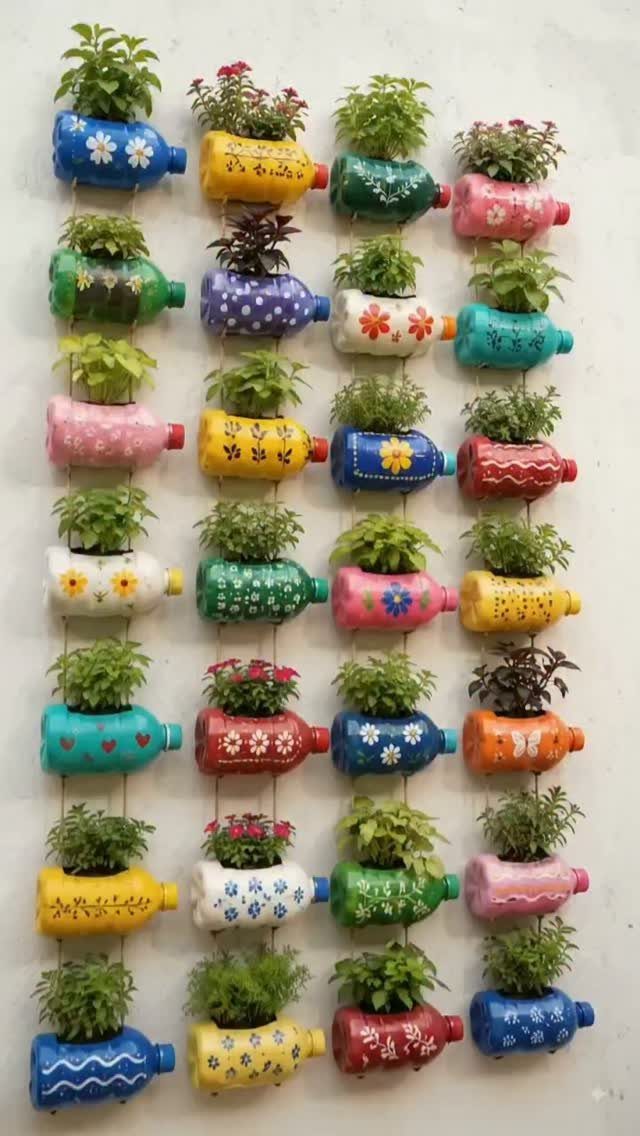
Plastic soda bottles, cut open on the side and painted, screw or wire to a wall in columns. Bright with hand-painted color, each one holds a single small plant.
Drainage holes in the bottom are non-negotiable; without them, the neck of the bottle traps water and roots rot in days. Uniform bottles read as pattern; mixed sizes read as clutter unless that is your aim.
This is the lowest-cost entry on the list, nearly free if you already drink the contents. The plastic will degrade in UV after a season or two, so plan on replacement rather than permanence.
12. Hanging Fabric Pocket Planters
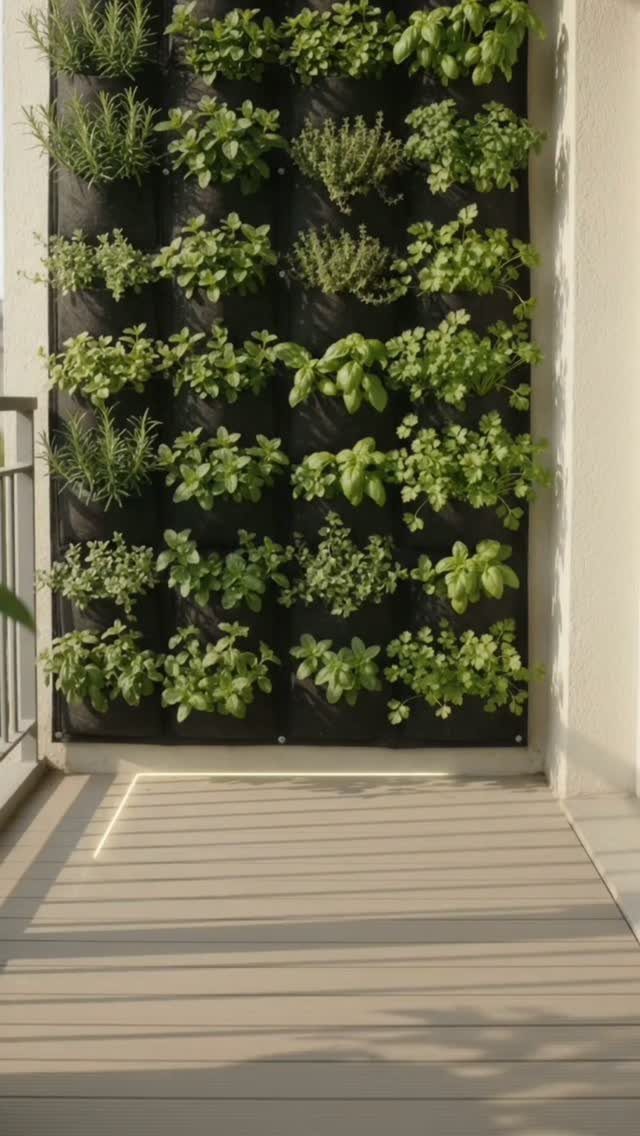
Fabric pockets hung in rows against a wall hold soil and roots while water drains through the weave.
The black felt is the heavy-duty kind sold for gardening, not a shoe organizer, though canvas organizers with drainage holes poked through work in a pinch.
Breathable fabric keeps roots from drowning but dries fast in sun; check daily in July.
Herbs and shallow greens suit the pocket depth; a tomato will topple the whole panel when it fruits. Mount the top grommets to solid structure, not siding, and expect the fabric to stain where soil touches.
Benefits of Vertical Gardening
Vertical gardening buys you back the floor.
A wall-mounted system leaves ground space open for seating, storage, or plants that have to spread. Tall freestanding frames double as privacy screens where no fence exists, and a bare siding turns into something alive that blocks an ugly view.
Growing at shoulder height or above means planting, checking, and harvesting without bending.
That matters more with each season, and it keeps the work from becoming a chore you skip. Air moves better around elevated soil, so leaves dry faster after rain and roots stay out of the standing water that breeds rot.
The same airflow cuts down on soil-borne disease and the fungi that thrive in crowded, humid ground beds. You still get pests, but the problems start smaller and spread slower.
Maintenance Tips for Vertical Gardens
Water on a schedule that matches the plant, not the calendar.
Vegetables and flowers in vertical containers often need daily water in summer; succulents want to dry between drinks. Liquid fertilizer mixed into every watering feeds in low, steady doses rather than shocks.
Check pockets, pipes, and boxes for drainage that has clogged. Without an exit, water pools at the lowest point and roots suffocate.
Powdery mildew and aphids still find their way up to wall-mounted planters, so I check the undersides of leaves about once a week during humid stretches.
Neem oil handles both if you catch them early. Inspect wood, fabric, and plastic for rot or UV damage before winter, and move what you can to shelter.
As vertical growth fills in, it throws shade below.
DIY Vertical Gardening Materials
Pallets start free if you source clean shipping castoffs, though HT-stamped heat-treated wood is the only kind that belongs near food.
Stand one on end, nail scrap boards across slat backs to hold soil, and mount before you fill; wet dirt weighs more than the frame looks built for.
Recycled gutters screw to a wall in rows for a narrow planter with built-in length.
Drill drainage holes every few inches, and check that the metal or plastic is rated for food contact; some PVC contains lead that migrates into soil.
PVC pipe towers are cheap and easy to cut, but they last a season or two in UV before brittling.
Food-grade 55-gallon barrels, the blue kind marked recycling code 2, become spiral towers with a jigsaw and patience.
Frequently Asked Questions
What crops can you grow vertically?
Vining vegetables like tomatoes, cucumbers, beans, peas, and summer squash climb naturally once you give them a trellis or fence.
Leafy greens, herbs, and strawberries work in shallower soil on walls, in pallets, or in pocket planters where their roots do not need much depth.
Root vegetables can go in the deeper tiers of a tower or the bottom boxes of a multi-tier stand.
Can you grow vegetables in an elevated garden bed?
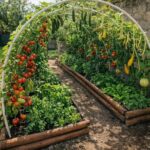
Yes. A raised bed with a trellis mounted into it is one of the simplest vertical setups.
The bed holds the soil for the roots while the frame lifts vines into the air where the fruit stays clean and easy to pick.
For tomatoes or any heavy vine, the trellis posts need to go down two feet or the weight will pull them over by August.
Are vertical gardens suitable for indoors?
Yes. A wall of shallow planters near a bright window keeps herbs alive through winter, and a multi-tier wooden stand on casters rolls into a sunny corner and reads as furniture.
Check that your wall and fasteners can handle the weight of wet soil before you load them up.