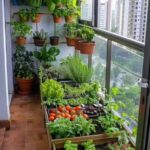
These ideas run from a Saturday and the cost of a nice dinner out to structures like pergolas and fenced enclosures that take more lumber and more time.
What fits your space depends on whether you are working a balcony, a front yard with an association to check, or a back plot with room for raised beds, rows, or a full fenced enclosure.
Cedar boards and corner posts make a solid raised bed you can knock out in a weekend, and the same material works for fences, pergolas, and frames to hold wire mesh for climbing cucumbers.
[link-whisper-related-posts]1. Raised Bed Gardening
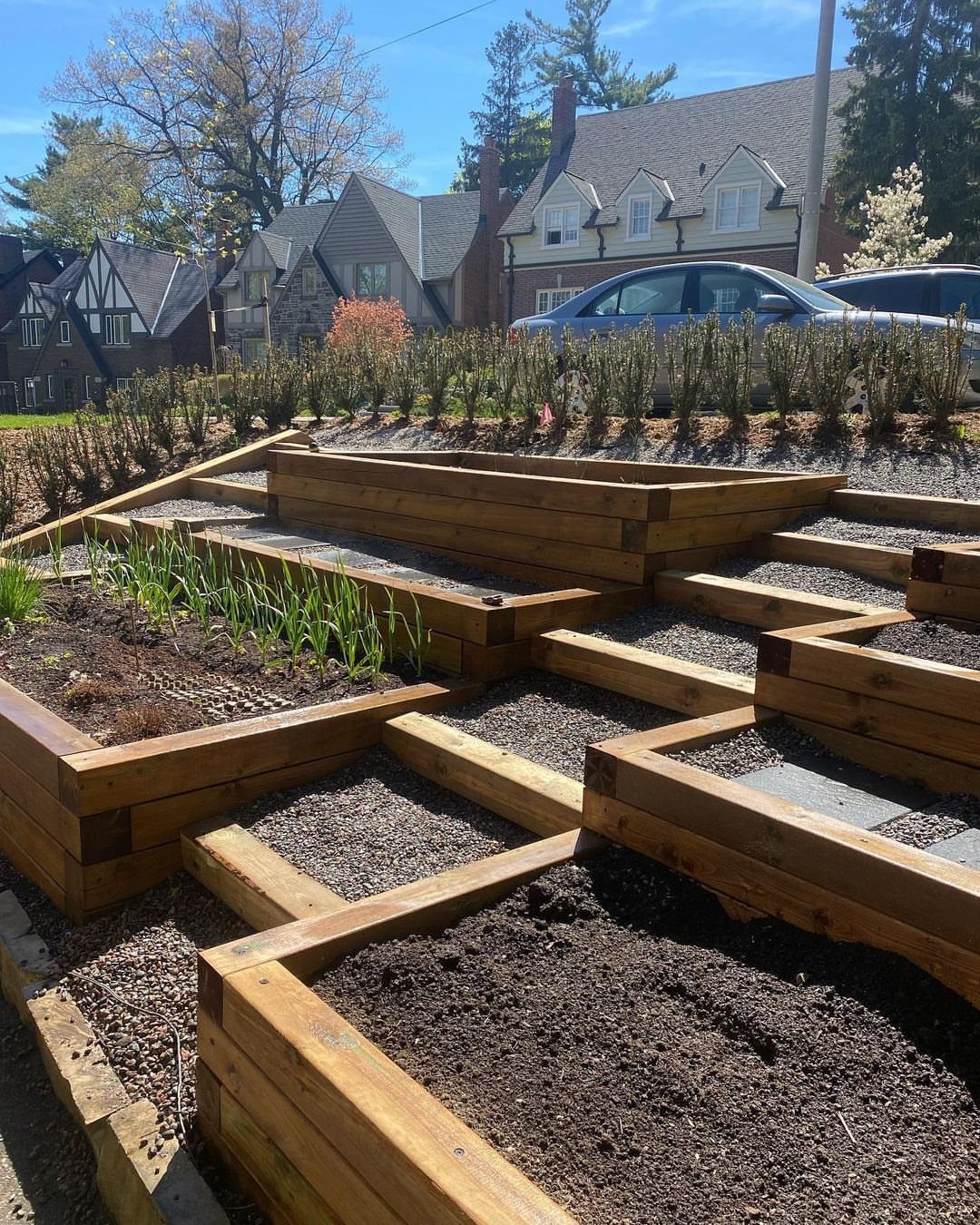
Raised beds give you control over soil quality in spaces where the ground is compacted, rocky, or just tired from years of lawn. Wood is the common choice, though composite and metal last longer and cost more up front.
One long bed uses less material than several short ones with the same total growing area, and you still reach every plant without stepping on the soil.
I built mine in a single Saturday with cedar boards and corner posts from a home center; lumber for a modest bed ran me what I’d spend on a nice dinner out.
A foot of height is enough for most vegetables; root crops like carrots want more if your native soil is heavy clay.

Elevate Your Garden - Opt for a brilliantly engineered raised garden bed to revolutionize your gardening. Its spacious design, measuring 48x24x30 inches, allows for the cultivation of multiple vegetable varieties alongside a plethora of herbs, optimizing your gardening space for ease and diversity.
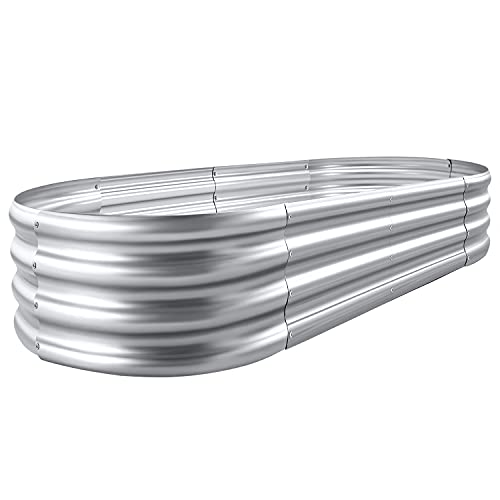
Each raised metal garden bed size: 4×2×1ft ,7.14Cu

SPACIOUS GROWING SPACE WITH EXTRA PLANTING DEPTH:Measuring 91.5" L × 47.3" W × 22.06" H, this galvanized raised garden bed holds approximately 412 gallons of soil, providing generous planting space and extra depth for vegetables, herbs, flowers and fruits. The spacious design allows roots to grow naturally while supporting tomatoes, peppers, cucumbers, broccoli, beans, lettuce, carrots, potatoes and other popular garden plants. Ideal for backyard gardening, raised vegetable gardens and outdoor planter box projects.
2. Pathways Between Beds
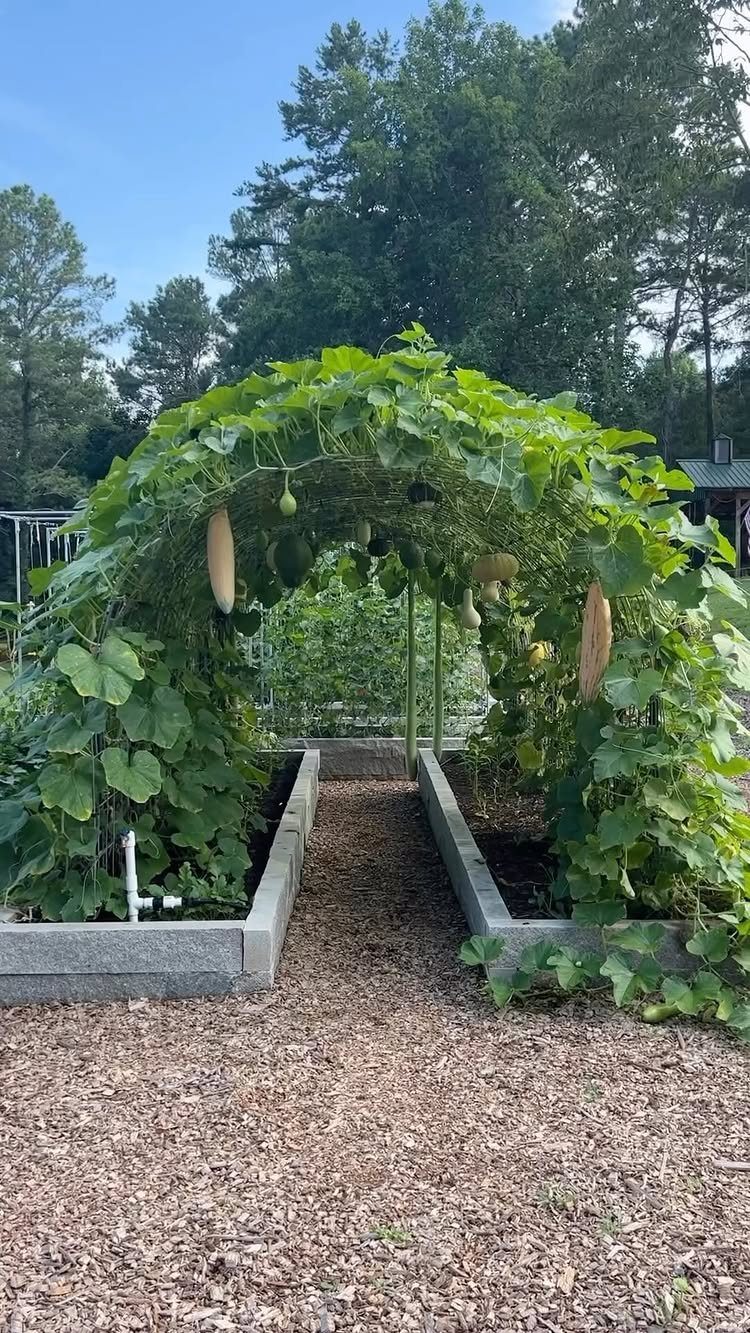
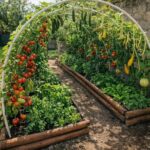
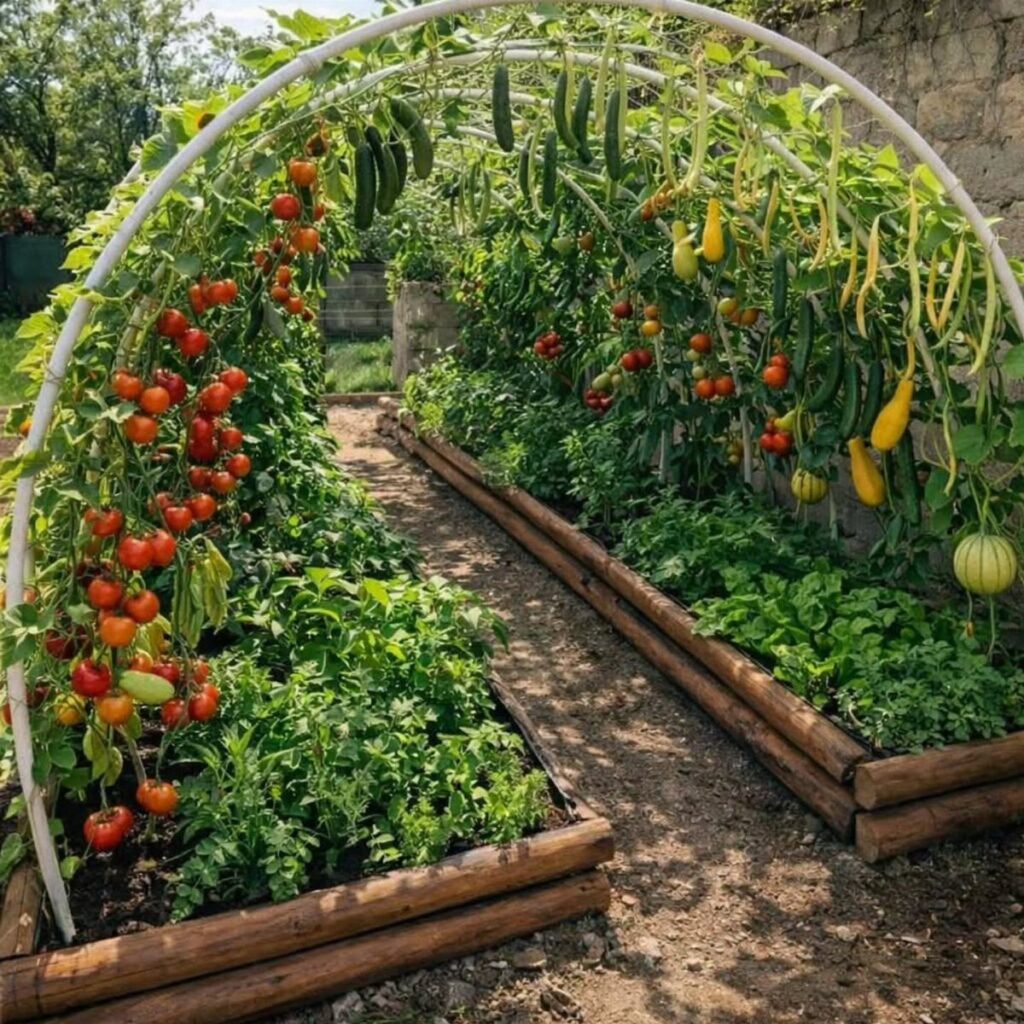
Every path you build is space where nothing grows, so the layout matters as much as the beds themselves. Wood chips are cheap and soften underfoot; gravel drains faster but shifts and needs edging; pavers cost more and last longest.
A path that dead-ends partway into a bed, rather than running the full length, can add several square feet of growing space in a small yard.
The arch of squash vines between 2 beds turns that walking zone into something productive overhead. I lay cardboard under wood chips to suppress weeds for the first season, then refresh the chips yearly as they break down.
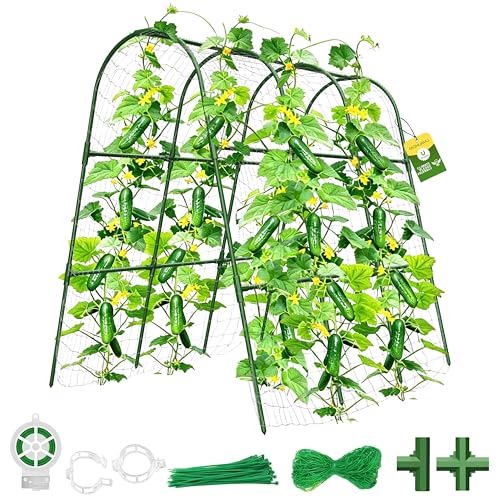
【U-Shape Stability Structure 】 U-frame trellis is more stable than A-frame trellis. Allowing you to plant a row on both sides. The arch design maximizes the garden space.

🥒U-shaped Garden Trellis - Compared with the traditional A-frame trellis, our U-frame trellis is more stable and offers better air circulation.The U-shaped cucumber trellis for garden provides climbing plants with a stable surface and maximizes the garden space,Providing an excellent growing environment for plants.

【U-Shape Stability Structure 】 U-frame trellis is more stable than A-frame trellis. Allowing you to plant a row on both sides. The arch design maximizes the garden space.
3. Vegetables in Pots
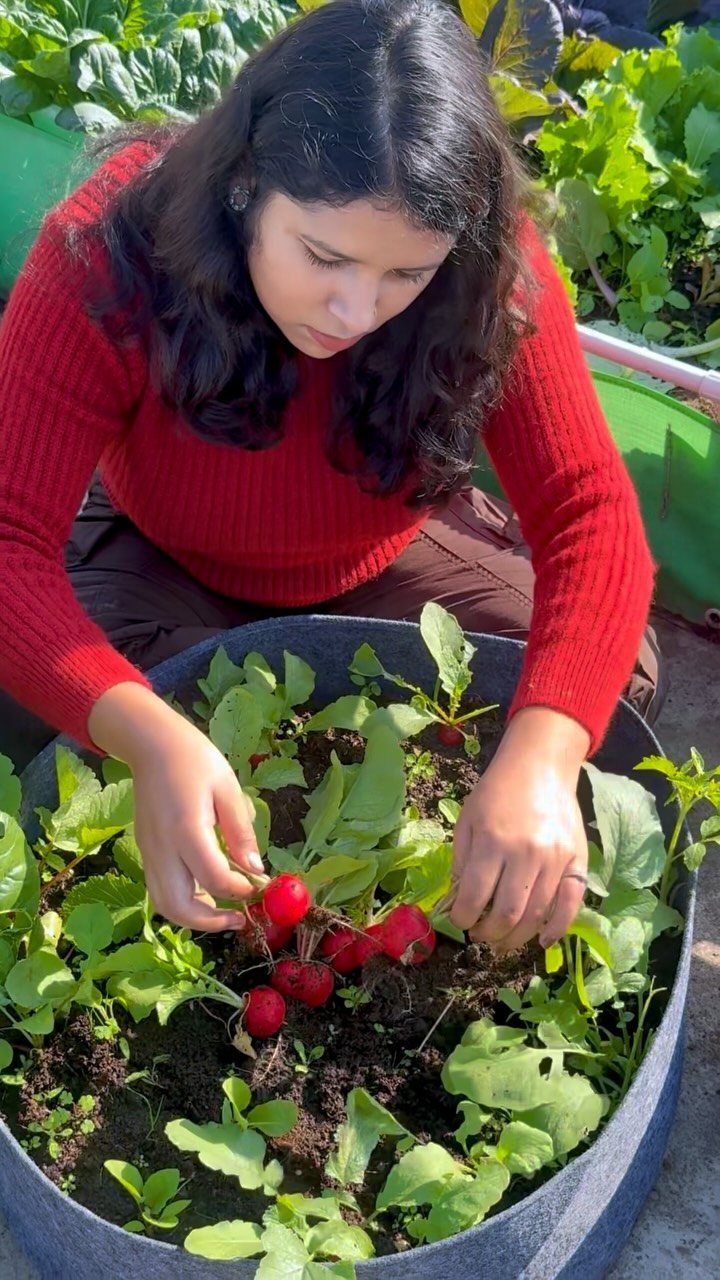
Pots move with the sun and come inside when frost threatens, which matters when your only sunny spot is a balcony or a driveway edge.
The container size dictates what thrives: cherry tomatoes need a pot with real depth and width, while chives manage in something much smaller.
Fabric grow bags are lighter than ceramic and fold flat for winter storage.
I use them for radishes and leafy greens because the porous sides prevent the root rot that plastic can invite in wet springs. Any container needs drainage holes; without them, even drought-tolerant vegetables drown.
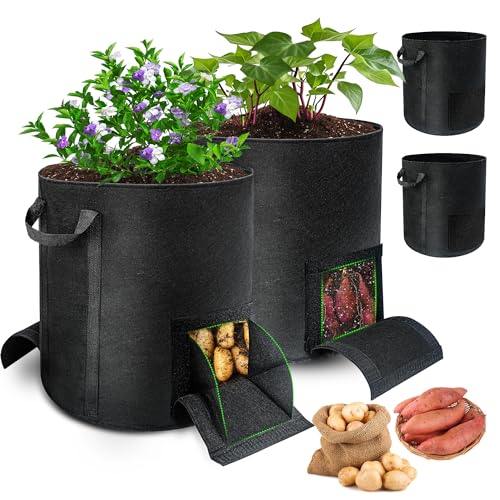
【Upgraded Dual-Window Design】The Downward-opening window keeps soil neatly contained while you pick ripe potatoes, and the clear observation window lets you check soil moisture and monitor ripeness at a glance.No digging, no mess - just easy, clean harvesting from your grow bags that keeps plants safe and healthy!

Sturdy & Garden-Ready Material: Made of 300g of thickened nonwoven fabric, these pots are moderately permeable, environmentally friendly, and BPA-free; Ideal for raised beds, patios, and outdoor gardens

Large Capacity Grow Bags : 5-pack 7 gallon multi-piece combination growing bags are perfect for meeting all your diverse planting needs simultaneously. You can use them to grow potatoes, vegetables, fruits, and flowers, accommodating a wide range of your gardening requirements
4. Vertical Gardening
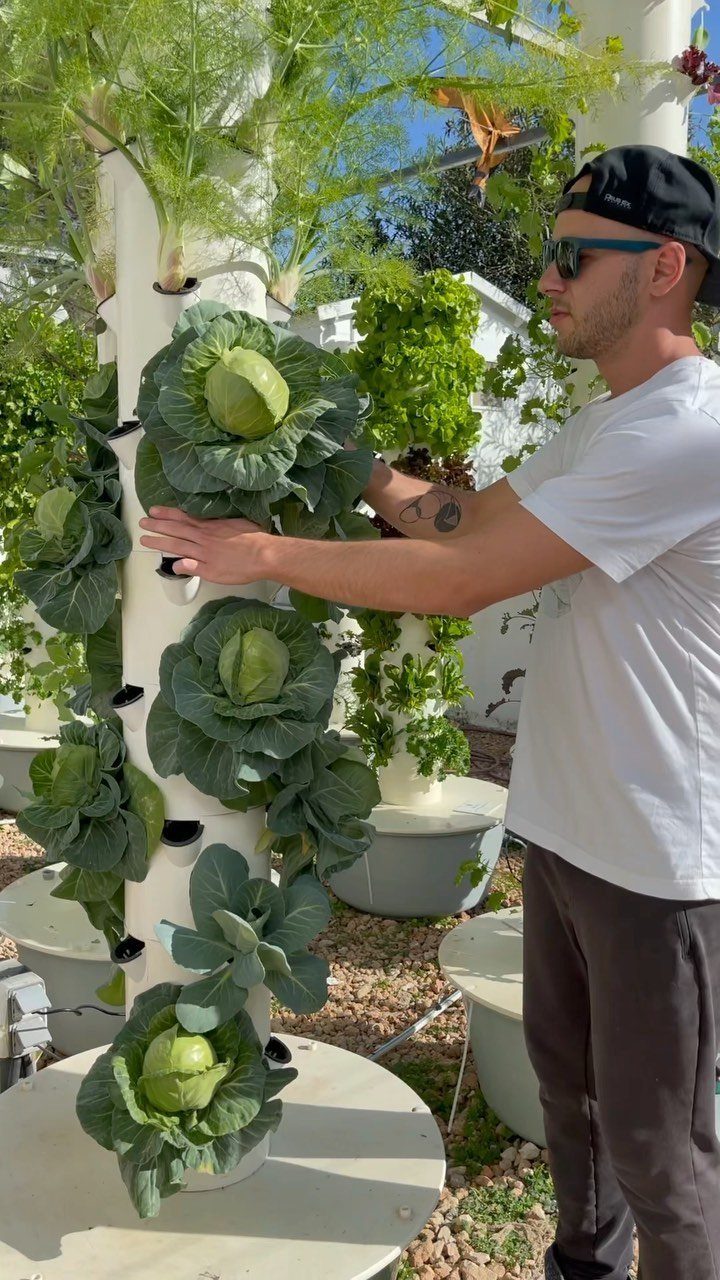
A bamboo A-frame wrapped with wire mesh lets cucumbers climb and leaves the ground beneath free for lettuce or spinach that tolerates partial shade. Beans, peas, and small melons work the same way.
Vertical systems suit tight budgets because the materials are often scrap or cheap hardware-store stock.
Some towers run on hydroponics, which trades soil for nutrient water and a pump; I have not tried that version and stick to soil in my frames.
On a balcony, rope or twine strung to a railing can guide climbing plants upward without any structure at all. Check that your wall or fence faces south or west for the full sun most vegetables demand.

【Smart Top to Bottom Watering & Nutrient Circulation】The timed pump delivers water from the top down through all 14 layers, ensuring every plant receives consistent moisture and nutrients. Unlike drip systems that clog, this flow design minimizes waste and prevents dry spots—so your tower garden thrives with less effort.

1.Water efficiency: Hydroponic systems recycle water, reducing the amount of water used compared to conventional farming. Tower systems, in particular, can recycle up to 98% of the water used.

High-Density 148-Pod Vertical Hydroponic System: WooRoot Max is a commercial-grade vertical hydroponic growing system with a 5-tier tower and 148 planting pods (76 seedling + 72 mature). It supports continuous year-round cultivation while maximizing yield in just 3.8 sq ft of floor space, equivalent to 150 sq ft of traditional farming. Ideal for home growers, restaurants, classrooms, makerspaces, and commercial indoor farming requiring scalable, space-efficient production
5. Plant Labels
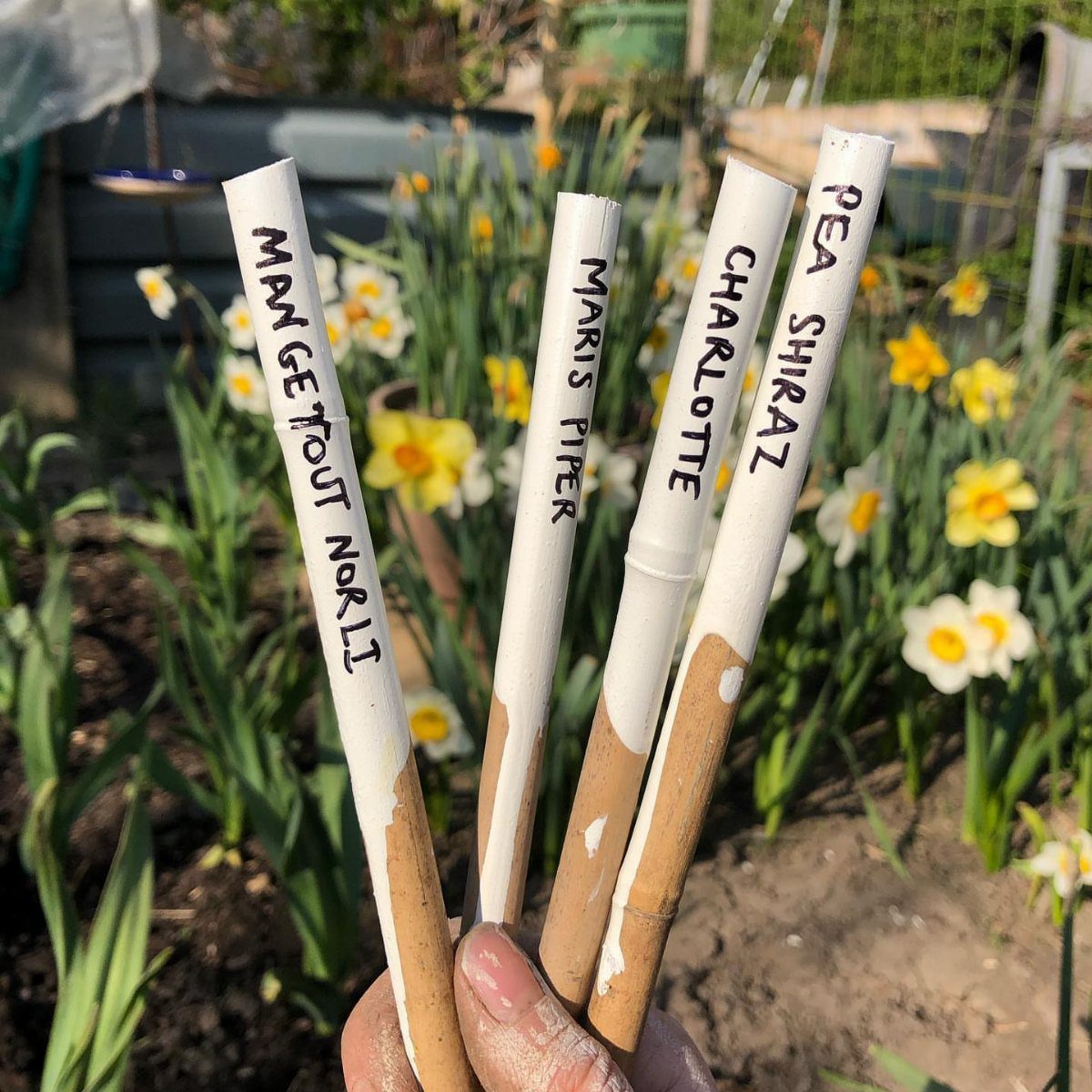
Bamboo canes painted and lettered by hand beat plastic tags that bleach to illegibility by August.
Labels that show variety names, not just "pea" or "potato," matter when you are growing several kinds of each and they mature at different rates.
Slate or sealed wood lasts longer than raw bamboo if your winters are wet. I write with a paint pen, not a Sharpie; the oil-based pigment survives rain where alcohol ink runs.
Decide before planting whether you need the label to state sowing date, days to maturity, or just the name; more words mean larger tags or smaller handwriting.

[Size & Capacity] Foldable pop-up design for compact storage and repeated seasonal use. Pops open instantly to 24 × 24 × 36 inches, offering generous inner space to accommodate multiple potted seedlings, strawberry bushes, tomato plants and leafy vegetables. The roomy interior avoids overcrowded growth and shields tender young sprouts from pecking and nibbling by birds and small outdoor creatures.
6. Front Yard Vegetable Garden
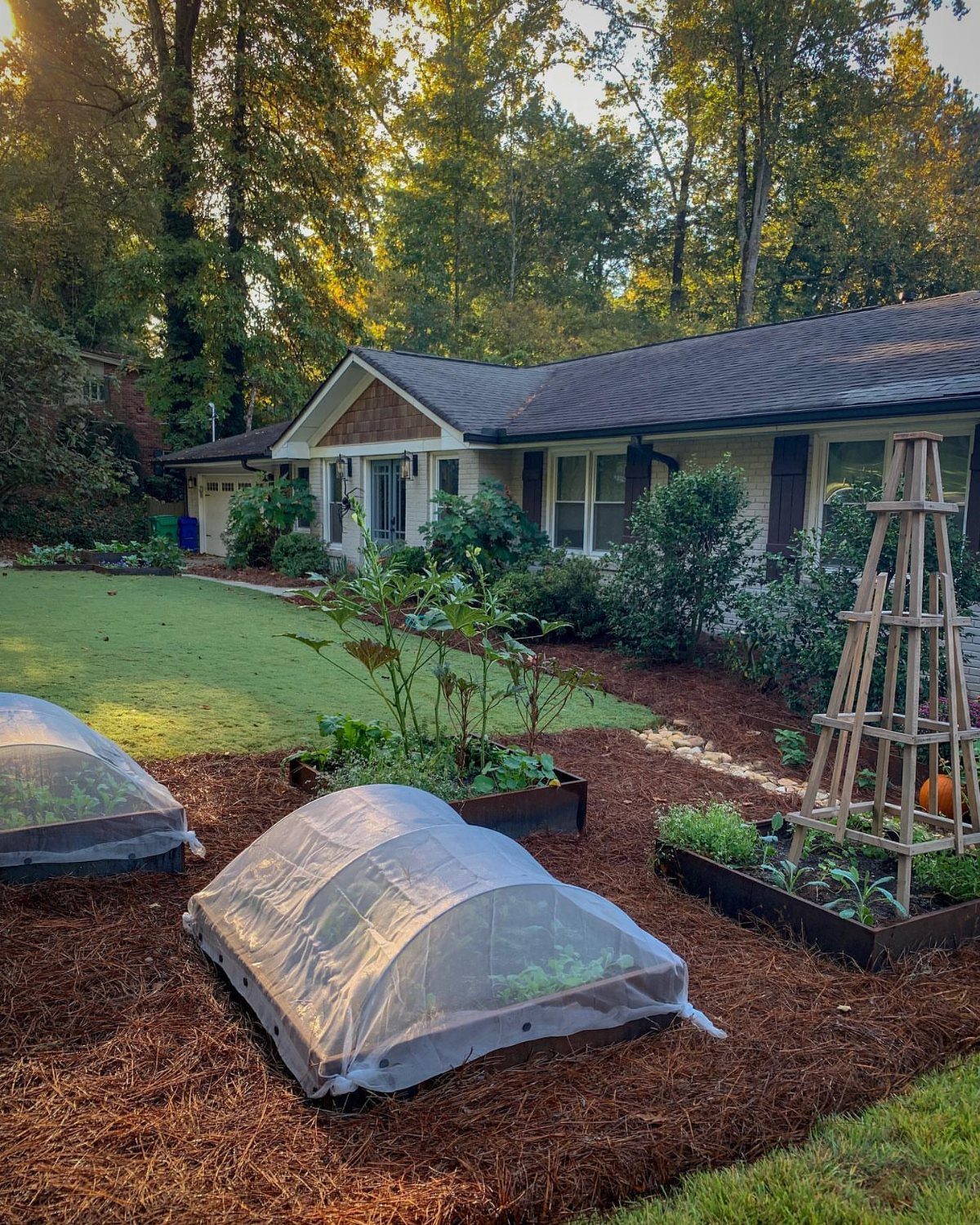
A front yard vegetable plot works where the back is too shaded or too small, and it does not have to look utilitarian.
Raised beds with hoop covers and a wooden obelisk, set in pine straw mulch, read as intentional landscaping rather than an afterthought.
Some homeowners associations ban visible vegetables; check yours before you dig.
Where they do not, mixing edibles with ornamentals keeps the border attractive and can confuse pests that target monocrops. Tall plants go north or to the back, short ones south or forward, so nothing shades its neighbor.
I would put the tenderest crops under the hoops and leave the obelisk for pole beans or a climbing squash that can handle wind exposure near the street.

Ergonomic Height: Standing at 30 inches tall, it reduces strain from bending and kneeling, promoting more comfortable gardening.
7. Edible Ground Covers

Creeping thyme between rocks turns a slope you would otherwise mow into something you can harvest. The plant handles poor soil, spreads to choke weeds, and survives foot traffic that would kill most vegetables.
Sweet potato vines and nasturtium work the same way on flatter ground; both give you leaves through summer and something to dig or pick later.
Ground covers trade the tidy look of bare soil for living mulch that holds moisture and feeds the soil biology underneath. I would plant thyme where I walk and nasturtium where I want color I can also eat.
8. Garden Pergola Trellis
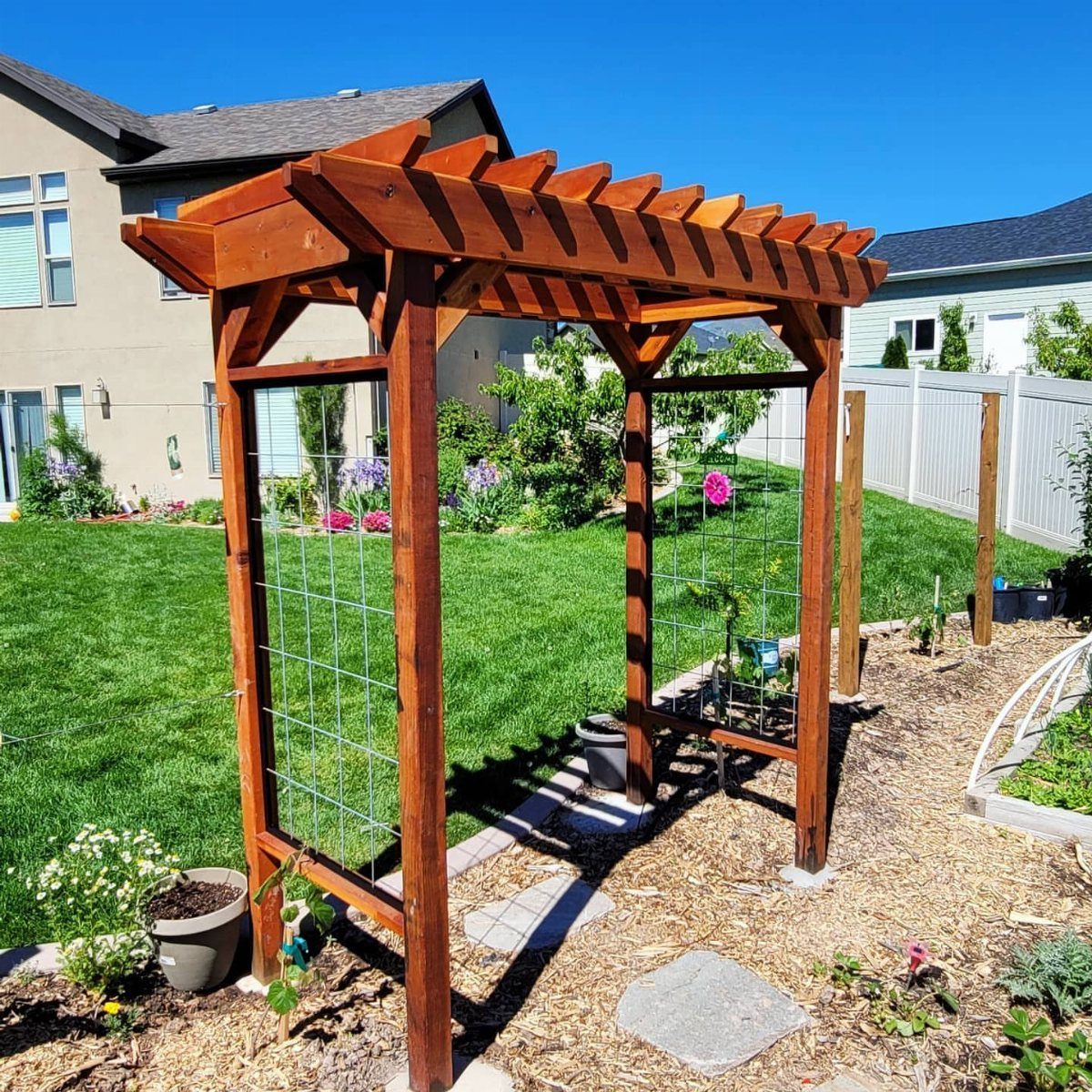
A pergola with wire mesh sides turns a garden path into vertical growing space without shading the beds below. Cucumbers, beans, and small melons grip the mesh and climb toward the roof, while the structure itself frames the walkway.
Cedar or pressure-treated lumber lasts longer than pine in ground contact, so check the species before you buy posts for a wood-and-wire trellis like this one.
Hanging gutters along the beams turn the same structure into herb planters without taking ground space from the climbing crops below.
North-facing placement matters here as with any vertical system; a pergola on the south side of beds would steal light from lower plants rather than add growing area.
9. Traditional In-Ground Garden Rows
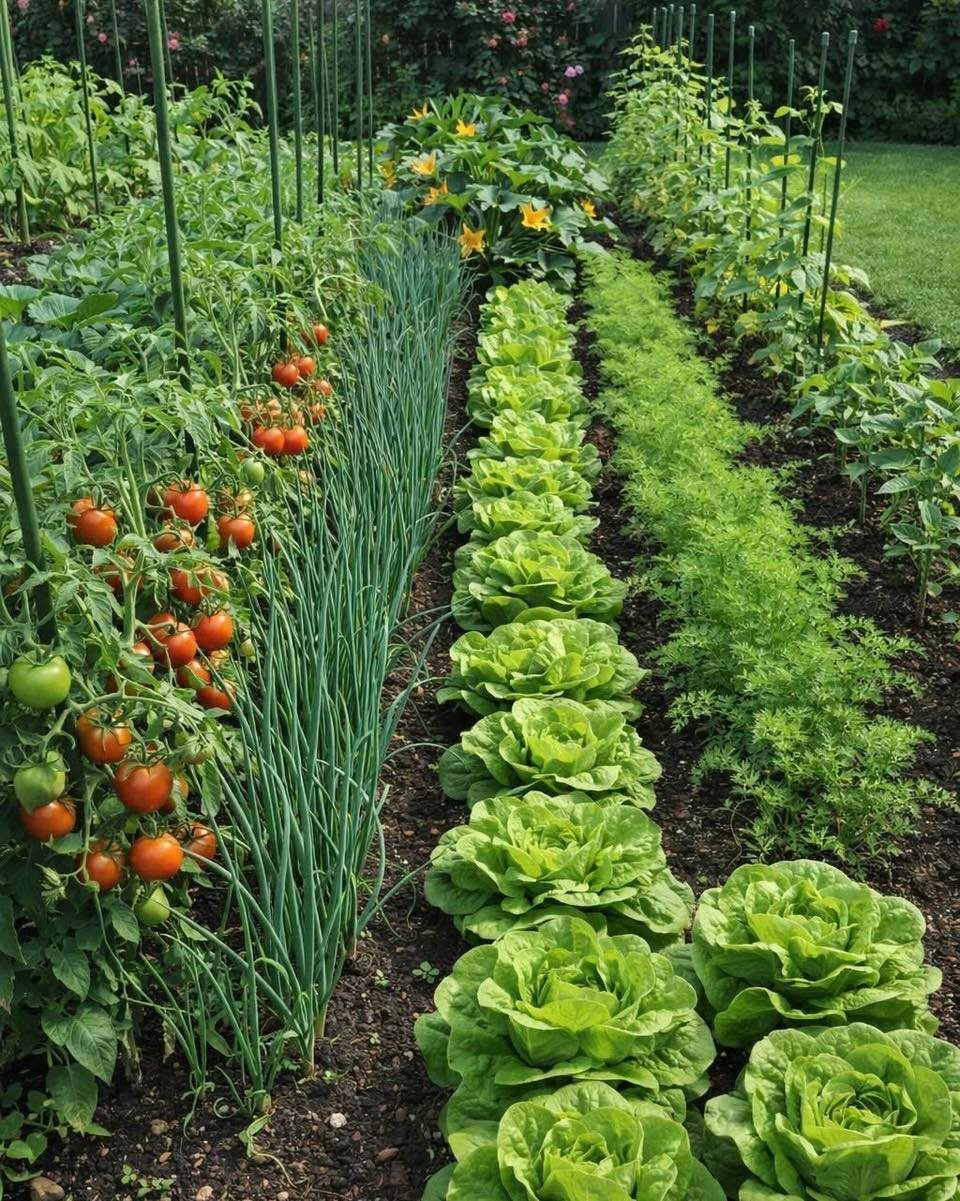
Straight rows in bare soil still suit gardeners with more land than time, or with equipment that needs a path.
The layout lets one person cultivate and weed a large area efficiently, and it shows its structure from the first seedling.
For most home plots, block planting fits more food into the same footprint by eliminating the walking lanes between rows.
Tomatoes and peppers still go in single file so you can reach them for staking and harvest; lettuce, carrots, and onions crowd into beds where you thin and pick from the edges.
My own plot mixes the two: blocks for greens, rows for the crops that need tending all season.
10. Staked Tomato Patch
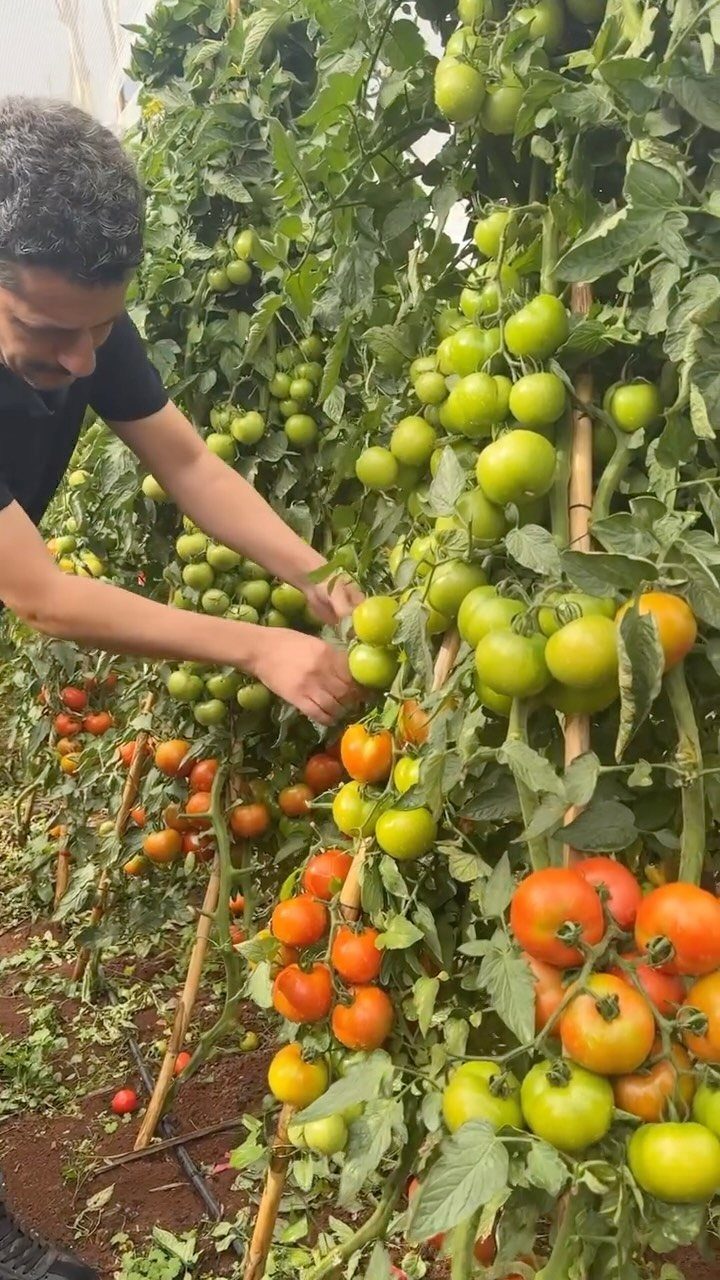
Wooden stakes driven deep beside each tomato plant keep the vine upright and the fruit off the ground, where slugs and rot find it.
Indeterminate varieties keep growing until frost and need a tall stake or they will topple under their own weight; determinates stop at a manageable height and can manage with shorter support.
Cherry tomatoes in particular branch heavy and fast. Compact varieties bred for containers stay smaller, but a full-sized plant in good soil will load a stake to its limit by August.
I set stakes at planting time, not after; driving wood through mature roots damages the plant you are trying to save. Check the variety before you choose your stake height.

Durable Material: Made with durable green mesh netting that provides excellent ventilation. Net gram weight is 100gsm, mesh gap is less than 4MM, and the net is with UV50+...
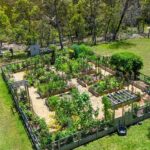
11. Fenced Garden Enclosure
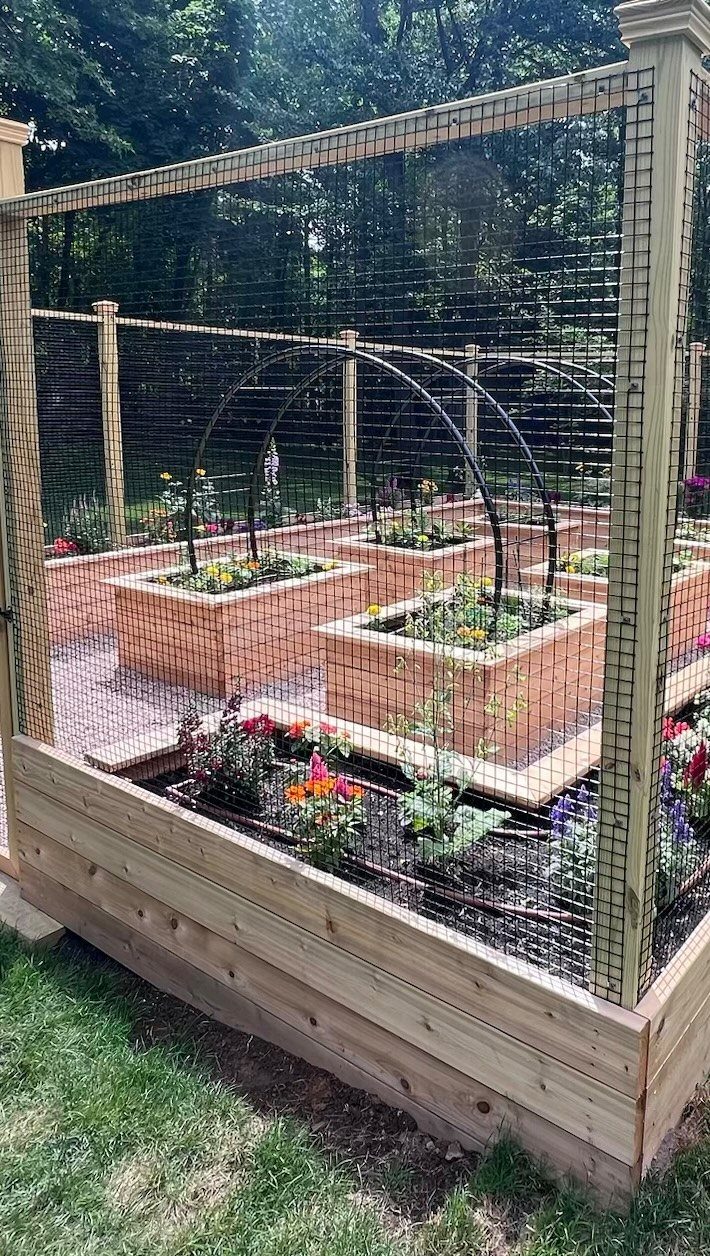
A walk-in enclosure of wire mesh on a wooden frame keeps rabbits, deer, and the neighbor’s dog out of beds you have already built.
Finer black mesh than standard chicken wire stops smaller pests that slip through regular gaps, and arched trellises inside give climbing vegetables their own support so they do not lean on and stress the fence.
The structure is tall enough to stand in, which matters if you tend the garden daily.
Before you build, check whether your local code counts this as a fence; height limits and setback rules apply to garden enclosures in some towns. The gravel paths inside drain well but cost more than wood chips over cardboard.
Maximizing Small Spaces
A narrow strip of soil along the fence line still works if you build upward instead of outward. Start with raised beds at ground level for tomatoes, peppers, and eggplants.
Cucumbers, zucchini, or peas go in the corners where a trellis gives them room to climb. Leafy greens and herbs move into wall-mounted planters or fabric bags hung on the fence.
Wall planters and hanging baskets add another layer above the beds.
Stack from the ground up and leave no sunny surface empty; every level should grow something you can eat. Check that taller structures do not shade lower ones, especially on the north side of a small plot.
Choosing the Right Crops
Grow what you will actually eat, not what is easiest to start. Radishes are simple, but a dozen plants of something you dislike is wasted space.
Spreading crops are fine if you send them upward.
Keep the vining ones, train them vertical, and skip the ones that sprawl without giving back. Parsnips and Brussels sprouts tie up ground from spring to frost for one harvest; small plots cannot afford that timeline.
Edamame falls into the same category, easy and pleasant but stingy on yield for the footprint. Bush beans feed you sooner and more often from the same square feet.
Prioritize crops by choosing to grow only those that you enjoy eating or are expensive to buy. Avoid planting large sprawling crops unless they can be trained up a fence or other structure.
Seasonal Planting
Succession planting means one plot serves two or three crops in a single year.
Spring brings radishes, lettuce, spinach, carrots, kale, and peas. Once those finish, the same ground takes tomatoes, peppers, cucumbers, zucchini, beans, and eggplants for the warm months.
A planting calendar keeps the handoffs clean. Two charts help: one for the spring-to-fall layout, another for the summer planting that follows.
Potted plants extend this further; containers moved into a greenhouse or even a bright window when frost threatens can carry tender crops weeks past their outdoor limit.
Pest Management
Companion planting is the practice of placing crops that benefit each other in proximity, like planning who sits where at a long table.
Broccoli does better in company; celery, basil, and cucumber all make decent neighbors. It struggles against pumpkins, strawberries, and melons, which all demand the same space aggressively.
A square-foot grid makes the pairing easier to plan and rotate.
Divide beds into 1-foot sections and place plants by their space needs and compatibility. The method keeps you honest; you will redraw the plan a few times before it works.
The Three Sisters approach, corn with beans and squash, is one low-maintenance combination with a long history.
Herbs mixed through the beds confuse pests that hunt by scent. Beneficial insects arrive where the planting invites them.
Frequently Asked Questions
What is the best layout for a vegetable garden?
The best layout depends on your space and how you need to move through it.
Raised beds, block planting, and rows each suit different situations: blocks pack more food into small plots, rows work better when you have equipment or need to cultivate large areas efficiently.
What are the top vegetables to grow in a garden?
The best vegetables to grow are the ones that end up on your plate, not the ones that are simplest to get started.
Tomatoes, peppers, lettuce, and herbs are common choices because they match how most people cook, but a dozen radish plants do nothing for you if you dislike radishes.
Bush beans keep producing pickings for weeks from a small patch, unlike crops that sit there for months before one big harvest.