These 7 small yard garden ideas run from a Saturday with a shovel to a full weekend with lumber and a level.
What picks one over another is whether you need to grow food, sit down, or just stop walking through mud.
[link-whisper-related-posts]1. Vertical Gardening
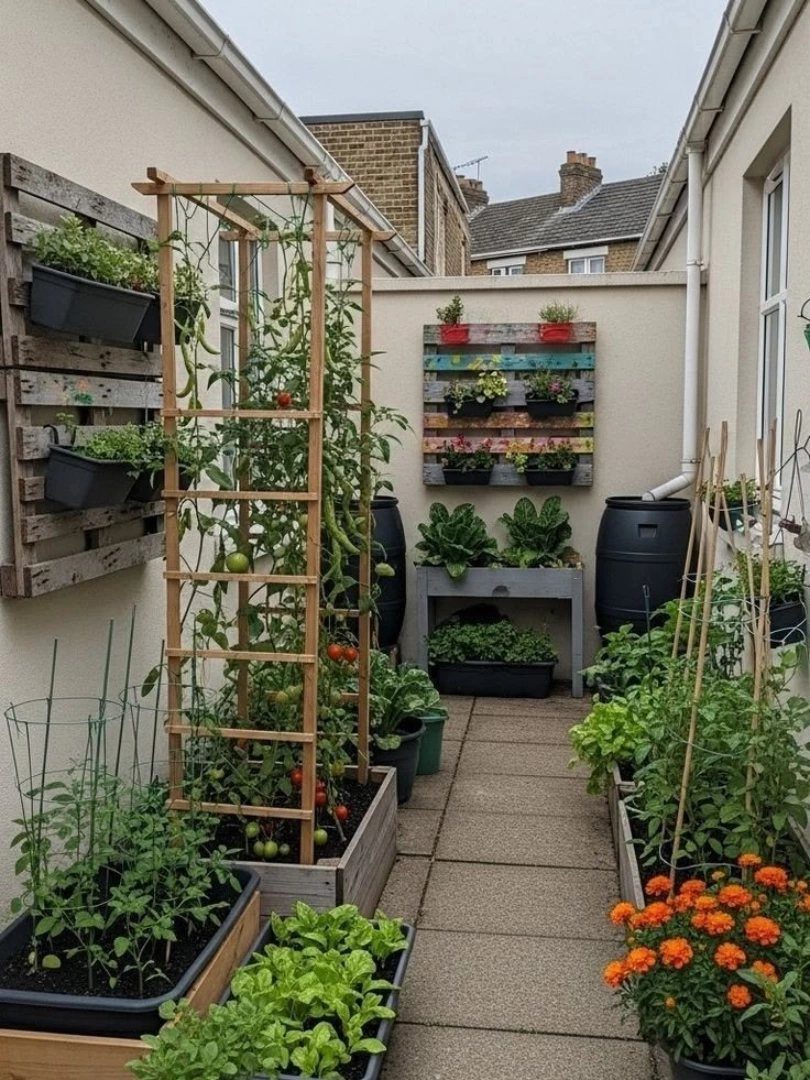
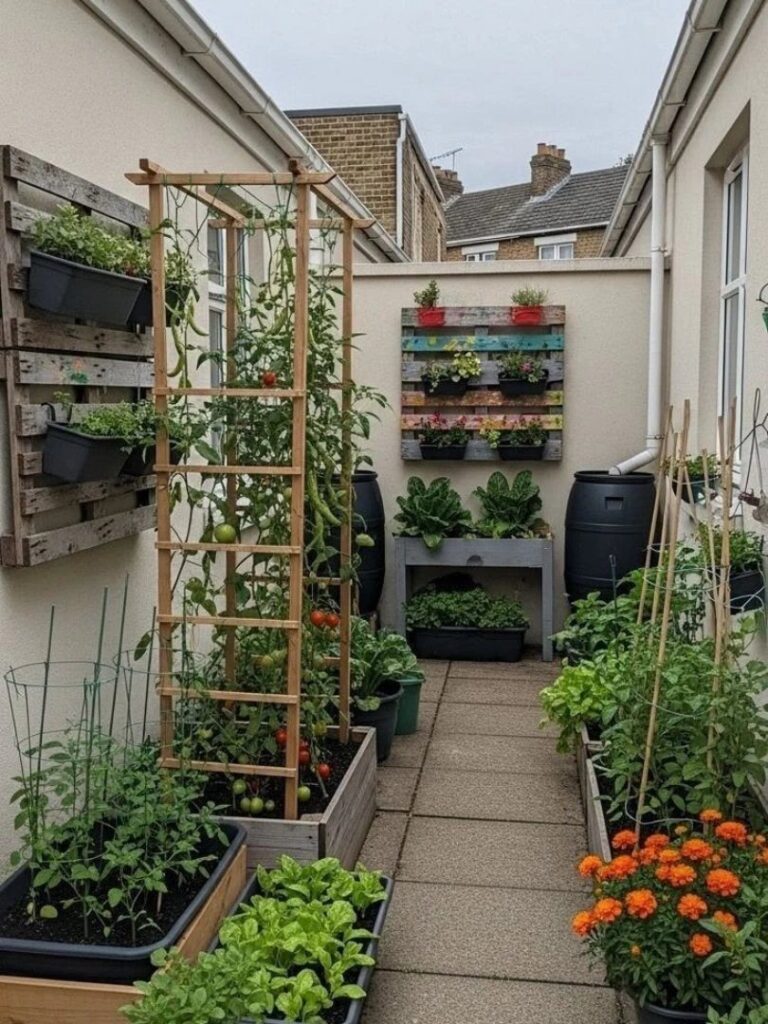
Vertical gardening makes a narrow courtyard productive by training food plants upward instead of letting them sprawl.
Wire or netting stretched between stakes, or a bamboo trellis against a wall, gives squash and cucumbers the height they need while your square footage stays small.
I tie the vines by hand as they grow; without that the weight pulls them down before the fruit sets.
Rain barrels tucked along the back wall catch what runs off the roof, so the vertical setup does not mean more trips with the hose.
Wall-mounted pallet planters fill the gaps between trellises with herbs or greens that do not need depth.
The whole arrangement asks for sun from one side and access from the other. Walk the space before you build; a trellis in the wrong spot shades what you meant to feed.

【Waterproof and Durable】: Our obelisk trellis is made of metal tubes and PE plastic coating, which prevents the tower from rusting, waterproof and able to withstand all kinds of weather conditions, ensuring a long service life.

ADJUSTABLE SIZE:This tomato cage can be seamlessly adjusted to reinforce existing plant supports or extend vertical growing space for your plants. From delicate seedling stage to full harvest season, this plant support cage fully meets the needs of healthy and upright growth for your plants

【Rust-Resistant Material】: Cucumber trellis is constructed with high-quality galvanized steel inner pipes and an exterior plastic coating, forming a dual-layer rust-proof barrier to ensure long-lasting durability
2. Tomatoes
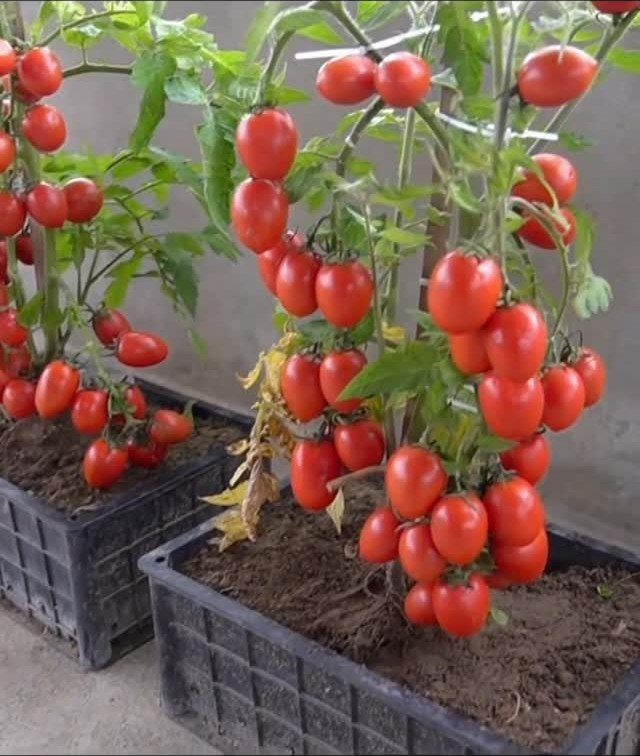
Tomatoes repay close quarters better than almost anything else in the vegetable garden. I grow mine in black plastic crates set on concrete, which warms the roots and keeps the fruit off the ground where slugs find it first.
Determinate varieties stay bush-shaped and stop growing; indeterminate ones keep climbing until frost kills them, so the choice shapes your whole season.
Containers need drainage holes and a mix that holds water without drowning the roots. I add a handful of slow-release fertilizer at planting and again at midseason; hungry plants in small pots run out fast.
Ripe fruit comes after transplant once the variety has had enough days to mature, which the seed packet will tell you. In a short growing season, start with seedlings rather than seed.
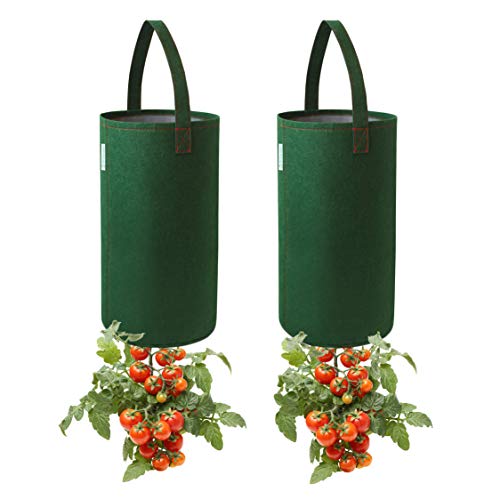
Easy Planting: No need to tie up vines or bend down for planting. Tomatoes and vegetables grow upright for easy access.

Upgraded Self-Watering System: Tired of daily watering? Our self-watering planter features a built-in reservoir and a unique bottom grid design that utilizes the siphon effect for consistent hydration—preventing both root rot from overwatering and drought stress. Ideal for busy homeowners and frequent travelers who need low-maintenance planters.

Self-Watering Convenience: Each planter has a built-in water reservoir that delivers consistent moisture to roots for up to a week, reducing frequent watering. Ideal for busy gardeners and vacations, it helps maintain healthy plants.
3. Beans
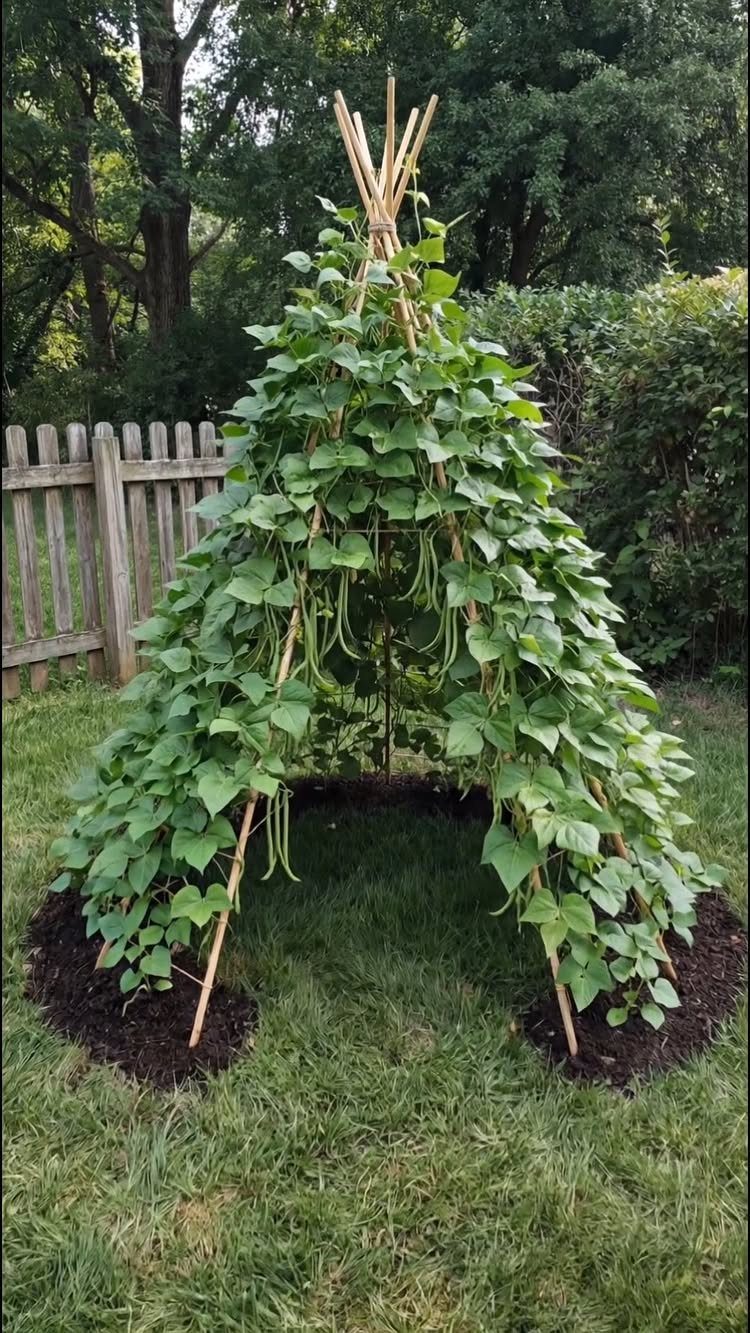
Beans climb on their own once you give them something to wrap around.
A teepee of bamboo stakes, lashed at the top and splayed wide enough to walk inside, turns a small circle into a picking tunnel that shades its own soil and holds moisture.
I plant seeds at the base of each pole and thin to the strongest two; the rest become compost.
Pole beans keep producing longer than bush beans, so the vertical space pays back in harvests.
The vines bear weight as they climb, which is why I use thick stakes and drive them well below the surface. Thin bamboo snaps when the pods load up.
Pick every few days once they start. The plant keeps flowering if it does not set seed.

🌑【Plant Support】Our bamboo lattice frame provides strong support for upward growth of plants. With a ladder-like structure, it is stable and sturdy, assisting plants in climbing upward.
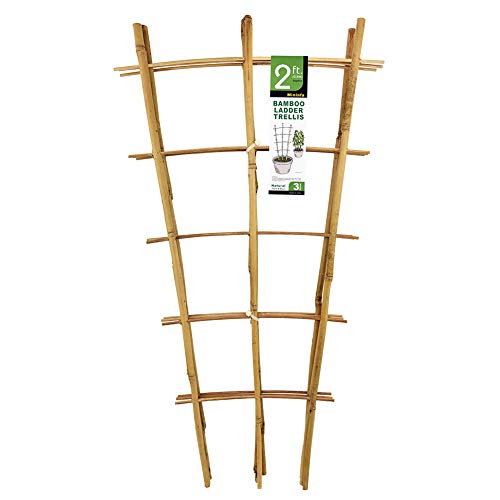
QUALITY – Our premium bamboo trellis are all handmade, using the high quality bamboo from the subtropical monsoon climate region. Very strong and flexible, durable for several seasons, so our potted plant support won’t be easily blown down by the wind, climbing trellis can help taking some weight of your plants like tomatoes or peppers. Bamboo is eco-friendly materials. All bamboo canes are hand selected and hand treated.
🌑【Plant Support】Our bamboo lattice frame provides strong support for upward growth of plants. With a ladder-like structure, it is stable and sturdy, assisting plants in climbing upward.
4. Flagstone and Reclaimed Brick Patio
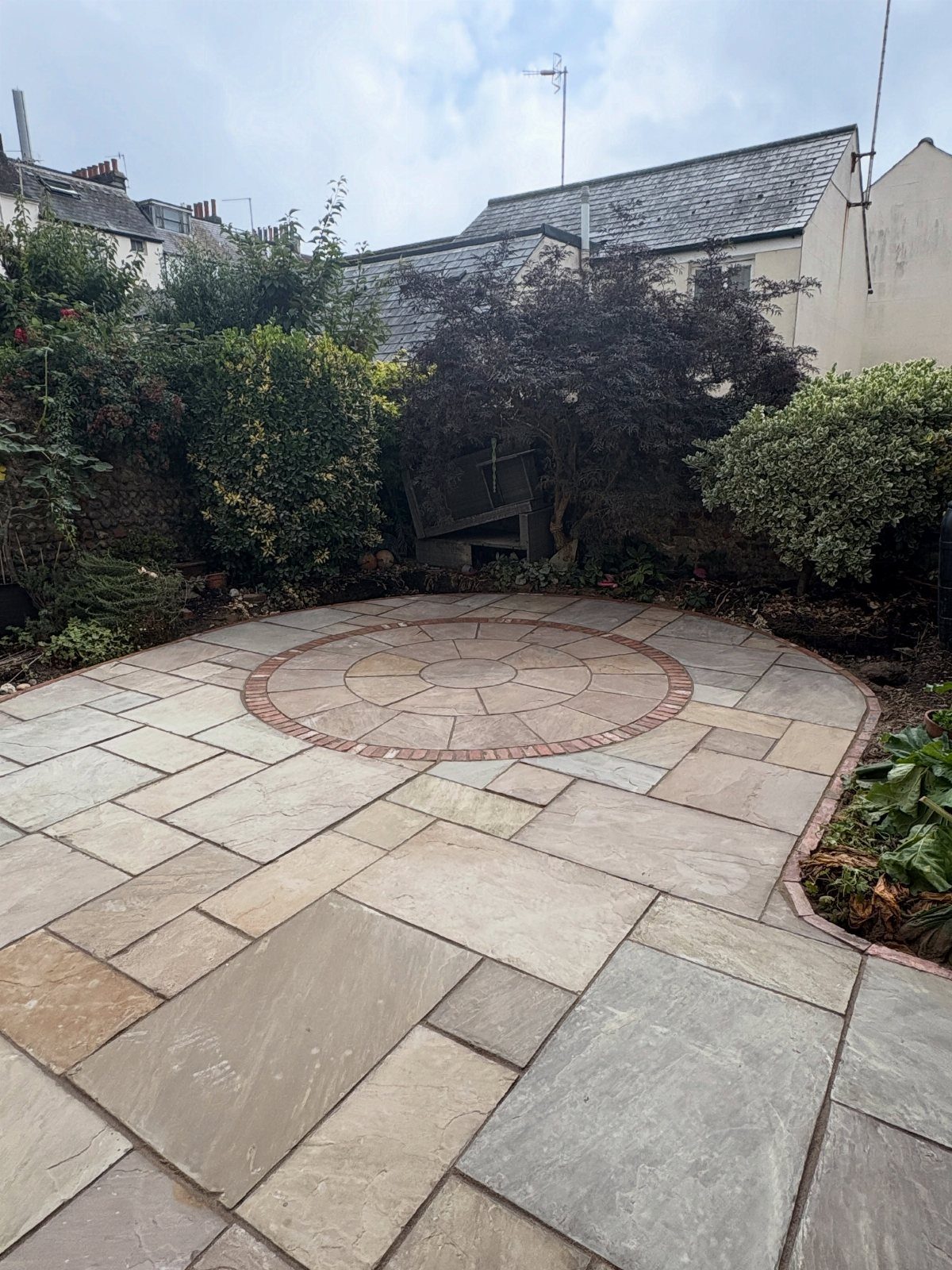
A patio of flagstone cut to fit, ringed with reclaimed brick, turns a muddy corner into ground you actually use.
The circular medallion in the center gives the eye somewhere to rest and breaks up the grid that small yards fall into when every slab lines up.
I would check the slope before laying anything.
Water needs to run away from the house, and a flat install pools in the first rain. Reclaimed brick varies in thickness; sort it before you start or the surface will trip you.
A reclaimed patio is weekend work, not contractor work, if you are willing to level and fit each piece yourself.
Each stone gets leveled on a bed of compacted gravel and sand, and the gaps fill with polymeric sand that sets hard enough to block weeds.

Innovative Space-saving Design: maximize your gardening potential with our stackable wall planter system; Each piece measures 9.45" x 5.71" x 5.51" and features two pockets, The overall dimensions are 47.5"x33"x5.5" offering ample growth space for a variety of plants; Nice for Fence Balcony Wall Decor, these vertical wall planters change limited spaces into gardens effortlessly

Material: wall planter is made of galvanized metal and antique finish, Size: Total height is 5.5 inches, 7" in Top Diameter, 5.5" in Bottom Diameter.

{Premium Material}: Our garden wall planters bags choosing high-quality felt materials with good air permeability can better store and release water to promote healthy plant growth. It is lightweight, sturdy, convenient, foldable, durable and anti-aging.
5. Built-in Bench Planter Seating
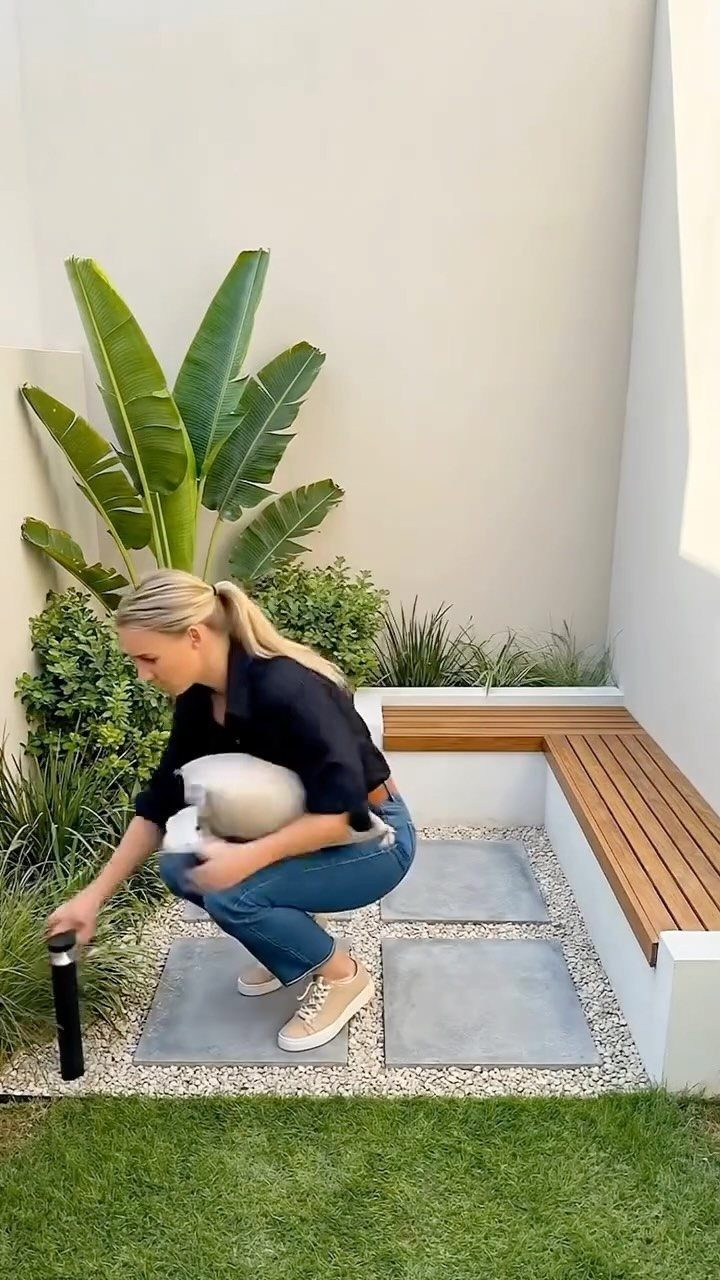
Built-in bench seating with planters at each end turns a courtyard wall into a place to sit and something to grow in the same footprint.
Wooden slats spaced for drainage, set on stone pavers with gravel between, keep the seat dry after rain.
I would decide 2 things before building: whether the bench backs onto a wall or stands free, and whether the planters need liners.
Raw wood rots fast without protection, and lined planters dry slower, which suits ferns and caladiums but drowns succulents.
The slat spacing matters for comfort as much as looks.
Too wide and small items fall through; too narrow and water pools on the seat. I would mock it up with scrap boards before cutting anything to length.

【Efficient Water Collection And Storage】Easily connect two rain barrels with our 1.25 inch diameter hose coupler and downspout diverter to maximise water storage capacity and reduce water bills

Package Included: Our rainwater collector can be easily installed in just 5 minutes. The rainwater collector kit includes a rain barrel diverter, a high-quality crown drill bit, an 80cm hose, a water tank connection seal, screws and instructions

1.【Design】Our innovative overflow pipe features a simple no drill design, ensure the rain barrel is leak proof without holes.
6. Potted Gravel Courtyard Garden
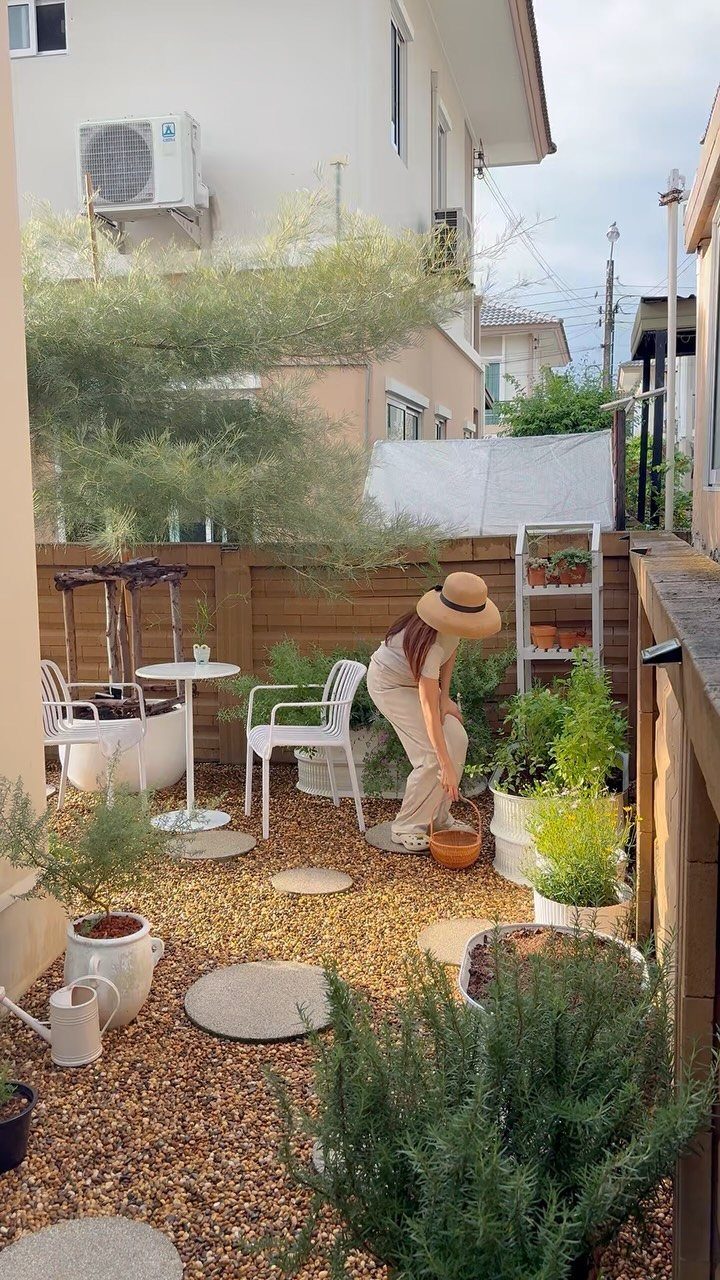
Pea gravel, potted plants, and a small bistro set turn a fenced rectangle into a garden you can rearrange. White pots move with the sun or the season; nothing is rooted in place except the gravel itself.
Gravel courts hold water on clay soil, and roots in pots suffocate in standing water. A slight crown to the surface, highest in the center, sends rain to the edges.
Stepping stones set flush with the gravel, not on top, let the mower or a wheelbarrow cross without catching.
Excavate each circle deep enough to hold the stone level with the surface, then tamp the base before it goes in. Loose-laid stones tilt and wobble within a season.

Heavy Duty Metal Trellis, Stability for All Climbing Plants: Crafted with 0.6mm thick stainless steel and a 0.63-inch reinforced center pole, this garden trellis for climbing plants outdoor is built to last. It stands firm through wind and rain, providing season-long support for pole beans, snap peas, tomatoes, cucumbers, and flowering vines like bougainvillea and morning glory.

【Pack of 20】: The tomato hooks can be used alone or with truss brackets, place the tomato hook at the suitable place on the vegetable, vertical drop the rope, the vine will grow around the rope.

【A-Frame Trellis】Our detachable Cucumber Trellis is widely used in gardens and backyards; It allows you to adjust the width as needed for compact storage; By utilizing vertical space, this Plant Grow Support elevates vines off the ground, maximizing sunlight exposure for better quality fruits and vegetables while boosting overall harvest and yield
7. Stepping Stone Gravel Path
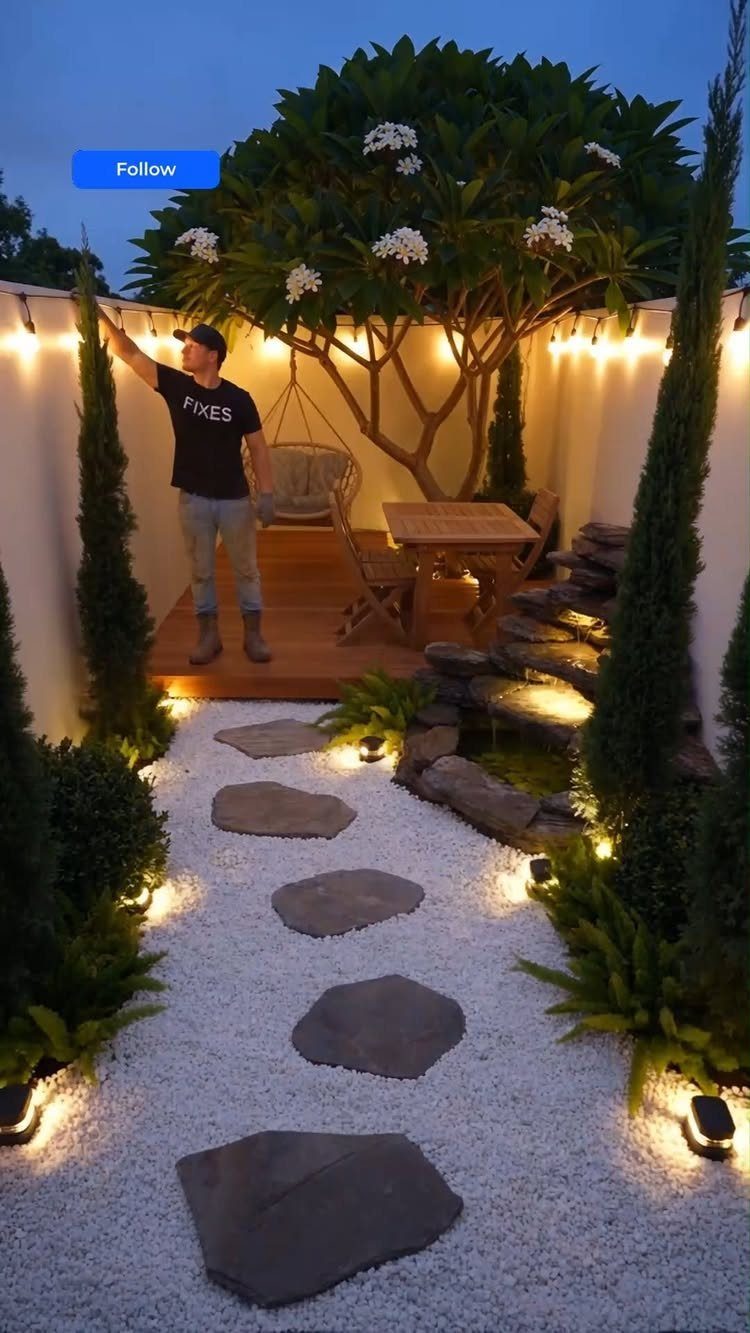
A path of flat flagstone laid in white gravel turns a straight walk across the yard into something that slows you down.
The stones need to sit flush with the gravel surface, not ride on top, or every step tilts and the mower catches an edge.
Dry-fitting the stones first beats cutting twice.
Too far apart and you are stretching; too close and you might as well have poured concrete. A stride-length gap fits most people without the hop-skip gait you get from stones set too close or too far apart.
The gravel itself needs an edge. Steel strip, brick soldier course, or a low wall; without one the stone migrates into the lawn within two seasons.

SELF-WATERING SYSTEM: Self watering tomato planter with trellis has a built-in reservoir that ensures the plants receive consistent hydration. The bottom grid design utilizes the siphon effect, allowing the roots to pump water efficiently, minimizing the risk of under-draining or over-draining. There is a water injection port on the side, and the right amount of water is poured into the sowing box, without daily watering.

Scientific Design: Bottom Water Reservoir and Air hole circulation system that provides ample moisture to the plants. This reservoir acts as a constant water source and oxygen, promoting healthy root development and overall plant vitality.

STURDY TRELLIS SUPPORT: this raised bed planter is constructed of a 5 Gal capacity planter box with a 48" trellis on top which offers great support and ample space to grow a variety of your favorite vine flowers or climbing vegetables ,tomato planter requires no screws and special tools, also no need to read complicated assembly instructions, very easy to assemble and set up. Meanwhile tomato planter can be interconnected and extended to meet your various DIY requirements
Maximizing Small Spaces
Square footage is the first thing to run out in a small yard, so the walls and rails become fair game fast. Train food plants upward on trellises, netting, or teepees before you commit ground to sprawlers.
Compact plants matter as much as compact layout. Match the plant to the structure you have, not the structure to the plant you want.
Containers warm roots and control soil, but they also dry faster and exhaust nutrients. Check pots daily in summer heat; the same black plastic that warms tomatoes in May cooks them in July without water.

【Natural bamboo】Made of natural renewable bamboo material, handmade bamboo round-shape to ensure the product is beautiful and strong, after heat fumigation treatment, effectively prevent cracking, long life.

Natural bamboo stakes 7 feet: These bamboo poles are made of high-quality natural bamboo, they are more thicker, stable and less likely to breake

【Elegant Design】Crafted from natural bamboo and metal nails, our teepee bamboo trellis is both eco-friendly and durable. Its distinctive conical shape adds an artistic touch, enhancing your garden's charm beyond traditional flat grids.