The ideas below run from a free afternoon with salvaged bricks to a weekend building cedar frames with metal brackets.
What settles the choice is how long you need the bed to last and whether your landlord or your own siding is the bigger worry.
A single-width brick wall handles herbs; 2 courses of cinder block with paver caps gives you a seat and decades of use.
[link-whisper-related-posts]1. Drip Irrigation
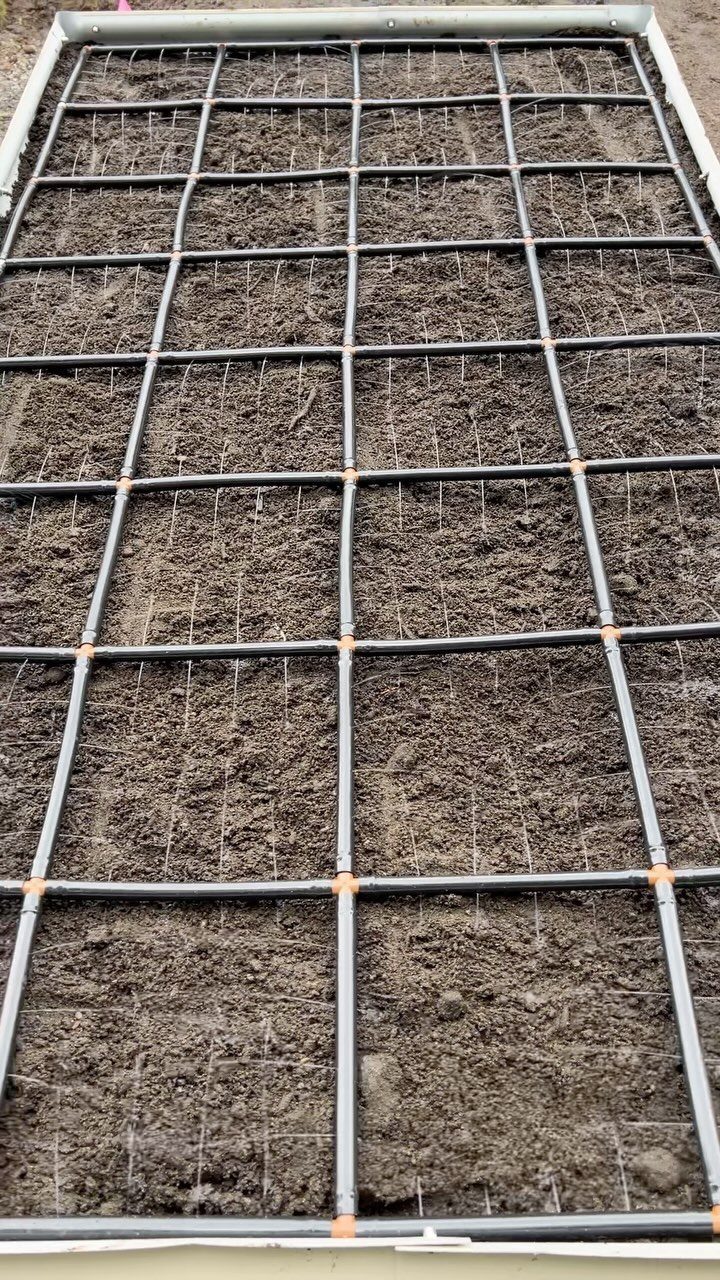
A drip grid laid on top of the soil before planting saves the work of hand-watering through summer. I like this setup because the tubing stays visible; you can spot a clog or a disconnected join without digging.
Barbed fittings push straight into black polyethylene line for drip connections; no glue needed.
Run the grid with lines spaced close enough for even coverage, and anchor them with wire hoops or garden staples so they do not shift when you work the bed.
Soaker hoses do the same job if you already have a set lying around.
Overhead sprinklers are cheaper to set up but wet the leaves, which invites disease on tomatoes and squash in humid climates. Place either system directly on the soil surface, not buried; buried lines are harder to flush and repair.

Realistic Faux Stone Texture: Our landscape edging boasts a lifelike stone texture with detailed surface patterns that add depth and a polished look to your outdoor space. It beautifully enhances garden beds, lawns, pathways and flower beds, bringing a natural, decorative touch to any yard.
Realistic Faux Stone Texture: Our landscape edging boasts a lifelike stone texture with detailed surface patterns that add depth and a polished look to your outdoor space. It beautifully enhances garden beds, lawns, pathways and flower beds, bringing a natural, decorative touch to any yard.

STAYS IN PLACE - Our edging stays securely in place, keeping mulch and other materials from migrating into other areas of your landscape for a pollished look
2. Wood Raised Beds
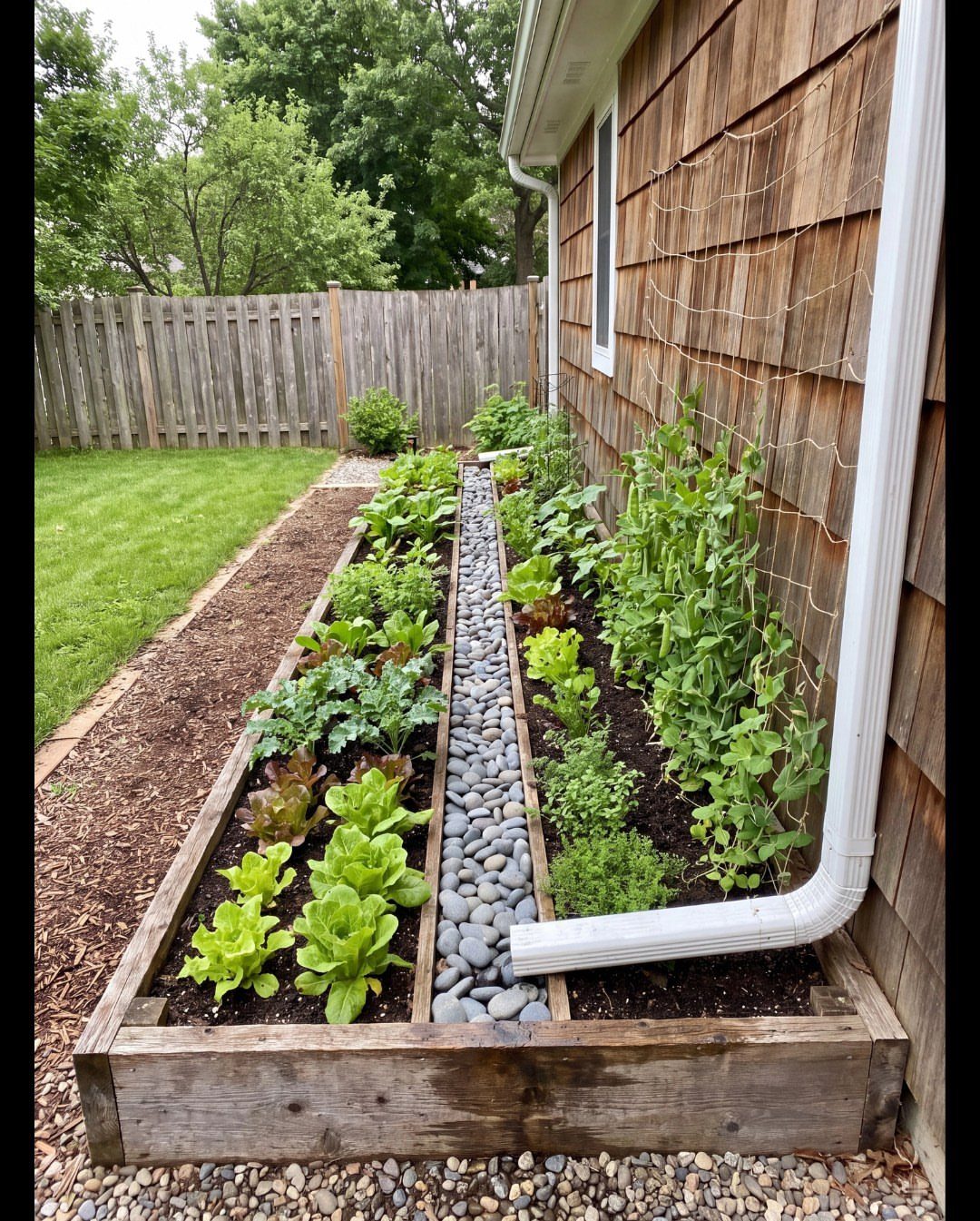
Cedar boards last years without treatment, which matters when the bed sits against siding you do not want to stain every season.
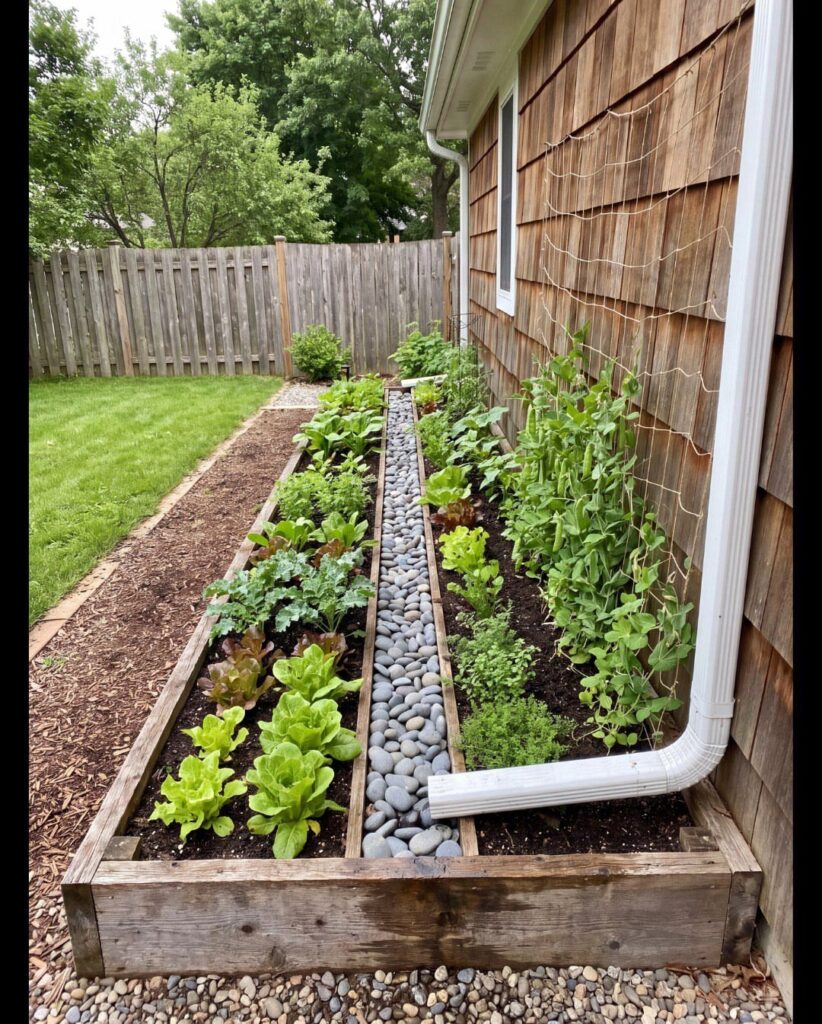
A long run built from planks joined at the corners needs a center trench filled with rock to handle drainage; otherwise roots sit in water against the foundation.
Check the stamp on lumber before you buy. Pressure-treated boards from big-box stores carry chemicals you do not want leaching into lettuce roots.
If the wood is not marked, ask. For the outside face only, an eco-friendly stain is fine; keep the inside bare or use a food-safe wood treatment meant for raised beds.
Metal corner brackets let you stack height if bending is hard on your back. 2 high gives you enough soil depth for most vegetables without the cost and fill of going taller.

Only Fits 0.79‑Inch Thick Lumber, Includes 4 End Caps Designed for 1‑inch thick lumber only. Does NOT fit thicker Trex planks, standard deck boards or cedar boards. Pre‑drilled holes align perfectly with 1‑inch boards for quick, tool‑free assembly. Comes with 4 plastic end caps to protect deck from scratches

Sturdy Durable: the raised bed corners brackets is made of nice quality heavy duty carbon steel with an anti rust coating, thick, durable, has good load-bearing capacity, is not easy to deform or break, comes with all of the hardware that you'll need, that easy to assemble; Your flower beds will have a clean, modern look

Heavy-Duty Steel: Made from thick powder-coated steel, these L-shaped raised bed corner brackets are rust-resistant, corrosion-proof, and provide strong support. They are durable, resistant to deformation or breakage, ensuring stable use in various outdoor environments
3. Use Brick
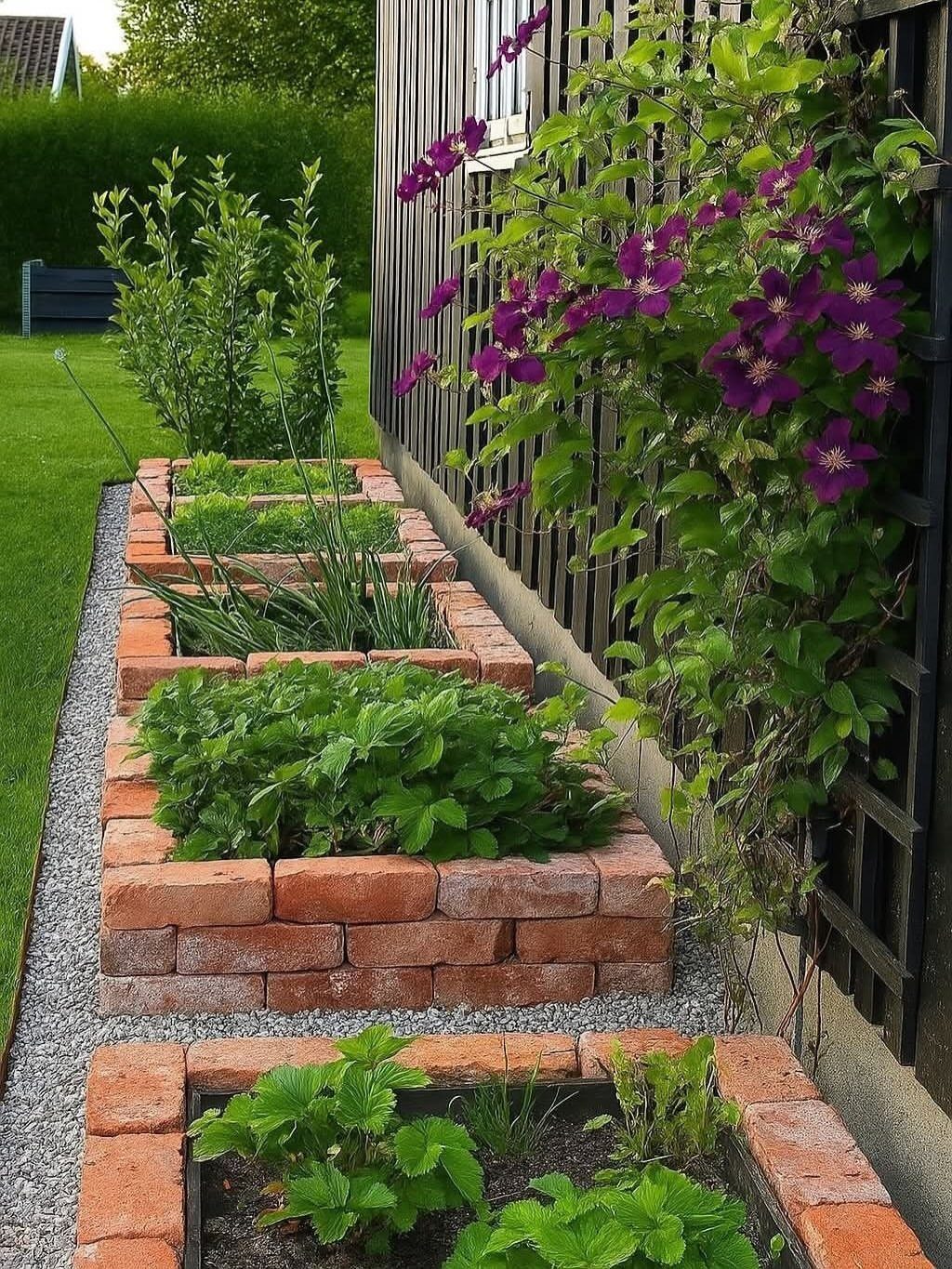
Dry-stacked red bricks make a bed you can build in an afternoon and take apart if the landlord objects.
No mortar means no curing time and no mason’s bill; the weight of the bricks holds the soil, though a course below ground level keeps the wall from sliding outward.
The photo beds sit on gravel, which drains splashback away from the house wall.
That detail matters more than it looks: trapped moisture against siding rots wood and stains stucco. If your house has brick trim or a brick path nearby, matching the material ties the garden to the house without a designer’s fee.
A single-width wall of standard bricks is enough for herbs and shallow greens.
For herbs or shallow-rooted annuals, a single course of standard bricks works fine; for anything deeper, I would use concrete retaining-wall blocks or build up a proper stack.

【Even & Consistent Root Watering】Features micro-pore seepage technology that distributes water evenly along the entire hose, transforming spot watering into uniform line watering directly to plant roots. Unlike traditional drip irrigation systems with clog-prone emitters, this soaker hose creates a continuous moisture band for healthier, deeper-rooted plants

💧 Complete All-in-One Irrigation Kit – Everything You Need in One Box : Includes 40 ft of 1/2” main tubing, 200 ft of 1/4” distribution tubing, 30 precision sprayers (stream drippers, vortex emitters & mist nozzles), plus all connectors and fittings. Easily covers up to 250 sq. ft. in a single line or two 120 sq. ft. zones—perfect for gardens, raised beds, and greenhouses.

WATER EVERY PLANT, NOT JUST SOME: Full-coverage, soil-level irrigation at every plant - including the open corners. This raised garden bed watering system prevents dry spots and removes the guesswork of positioning drip line & emitters.
4. Beds 1-3 Feet Along House
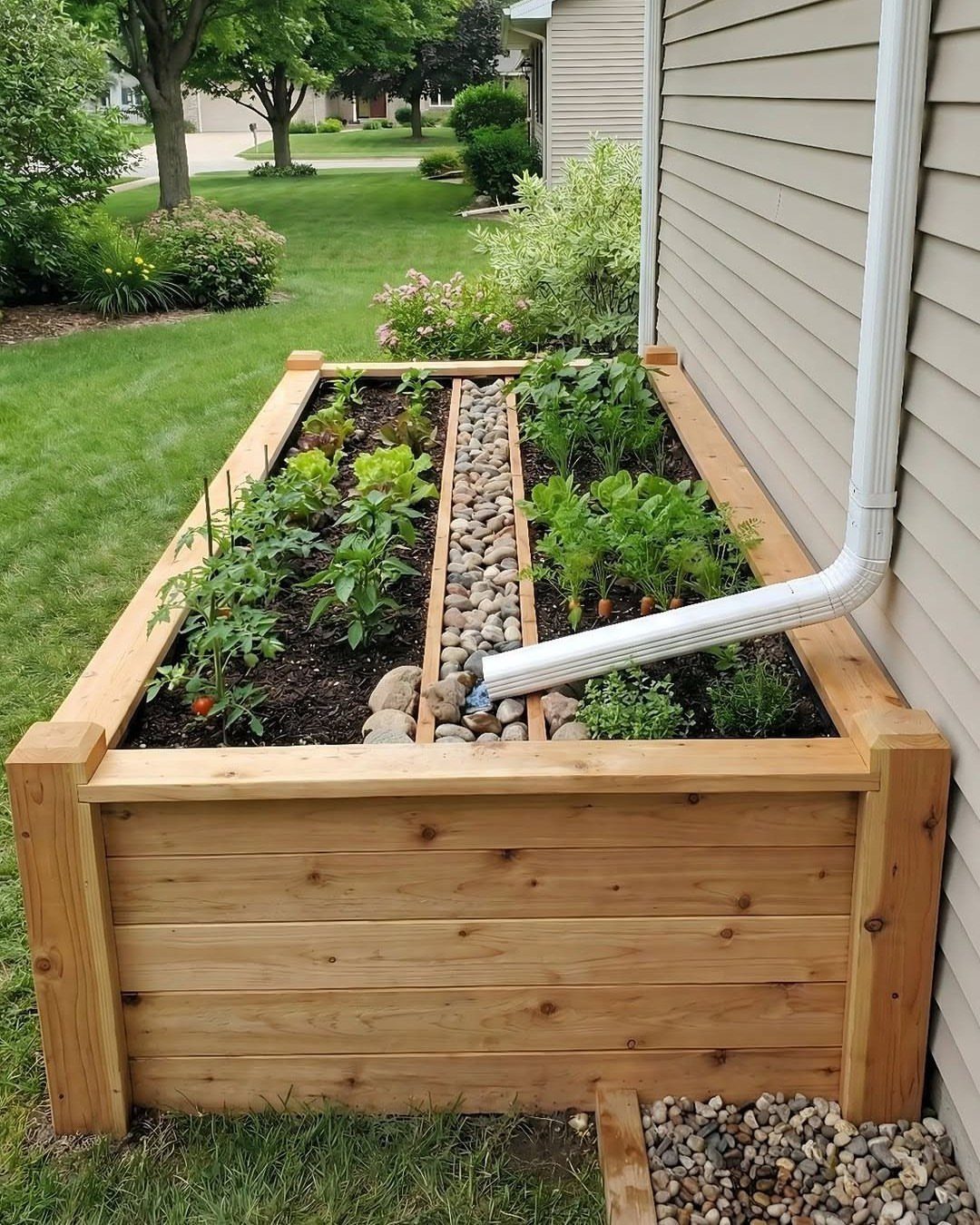
One to three feet of height is the range where most people can weed and harvest without bending to the ground or kneeling on a pad.
The photo bed hits the tall end, built from stacked timbers with a stone channel down the middle that carries runoff from the downspout through the bed rather than pooling against the siding.
Vinyl siding sheds water outward, but the gap still needs watching. Leave some air between the bed wall and the house, or line the back with plastic sheeting if the bed must sit closer.
That space is also where slugs hide; a strip of copper tape or diatomaceous earth along the house wall catches them before they reach the lettuce.

Targeted Root Irrigation: Water gently seeps out from the hose to evenly water the root zone, keeping surrounding soil consistently moist. Reduce runoff and nutrient loss while protecting delicate plants and young fruits

80% WATER SAVINGS – MIXC soaker hose is engineered to deliver 0.75 gallons per hour per 15 ft. at 25 PSI, using up to 80% less water than traditional sprinklers while ensuring deep soil penetration. This soaker hose is ideal for raised garden beds, vegetable rows, flower borders, potted plants,container gardens, greenhouse benches, and landscape furrows up to 12 inches wide

Heavy duty push-on plastic couplings — Cut, shorten, or expand the hose to any length and connect multiple sections for a leak-proof, custom-fit drip irrigation system
5. Cinder Block Beds Along Wall
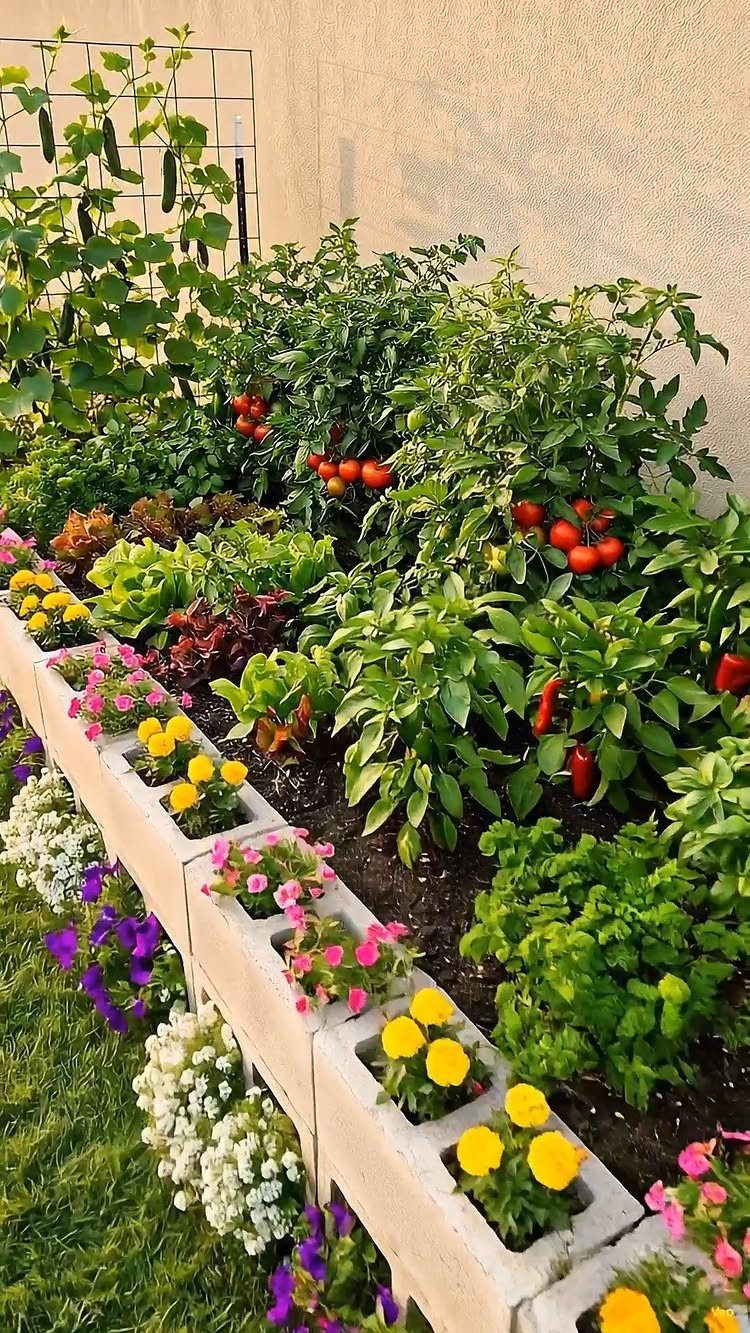
Cinder block beds cost less than cedar and outlast it by decades. The standard move is blocks stacked two high, openings planted with trailing flowers while the main cavity holds tomatoes and peppers.
The top row capped with paver stones, fixed with exterior construction adhesive, gives you a seat while you work and keeps the wall from shedding crumbs of concrete into the soil.
The block cavities are shallow; strawberries or nasturtiums do well there, but not carrots. If you want clean lines, face the open cores outward and fill only the back row for planting.
The stucco wall behind this bed is forgiving of moisture; against wood siding I would still leave a gap and line it with plastic, same as any solid bed.

Versatile Gardening Solution: Maximize your outdoor space with this 4-ft x 2-ft cedar garden box

WESTERN RED CEDAR PLANTER BOX — Made from 100% natural Western Red Cedar, a wood naturally resistant to rot, decay, and insects. Ideal for outdoor gardening and long-lasting raised garden bed use.

Raised Bed Maintenance Tips
Checking soil moisture in a raised bed works the same way as anywhere else in the yard: stick a finger in and see if it feels dry an inch below the surface.
Dry at that depth is the signal to water; the bed drains faster than ground-level soil, so the surface looks can fool you. Mulch buys time between checks and keeps the soil loose enough for roots to move.
I have had soil delivered by the yard for larger beds.
The cost beats hauling bag after bag from a parking lot, and screened topsoil mixed with compost holds structure better than anything I could blend from sacks. A volume calculator saves the guesswork on how many yards to order.
A bed wider than 4 feet means stepping inside to reach the middle, which compacts the soil you just spent money to lighten. Compacted soil from a footprint undoes weeks of careful prep.

Ergonomic Height: Standing at 30 inches tall, it reduces strain from bending and kneeling, promoting more comfortable gardening.

Generous Planting Space: Ample bed space provides your plants and vegetables with room to thrive, promoting healthy growth and robust yields.

Made in the USA.
Common Mistakes with Raised Beds
Placing a bed hard against the house traps moisture where siding meets soil.
The list notes this for wood and stucco alike; rot and staining follow when splashback has nowhere to go. Gravel underneath or a gap with plastic sheeting breaks that cycle.
Drainage also means watching the bed itself. I have seen beds built level with the lawn that turned into ponds after every rain.
Sunlight is the other non-negotiable.
Vegetables want full sun, and the convenience of a wall does not override that need. A bed tucked into shade for the sake of the hose bibb grows nothing but regret.

Strong, Stable Raised Beds: Designed for raised beds 16–24" tall, these 15" corner brackets reinforce each corner to help create stronger, more stable garden beds with room for deeper soil and healthier root systems
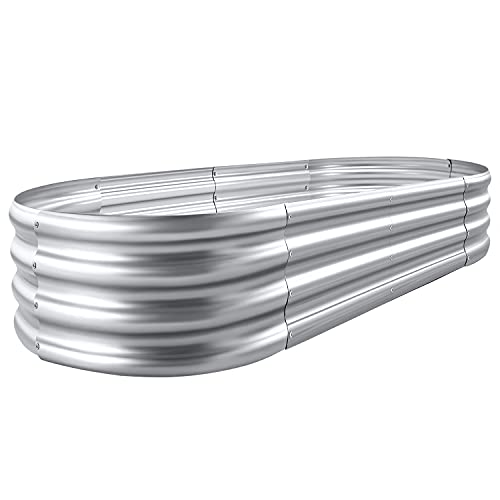
Each raised metal garden bed size: 4×2×1ft ,7.14Cu

- DURABLE AND LONG-LASTING: These heavy-duty raised garden bed corner brackets are made of matte black powder coated steel, rust resistant and wear resistant, suitable for long-term outdoor use.
Raised Bed Design Ideas
A trellis fixed to the back wall of a raised bed gives climbing beans or cucumbers the vertical space they need.
The leaves fill in enough to screen a window or break sightlines from a neighbor’s deck; privacy was not the goal, but it comes with the growth.
Varying height across a run of beds lets shorter crops sit forward where light hits first and taller plants go behind without shading them.
The list has beds at one level and stacked to two or three; mixing those heights in one layout adds visual rhythm without extra design work.
Materials can shift bed to bed as well. Brick where the path meets the house, cedar where food grows, cinder blocks where seating matters: each solves a different problem and the contrast reads as intentional rather than patched together.
"Taller raised beds are easier to tend to, which can be especially important for aging gardeners or those with limited mobility," says Jonathan Paetzel, a landscape designer with Marshall Paetzel Landscape Architecture.

Convenient Drip irrigation kit has everything needed to water up to a 4’ x 8’ raised bed garden

【Drip Irrigation Kit】Everything you need to automate your garden arrives in one box. The Bluepro 2026 Upgraded Pro-Series Kit comes packed with 100 feet of premium 1/4-inch tubing, 16 innovative 360° bendable copper atomizing nozzles, heavy-duty 2-way and 3-way quick connectors, plus all essential installation accessories

【Universal 1/4 Inch Size Set】- Designed for US market compatibility,MIXC new drip irrigation system set uses 1/4 inch (6mm) components to address potential mismatches with standard hoses, unlike some 5/16 inch systems. It includes 2-way connectors, tubing, and 3-way connectors to help users set up DIY garden irrigation more conveniently.
Planting Strategies
Interplanting fills gaps while a main crop establishes. Basil tucked between tomato seedlings repels thrips and whitefly, and the pairing works in the kitchen after it worked in the bed.
Marigolds and nasturtiums at the edges draw pollinators for squash and peppers; an unpollinated female flower never sets fruit.
Square foot gardening divides the bed surface into a grid so you plant each crop at its proper spacing, radishes crowded tight and tomatoes given room, so nothing gets crowded out.
Arugula, mustard, and rapeseed planted at one end of the bed draw flea beetles away from brassicas growing elsewhere. The netting or string to mark the grid costs little and saves the overplanting that leads to thinning later.
Companion pairings fail when one plant overgrows the other. Give each segment the room the mature plant needs, not the space the seedling takes.

EVEN WATERING ACROSS YOUR GARDEN: Designed to deliver slow, consistent moisture along the hose to help reduce dry spots and overwatering near the faucet. For best results, use with a pressure regulator (8–10 PSI) for more even distribution.
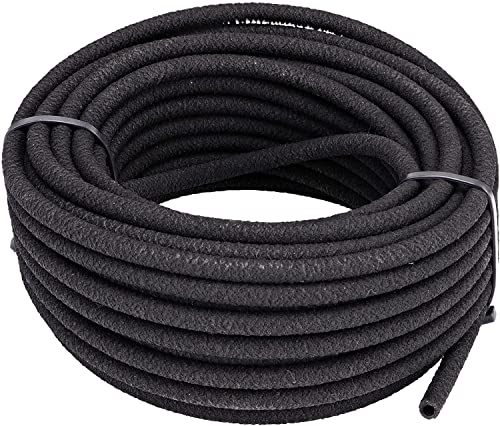
Slowly waters the soil around your plants for complete root zone hydration; Ideal for short runs on flat surfaces, such as vegetable gardens, borders, and around small plants

Great for young trees, shrubs, and raised bed gardens
Frequently Asked Questions
Can you put a raised garden bed next to a house?
A few inches of clearance lets air move between the bed and the siding, which keeps both sides drier; if space is tight, a sheet of plastic against the back wall does the same job.
Gravel underneath breaks the cycle of trapped moisture that rots wood and stains stucco. Wood siding needs that same breathing room and moisture barrier no matter what the bed is built from.
What are some common mistakes people make when using raised garden beds?
Placing the bed hard against the house traps moisture where siding meets soil, and rot and staining follow when splashback has nowhere to go. Building level with the lawn turns the bed into a pond after rain.
What is the best layout for raised garden beds?
Position beds for full sun and keep them four feet wide or narrower so you can reach the center without stepping inside.
Running a trellis up the rear wall turns the back row into a green screen for beans or peas, and you get a privacy hedge as a bonus.
Staggering heights through a bed run means lettuce and herbs sit up front in the brightest strip while tomatoes or peppers take the taller back tier.
What are the drawbacks of raised garden beds?
The same loose fill that keeps roots from drowning also lets water escape fast, so these beds want a drink more often than an in-ground plot.
Filling them takes serious volume, but a bulk delivery runs cheaper than stacking bag after bag from the garden center.
The surface can look dusty while the root zone still holds moisture, so I push my finger down an inch below the surface before deciding to haul the hose out.