These 12 layouts run from a $100 cedar raised bed to a full pergola build, and the right one depends on whether you are working with bare rental ground or shaping a permanent yard.
A cottage garden’s self-seeders will not survive a landlord’s turnover clause, while a stone walkway border only pays off if you will be there long enough to watch the lavender mature.
The 4-by-4-foot box that starts the list is the smallest unit; everything else scales up from that footprint.
[link-whisper-related-posts]1. Raised Bed Garden
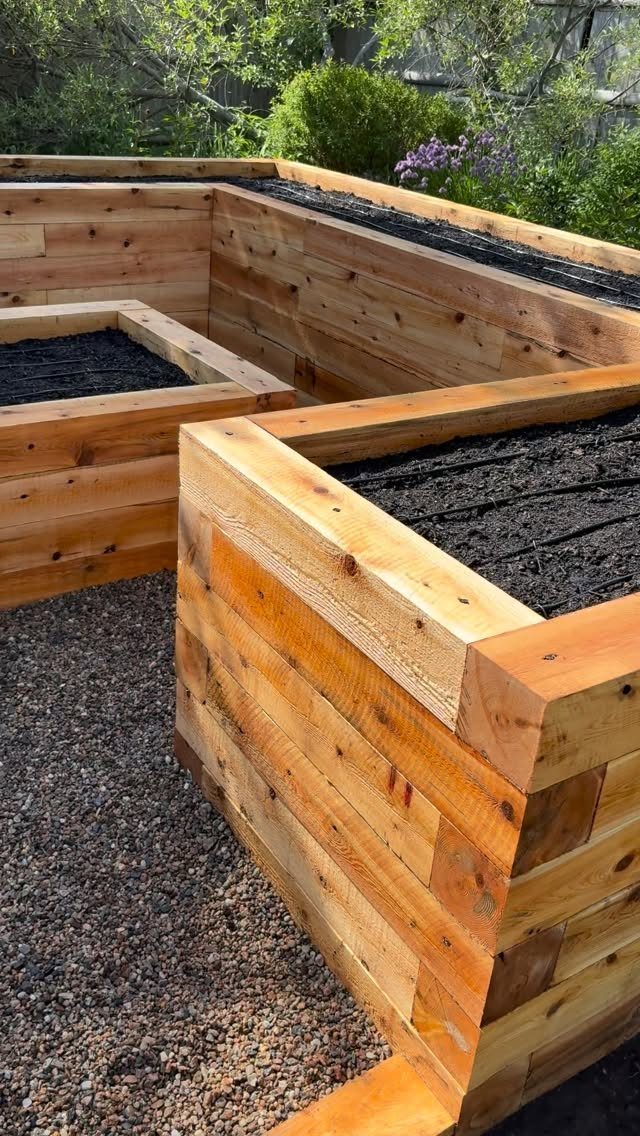
Raised beds lift your soil above whatever is underneath, which matters when that underneath is compacted clay, contaminated fill, or just a stubborn mat of weeds.
Cedar boards and framing angles build a 4-by-4-foot box one foot tall for about $100 in materials; steel lasts longer but costs more upfront.
The soil you fill it with is the real expense. I ran the numbers once and the dirt alone matched the frame price.
Someone gardening in place with decent ground and a working back might skip the structure and spend that money on plants instead. For small spaces, though, the defined edge keeps things legible, and the height saves your knees.

Materials: Made from 100% FSC certified cedar lumber, treated with an environmentally safe water-based stain. Posts are made from anodized aluminum.

🪵 Solid American Cedar: Crafted from untreated 100% solid American cedar boards, it is ideal for growing vegetables, herbs, and flowers.

100% Natural Western Red Cedar from North America: Our raised garden beds are made from 100% natural western red cedar from North America, a naturally weather-resistant and durable wood.
2. Cottage Garden
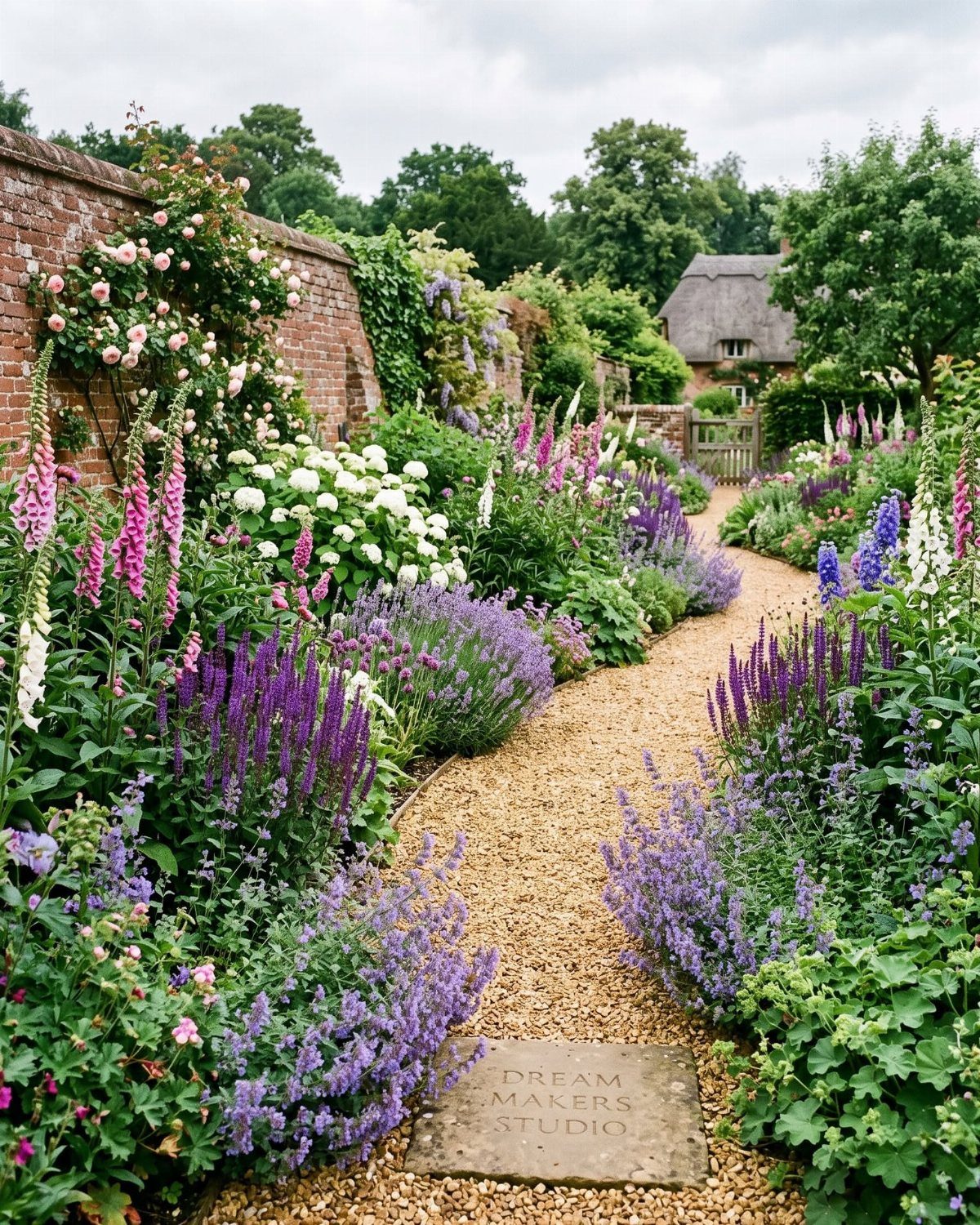
A cottage garden reads as accidental but rewards the hand that plants with intention. Old-time annuals, perennials, and herbs mix together in no formal pattern, so the charm comes from density and overlap rather than geometry.
This style suits homeowners who want maximum bloom per square foot and do not mind reworking the plan each spring.
Maintenance is the real cost: self-seeders wander, shrubs outgrow their spots, and the whole thing looks ragged by late summer if you do not cut back and divide.
Plant what you will cut for the house; that gives you a reason to keep up with it.

𝐅𝐥𝐞𝐱𝐢𝐛𝐥𝐞 & 𝐄𝐚𝐬𝐲 𝐭𝐨 𝐈𝐧𝐬𝐭𝐚𝐥𝐥: Each panel measures 40" (L) × 5" (H), including 3" underground stakes for strong anchoring, leaving 2" visible above ground for a clean, low-profile border. The hammer-in design makes installation fast and effortless—perfect for creating neat, professional-looking edges without digging.

ABOUT THE EDGING: 2" above ground, spikes are 2.5” in height; 10 Pack of 40" each, 33Ft in total installed; 11 pieces 7'' clamps offer extra stability; Clips and gloves included; These long strips of metal edging are flexible enough to bend to your exact specifications

No Digging: These no-dig lawn edgings are simple to install. Just hammer these spikes into the ground to reinforce the shape to prevent warping. It's easy to create a beautiful garden by yourself without hiring a professional.
3. Vertical Garden
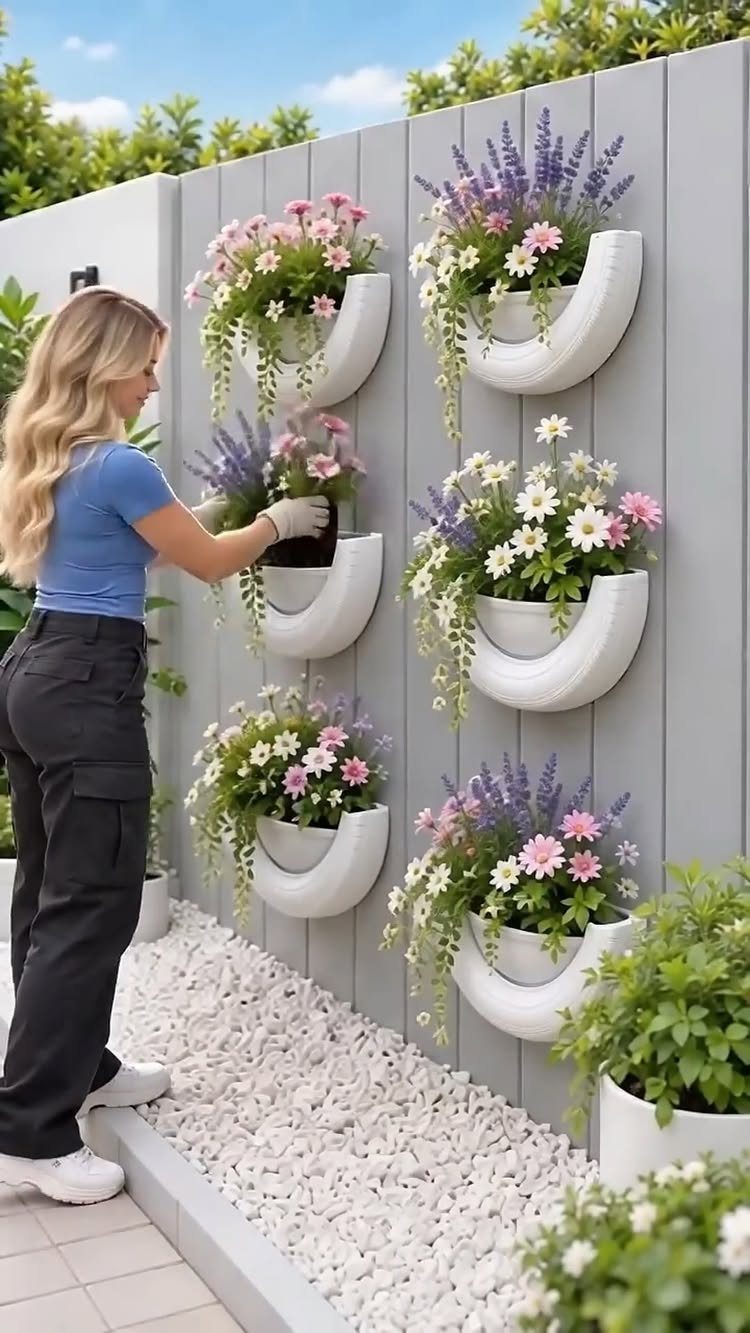
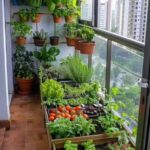
Wall-mounted planters turn a fence into growing space when ground is scarce or already spoken for. Crescent-shaped holders keep soil contained and let you swap plants without rebuilding anything.
Trellises work too, though climbing plants need time to cover them. A potted vine on a deck gives screening in one season if you start with something established; seeds or small plugs take two.
The vertical emphasis also suits sloped yards, where upright planting makes the grade feel deliberate rather than awkward. Either way, check that your wall or fence can take the weight of wet soil before you drill.

Transform Your Outdoor Wall Decor with this sleek metal planter measuring 16x5.1x5.1 inches! Crafted from rust-resistant metal, it thrives in rain or shine, making it perfect for wall planters for outdoor plants. Dual wall mount and hook mount options let you style patios, balconies, or indoor herb gardens effortlessly.

Premium Quality 2-Pack Set: The vertical garden planter is made of high quality natural wood. This wall planter set includes 2 wooden trellis 11.42" width in 4 lengths: 15.7", 23.6", 35.4", or 47.2". You can also mix and match different sizes
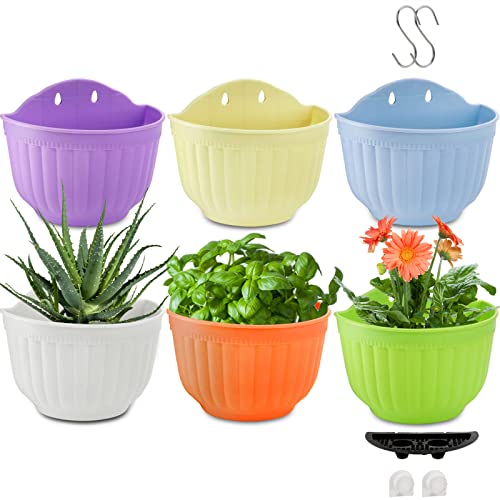
Our railing plant pots are made of premium tough PP resin material, non-toxic, weather-resistant and shatter-proof, sturdy and lightweight for indoor or outdoor uses. The matching S hooks are made of rust-proof and heavy-duty stainless steel
4. Herb Garden
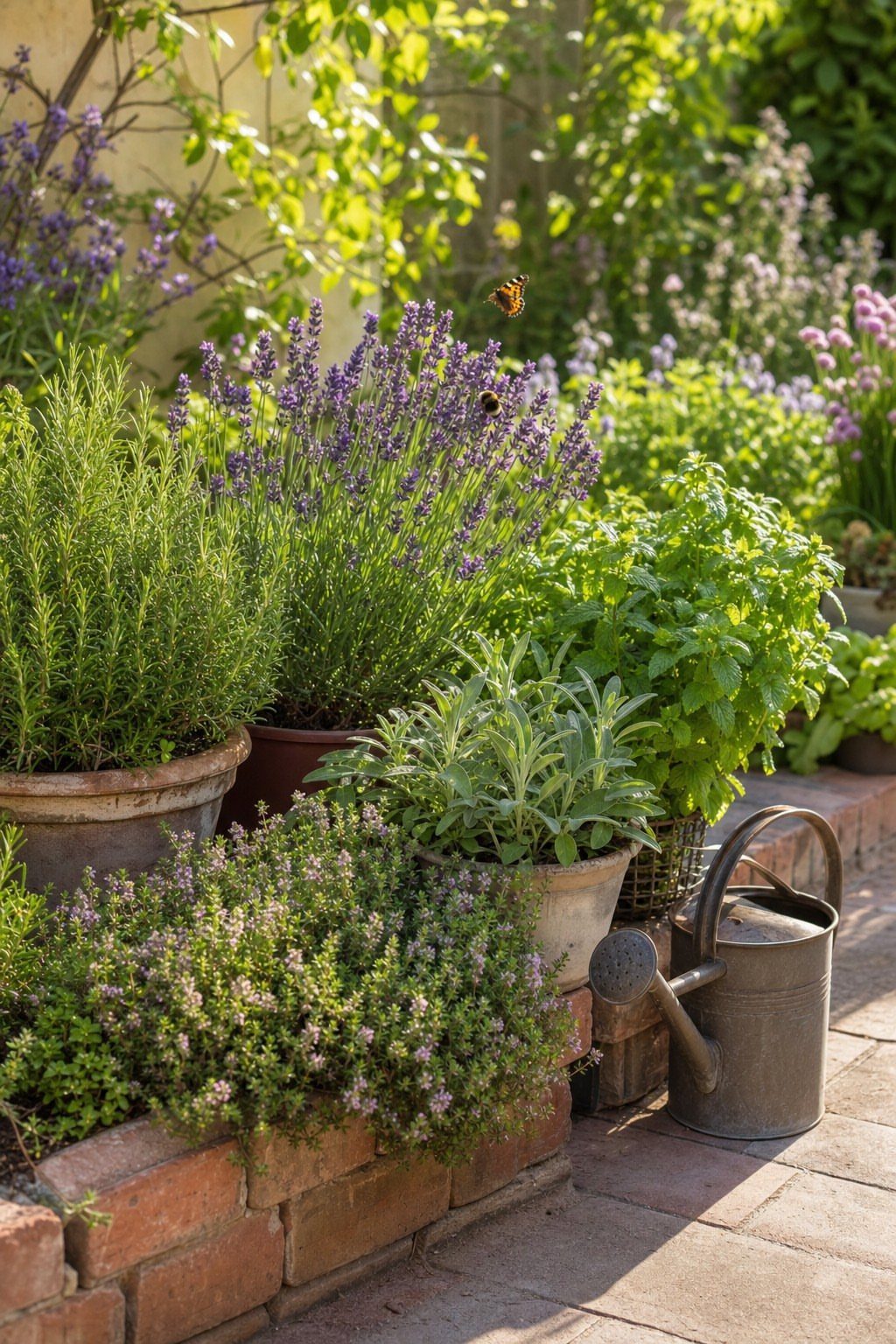
Herbs earn their spot by how often you reach for them. Basil, rosemary, sage, and mint in terracotta or a brick planter sit right outside the door, which means they get used.
Annual herbs like basil need replanting each spring; perennials such as thyme and oregano spread and stay put for years, so give them room from the start.
A single large pot handles the whole collection if space is tight, and window boxes work for renters without ground at all. Saving grocery money is not the point; having the variety you actually cook with is.

Space-Saving : This strawberry planter maximizes your gardening space by stacking 5 layers to grow more plants in a compact area. The strawberry tower planter is ideal for patios, balconies, or indoor use.

High-quality Product: Thick, high-quality PP materials can be used repeatedly without fading, not easy to crack even in summer; Suitable for garden or indoor use

Efficient Growing: This hydroponic tower features a 10-tier vertical design with 50 plant pods. It maximizes growing efficiency in compact spaces like kitchens and balconies while supporting a greener lifestyle
5. Water Garden
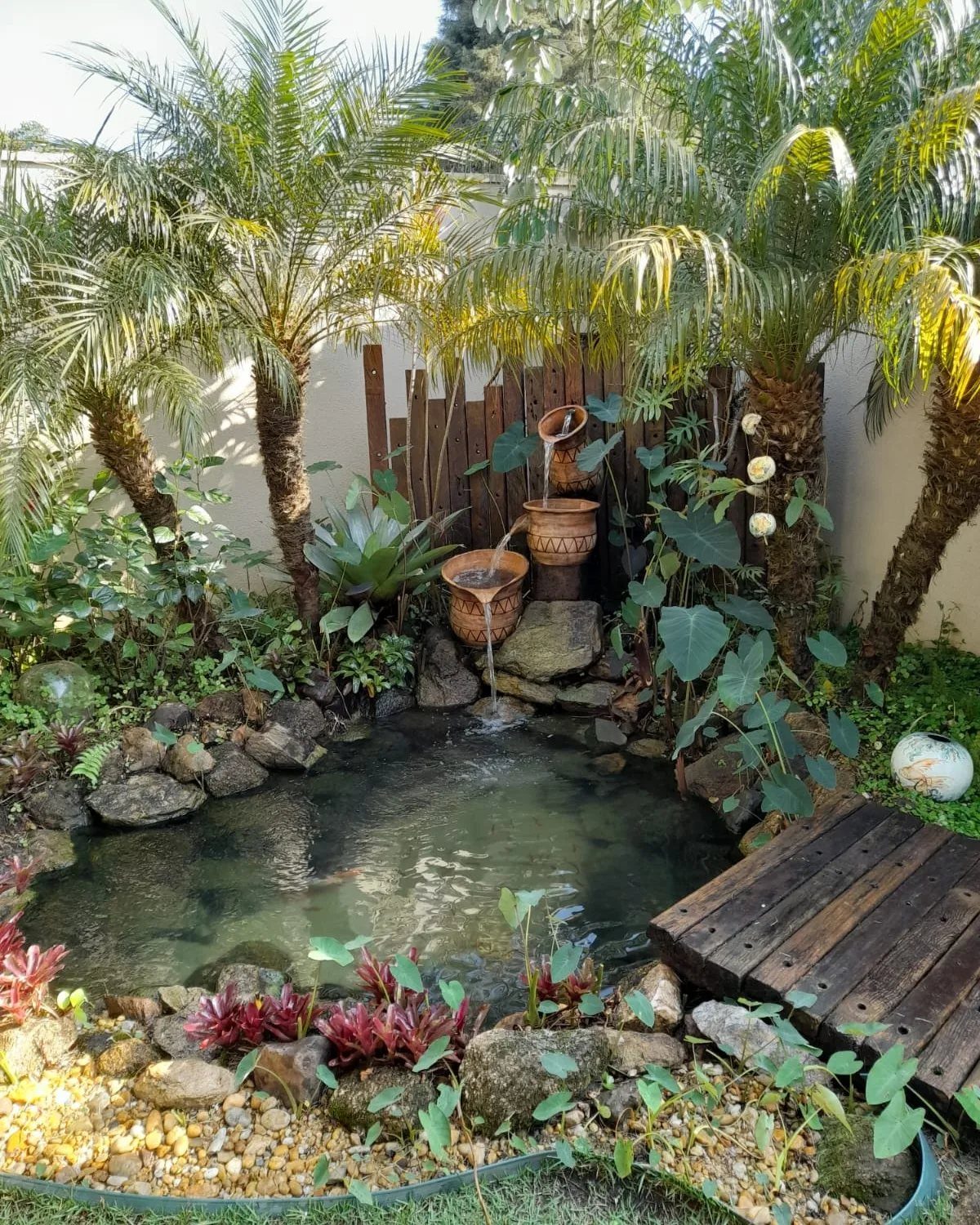
A small pond or recirculating fountain brings sound and movement to a corner that would otherwise go quiet. Terracotta pots stacked into a tiered spill keep the scale residential and the construction simple.
Wildlife shows up fast: dragonflies, birds after a drink, frogs if you are patient.
The maintenance is real; pumps clog, algae grows in full sun, and standing water means mosquito duty unless you keep it moving. A deck or patio placement keeps it visible from inside, which is where you will notice it most.

Fragrant, Versatile Herb: Broadleaf Thyme (Plectranthus amboinicus), also known as Cuban Oregano, has large, aromatic leaves with a strong, oregano-like flavor, ideal for culinary dishes, teas, and natural remedies.

Huge Value -18 Most Popular Culinary Herbs non-GMO Heirloom Seeds - LESS THAN $1.30 PER SEED VARIETY - 10180 herbs seeds including: Basil, Catnip, Chervil, Chives, Cilantro (Coriander), Dill, Fennel, Thyme, Lavender, Lemon Balm, Oregano, Marjoram, Mountain Mint, Parsley, Rosemary, Sage, Summer Savory, Tarragon

6. Porch Border Garden
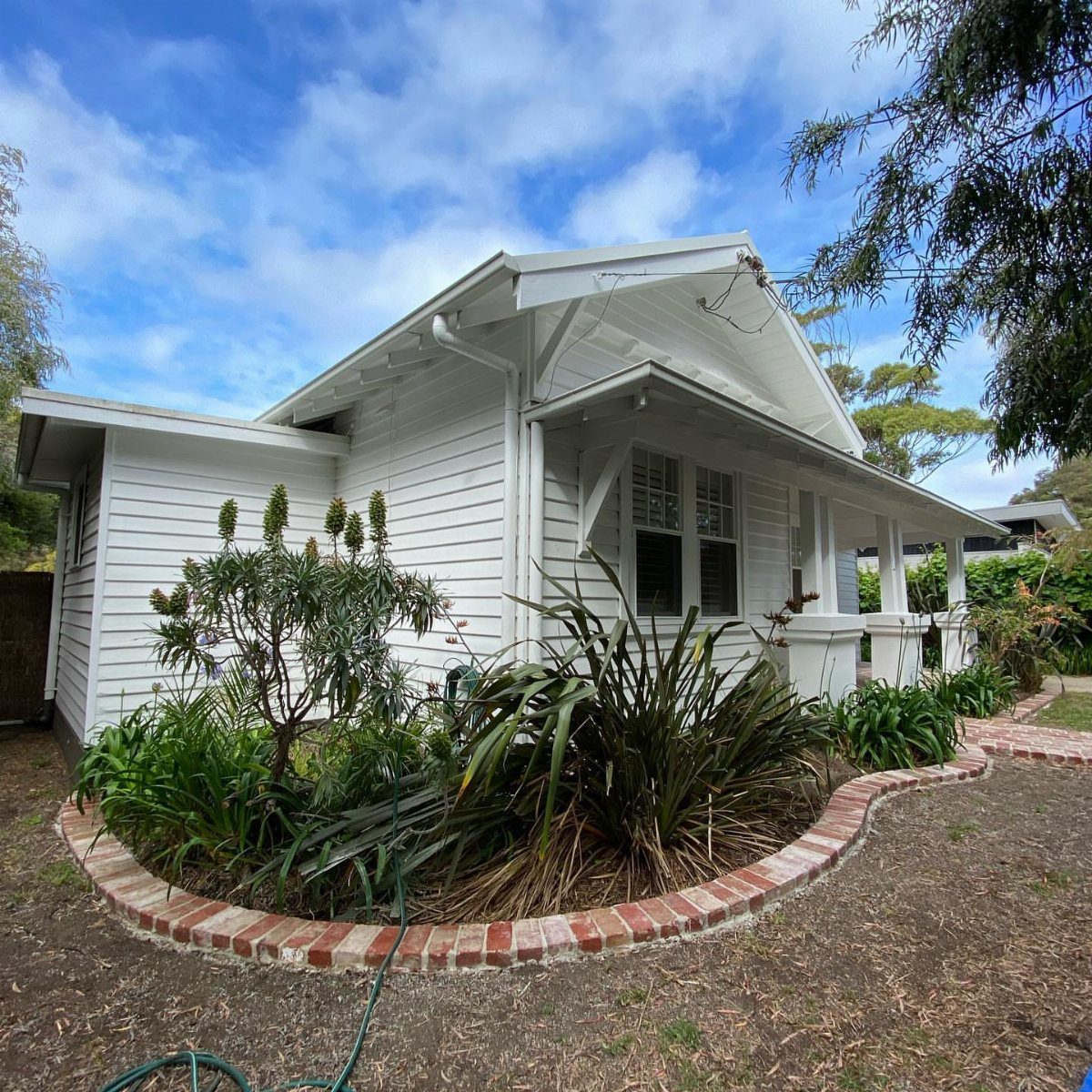
A porch border runs along the foundation and replaces the usual row of identical shrubs with something that shifts through the year. A curved brick edge keeps the bed distinct from the house and the yard both.
The hard part is sequencing bloom so something carries each month.
Structure comes first: evergreen domes, a hydrangea, maybe a small standard tree for height against the wall. Then herbaceous perennials fill the middle ground, and ground-covering geranium or similar suppresses weeds where soil would otherwise show.
Check your light honestly; a sunny mix turns thin and leggy in shade, and no amount of fertilizer fixes a mismatch there.

SPACIOUS GROWING SPACE WITH EXTRA PLANTING DEPTH:Measuring 91.5" L × 47.3" W × 22.06" H, this galvanized raised garden bed holds approximately 412 gallons of soil, providing generous planting space and extra depth for vegetables, herbs, flowers and fruits. The spacious design allows roots to grow naturally while supporting tomatoes, peppers, cucumbers, broccoli, beans, lettuce, carrots, potatoes and other popular garden plants. Ideal for backyard gardening, raised vegetable gardens and outdoor planter box projects.

Made in the USA from chemical-free North American cedar

DIMENSIONS: 48 in. W x 48 in. D x 29. 12.6 in. H
7. Potager Layout Garden
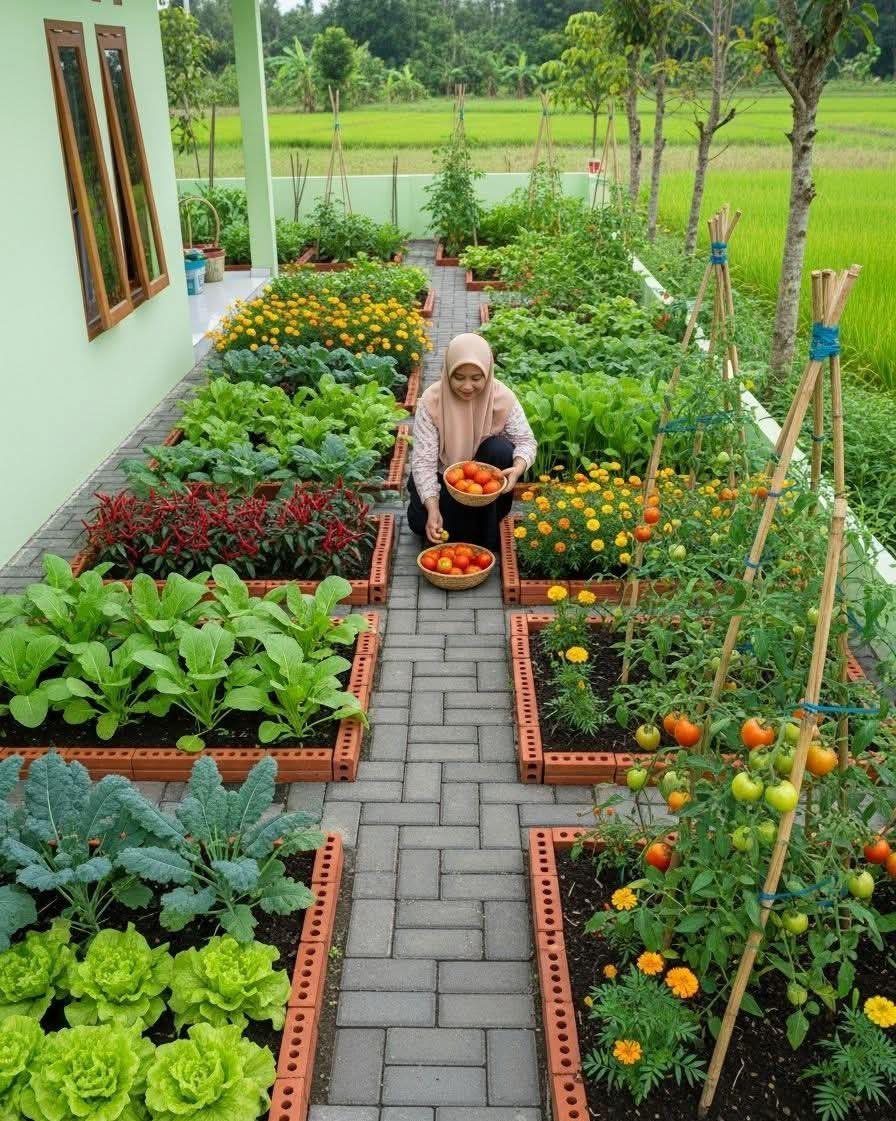
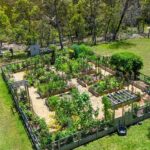
A potager mixes vegetables, herbs, and flowers in the same beds, arranged for looks as much as harvest. Brick or gravel paths divide the space into geometric plots, each one dense with edibles and cutting flowers together.
The layout suits someone who wants the garden to read as intentional from the kitchen window, not just productive.
Sequencing matters: tall tomatoes and climbing beans go where they will not shade lower crops, and perennial herbs anchor corners so something stays green in early spring.
Annual vegetables need replanting each year, so the structure of paths and permanent edges carries the design between seasons.
A kitchen garden, or potager, is the ideal way to create a pretty and practical garden space.

Size:Quibbay flexible landscape edging is 3.15 inch height and 50 ft length, with 75pcs 6 inch spiral edging stakes. Garden edging is great for landscape edging,flower beds, garden pathways, tree rings and grass.
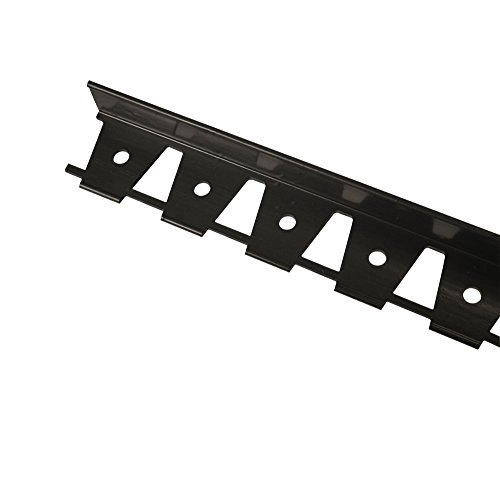
SNIP TO FLEX PAVER, BRICK, OR LANDSCAPE EDGING: Create a beautifully landscaped yard and paver designs without having to hire a professional with easy to install commercial grade edging

SIZE:Landscape edging is 33ft/10m length & 4in/10cm height; with 50pcs 8-inch spiral spikes.
8. Wildflower Garden
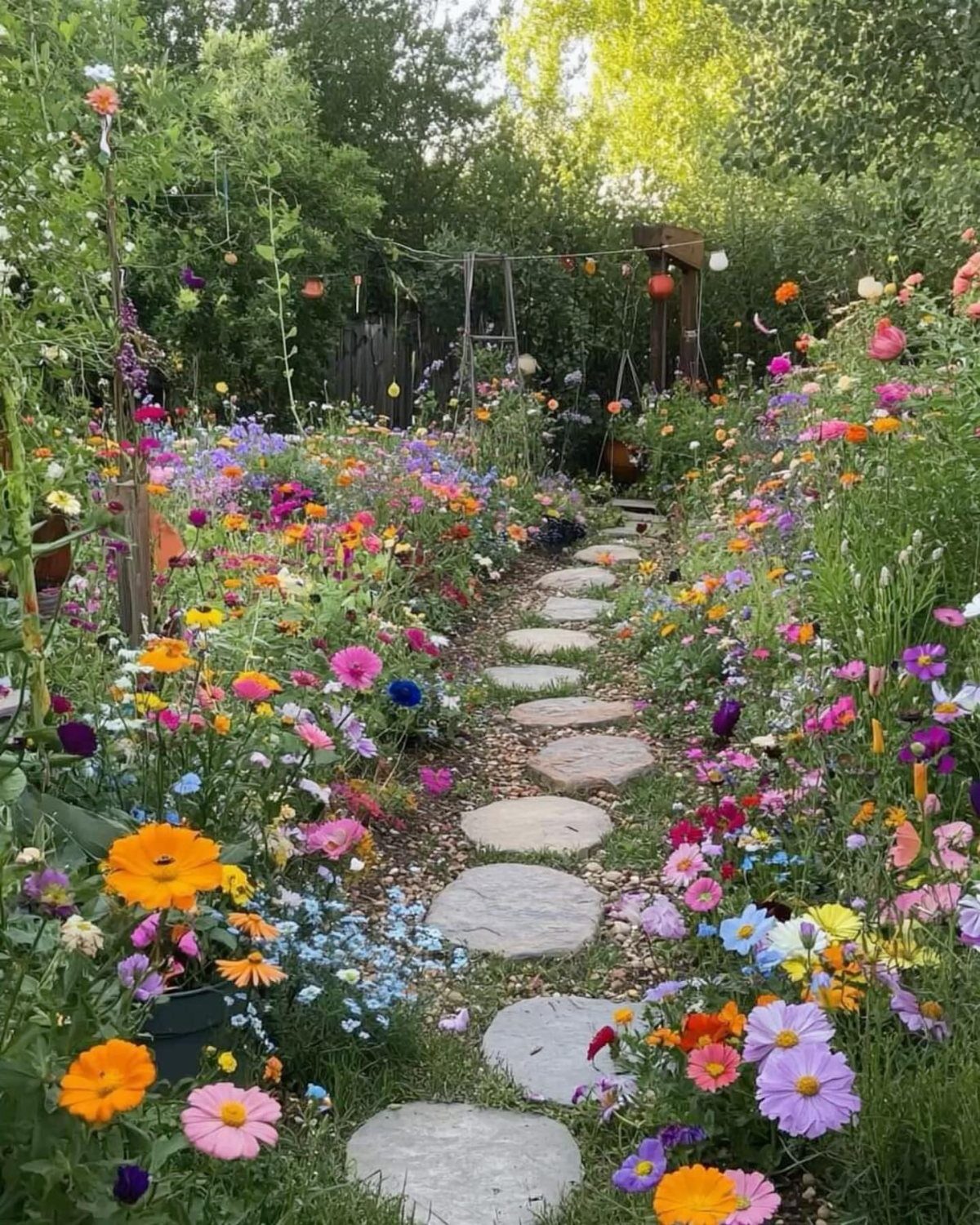
Native wildflowers seeded into prepared ground fill space with color that shifts through the season without replanting each spring. A narrow stone path through the middle lets you walk it without compressing soil where roots grow.
The seed mix is the decision that matters. Generic "wildflower" blends often include cultivars or species that will not survive your winters, or aggressive ones that overrun the rest.
A regional native mix from a local nursery or conservation district costs more per pound but establishes without becoming a weedy mess.
First-year growth looks thin; most perennials spend that energy below ground and bloom the second year. Patience, or a mix that includes annuals for cover, gets you through the wait.

Pack of 2 semi circular wall hanging planters. Rustic Indoor and outdoor decoration.

Set of 2 wall mounted black metal decorative lattice garden trellises perfectly support outdoor or indoor climbing plant vines in modern minimalist style **Some assembly required**

Wine barrel planters for Versatile Planting: the package includes 6 wine barrel hanging planters for outdoor plants, providing ample opportunity for creative and diverse planting arrangements, catering to various gardening needs; And each pot is about 10 x 6 x 3 inches/ 25 x 15 x 8 cm in size
9. Garden Seating Nook
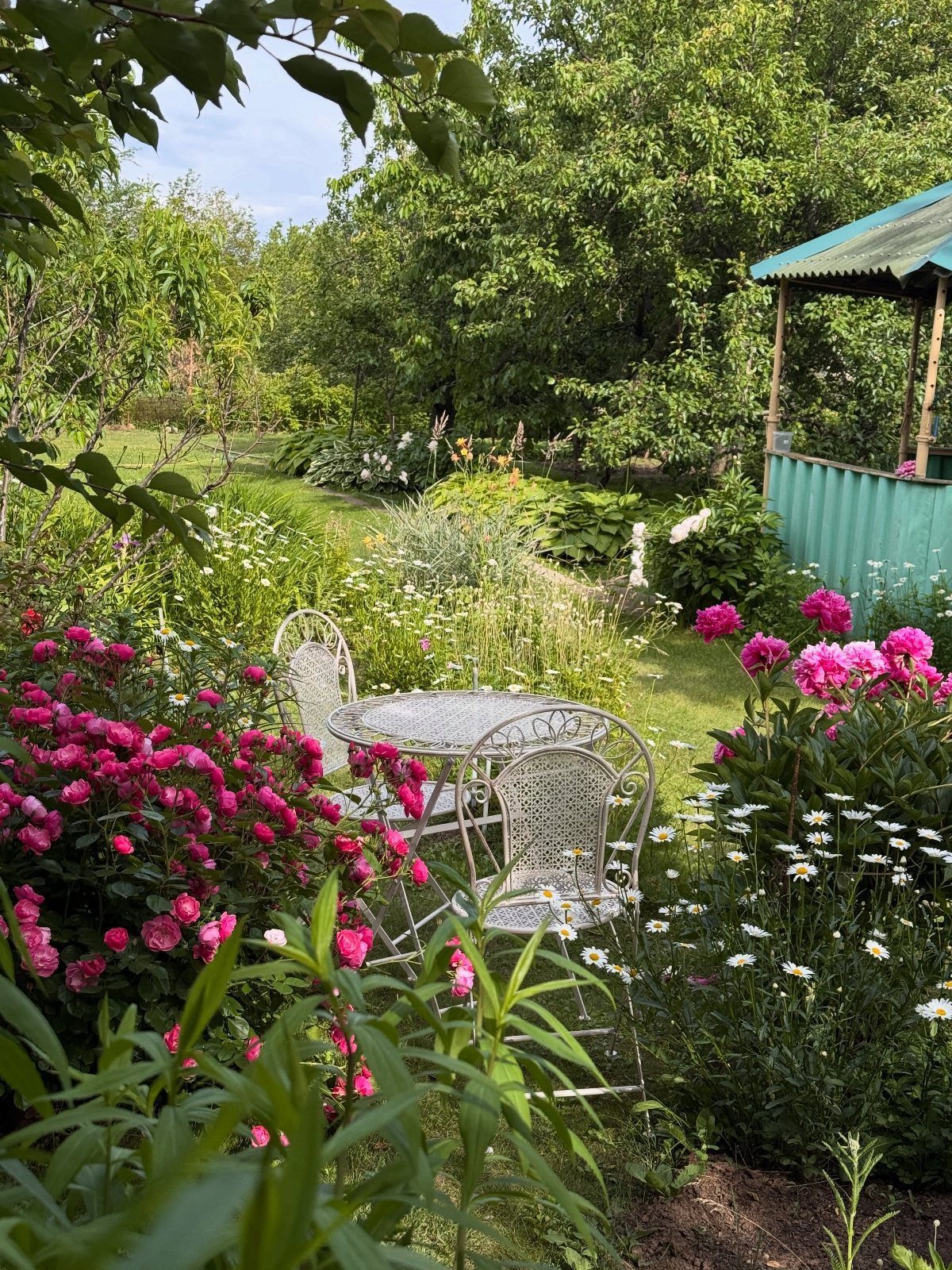
A small table and 2 chairs set into planting rather than onto lawn gives you a destination inside the garden instead of apart from it.
A low metal bistro set lets surrounding growth rise above seat height and enclose the space.
Before placing anything, check how the light moves. Morning sun with afternoon shade suits most people for sitting; full midday exposure in July makes metal furniture too hot to touch and drives you back inside.
Give yourself enough paved or gravel surface for chair legs to sit level, and leave elbow room for leaning back without crushing stems behind you.


Innovative Space-saving Design: maximize your gardening potential with our stackable wall planter system; Each piece measures 9.45" x 5.71" x 5.51" and features two pockets, The overall dimensions are 47.5"x33"x5.5" offering ample growth space for a variety of plants; Nice for Fence Balcony Wall Decor, these vertical wall planters change limited spaces into gardens effortlessly

The GreenStalk system is proud to be designed and manufactured completely in East TN. Made with high quality, BPA-free, UV-resistant plastic with a 5 year warranty
10. Pergola Brick Pathway
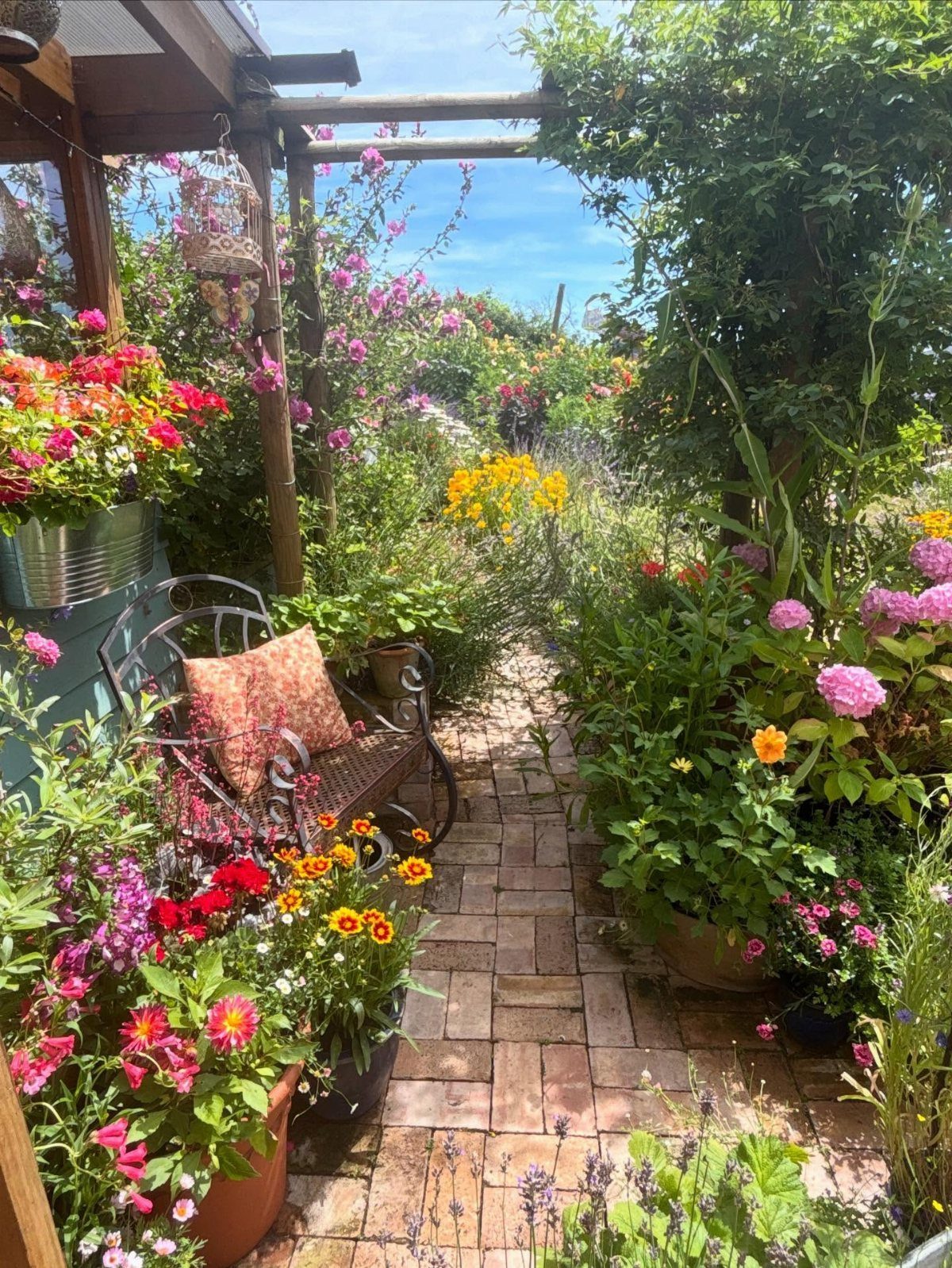
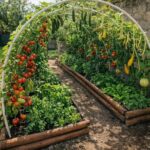
Brick laid in sand over compacted base makes a path that drains and stays level; the pergola overhead gives vertical definition even before vines cover it.
Potted plants along the edges let you shift color through the season without disturbing roots in the ground.
A pergola does not shelter from rain, only from direct sun, so place it where shade is what you actually need. Wood species matters for longevity: cedar or redwood resists rot without pressure-treating, and costs more upfront.
Check local setback rules before digging footings; some codes treat a pergola as a structure requiring permits if attached to the house or over a certain size.
Potted plants need watering more often than ground-planted ones, so cluster them where a hose reaches.


Love fresh herbs like mint and thyme from the garden? Wear this cute apparel if you love growing herbs or cooking with fresh herbs.

🌿You Will Get: 24 pcs T-design plant label signs, 12 styles herb signs, 2 pcs of each style, enough to meet your different needs for your garden
11. Stone Walkway Flower Border
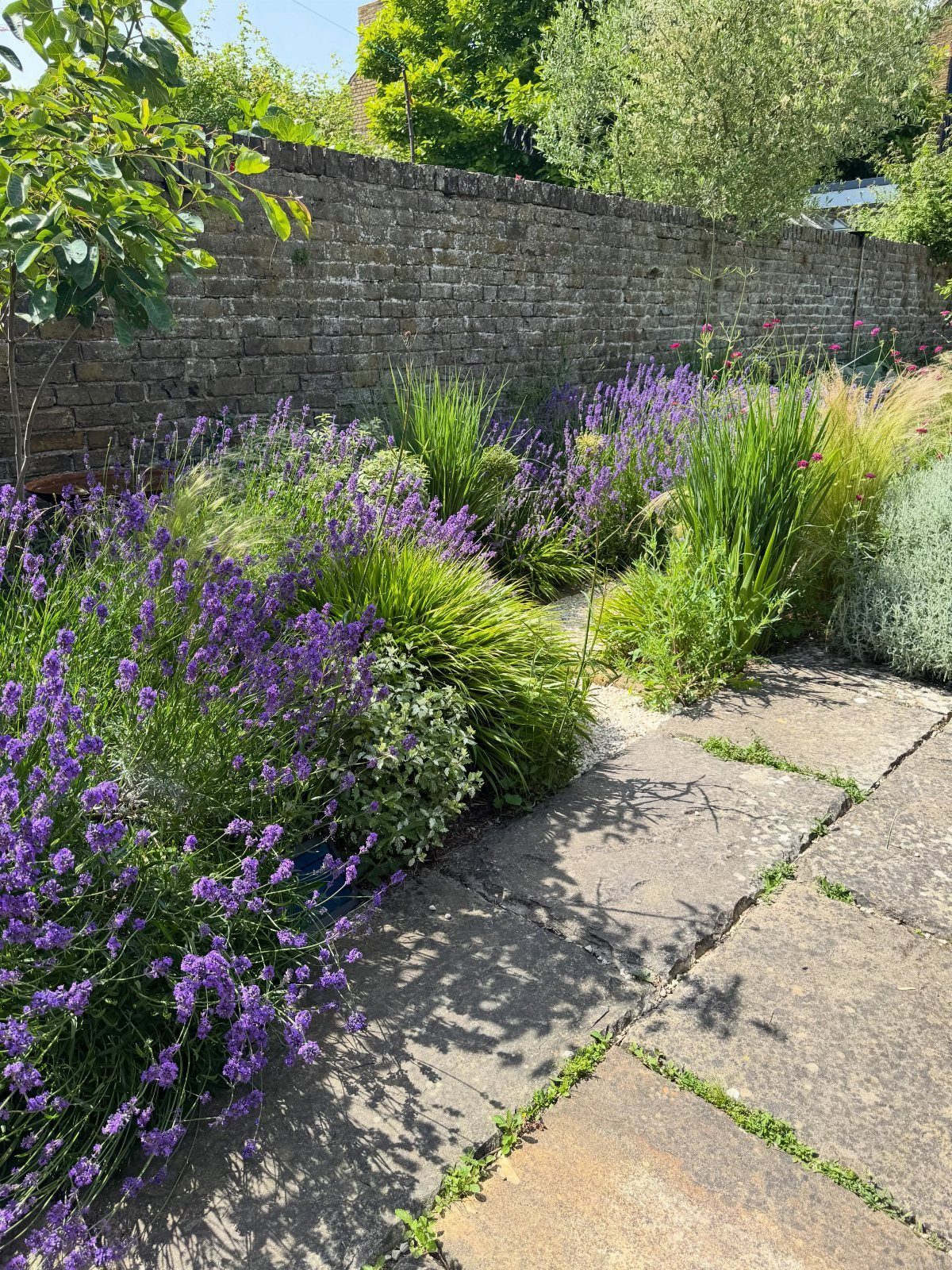
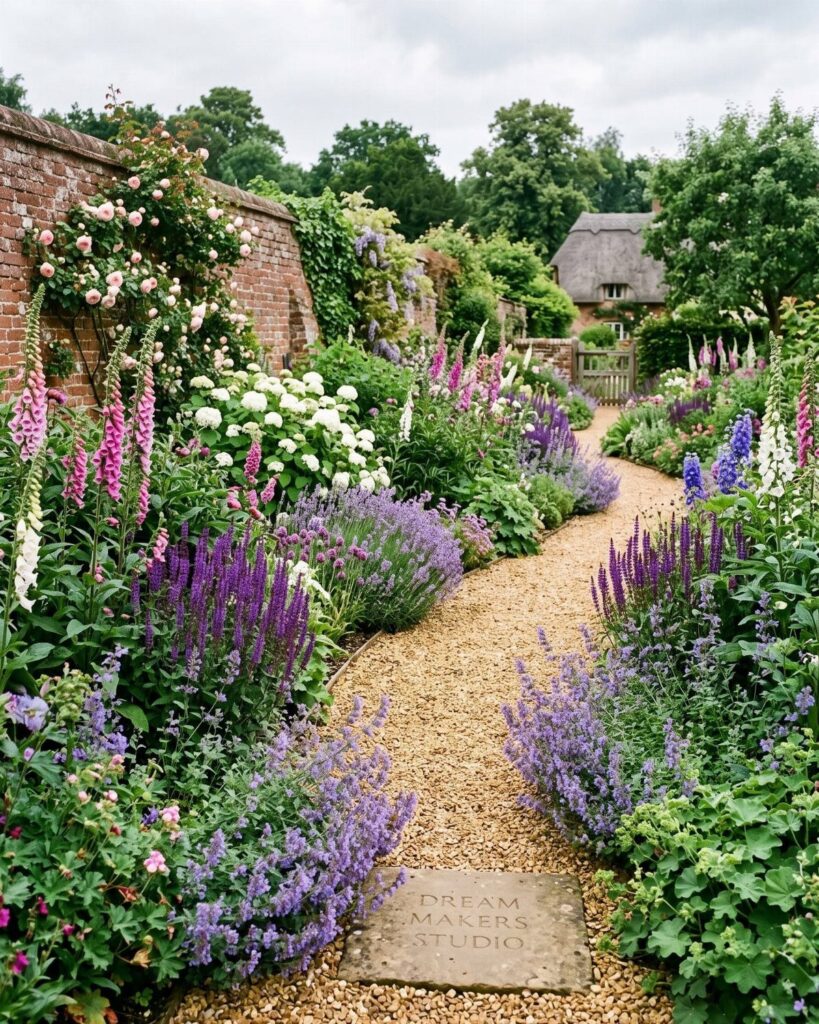
Stone set as a walking surface with planting alongside turns circulation through the garden into part of the experience. Lavender and ornamental grasses give structure that persists when flowers finish.
A long border needs sequencing through the season, not just one peak. Evergreen domes and a hydrangea carry the winter silhouette; nepeta, salvia, and allium layer bloom from late spring into summer; grasses and hydrangea heads take it into fall.
The brick wall behind adds reflected heat and a backdrop that makes purple and silver foliage read clearly; without a wall, a hedge or fence achieves some of the same effect.
12. Tropical Bed with White Pebbles
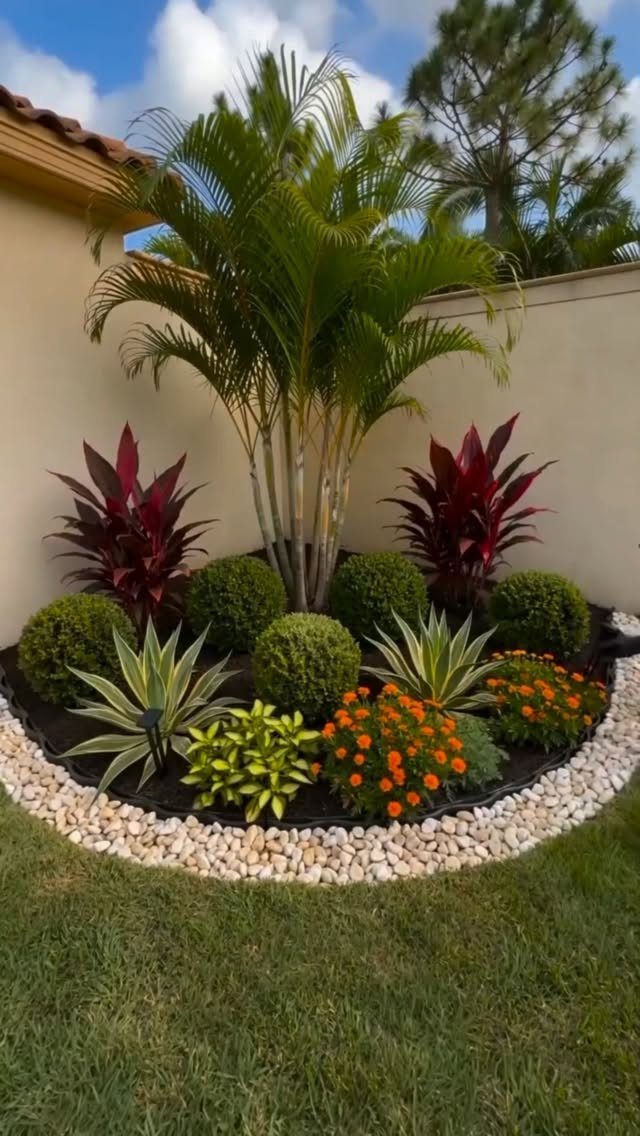
White pebbles as a frame around a planted bed reflect light upward into foliage and keep soil from splashing onto leaves during rain. Palms, cordylines, and agaves all want sharp drainage and more sun than their lush look suggests.
Hardiness is the check before buying. A palm that survives one mild winter may turn to mush the next; agaves in pots can move under cover, but planted ones need your zone to match their tolerance.
Pebbles over landscape fabric suppress weeds for a few seasons, then organic matter accumulates on top and seeds into that. Refreshing the pebble layer every three to four years, or skipping fabric and weeding instead, are the two maintenance paths.
Choosing the Right Plants
Start with what your household actually eats.
A list of the vegetables and herbs you buy weekly tells you more than any seed catalog, and matching that list to your hardiness zone keeps you from nursing tender plants through a season they will not finish.
Local nurseries and extension offices stock varieties proven for your area; their survivability is already tested.
Soil type matters as much as climate. Clay holds water and nutrients but drains slowly; sand drains fast and starves plants.
A raised bed lets you engineer around bad ground, though the cost of imported soil runs about even with the frame itself. Test your native dirt before deciding whether to build over it or work with it.
Edibles and ornamentals can share space if their needs align.
Garden Layout Planning
Track the light through a full day before placing anything permanent. A spot that reads bright at 10 a.m. may fall into shadow by 2 p.m., and no fertilizer corrects a mismatch there.
Space for the mature size of the plant, not the nursery pot it arrived in.
A hydrangea planted too close to the foundation will outgrow its spot fast; giving it room from the start saves the trouble of moving it later.
Paths need enough width for the work you do in them; a narrow path works for hand tools, but wheeling a barrow or cart through means planning wider.
Accessibility saves the garden from neglect.
A hose that reaches every bed without dragging across plantings, a spigot close enough that watering is not a chore, and level surfaces where you kneel or stand all determine whether the work gets done on Tuesday evening or waits until Saturday when everything is wilted.
Maintenance Tips
Low-maintenance plants are the ones suited to your conditions, not a special class of vegetation. A plant stressed by wrong soil or light demands more intervention than one at home in its spot.
Watering is the task that breaks most gardens.
A soaker hose on a timer automates the chore for beds; drip irrigation suits rows of vegetables but takes longer to set up. Soaker hoses adjust more easily than drip lines if you change the layout mid-season.
Small pots dry fastest and need the most attention. A single large container holds more soil, more moisture, and more margin for error than 4 small ones with the same total volume.
Design Principles
Unity comes from repetition more than variety. One brick edge, repeated along every bed, ties a cottage garden and a potager into the same yard; mixing brick, stone, and steel borders fractures the whole into pieces.
Focal points give the eye somewhere to rest.
A pergola at the path’s end, a standard tree against the house wall, or a water feature visible from the kitchen window all serve. Without them, even a dense planting reads as noise.
Scale must match the space. Intricate detail gets lost in large open areas; bold masses and large plantings hold there.
The two-toned yew domes and mature sculptures that anchor a classical estate would overwhelm a suburban lot; a single well-placed evergreen dome and a modest chair set achieve the same structural purpose at human scale.
Frequently Asked Questions
What is the easiest vegetable garden for beginners?
Raised beds or container gardens keep maintenance manageable because you control the soil from the start.
A 4-by-4-foot cedar box one foot tall runs about $100 in materials, and filling it with good dirt matches that cost but saves you from fighting clay, weeds, or contaminated ground.
The easiest starter plot grows what you already eat: carrots, radishes, spinach, and peas while it’s cool, then cucumbers, bush beans, and zucchini once summer settles in.
What are some ideas for a small garden patio?
Vertical gardens on walls or fences add growing space when ground is already taken, and a small table with 2 chairs set into planting rather than onto lawn gives you a destination inside the garden.
Chair legs need a flat surface, paver or gravel, and I left wider gaps than I thought polite so nobody leaned back into a tomato stem.