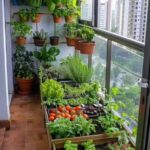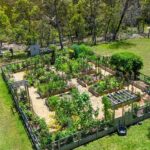
These DIY garden projects run from a free cracked pot to a cinder block bed in blocks and soil, with most finishing in a single afternoon.
The one that fits your space depends on whether you need it to move when you do, or stay put and grow.
A fairy garden in a flower pot packs up for the next rental; a living teepee of pole beans needs a full season and a fence check before the first seed goes in.
[link-whisper-related-posts]1. DIY Fairy Garden
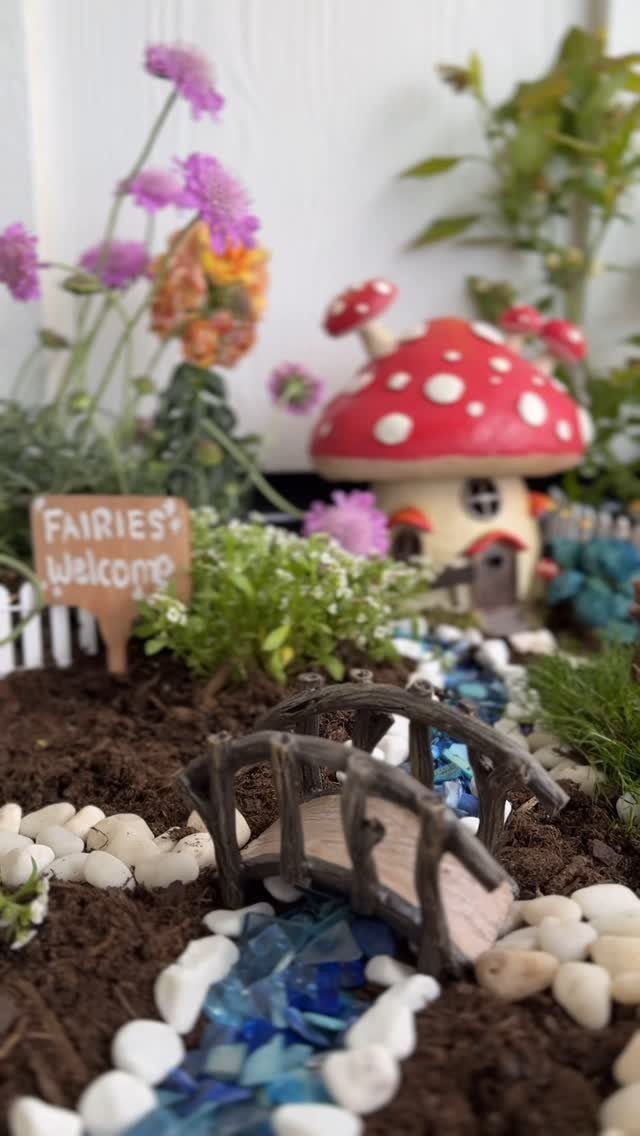
A fairy garden shrinks your whole yard down to something you can finish in an afternoon.
Flower pots, wooden boxes, or even a shallow tray work as the base; moss and small stones build the ground, and miniature houses or bridges finish the scene.
This one suits renters especially, since the whole garden moves with you. Live plants need watering, so place it where you will notice it.

Mini Bridge Outdoor - This resin fairy garden bridge hand-painted in natural color, it's a nice miniature garden accessories to your fairy garden, miniature garden, ornament for indoor plants, dollhouse fish tank decor.

Fairy Garden Bridge Set: Includes 11 variety mini bridge kits, supplies to decorate little fairy gardens

Abundant quantity: you will receive 21 pieces garden miniatures accessories in different styles and colors, enough miniature ornaments include most things you need or want to decorate an adorable garden, small size is also convenient for you to carry and store.
2. Broken Pot Fairy Garden
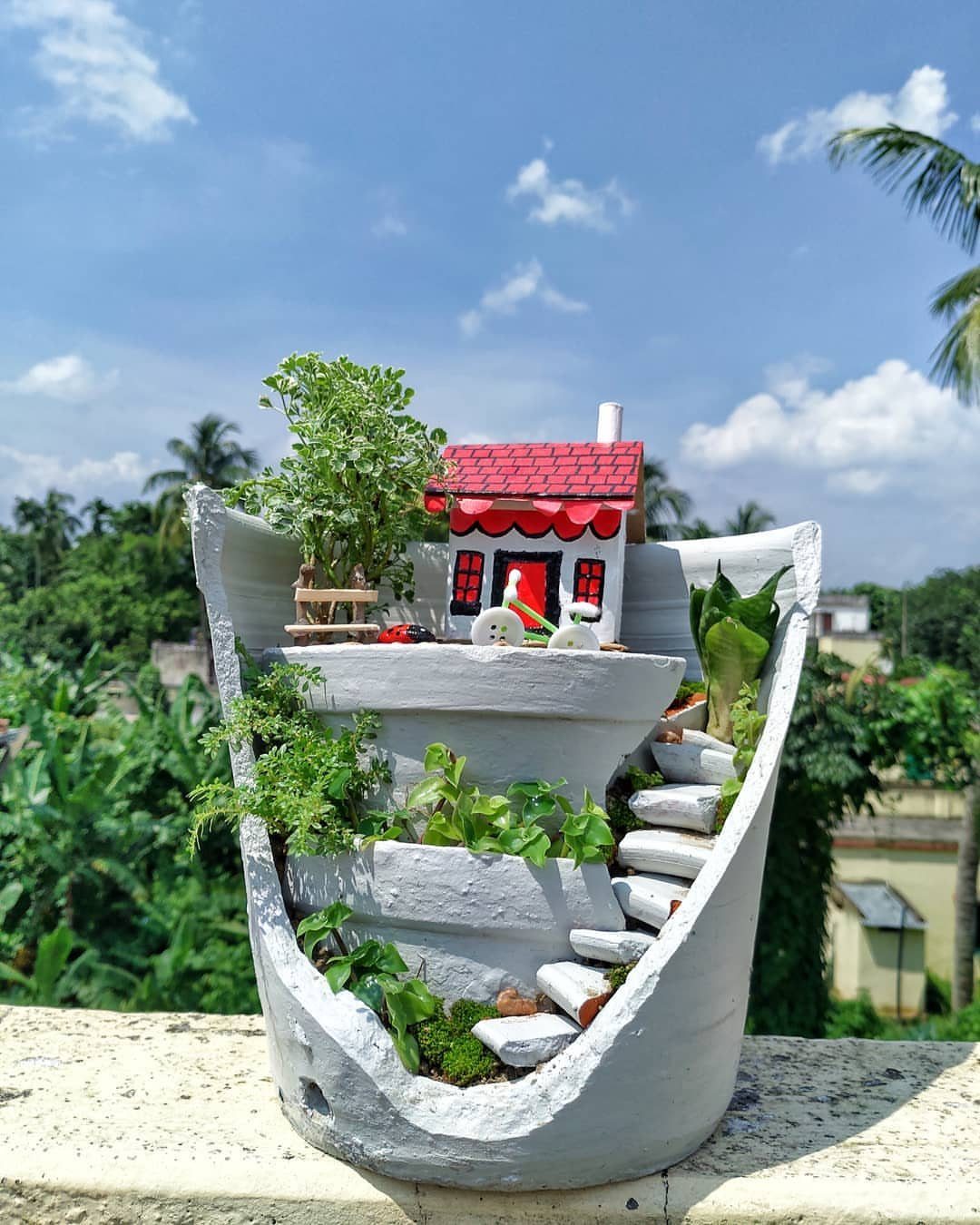
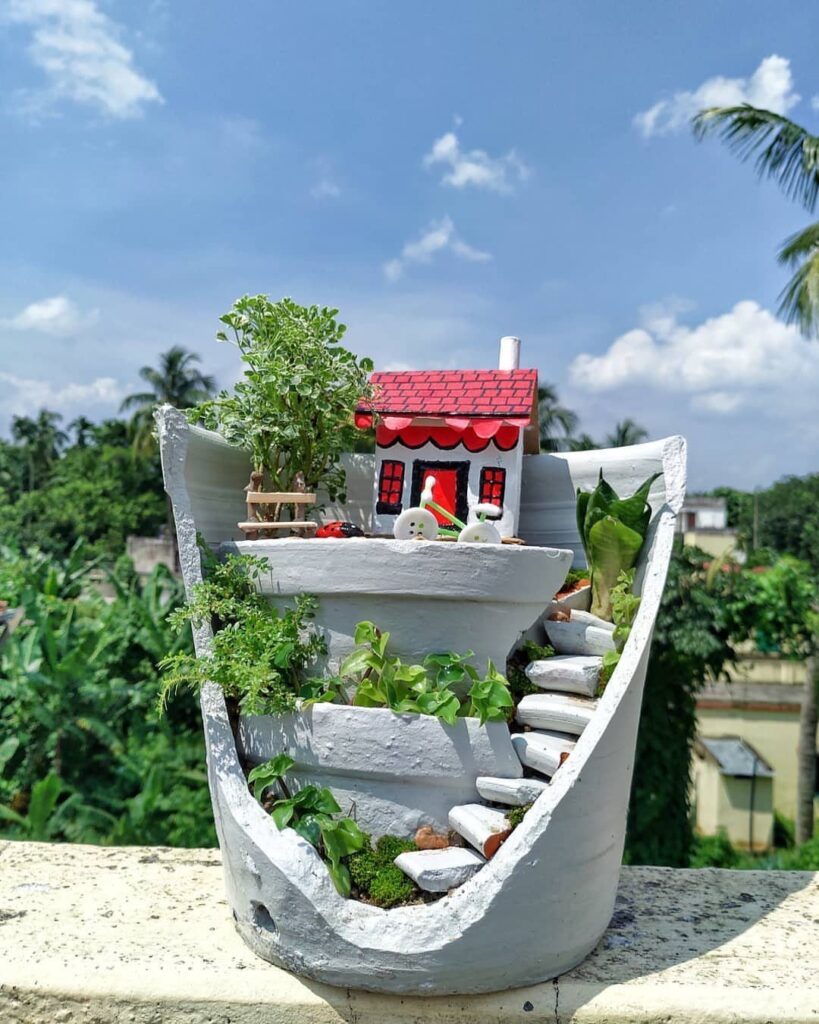
That cracked terracotta pot you were going to throw out becomes the hill itself. The broken pieces stack into steps or small terraces, turning one flat surface into several levels for planting and tiny furniture.
Clay pots shatter clean, which matters; plastic crumbles and will not hold weight. I would seal any painted surfaces if the garden sits outside year-round.

Durable Terracotta Construction: Crafted from high temperature ceramic for stability, strength, and long-lasting use.
3. Gnome Garden
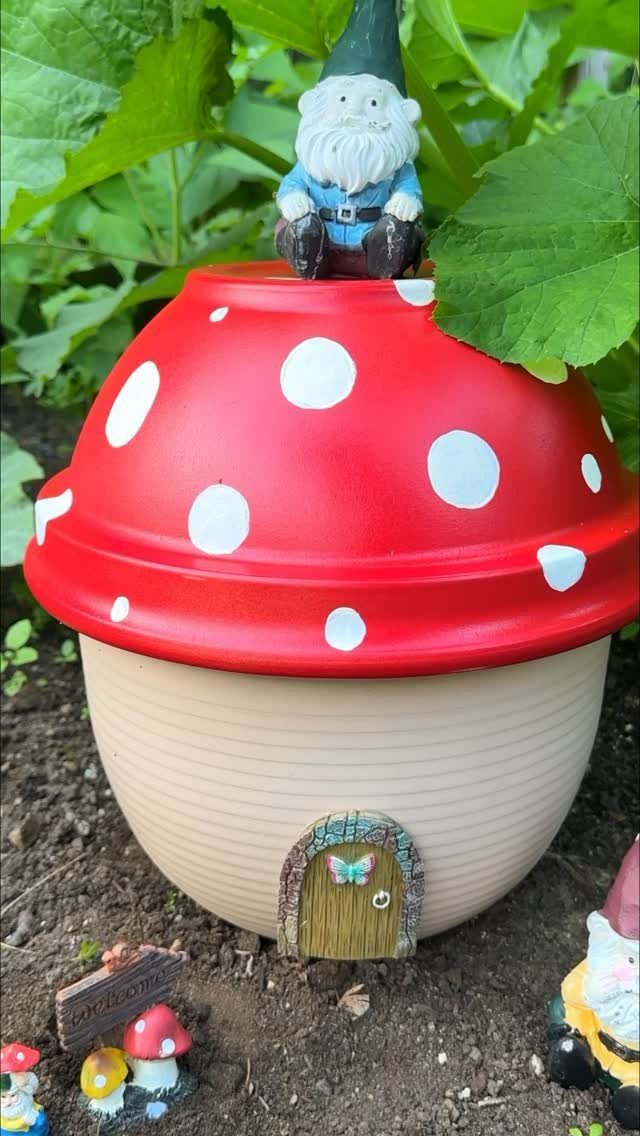
Gnome gardens trade the delicacy of fairy setups for something sturdier and stranger. The figures are heavier, the colors bolder, and the whole thing reads as playful rather than precious.
Ceramic mushroom houses and small signs hold up to weather better than paper or thin wood. This is the version I would choose for a spot kids pass daily.

Made of resin with realistic details , This wonderfully detailed outdoor garden Gnome Mushroom Home has a solar powered LED light inside the window, decorative flowers .

Birthday Bash Creativity: Offers fun and educational craft activities for kids' parties

Mushroom Fairy Tale House: The solar garden light can not only be used as daily decoration to fill our fairy tale garden, but the light that turns on automatically in the evening is also not bad for lighting.
4. Succulent Garden in a Thrift Store Bowl
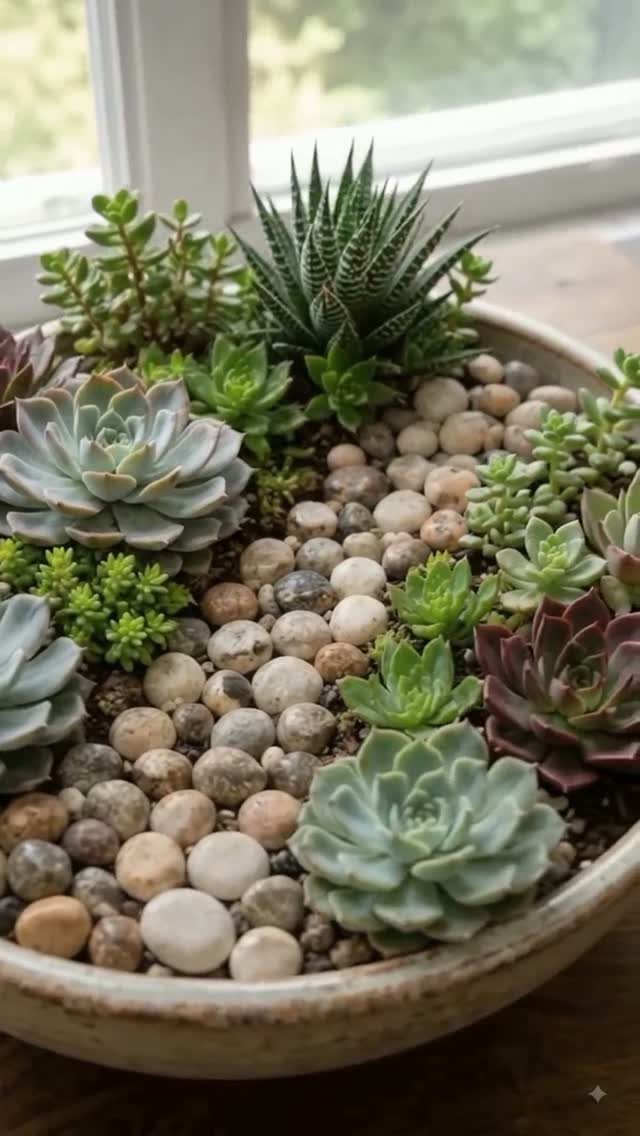
A shallow bowl from the thrift store becomes the container; succulents fill it with almost no soil depth needed. River pebbles on top keep the stems dry and the whole arrangement neat.
Water sparingly; these plants rot faster than they dry out. Near a window gives the light they want.
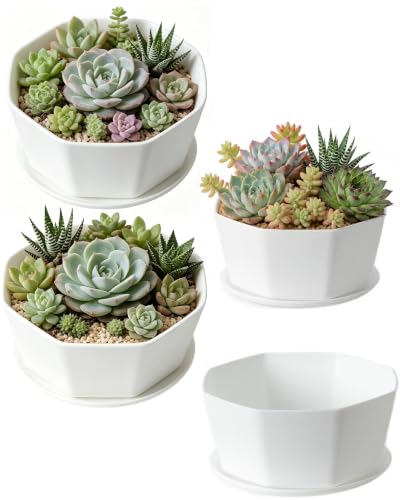
Size & Dimension: 5.9" Upper Diameter, 4.7" Lower diameter, 2.6" Height. Perfect for smaller bonsais or bigger succulents

Made with Recycled Materials: A blend of recycled plastic, stone powder, and wood dust, PSW Pots are eye-catching and long-lasting for mindful gardening.
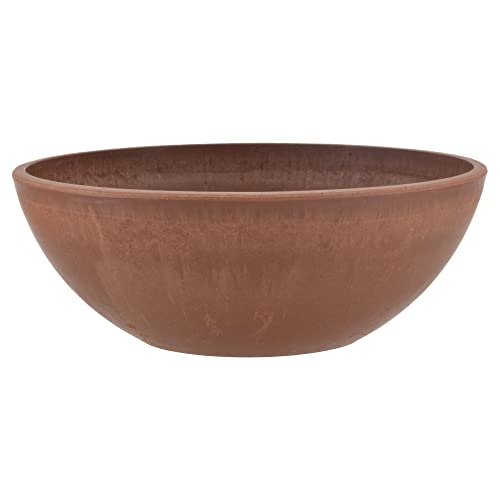
Made with Recycled Materials: A blend of recycled plastic, stone powder, and wood dust, PSW Pots are eye-catching and long-lasting for mindful gardening.
5. Mason Jar Flower Vases
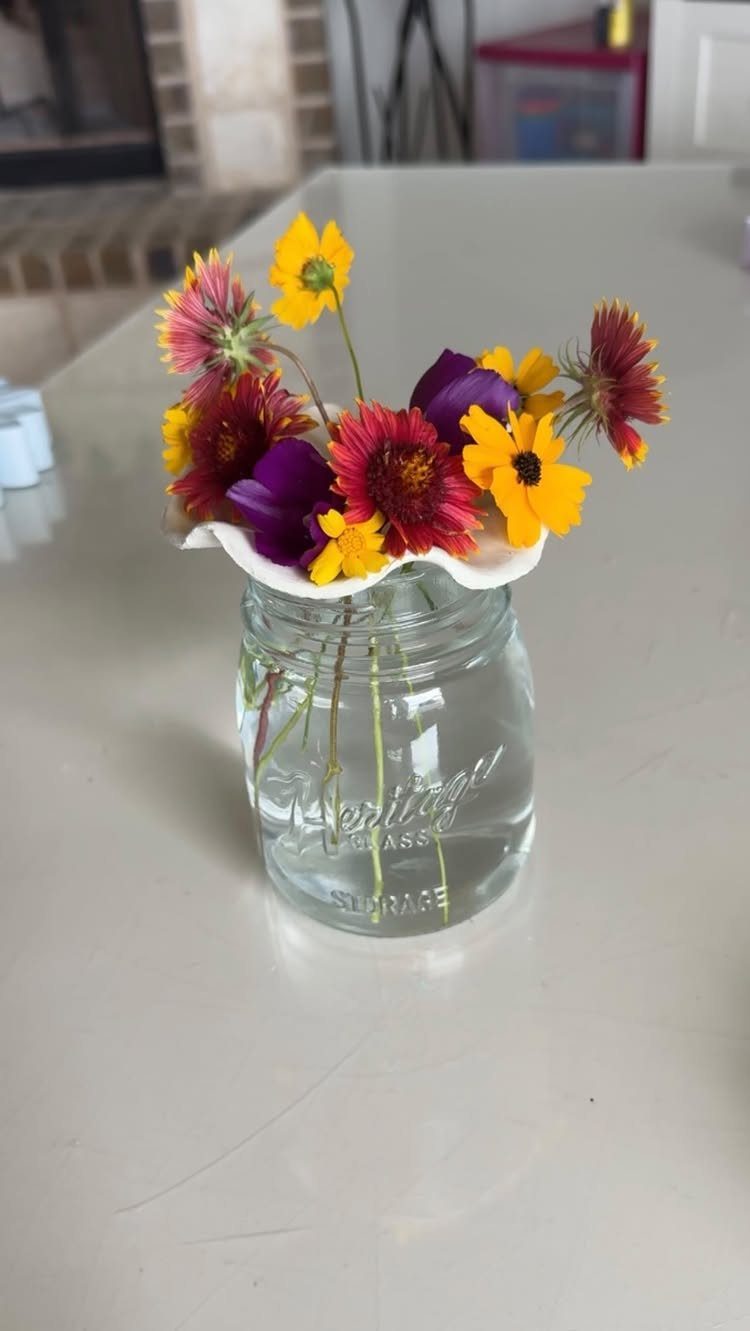
Mason jars as vases work because the shape is already right; the project is in the finish.
Paint on the inside keeps the water clean and the flowers fresh, and the jar stays clear enough to see the water level and know when to change it.
A flower frog, that wavy clay disk, holds stems upright without the bulk of a full bouquet. A clear jar lets you see the water level and know when to change it.
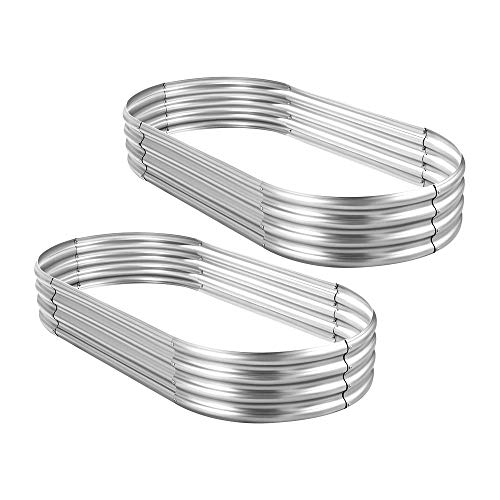
Each raised metal garden bed size: 4×2×1ft , 7Cu
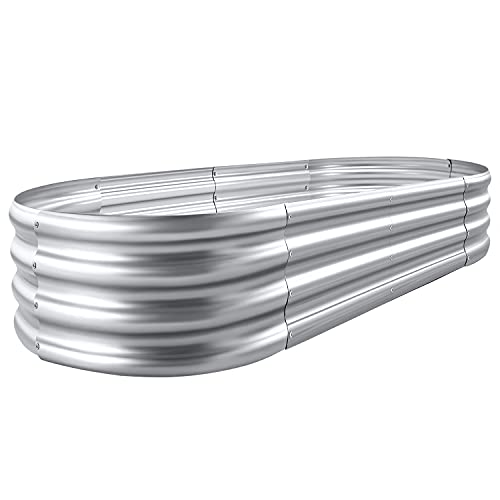
Each raised metal garden bed size: 4×2×1ft ,7.14Cu

Size: 60×29×11 in, 68 gallons of soil required.
6. Cinder Block Raised Garden Bed
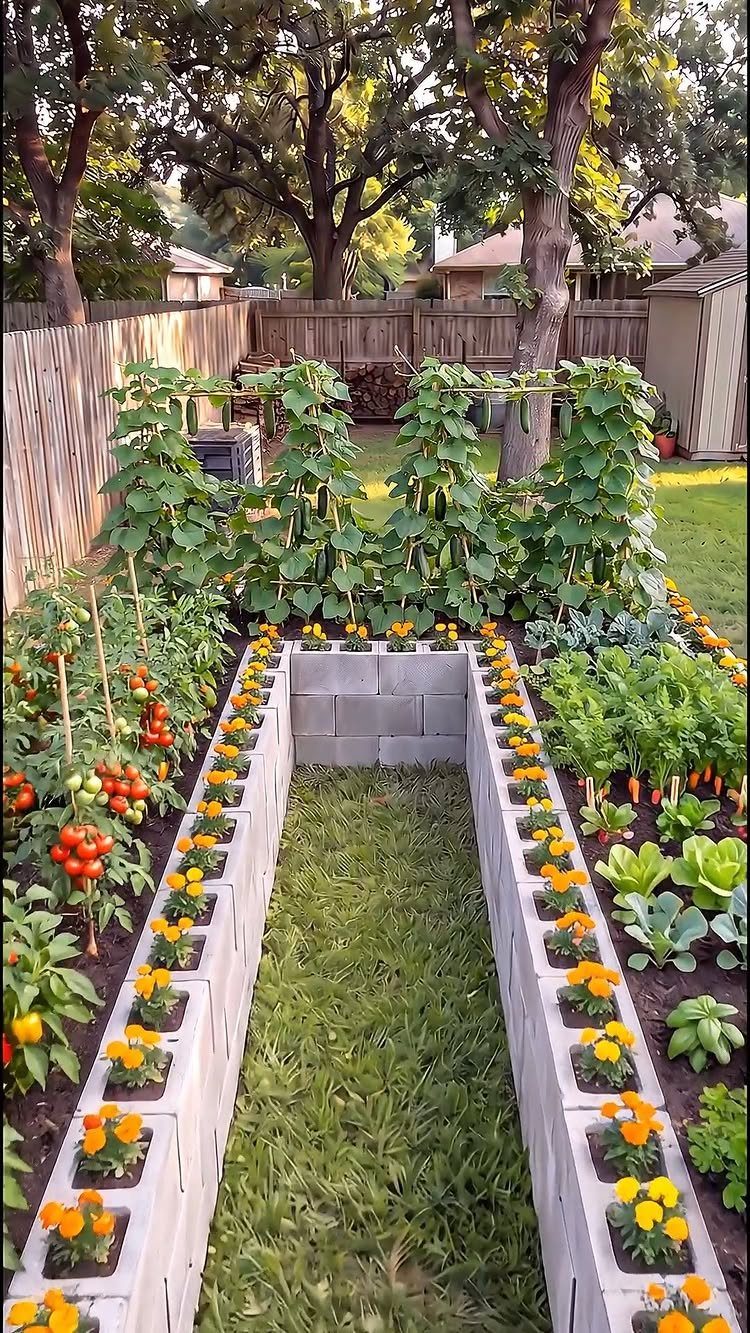
Cinder blocks stack dry into a low raised bed, no mortar needed. The holes fill with soil for herbs or marigolds, or stay empty for drainage and access.
Check first that your yard is level; a bed that tilts drains unevenly and looks wrong. Tomatoes and greens want the sunniest spot you have.

Mini Bridge Ootdoor - This resin fairy garden bridge handpainted in natural color, it's a nice miniature garden accessories to your fairy garden, miniature garden, ornament for indoor plants, dollhouse fish tank decor.

Mini Bridge Outdoor - This resin fairy garden bridge hand-painted in natural color, it's a nice miniature garden accessories to your fairy garden, miniature garden, ornament for indoor plants, dollhouse fish tank decor.
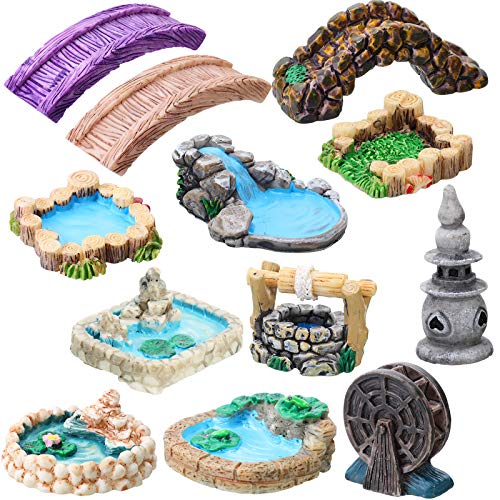
Diverse Selection: enjoy a set of 12 different miniature garden accessories, including mini pond, tiny stone bridges, lighthouses, and water wells, ideal for enhancing your garden decor or DIY craft projects with vibrant multicolor designs
7. Living Garden Play Teepee
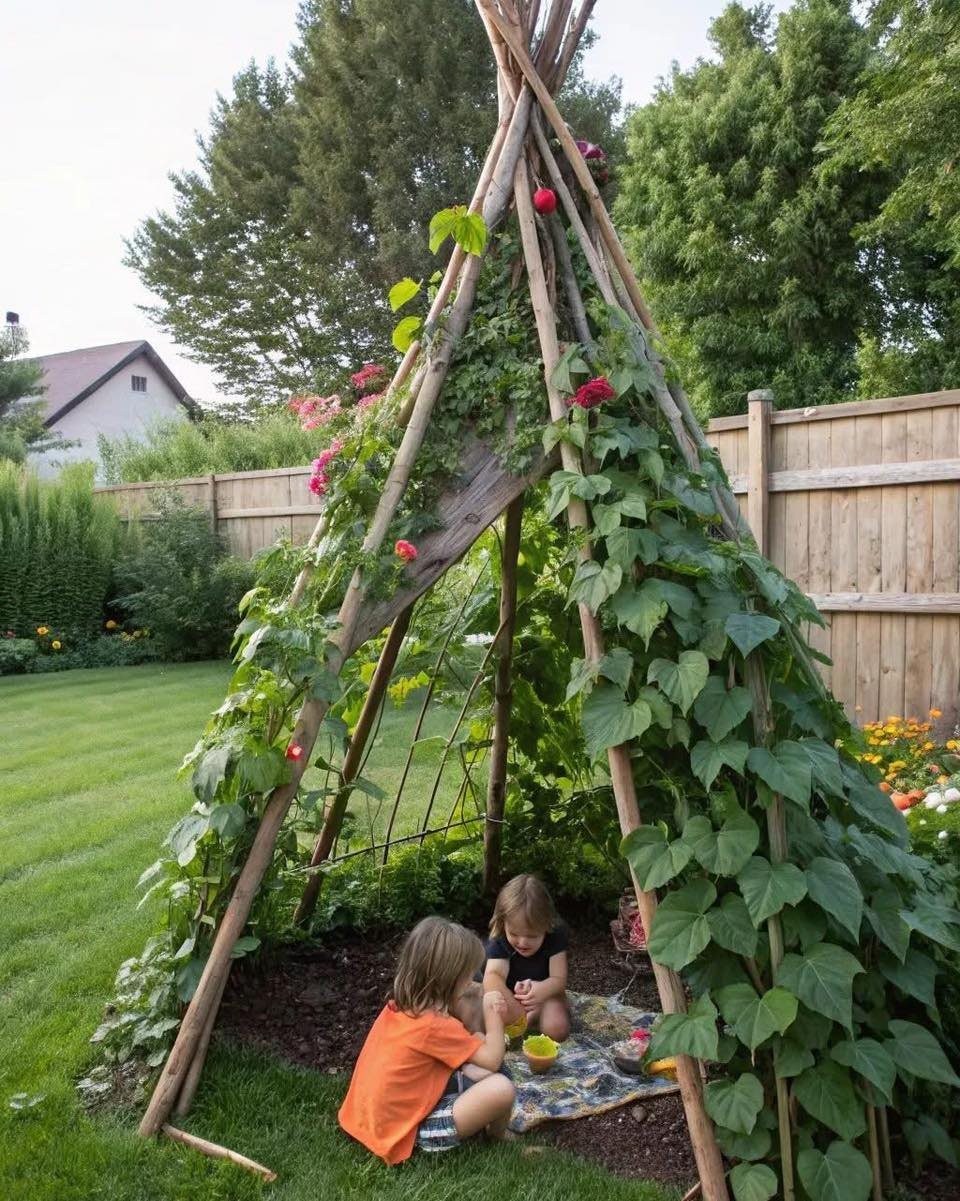
A living teepee gives kids a hiding spot that grows better as the season warms. Pole beans, morning glories, or sweet peas climb the wooden frame and close the gaps with leaves and color.
The poles need anchoring; a teepee that leans collapses the first time a child pulls. Leave room to stand inside, but check your fence height if neighbors matter.
Full sun keeps the vines thick. This one takes a season to fill in, so string temporary twine for early privacy.

Made with Recycled Materials: A blend of recycled plastic, stone powder, and wood dust, PSW Pots are eye-catching and long-lasting for mindful gardening.

MADE WITH RECYCLED MATERIALS: A blend of recycled plastic, stone powder, and wood dust, PSW Pots are eye-catching and long-lasting for mindful gardening.

REAL TERRACOTTA CLAY – BREATHABLE & HEALTHY FOR ROOTS: Made from natural terracotta clay, these plant pots allow excellent air circulation and moisture regulation, helping prevent overwatering and root rot. Ideal for succulents, cactus, herbs, and small plants.
8. Hanging Mason Jar Lanterns
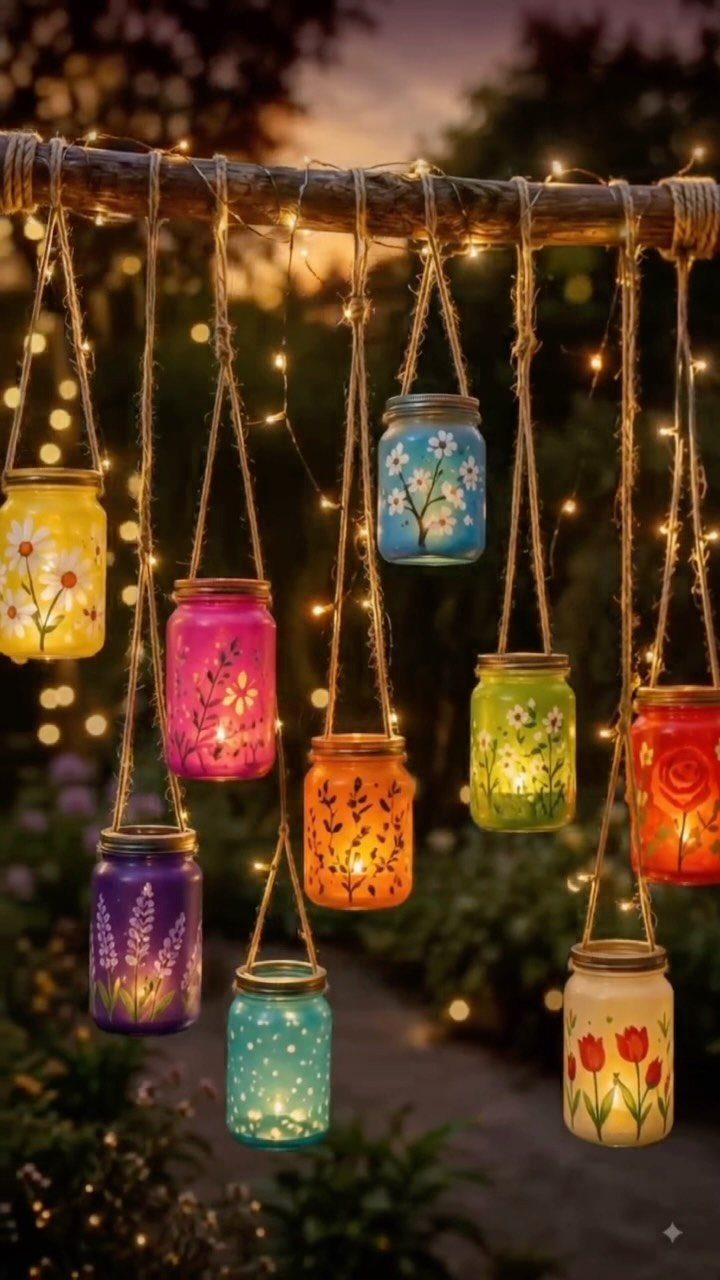
Mason jar lanterns hang where outlets do not reach. Paint on the outside only so light passes through the floral pattern and glows against the glass.
Battery fairy lights stay cooler than candles and survive a breeze. A sturdy branch takes the weight; test it before you string all six.
Twine darkens and weakens outside, so plan to replace it yearly. These suit a dinner spot or a path edge where you want light after the grill cools.

Design and Material: Great quality resin, very sturdy and wear resistant, green and safe with no peculiar smell, rich and natural colors. The shape is realistic, finely polished by multiple processes. It attracts bluebirds, hummingbirds and swallows

Includes one miniature magical red mushroom - fairy garden accessories. Does not include other figurines or accessories which might be showing in product images for display purposes

Whimsical Mushroom Fairy House Design: This charming mushroom house statue features two adorable gnomes, colorful mushrooms and floral details, creating a magical fairy garden scene that adds warmth and imagination to your outdoor lawn, garden or patio.
Why Fairy Gardens Are Popular
Fairy gardens pull in two different crowds for the same reason: the scale lets you finish something in one sitting.
Kids stay busy inventing where the fairies sleep and what they eat, and the garden keeps changing as they add new pieces. Adults get the same small-win satisfaction without the weekend commitment of a full bed renovation.
The cracked-pot version turns a mistake into structure, which teaches something useful about working with what you have.
A dropped pot becomes a fixed planter, while a thrift store find can be moved around the yard; that distinction matters if you are deciding between the 2 approaches.
The gnome variant trades delicacy for durability. I would point kids toward this version; the fairy setup rewards gentler use.

Made with Recycled Materials: A blend of recycled plastic, stone powder, and wood dust, PSW Pots are eye-catching and long-lasting for mindful gardening.
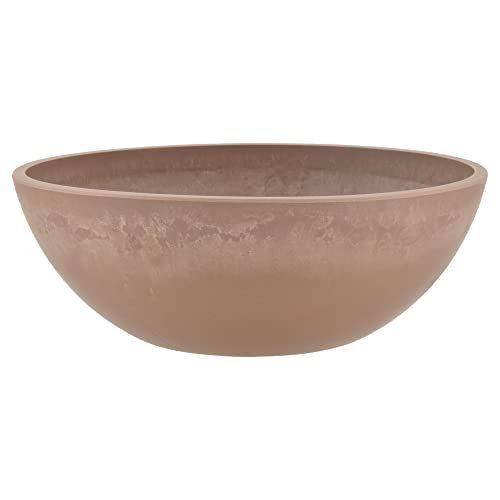
Made with Recycled Materials: A blend of recycled plastic, stone powder, and wood dust, PSW Pots are eye-catching and long-lasting for mindful gardening.

Made with Recycled Materials: A blend of recycled plastic, stone powder, and wood dust, PSW Pots are eye-catching and long-lasting for mindful gardening.
Frequently Asked Questions
What are the easiest DIY garden projects?
Fairy gardens and succulent bowls are the easiest starts. A fairy garden fits in a flower pot or shallow tray and finishes in one afternoon, and a thrift store bowl with succulents needs almost no soil depth.
Both move with you if you rent, and neither asks for a full weekend or power tools.
What are some creative garden crafts I can make from junk?
Terracotta shards stack into steps and terraces for a tiered fairy garden, with the cracks hidden behind tiny furniture and ground cover.
A thrifted shallow bowl, the kind that sits ignored on the shelf, drains fast enough for succulents and costs less than a plastic nursery pot.
Mason jars you already have turn into lanterns or vases with just paint and battery lights. Clay pots break in clean lines that lock together; plastic deforms under its own weight and leaves you starting over.