These backyard builds range from a shade frame that goes up in a weekend to a pole barn that goes up faster than you’d think, since it needs no foundation at all.
The proof that the list understands this is the conduit frame with legs in gravel-filled pots, built to break down and store in a garage corner come fall.
[link-whisper-related-posts]1. Multi-purpose Pole Barn
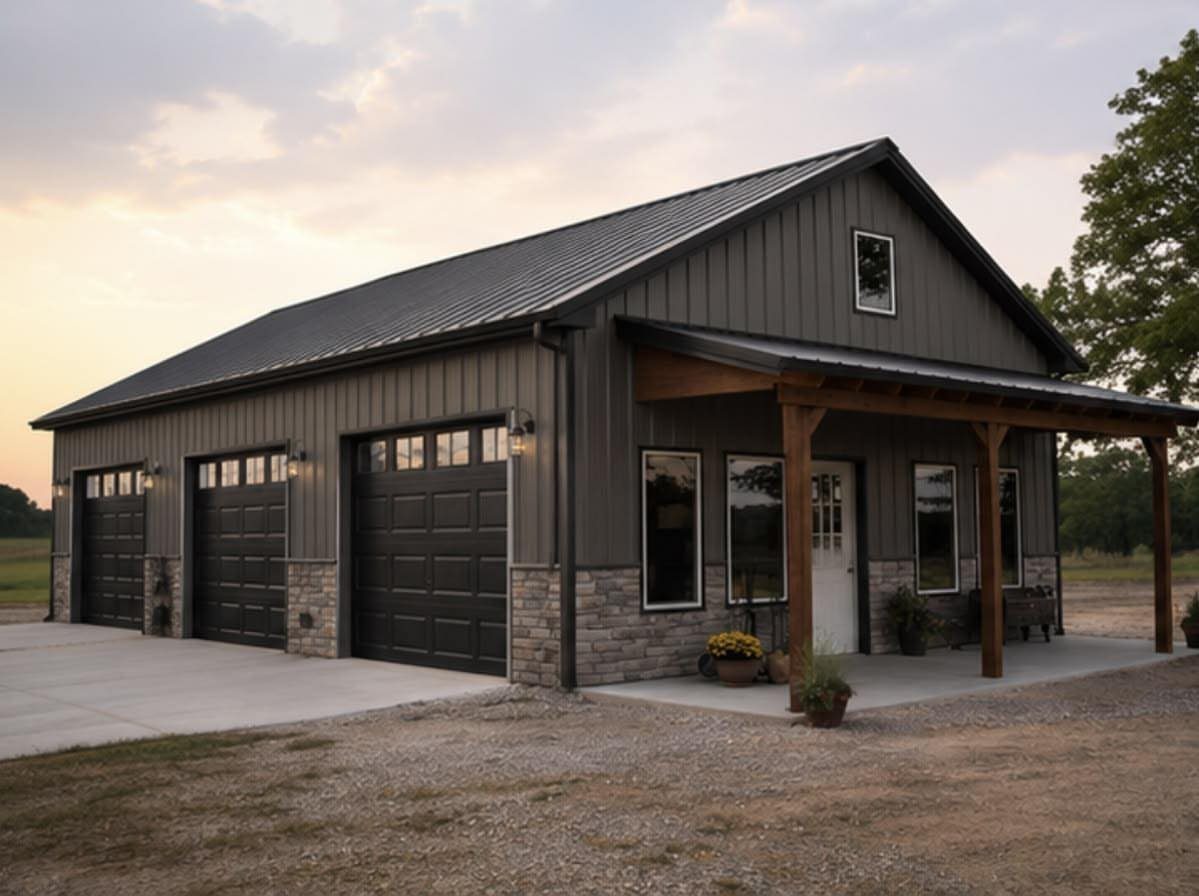
A pole barn gives you one open room with no interior walls to work around, which means the same structure can hold a workshop, store an RV, or host a family reunion depending on what you need that year.
Three garage doors along one side with a covered porch entry on the front keeps a pole barn from reading as pure warehouse, and stone wainscoting breaks up the metal siding the same way it does on a house.
Pole barns go up faster than stick-built structures because the posts carry the load directly, no foundation needed. That saves money and gets you working inside sooner.
For a backyard build, I would plan the bay widths around what you already own or plan to own: measure your side-by-side or truck with the plow mounted before you pour the slab.
Insulation is where you will feel the cost. Metal sheds heat and cold freely, so budget for spray foam or rigid board if you will work in there through winter.

DIY framing kit allows you to create your own 7x8 foot storage shed frame with a peak roof design; Wood and finish materials are NOT included

✅ Strong Anti-Corrosion & Durability: Made of alloy steel with Rustpert coating, these screws pass a 1500-hour salt spray test, offering exceptional rust resistance and long-lasting performance in harsh outdoor conditions.
2. Privacy Fence
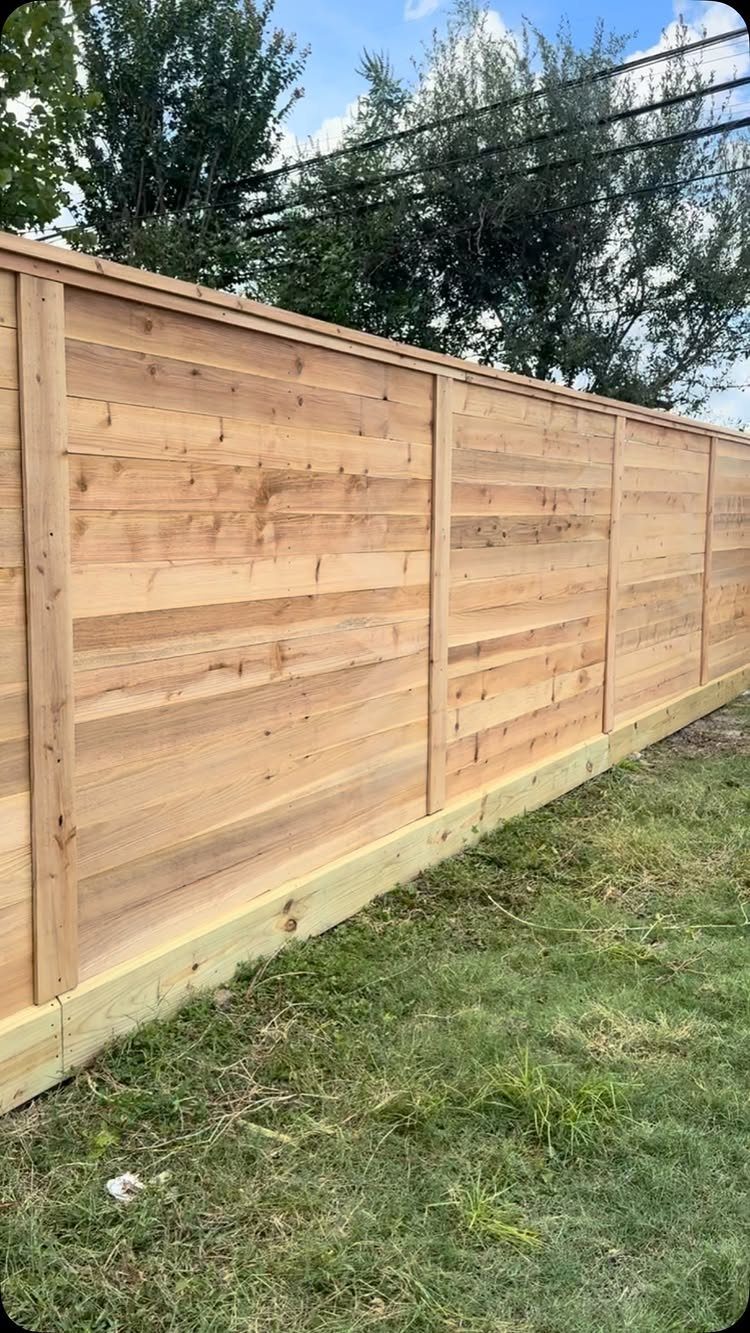
Horizontal boards read cleaner than the usual vertical pickets, and the trim piece running the base hides the gap where fence meets grass. That detail matters if you mow close.
Pine keeps the weight down for a solo build, though you will still want a second pair of hands for the end posts.
Seal every cut end and the face both; unsealed pine in ground contact can start checking within a season.
I have had better luck with a penetrating oil than with film-forming deck stains on horizontal surfaces, since water pools on top rather than running off.
Dig through the stack at the lumberyard.
One bowed board in a horizontal run throws off the whole line, and you will see it from the kitchen window every morning. The time spent sorting pays back in seconds every time you look outside.

Versatile Fence Posts for DIY Privacy Screens – Features dual screw hole patterns (12holes) for easy installation on hard surfaces. Compatible with 3/4"-thick boards ( 5.5" height), allowing flexible customization of your privacy fence
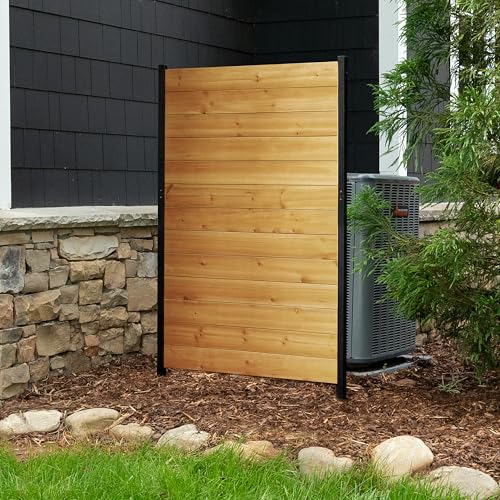
STYLISH NATURAL WOOD: This FSC certified wood screen is made with real wood meaning no two boards have the same grain color, finish, or wood knots differing it from vinyl outdoor privacy fence screen panels.

EASY ORDERING: Everything you need for your fence project is in the box except for the final post. Only ONE additional post, BL19112, is required for the end of your project. A gate is available by searching BL19111.
3. Mini Pond
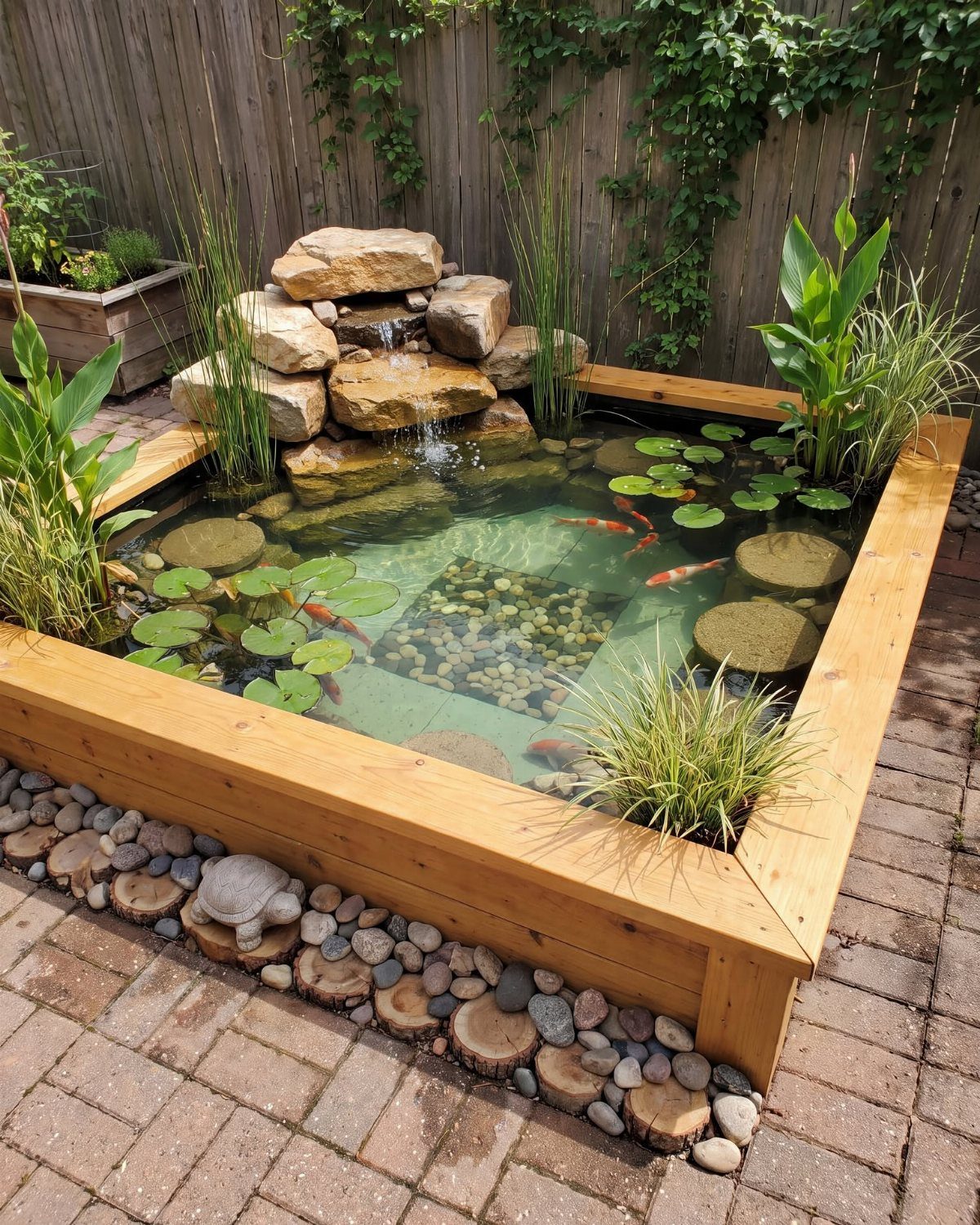
Running water changes how a patio feels without demanding much space. A solar pump keeps the surface moving so mosquitoes cannot lay eggs on still water, and if you add koi or goldfish they will handle any larvae that appear.
A raised wooden frame at thigh height means you can tend it without kneeling and the fish come up to greet you.
The waterfall runs off the same pump loop, no second motor needed. I would set the solar panel where it catches morning sun; afternoon shade on the water itself helps keep algae down.
Fish need more depth than a shallow basin provides if your winters freeze hard.
In zone 6 and colder, plan to move them indoors or size the pond below the frost line. That changes the build from a weekend project to something closer to a small retaining wall.

【Solar Powered with Battery Backup】This solar fountain pump boasts a powerful 8W solar panel AND built-in 3000mAh battery backup, ensuring continuous operation even on cloudy days. Say Goodbye to Intermittent Fountains! (Note: This solar fountain does not operate at night.)

🌱【Highly Efficient Filtration System】 The pond filter box integrates multiple filtration layers ( filter sponges, bio-balls, Ceramic Filter Media) to effectively remove impurities, promoting a healthy environment for aquatic plants and fish, keeping water healthy balanced and crystal clear, and protect the pump from being clogged with debris, also protects fish from the pump's impeller.

【55W High-Power Solar Pond Filter】Upgrade your pond with a high-efficiency 55W solar pond filter! With 5X the power of standard models, our solar pond filter kit ensures continuous water circulation in sunny conditions. No electricity is needed—just sunlight! Ideal for koi ponds, waterfalls, and water gardens ,it keeps your water fresh while saving on energy costs.
4. DIY Sun Shade
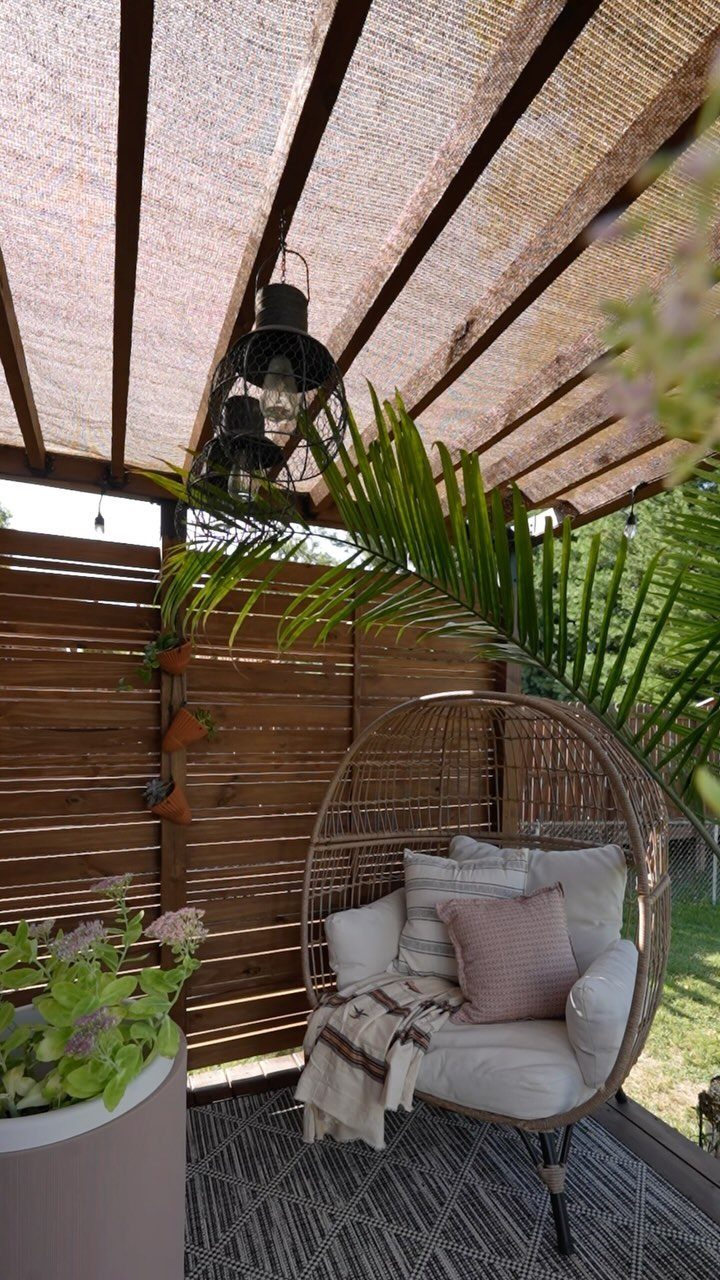
Wood builds a frame you can break down in fall and store in a garage corner, which matters if your winters bring snow load or wind that would tear fabric.
The pipe slips together with set-screw fittings, no threading or welding; a hacksaw and a cheap pipe cutter handle all the cuts.
Shade cloth stretched under a pergola works, but the same frame stands alone with legs in pots or driven over rebar stakes.
Rebar into dirt is faster; gravel-filled pots let you move the shade as the sun angle changes through summer.
Potting soil alone will not hold against a gust; fill the bottom third with gravel or broken concrete for ballast. I would use concrete in at least 2 legs if your site catches wind across open lawn.

Environment-Friendly Design: This solar fountain is an extremely competent Solar Water Pump. This fountain is controlled by solar power completely. The Outdoor Submersible Fountain needn't any battery or electricity.This fountain does not store energy and is powered entirely by direct sunlight;It will stop working on cloudy, rainy days.
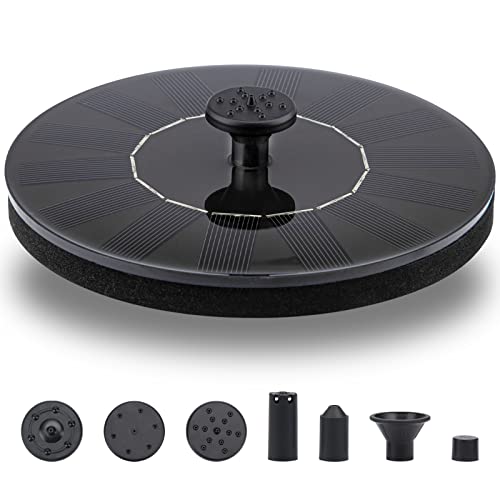
[Eco-Friendly] No battery or electricity needed. Runs automatically in 3s when sunlight is sufficient, making it a great choice of garden ornaments solar powered.Please note that this fountain is entirely solar-powered and does not have a battery backup. It will stop operating on cloudy days, rainy days, and at night.

4 Different Water Styles: This solar water pump kit includes 1 separate solar panel, 1 fountain pump, a 3m/9.84ft cable, and 4 different nozzles. The 4 nozzles create 4 distinct fountain effects, can be used for different water flow and water heights, adding fun and beauty to your garden while making your outdoor space more comfortable and attractive
5. Mosquito Canopy
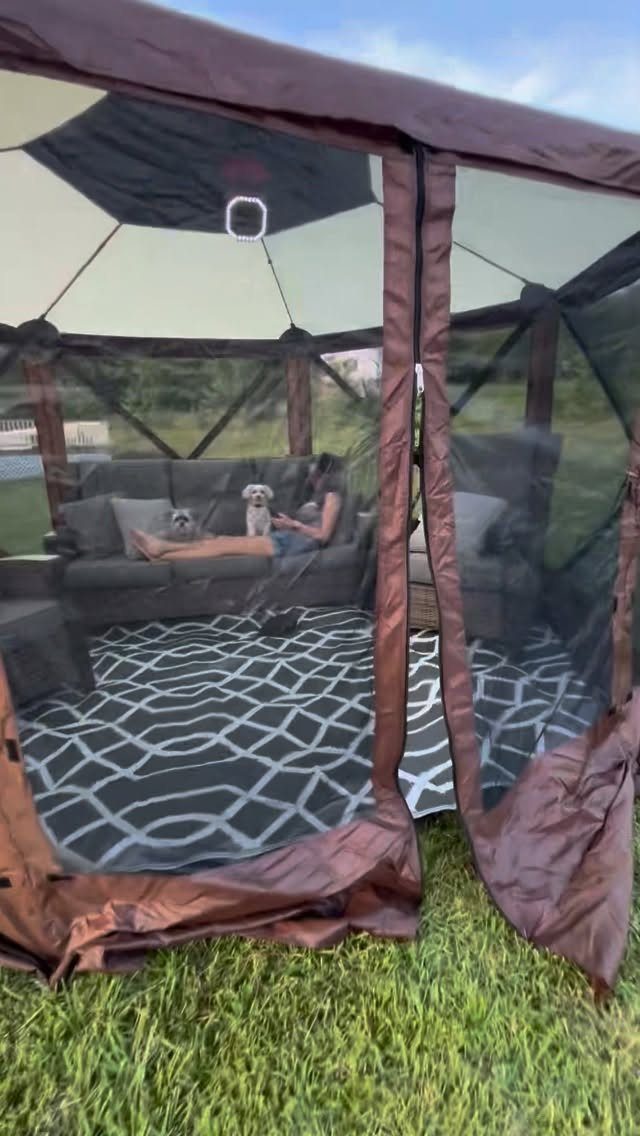
A pop-up screen tent turns a patch of lawn into a room you can sit in after dusk without slapping your ankles. Once the concrete cures, furring strips across the top give you something to clip the net to.
A pop-up screen tent is the faster option if you need bug protection this weekend and permanent structure next year.
For a build, I would size the pergola to fit a standard net panel width rather than cutting custom mesh; check outdoor curtain sizes before you cut lumber.
The netting alone sheds nothing.
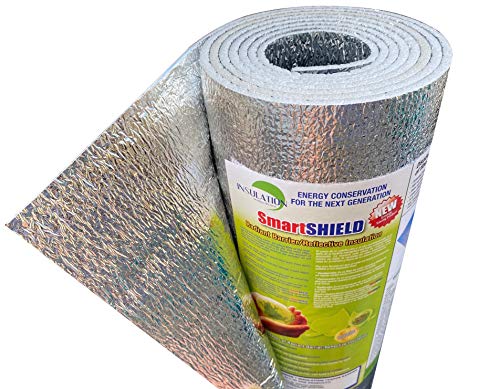
EXTREMELY EFFECTIVE - reflect 95% of radiant energy, perfect RADIANT BARRIER.

Reflective Window Insulation: Our rv window insulation is well-made, which is weight of 200 g / 10.76 sqft. It is of good material and long-lasting

CLASS A SURFACE-BURNING PERFORMANCE + HIGH R-VALUE: BEEST FullStop was tested to ASTM E84 and achieved a Flame Spread Index of 0 and Smoke Developed Index of 120, meeting Class A surface-burning criteria. Delivers strong thermal insulation performance with an R-Value of 8.24 at 2" thickness.
6. Screened-in Porch Addition
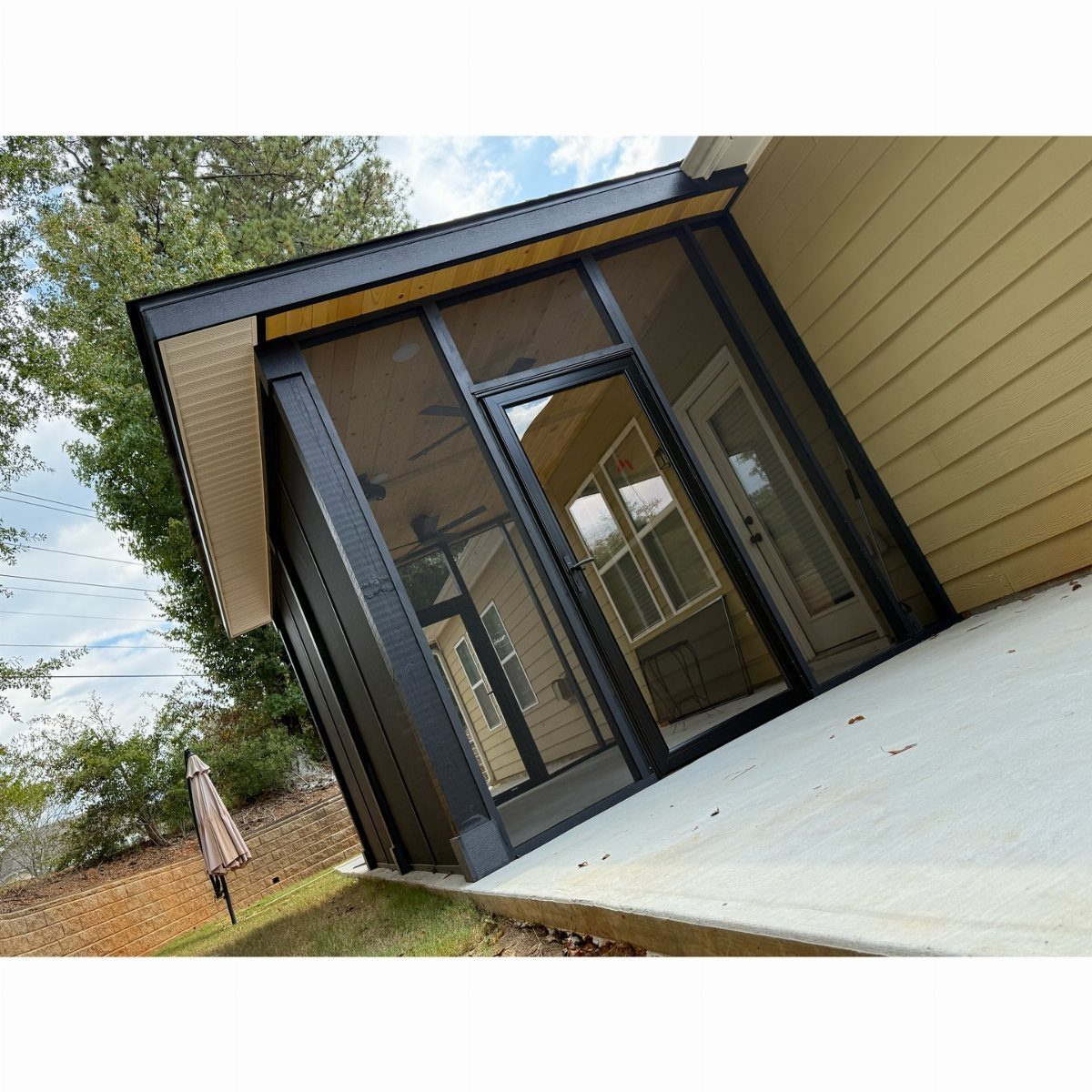
A screened porch attached to the house extends your living season by months in most climates, and black framing reads as intentional rather than as an afterthought.
Standard fiberglass screening keeps out mosquitoes and most no-see-ums, but pet claws go through it fast. Metal or heavy pet-rated mesh costs more and blocks slightly more breeze; choose based on who will use the space.
The wood ceiling inside suggests this was built as a finished addition, not a kit hung off the siding. That means checking whether your local code treats it as habitable space, which can trigger insulation and egress rules.
If you are DIYing, the connection to the house wall is the hard part: flashing, sealing, and making sure the roof line drains away from the existing structure.
I would get a roofer to look at that joint even if I framed the rest myself.

Massive Storage Capacity: With an impressive 7000 cu.ft of space, this 12.5x21.2x8 FT shed provides ample room for parking 2 vehicles, storing garden tools, large equipment, and more. The perfect solution for organizing your home or workshop

【Compatible With】: Compatible With Arrow ShelterLogic Shed storage sheds and shelters
7. Outdoor Kitchen and Fireplace
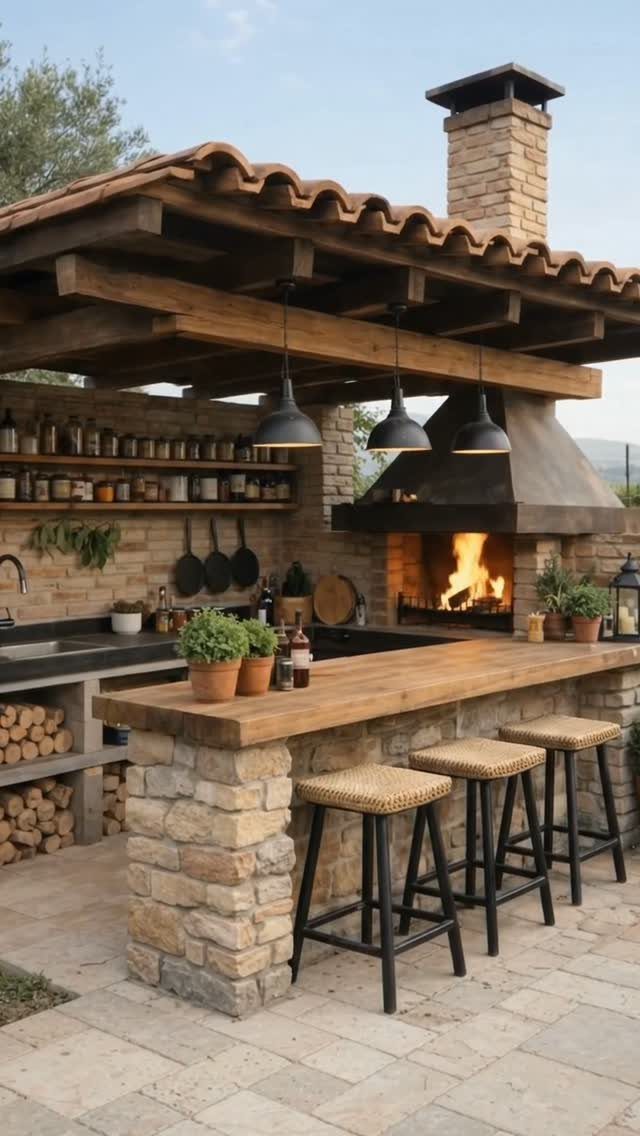
A stone fireplace with a wood-topped bar turns a pergola into a three-season room where you can cook while someone else tends the fire.
The stone tile floor under it all means you are not tracking grill grease across lawn or deck boards.
Check your fuel line before you commit to the layout. Natural gas buried to a built-in grill saves the propane tank shuffle, but it needs to run before the patio goes down.
A wood-burning fireplace needs clearance to combustibles and a spark arrestor your code may require; the permit office will know.
Permanent wiring for pendant lights means hiring an electrician and buying fixtures rated for outdoor weather, which adds cost and code inspection to the timeline.
I would plan the bar depth around a standard grill cart so the cook is not reaching over guests.
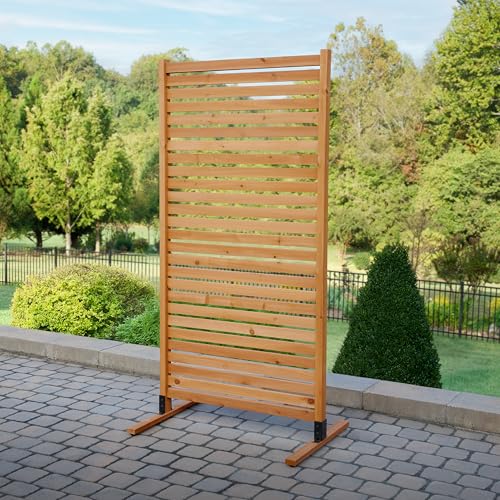
STYLISH NATURAL WOOD: This FSC certified wood screen is made with real wood meaning no two boards have the same grain color, finish, or wood knots differing it from vinyl outdoor privacy fence screen panels.

TRUE ALL-ALUMINUM — BUILT FOR LONG-TERM VALUE: Ordinary steel or mixed-metal products can be progressing from surface corrosion to rust-through—often reported online within 0.5–2 years. So this is not simply about cosmetic maintenance—removing rust and repainting the surface. Once corrosion progresses to rust-through, the metal itself has deteriorated, potentially compromising the structural integrity and eventually requiring replacement of the affected component or structure. LukLoy post is built with a true all-aluminum structure for lasting outdoor over 30 years. it resists weathering, fading, and everyday exposure with less maintenance — a smarter long-term investment for your home.

TRUE ALL-ALUMINUM — BUILT FOR LONG-TERM VALUE: Ordinary steel or mixed-metal products can be progressing from surface corrosion to rust-through—often reported online within 0.5–2 years. So this is not simply about cosmetic maintenance—removing rust and repainting the surface. Once corrosion progresses to rust-through, the metal itself has deteriorated, potentially compromising the structural integrity and eventually requiring replacement of the affected component or structure. LukLoy post is built with a true all-aluminum structure for lasting outdoor over 30 years. it resists weathering, fading, and everyday exposure with less maintenance — a smarter long-term investment for your home.
8. Backyard Pergola Lounge
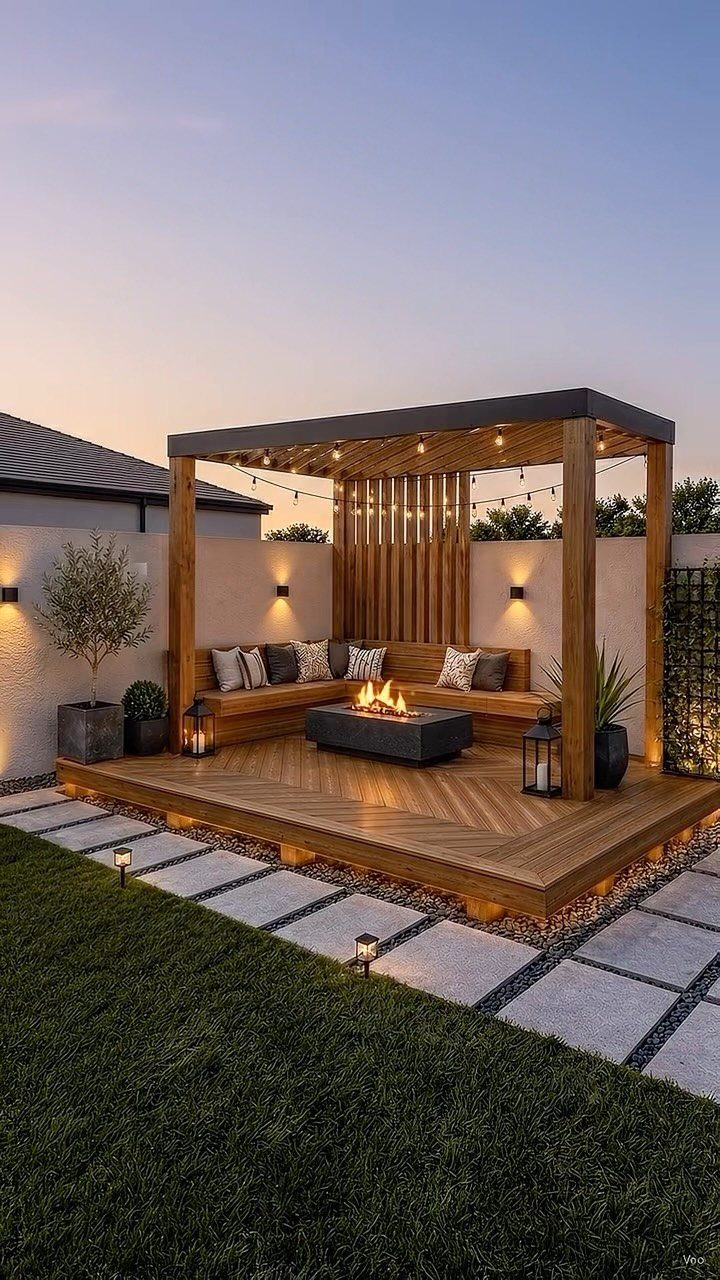
Raised decking buys you level ground without regrading, and the L-shaped bench turns that deck into seating for a crowd without chairs to store.
String lights overhead mean the space reads finished after dark, when most of us actually use it.
The fire table sits at the center, so plan the bench depth to let people get up without stepping over flames.
Built-in seating needs the same gap from the fire that freestanding furniture does; your local code probably calls it out.
Concrete pavers as stepping stones across grass work until the grass grows over them. Set them on compacted sand if you want them to stay put, or accept that you will be cutting edges back twice a summer.
I would size the pergola to shade the bench by mid-afternoon, not just noon; track your shadow line before you sink posts.

⛲[High-quality 304 Stainless Steel ] Pond Waterfall box Adopts 304 stainless steel is carefully crafted to be corrosion-resistant and oxidation-resistant to ensure that it doesn't rust or deform in long-term use, and it is fearless of erosion by wind and rain and lasts for a long time. Its strong and durable characteristics, so that the waterfall bucket can work in the outdoor in a durable and stable, enhance the overall decorative effect.


[✔ High Efficiency and Long Life] Our solar water pump are made with 20W high-quality solar panel which provides more efficient and longer service life than traditional solar panels, allows the solar pond pump works continuously and stably. Comes with 16.4ft long cord allowing to find the best place to place solar panel.
9. Outdoor Home Gym
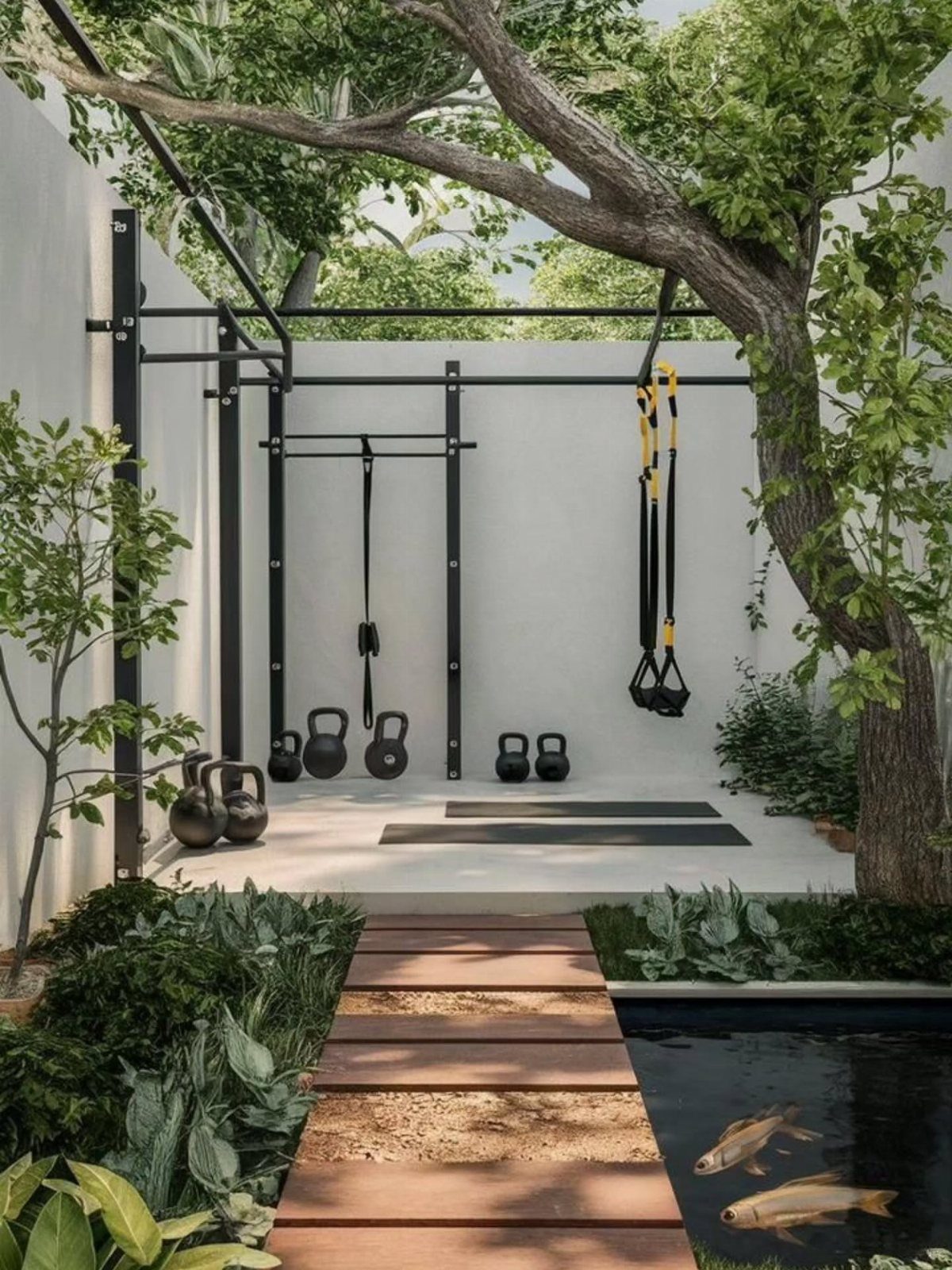
A pull-up rig and kettlebells on a concrete pad give you a gym that never smells like the one downtown and never needs a mask.
White concrete stays cleaner-looking than bare dirt under heavy use, and it drains better than a wood deck when you drop a loaded barbell.
The rig needs anchoring if you will kip or swing; bolt-down plates into cured concrete handle that, or choose a freestanding rig with a wide base if you are renting.
Suspension trainers need a solid overhead point; the rig crossbar serves, or a tree limb rated for your weight.
Yoga mats and kettlebells store in a deck box when rain threatens. I would keep a weather radio out there; lightning turns metal equipment into something you do not want to be near.
The pond and bridge in the background are scenery, not required. A flat corner of yard with morning shade and afternoon sun is enough to start.

SOLAR POWERED FOUNTAIN PUMP: Mademax solar birdbath fountain only needs 3 seconds to operate automatically in direct sun, with a spray height of 4–27.5 inches (10-70cm). No electricity or battery needed. (Solar fountains does not store energy, can not work on cloudy days or night, please make sure the product is used in direct sunlight, and it is recommended to use it in clean water, which will prolong the life of the product
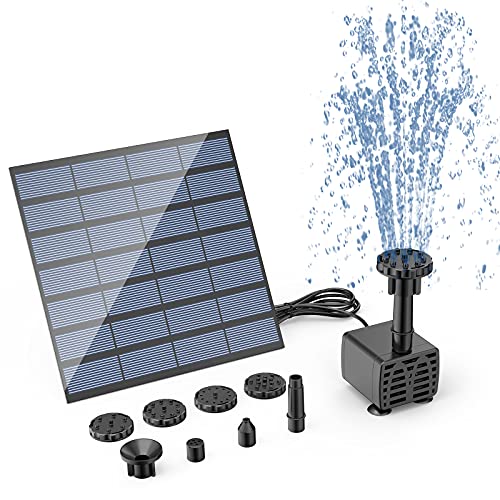
[✔DIY Solar Water Pump Kit]: DIY solar water pumps kit, which contains solar fountain kit, can be made into a bird bath fountain and fish tank water circulation tools. Help birds and fish to maintain a vibrant ecosystem. Replace the nozzles with water pipes to make different water feature that will make your garden look comfortable and inviting.

【2026 New Upgraded Solar Panel】: This solar water fountain has no built-in battery and will only work under direct sunlight, spraying powerful and gorgeous water spray. You do not need electricity or battery and the solar bird bath fountain is both eco-friendly and cost-effective. A good way to attract charming hummingbirds to your garden!
10. Natural Stone Swimming Pond
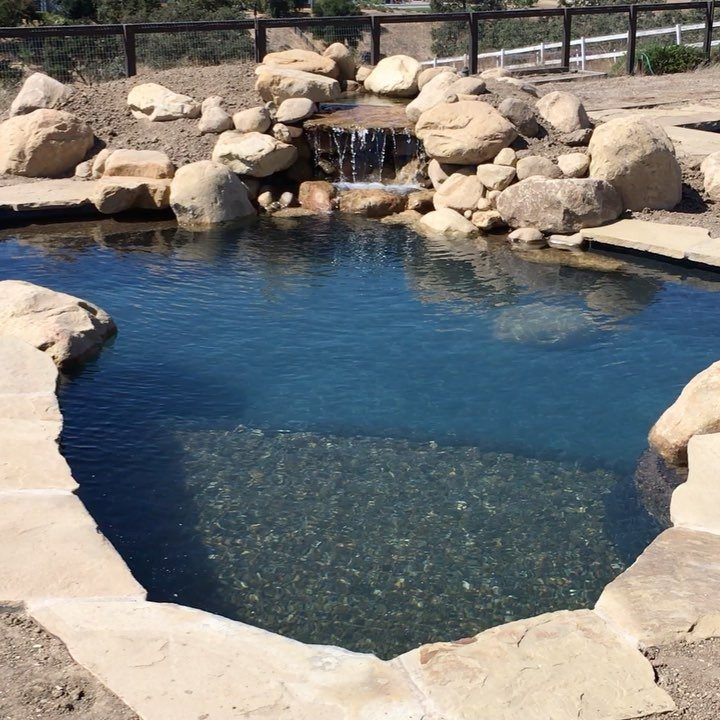
A swimming pond reads as a natural pool because the stone and gravel do the work a vinyl liner would do elsewhere.
The shallow gravel step at the entry gives you a place to sit and rinse grass off your feet before the water deepens.
Flagstone coping around the edge hides the structural wall and gives you a place to set a drink.
The waterfall is not just scenery; moving water aerates the pond and keeps mosquitoes from breeding, same as the mini pond up the list but at a scale that needs a dedicated pump.
Plan your own finish before you dig: sod, native plantings, or more stone all change how the build ends and what it costs.
A swimming pond needs filtration that a koi pond does not, and more depth for safe diving if you add that boulder. Check your fence code; most places treat this exactly like a pool.

EXTREMELY EFFECTIVE - Reflects 95% of radiant energy, perfect RADIANT BARRIER. R17 insulation.

Unique corrugated design channels water for rapid drainage, preventing buildup and damage.
Unique corrugated design channels water for rapid drainage, preventing buildup and damage.
Considerations for Pole Barns
I would pour the slab wider than today’s needs; adding on later means cutting concrete.
Door placement matters more than it looks: a vehicle bay with a walk door at the back saves walking through a workshop to reach the yard.
Ventilation runs second to insulation in cost but not in comfort.
Ridge vents and cupolas move air without wiring, and in humid climates that air movement keeps metal from sweating. If you will weld or run gas equipment inside, plan for make-up air; a sealed, insulated box becomes a hazard fast.
Flooring is where uses diverge.
A gravel base handles tractors and drainage; a full slab supports lifts and cabinets. I would pour the slab for the heaviest planned use and cover what I do not need yet with rubber mats or plywood.
DIY Project Accessibility
Most of these builds stay under a thousand dollars if you already own basic tools. The pole barn is the exception; even a small one runs past that once you add doors and a slab.
I would split that project into two phases, framing and roofing one summer, finishing interior the next, if the budget needs breathing room.
A weekend timeline means buying materials the week before, not the morning of.
For the shade frame or mosquito canopy, dry-fit everything before the final tighten. Conduit and fittings gall if you back them off and retorque.
The pond builds need a day just for excavation if you are digging by hand. Renting a mini-excavator turns a retaining-wall project into actual weekend work, and the rental cost usually beats the chiropractor.
Enhancing Outdoor Spaces
A patio or pergola only reads as finished if the lighting is already in place before the first guest arrives.
String lights work because they need no permit, but the extension cord run is what you will notice every evening. I would bury a single outdoor outlet on a switch before I set the first post.
The outdoor kitchen and fireplace entry mentions stone tile underfoot for grease control.
That same logic applies to any food space: a gravel or paver pad under a portable grill saves the lawn and gives you a defined zone without committing to masonry.
Screened porches and mosquito canopies both extend usable hours, but the porch wins on longevity and loses on cost.
If you are deciding between them, ask whether you own the wall you would attach to. Renters and first-home owners often do not, or do not want to flash into siding they will replace before the mortgage is old.
Maintenance Tips
Horizontal pine fencing in full sun needs resealing on a schedule you set by eye; the oil I prefer fades rather than flakes, so you spot the wear instead of scraping failure.
Reapply when water stops beading; waiting for graying means the wood has already opened.
Shade cloth and mosquito netting both collect pollen and leaf litter.
A leaf blower on low clears the frame; the fabric itself comes down for washing at season’s end. Store it dry, or mildew sets in the folds.
Concrete pads for the gym or pole barn develop spalling if you salt them in winter.
Sand or kitty litter gives traction without the freeze-thaw damage. The outdoor kitchen’s stone tile needs the same grout sealer a bathroom would; grease soaks into open grout fast.
For anything with wood in ground contact, the cut end is where rot starts. Seal every one, even if the factory end looks treated.
Frequently Asked Questions
What are some good DIY backyard plans?
A weekend is enough to set a mini pond in a raised wooden frame with a solar pump; it sits on a patio corner and the running water changes the whole feel without eating square footage.
For shade you can build, a metal conduit frame with set-screw fittings breaks down in fall and stores in a garage corner; no threading or welding needed.
Horizontal pine privacy fencing reads cleaner than vertical pickets if you sort the boards at the lumberyard first, since one bowed board throws off the whole line.
What are some must-haves for a backyard?
I would watch where the shadow actually falls for a few days before setting pergola posts, then size the slats so the bench sits in shade by 3 PM, not just at noon when no one is out there.
Seating that stays put, like an L-shaped bench built into raised decking, means no chairs to store and room for a crowd.
String lights need no permit, but the cord snaking across the patio reads temporary; one outdoor outlet on a switch, buried before the first post goes in, cleans up the whole look.