The ideas below run from solar lights you can stake in an hour to a paver walkway that needs a weekend and a rented plate compactor, and the one that fits your garage depends on whether you have planting soil, a concrete pad, or nothing but vertical wall.
I would start with the rock garden if your side yard bakes and the soil is thin; it asks for one boulder you can still move by hand, then smaller rock layered outward until the space reads finished.
[link-whisper-related-posts]1. Use Pathway Lighting
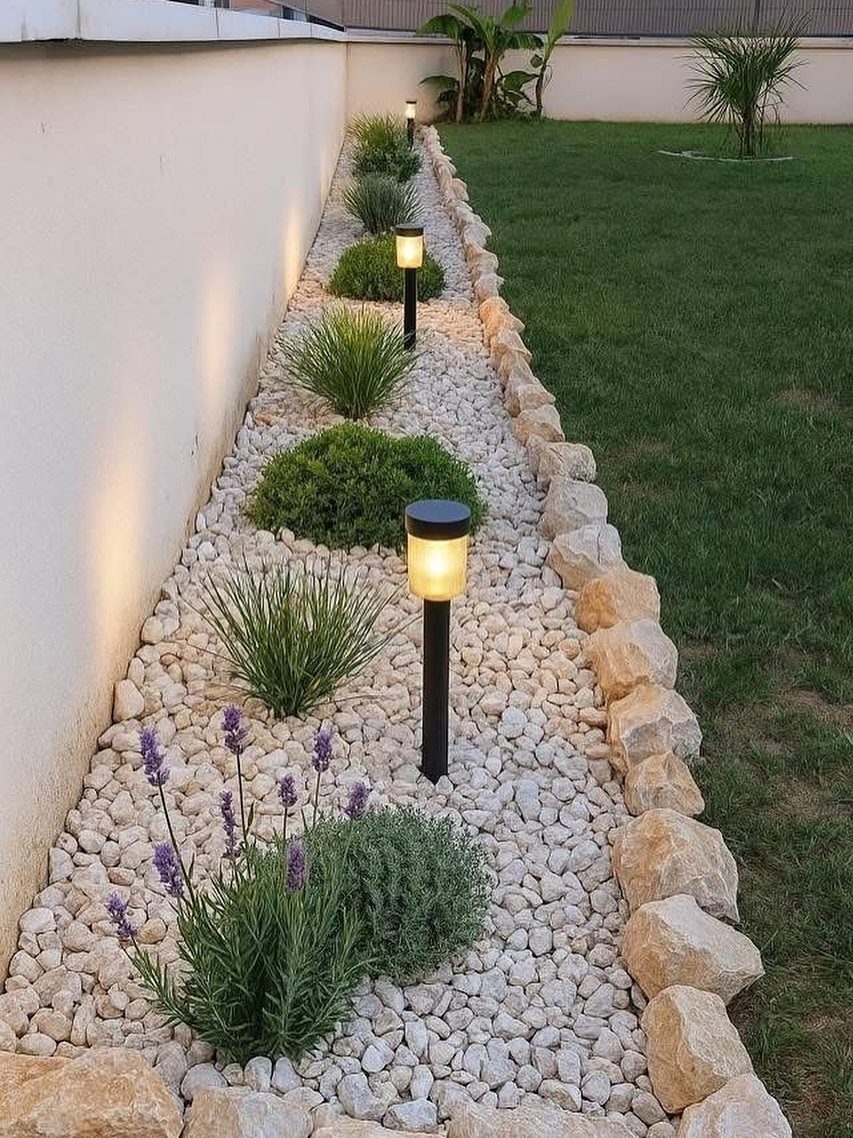
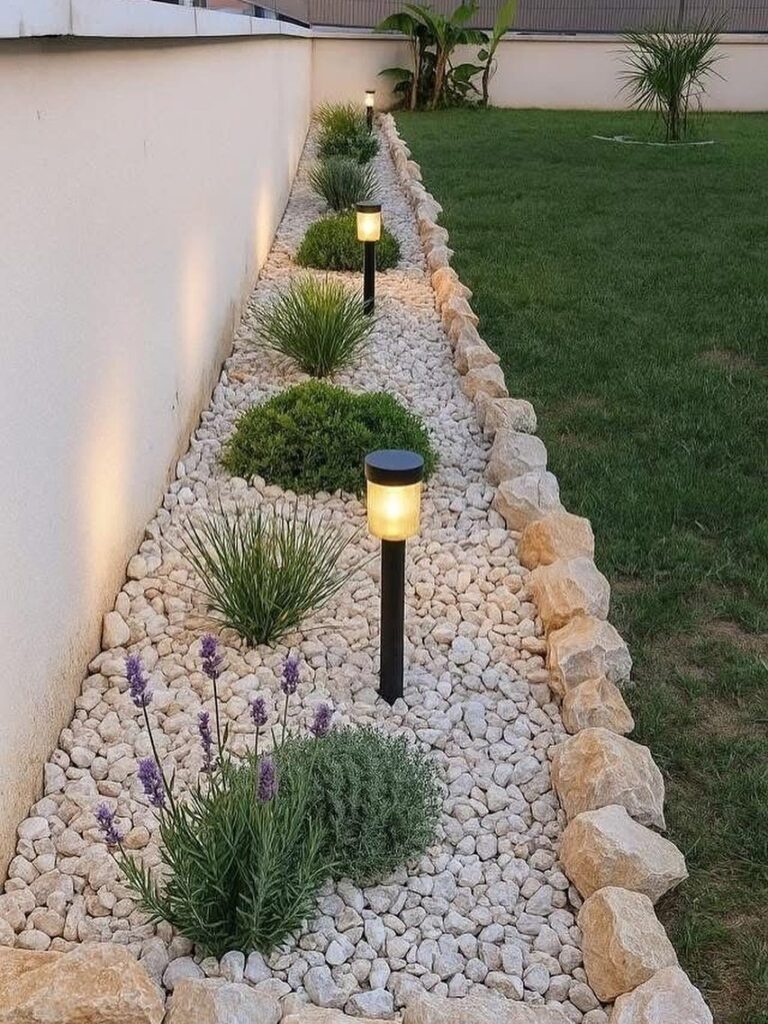
Solar pathway lights along the garage edge do 2 jobs at once: they keep you from tripping over the hose after dark, and they give the strip of ground along the wall a reason to exist after the sun goes down.
I like the warm white ones over cool blue; they read as intentional, not airport runway.
Stake them close enough together that the pools of light overlap, angled slightly toward the wall or plants so the light skims across surfaces instead of blasting straight up.
No wiring, no timer, no electrician. The cheap sets die fast; spend extra for metal stakes and glass lenses, and they last long enough to forget when you bought them.

【Remote Control & 3 Lighting Modes】:Each solar motion sensor light is equipped with wireless remote control.You can choose the most suitable mode faster and more portable: ①Strong light sensor mode ② Dim light sensor mode ③Strong long light mode. Different lighting way for your daily requirement.

【PIR Motion Sensor】Our sensor lights outdoor work only in motion-activated full brightness (Mode 1) and dim light with motion boost (Mode 3); constant medium light (Mode 2) does not activate the sensor. For best sensor activation, fully charge before use, install in an open area away from other lights, and test in the dark.

🌟【Ultra Bright & Wide Coverage for Maximum Security】Equipped with 149 high-power SMD LED beads, this solar light produces an impressive 800 lumens of bright cold white light, covering up to 322 sq. ft. Ideal for illuminating your yard, fence, garage, or stairs, providing reliable, all-night security lighting while enhancing the visibility and safety of your outdoor spaces.
2. Consider Climbing Vines or Trellises
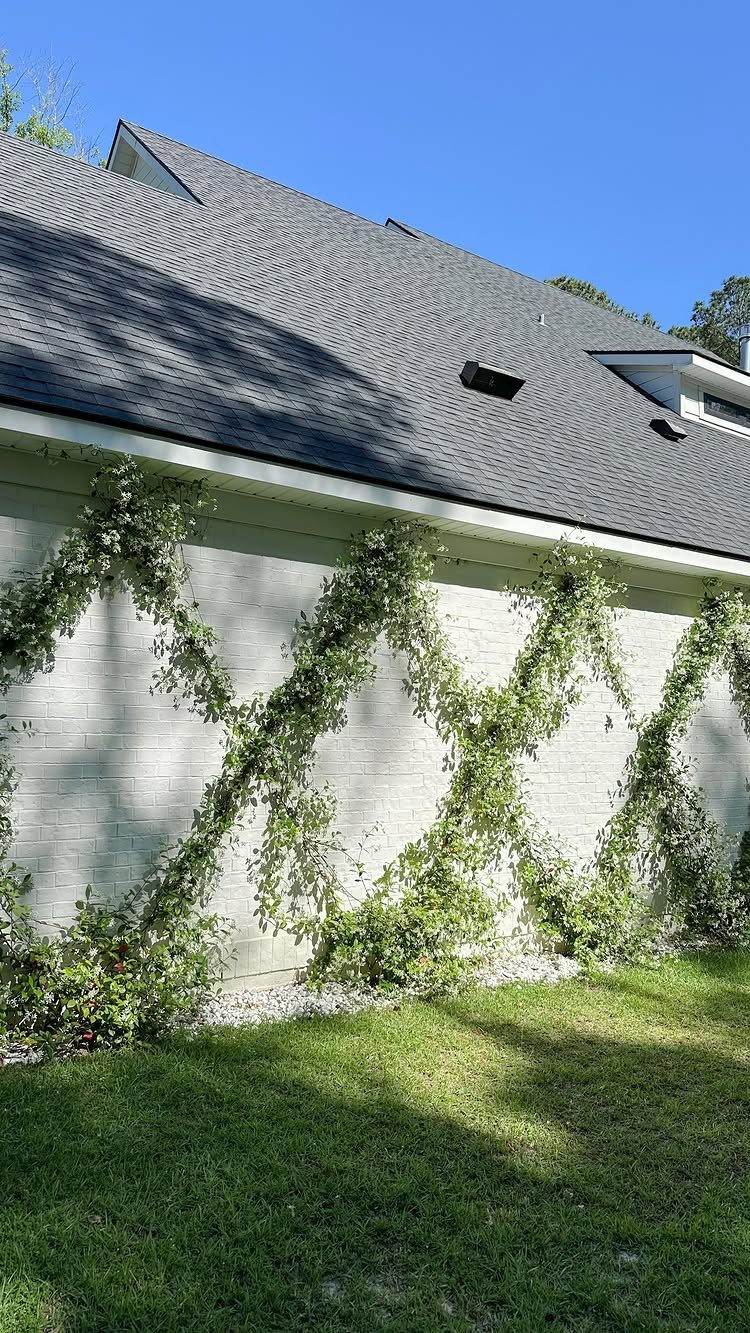
A trellis flat against the garage wall turns vertical blank space into something alive without eating the narrow strip between house and driveway.
Bougainvillea gives you the color punch; clematis or jasmine work if you want less mess and more scent.
Mount the trellis slightly off the wall so air moves behind it and paint lasts longer.
Espalier in a diamond pattern takes patience: you train young stems to the wires, prune hard in early spring, and wait a few seasons for the fill.
You get a plant that behaves like architecture, not a shrub that swallows your gutter.

50-Piece Anchors Only Refill Pack For Trellis, Wall Climb Plants, Vine and Lighting Strip,

15-SECTION NATURAL WOODEN LADDER:Crafted from 15 pieces of durable, natural wood, this wooden ladder plant trellis offers strong and rust-free support for your indoor and outdoor climbing plants. The smooth wood finish promotes healthy vine growth while adding a touch of natural elegance to your space.

Complete Package for Convenience: the wire trellis kit Includes 61m trellis wire and 20 eye screws (diameter 2/10 inches); This package ensures you have all necessary components right at your fingertips, making set up a breeze and eliminating the need for additional purchases
3. Create a Rock Garden
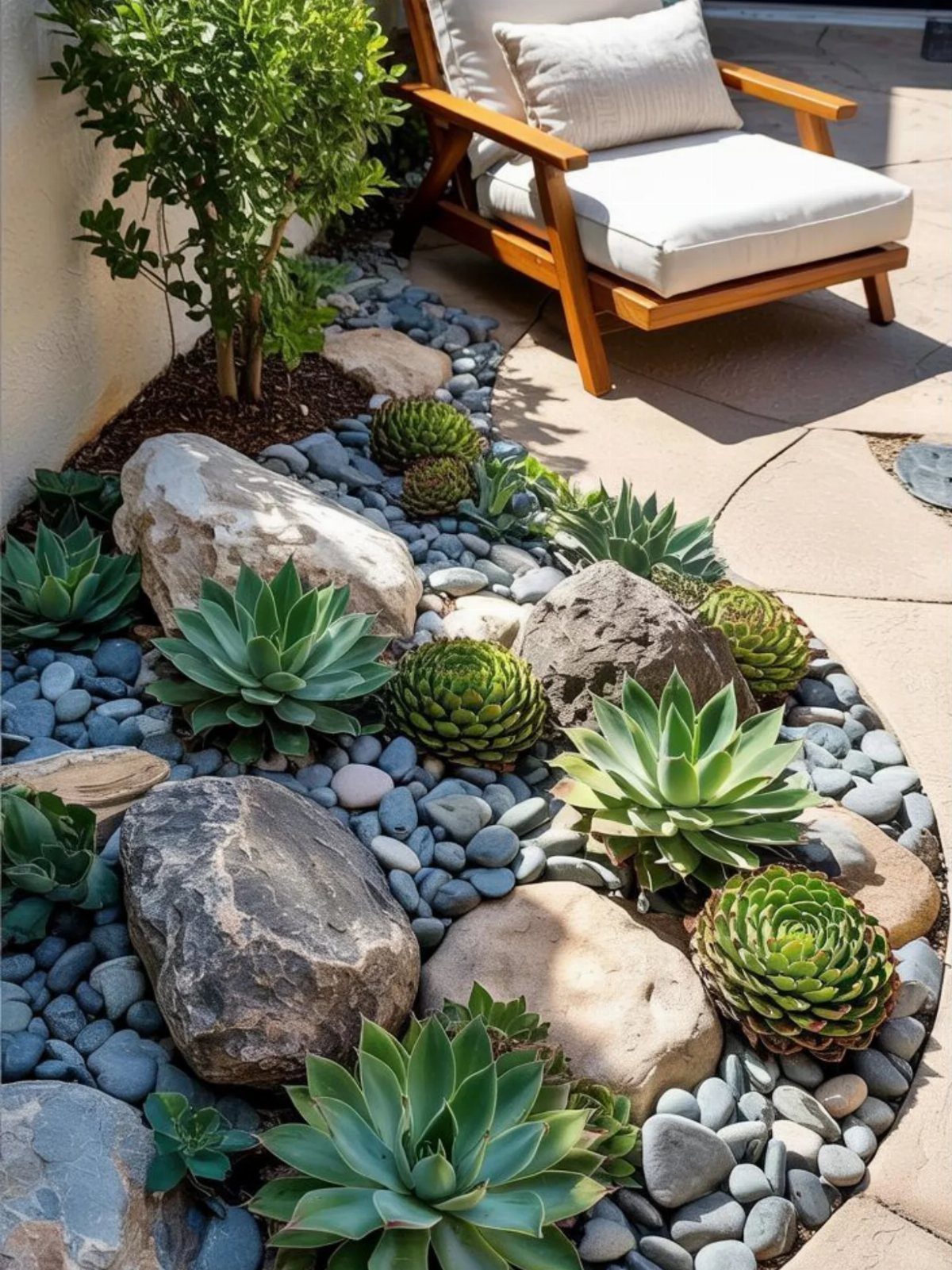
Rock gardens suit the garage side yard because they do not care about bad soil, reflected heat off the siding, or the week you forget to water.
Large boulders anchor the eye; smaller river rock fills between; succulents tuck into gaps and survive on neglect.
I would start with the biggest stone you can move without equipment, set it slightly off center, then build outward with graduating sizes. Grey and blue-toned rock reads cooler against warm siding, though local stone always looks like it belongs.
The maintenance is almost zero: pull the occasional weed, top off rock every few years as it settles. No mulch to rot, no annuals to replace.

【Well Drainage】This succulent gritty mix is super well in water drainage, best for drought tolerant succulents and cactus, help your plants grow beautiful colors and also effective prevent rover water

100% Natural Material: ZOOFOX small rocks stones are all natural. Their natural attribute will make them last longer because they will not deteriorate like mulch does.They have been only washed with water several times.

Garden DIY: Our pebble rocks for bonsai plants are the affordable,no hassle choice for DIY gardeners looking to decorate a meditation garden, reflection garden, fairy garden
4. Incorporate Potted Plants
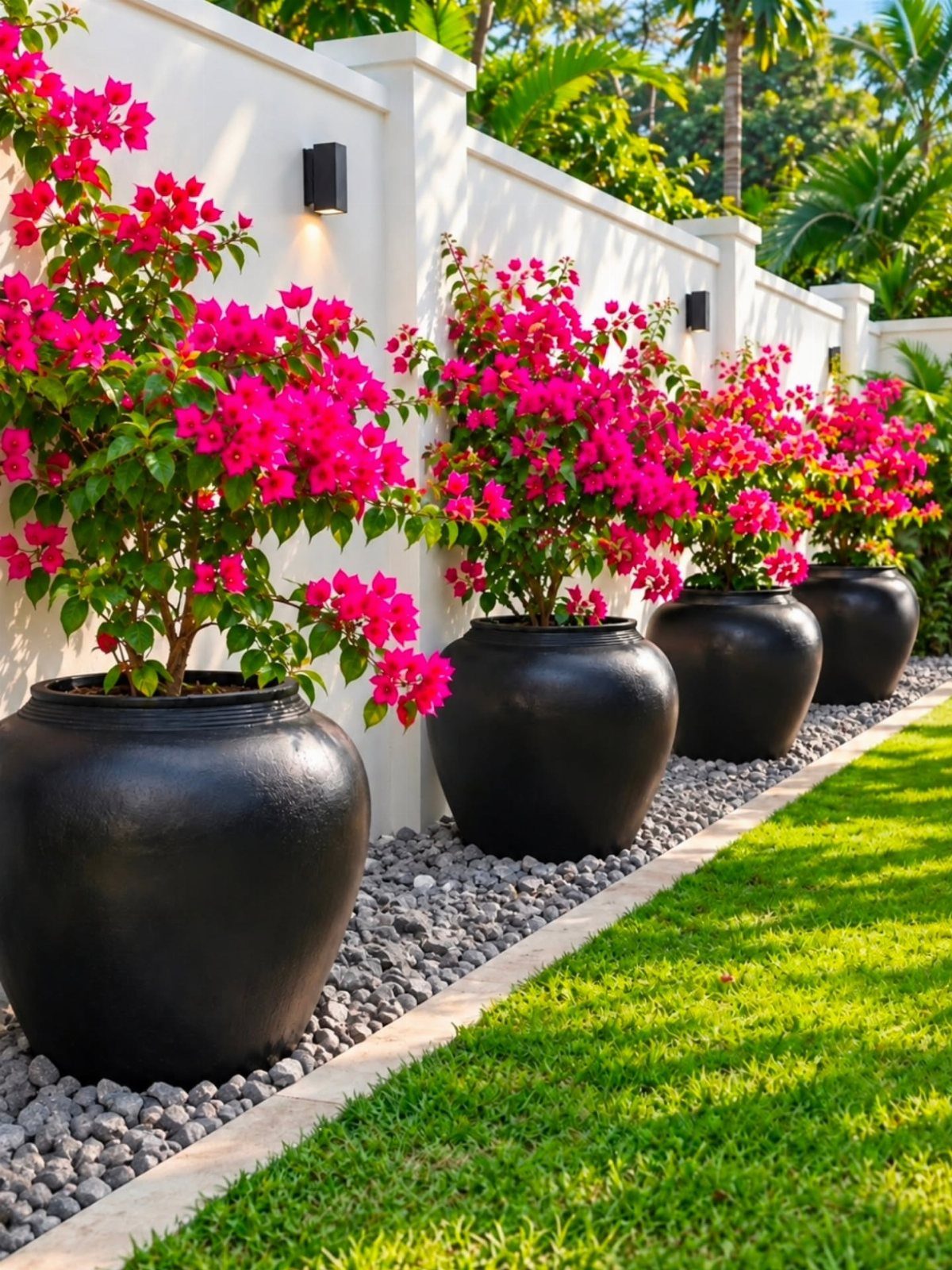
Potted plants along the garage wall let you test what grows before you commit to digging.
Hardy choices matter here: the garage wall bakes in summer and throws back extra light. Ornamental grasses, boxwood, lavender, and evergreen shrubs all handle the heat and reflected glare without turning crispy.
I would go with 2 or 3 identical pots rather than a mismatched row; repetition reads as design, not accumulation. Drainage holes are non-negotiable, and saucers or feet keep the pot from staining the pad below.
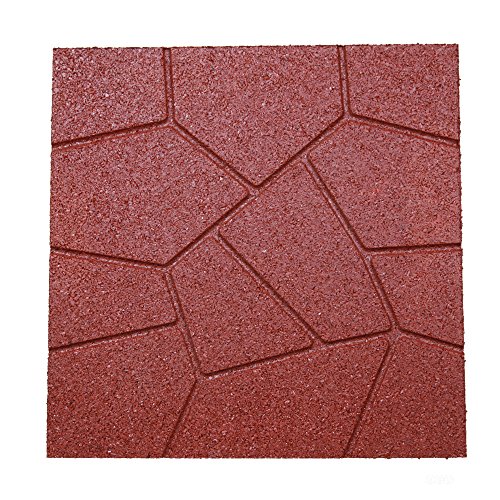
These pavers are made of heavy duty SBR rubber granules that make it flexible, anti-slip, and anti-static.

Practical 8FT Wooden Pathway: The pathway measures 8ft(L)17inch(W), to be a nice rustic paver decoration of your garden, and flexible enough to fit any ground, such as sandy beaches, gravel roads, grassy lawn etc. It can help keep your feet clean and dry away from dirt, grass, and sands

Durable & All-Weather Construction: High-quality natural wood with transparent lacquer coating, resistant to sun/rain/crack, fits grass/gravel/snow/muddy groundspicing up the surroundings.
5. Decorative Stone
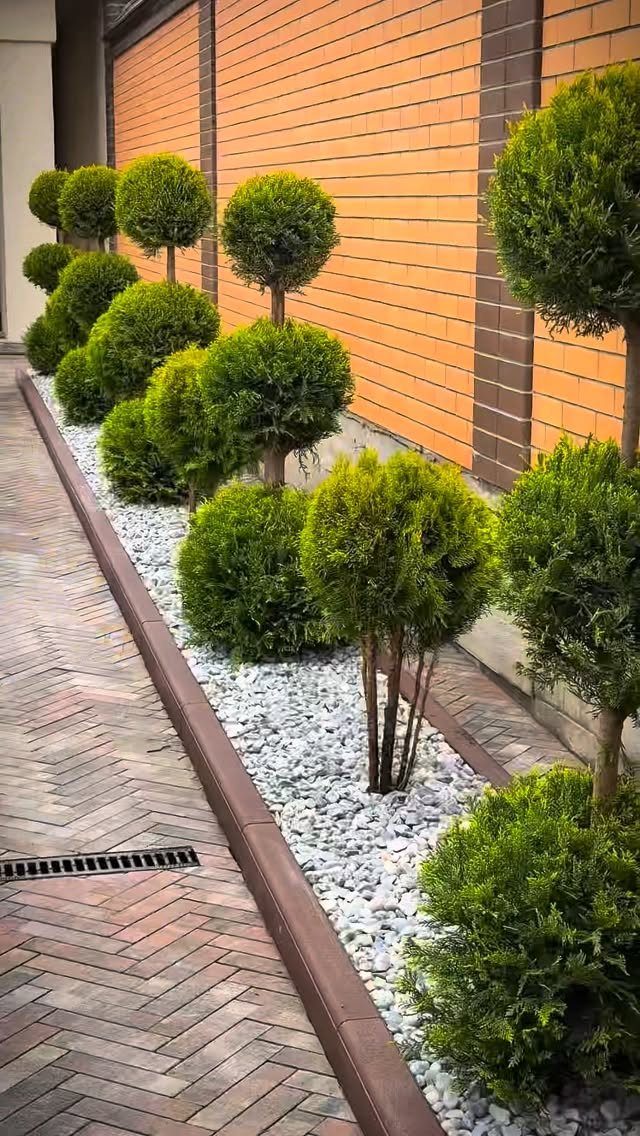
Decorative stone replaces mulch with something that does not decompose, float away, or need replacing every spring. White gravel and clipped topiary read as clean intention; the same setup with wood chips would look like a work in progress.
Stone suppresses weeds and holds moisture in the soil below, though you will want landscape fabric underneath or the first rainy season plants a lawn of volunteers in your rock.
The up-front cost runs higher than mulch, but over time it pays back. I would keep the stone type consistent with whatever hardscaping is already nearby; mixed geology looks like you used what was on sale.

Package Contents - 30 crosshead hubs(for 5/64'' or 2mm cable), 150ft x 5/64" wire rope, 30 plastic expansion anchors, 30pcs washers, 120 PVC end caps, a small bundle of plant ties, 1 masonry drill bit, 1 Allen key, 1 all-purpose spanner, 1 instruction manual, trellis system calculator included. We offer a lifetime after-sales guarantee

Package Contents - 20pcs crosshead hubs(for 5/64'' or 2mm cable), 5/64" x 98.43ft wire rope, 20 plastic expansion anchors, 20pcs washers, 80 PVC end caps, a small bundle of plant ties, 1 masonry drill bit, 1 Allen key, 1 all-purpose spanner, 1 instruction manual, trellis system calculator included. We offer a lifetime after-sales guarantee
6. Wall Planters
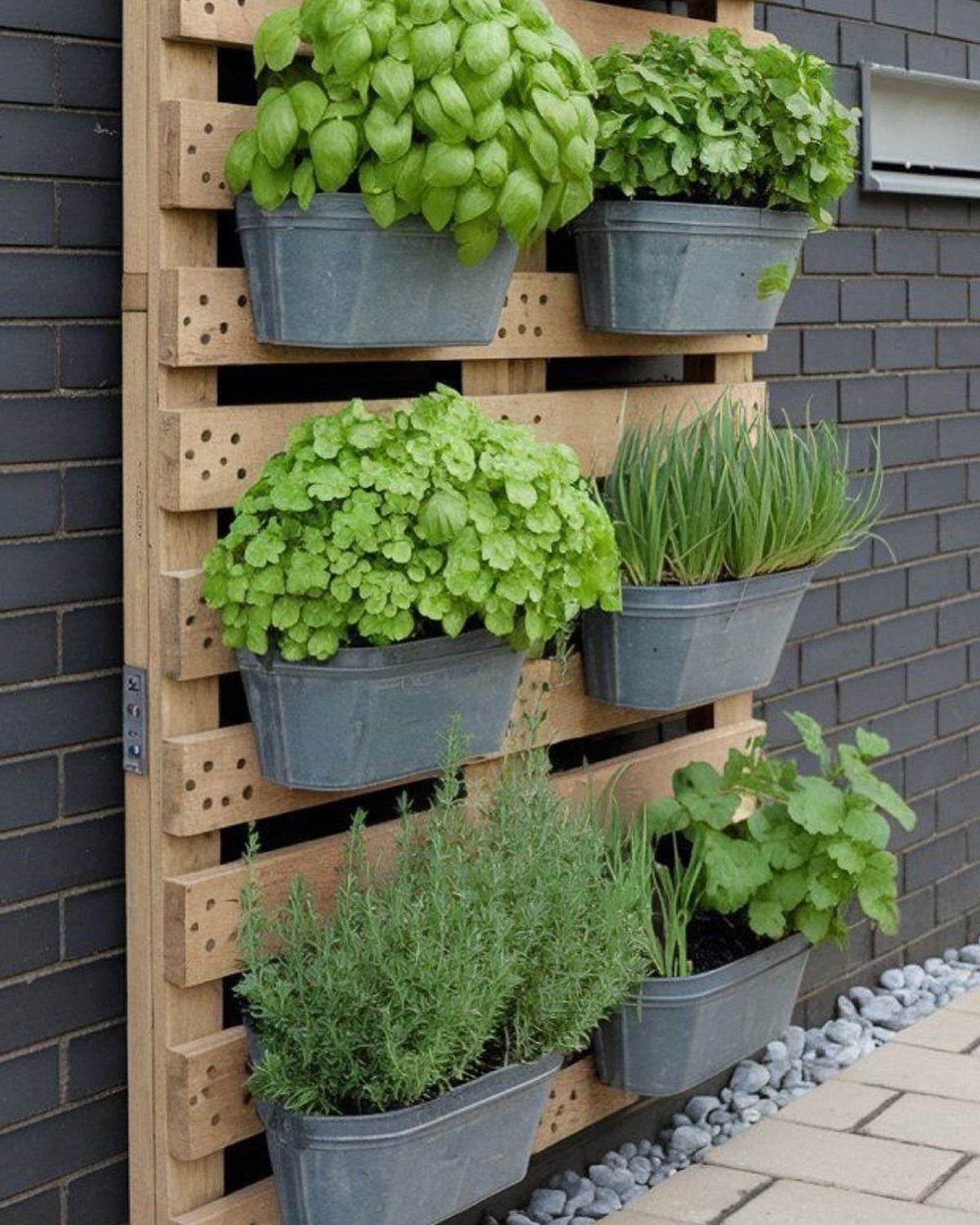
Wall planters make sense when the ground strip beside your garage is too narrow to work, or when that ground is concrete you do not want to break up.
A pallet mount with metal troughs turns the wall itself into the garden.
Herbs are the practical choice: basil, rosemary, thyme, all of them want the sun that hits a south-facing garage wall, and they do not mind drying out between waterings.
Plants growing up the wall pull your gaze upward and make a tight strip feel like more space than it is.
Make sure the pallet is treated for exterior use or it will rot in 2 seasons; line the back with plastic if the wall behind is painted, or the moisture will streak the siding.

Three Optional Modes 1.Motion Sensor Light Mode (The lights will go off at night when no motion is detected; when it detecteds motion the step lights stay on at high brightness for 15 seconds and then go off) 2. Permanent On Mode (the lights turn on automatically night and stay on at 10% brightness for 8 hours). 3. Smart Brightness Control Mode (when no motion is detected, the light stays slightly bright all night; when motion is detected, the motion sensor adjusts the light to stay on high for 15 seconds, then back to stay slightly bright)

【ENERGY SAVING】No hard wiring.Solar outdoor lights are powered by the sun, providing them with 6-8 hours of sunlight, which can bring you 8-10 hours of lighting at night without wasting any energy or electricity.
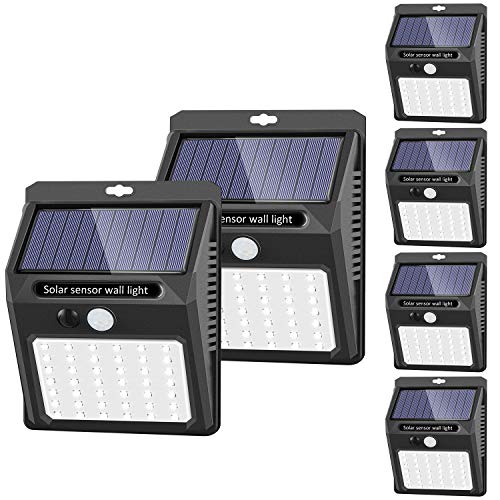
【Smart PIR Motion Sensor & 3 Modes】Solar lights outdoor detects movement within 120° and switches to full brightness instantly. Choose from 3 modes: constant medium light, dim-to-bright, or motion-activated. Sensor sensitivity is fixed (not adjustable); mount 6–8 ft high and away from heat sources to avoid false triggers. Ideal for driveways, garages, and entryways.
7. Flower Bed with Stone Edging
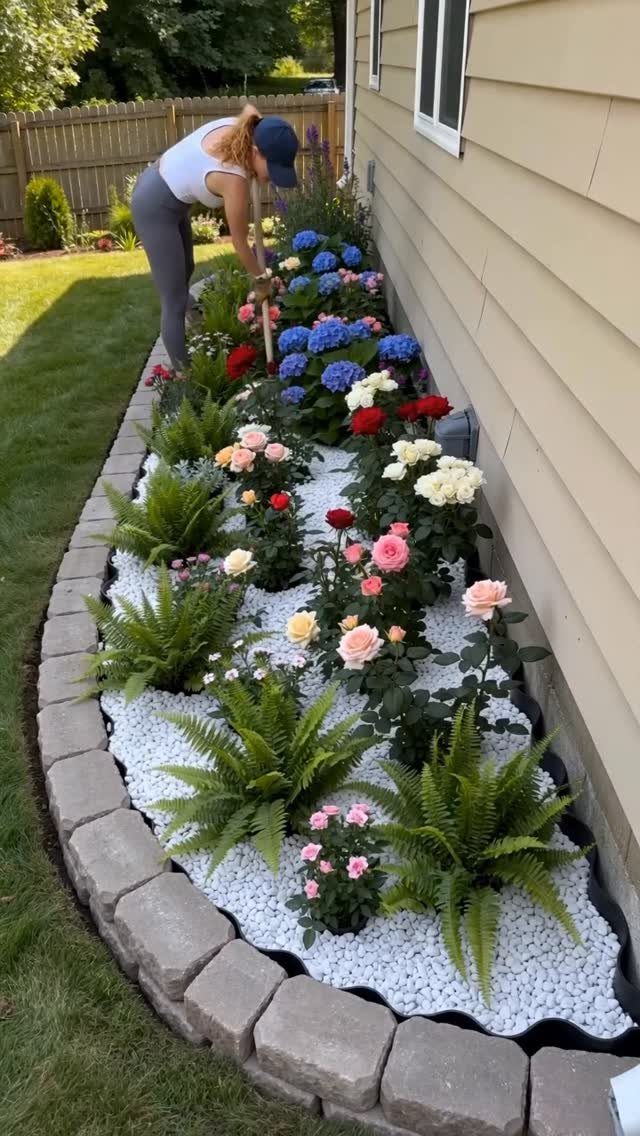
A curved bed edged with grey stone turns the straight garage wall into something softer without asking much of the soil underneath.
Hydrangeas, roses, and ferns fill a bed like this one; white pebbles between plants keep weeds down and reflect light back up into the foliage.
The curve matters more than the plants. A gentle arc breaks up the long wall line better than a sharp angle, and grey stone edging holds the shape without rotting like wood would.
Check the bed width against your mower: too narrow and you are trimming by hand every single weekend.

Product Packaging: 1 set of chain trellies for climbing plant (includes 10 black stars, 10 black moons, 20 Metal Spring O Rings Clip, 6 traceless hooks, 6 traceless nails, 6 plastic-coated hooks, and 10 zip ties).

This modern trellis is a simple upgrade to bring a stunning architectural element to a plain wall. Easy to assemble with just two panels and six mounts, it offers a hassle-free installation. Simple to install, yet designed with durability in mind, our rectangular wall trellis is built to stand up to the elements and maintain its beauty season after season.
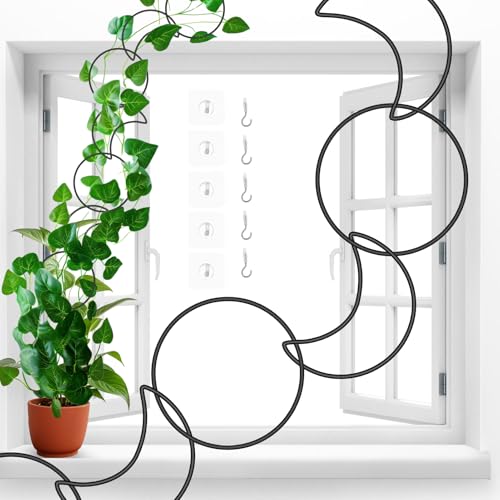
Create Exclusive Climbing Paths: Our climbing plant trellis are especially designed to support the growth of long vines, its sturdy construction and beautiful sun and moon wheel connections provide the ideal climbing path for plants to grow healthy and strong, no tedious steps and extra tools required from installation to use, easy to create your own green space.
8. Stone Paver Walkway Beside Building
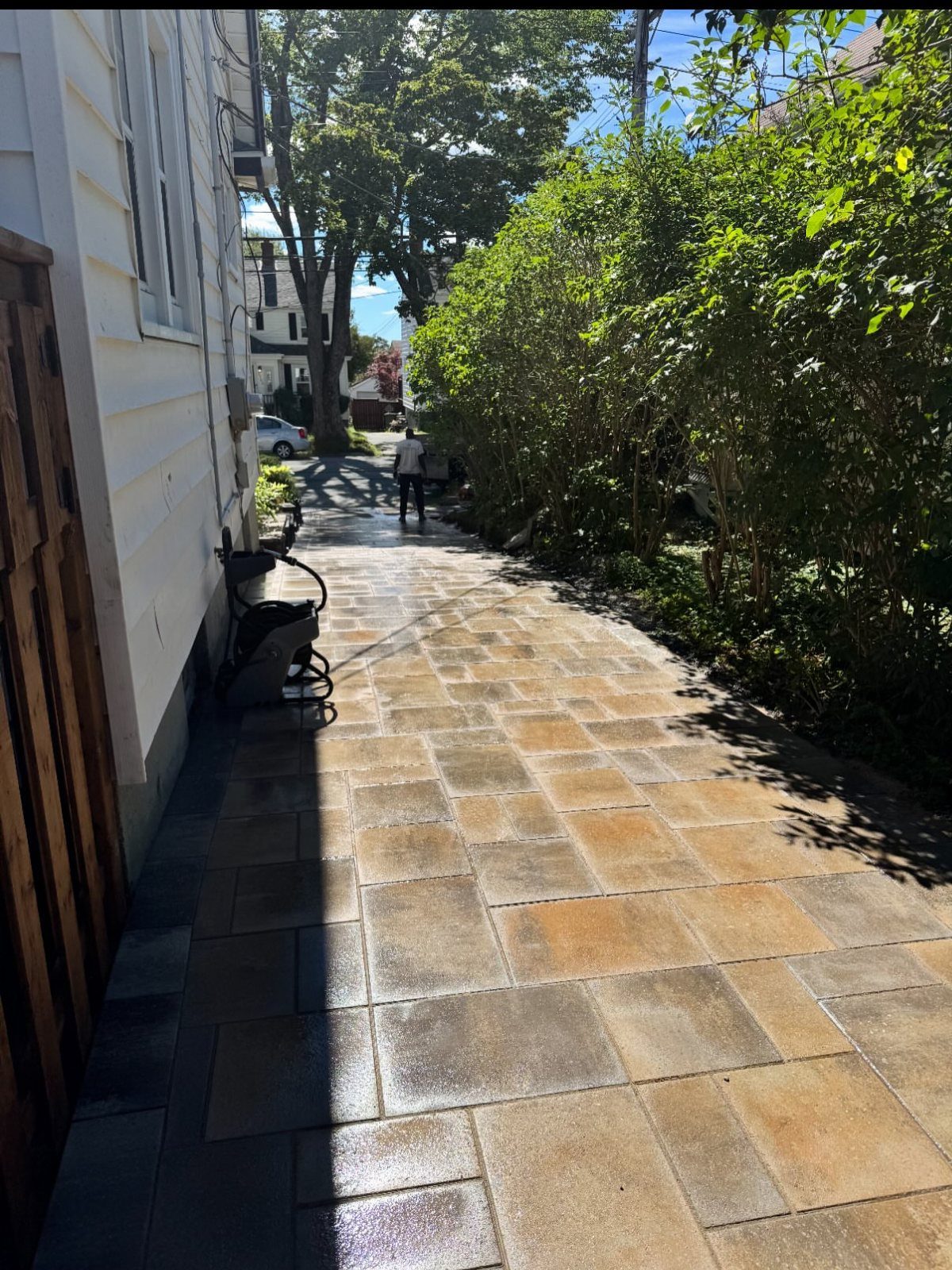
A stone paver walkway running parallel to the wall gives you dry footing through a side yard that turns to mud every spring.
A walkway like this sits tight to white siding with dense hedge on the outer edge; that pairing of hard surface and soft green is what makes it read as finished.
Set the pavers on compacted base, not just dirt, or frost heave will have them wobbling before the first hard winter ends.
The hedge on the far side needs room to mature; plant it at half its final width from the path edge or you will be pruning it weekly just to walk through.

【Jade Bean Pebbles Size 】: 1/5" average size is perfect for small applications(The size is 4mm to 6mm)

🌱【100% Natural Stones 】Maifan stone is a natural silicate mineral, containing many trace elements, which can balance the pH value of the soil and help plants grow better.

Perfect size: With a size range of 6mm-9mm, these stones are just the right size to provide visual interest without overpowering the plants or the overall composition.
Low Maintenance Options
Plants that already handle your local rainfall and temperature save the most effort, since they do not need extra watering or coddling once they are in.
Mulch and decorative stone both cut the work further by keeping weeds from sprouting and holding moisture in the ground longer. Evergreen plants give the strip year-round structure without the cycle of pulling out spent annuals and planting new ones.
The combination of hardy plants with stone or mulch means the garage bed still looks tended even when you have ignored it for a month.
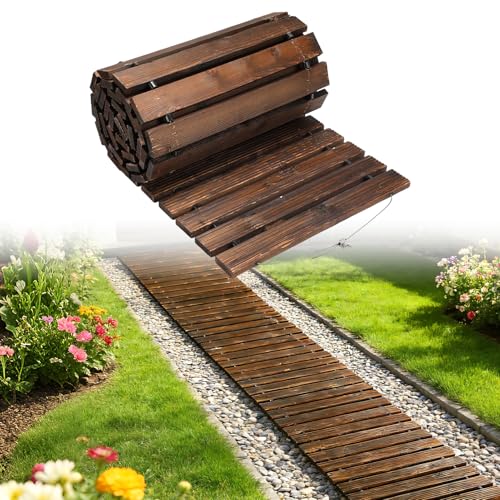
Thickened Carbonized Pine Wood Structure: Made from 0.6-inch-thick pine wood, it is stronger and more durable than ordinary fir wood, and less prone to cracking and deformation. The carbonization treatment effectively improves weather resistance, making it suitable for long-term outdoor use and an ideal choice for pathways in gardens, lawns, and backyards

【Practical 8FT Wooden Pathway】Our garden pathway measures:8ft(L)×17inch(W), and comes with a cute DIY Board, to be a nice rustic paver decoration of your garden, and flexible enough to fit any ground,such as sandy beaches, gravel roads, grassy lawn etc. It can help keep your feet clean and dry away from dirt, grass, and sands.

Surface Texture: Natural fir wood is selected with exquisite processing technology, coated with waterproof coating, and has anti slip patterns on the surface, greatly improving the safety and stability during walking, and isolating water stains and sediment. Exquisite workmanship, suitable for various weather conditions and scenes, not easy to fade, and more crack resistant
Curb Appeal Importance
The garage wall is usually the biggest single surface facing the street after the front of the house itself, which makes what you plant there matter more than the square footage suggests.
A bare foundation strip or weedy gravel reads as unfinished from the curb, while the same wall with defined edging and plants that relate to the rest of the yard pulls the whole property together.
The garage should read as part of the house, not as a leftover box the builder dropped and walked away from.
When designing the landscape for a garden, garages can often be forgotten about. It’s crucial to remember how much of an impact a garage can make in the initial planning stages.

Package Contents - 12pcs crosshead hubs(for 5/64'' or 2mm cable), 5/64" x 53' wire rope, 12 plastic expansion anchors, 12pcs washers, 40 PVC end caps, a small bundle of plant ties, 1 masonry drill bit, 1 Allen key, 1 all-purpose spanner, 1 instruction manual, trellis system calculator included. We offer a lifetime after-sales guarantee

Package Contents - 30 crosshead hubs(for 5/64'' or 2mm cable), 1 wire cutter, 150ft x 5/64" wire rope, 30 plastic expansion anchors, 30pcs washers, 120 PVC end caps, a small bundle of plant ties, 1 drill bit, 1 Allen key, 1 all-purpose spanner, 1 instruction manual, trellis system calculator included. We offer a lifetime after-sales guarantee.
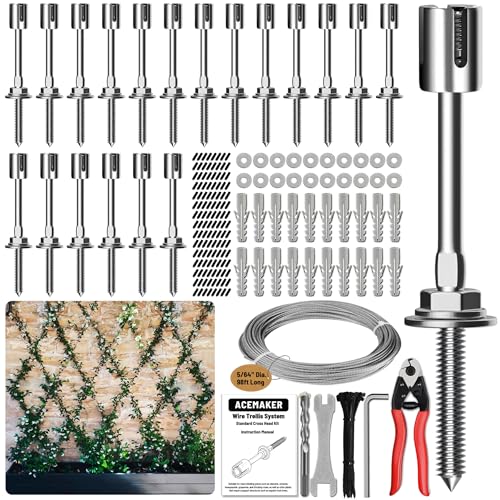
Package Contents - 20pcs crosshead hubs(for 5/64'' or 2mm cable), 1 wire cutter, 5/64" x 98.43' wire rope, 20 plastic expansion anchors, 20pcs washers, 80 PVC end caps, a small bundle of plant ties, 1 masonry drill bit, 1 Allen key, 1 all-purpose spanner, 1 instruction manual, trellis system calculator included. We offer a lifetime after-sales guarantee
Color Coordination
Green foliage against a neutral garage door is the safe pairing that does not date itself; the plants read as permanent and the door as background.
Flowering plants can work, but they shift with the season and need restraint so the color does not fight the door for attention.
Where the garage door is already a strong color, muted foliage keeps the wall from becoming a carnival.
Vertical elements like slim planters or trellises placed slightly away from the door add height without blocking the opening, and their color should follow the same rule: either quiet against a loud door, or structured against a quiet one.
Avoiding Common Mistakes
Planting too close to the garage makes every job harder and the result look crowded even when the plants are small.
Give each one the room its mature size needs, not the space it takes now. Scale matters against a tall wall: low annuals disappear, while a shrub that wants to grow wide will swallow the driveway edge.
Drainage is the mistake that does damage you cannot see until it is expensive; water pooling against the foundation belongs in no design.
Slope the soil away from the wall, and do not let any bed become a basin that collects runoff from the roof or driveway.
Frequently Asked Questions
What are the best garage landscaping ideas for improving curb appeal?
A strip of low shrubs or ground cover at the base of the garage wall breaks up all that flat siding and ties the structure back to the yard around it.
How do you landscape around a garage without blocking the driveway?
Keep the planting bed narrow and choose low-growing plants or compact shrubs that stay below sight lines. Potted plants set back from the door let you test what grows without committing to a wide bed that creeps toward the car.