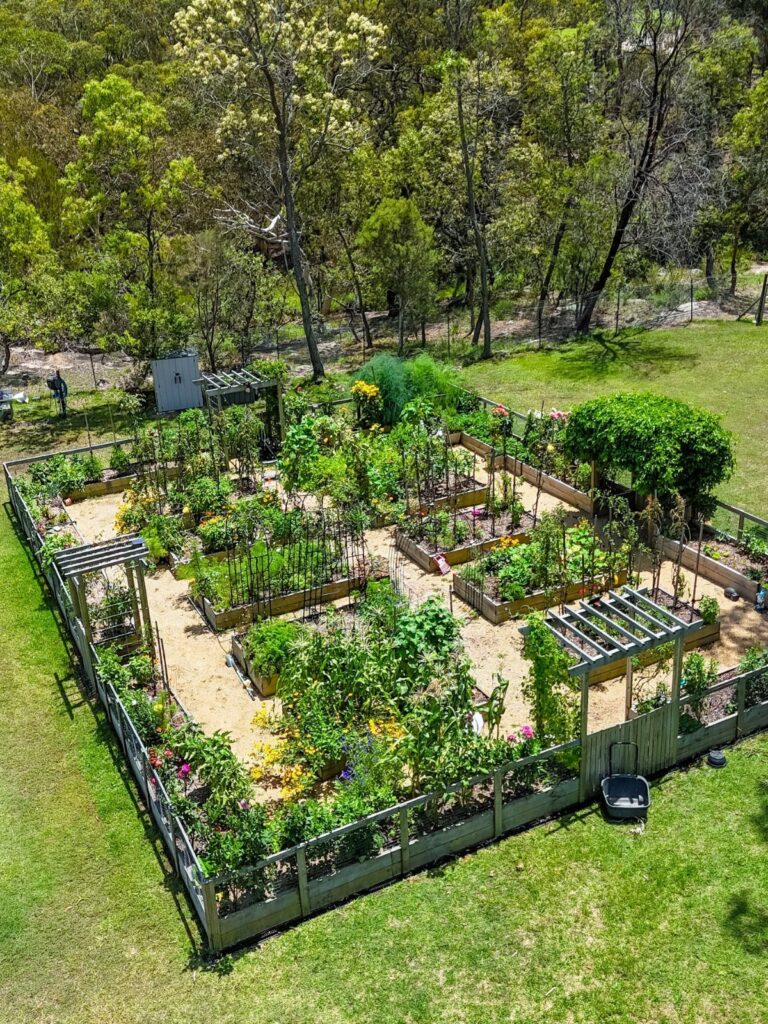
These ideas run from a Saturday build with pressure-treated 2x4s and a staple gun to a 30-by-30-foot cedar walk-in cage, and the right one depends entirely on which animal you are actually fighting.
Deer need real height, rabbits need wire buried 12 inches deep, and a dog-only problem calls for nothing more than black metal posts and geometry. The half-inch hardware mesh that stops chipmunks will slice your palms open if you forget gloves.
[link-whisper-related-posts]1. Wooden Vegetable Garden Fences
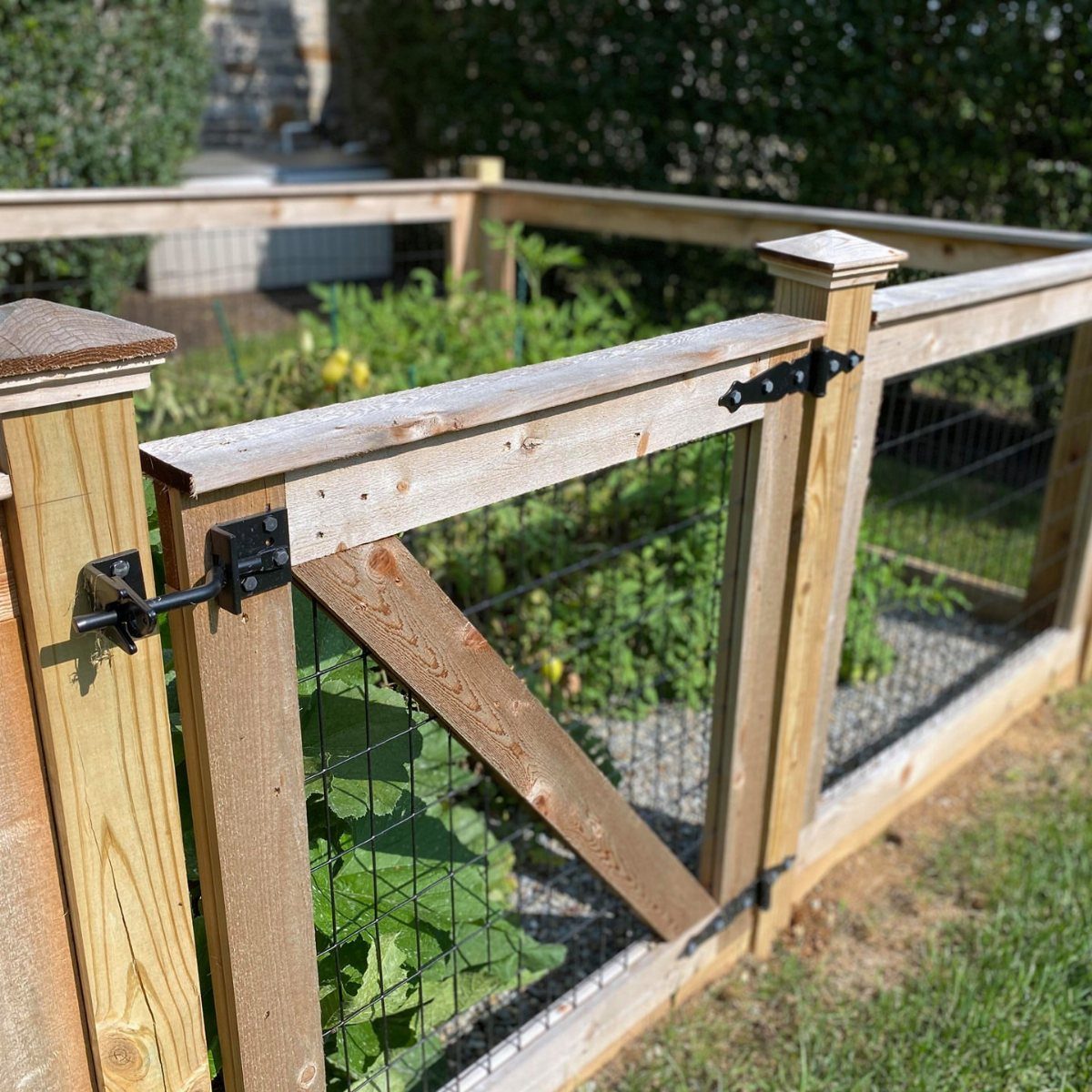
A wooden frame with wire infill gives you something you can build with a miter saw and a staple gun in a Saturday.
Black strap hinges and a slide latch pair well with welded wire panels, gravel underfoot, and grass right up to the edge.
I would go with pressure-treated 2x4s for the posts and rails, spaced so the wire does not belly between them.
Pull the wire tight as you fasten it; a fence that sags collects leaves and looks tired by year two. Woven wire costs less than welded, though the joints stay rougher if you want that clean grid look.
For deer, the fence needs real height; anything they can clear in one bound is wasted effort.
For rabbits, the wire alone at ground level is not enough. This setup suits a flat yard where you can run a straight line without fighting the grade.

Complete Set: Includes 6 panels (24" H x 28.5" W) and 7 stakes (29.5" L), providing comprehensive protection for your garden.

UPGRADED REINFORCED AND ENCRYPTED EDGES WITH ROPES: Quick installation with tangle-free setup, securely fastening to the ground or posts for enhanced protection. The 5/8” square mesh effectively restricts animal movement, providing safety for your garden, poultry, and pets

COMPLETE PROTECTION KIT - Professional-grade 7ft x 100ft deer netting with 3/4" fine mesh that effectively blocks deer, rabbits, birds, and small pests. Includes 10 metal landscape staples and 50 zip ties for immediate installation - everything you need in one package.
2. Hardware Mesh
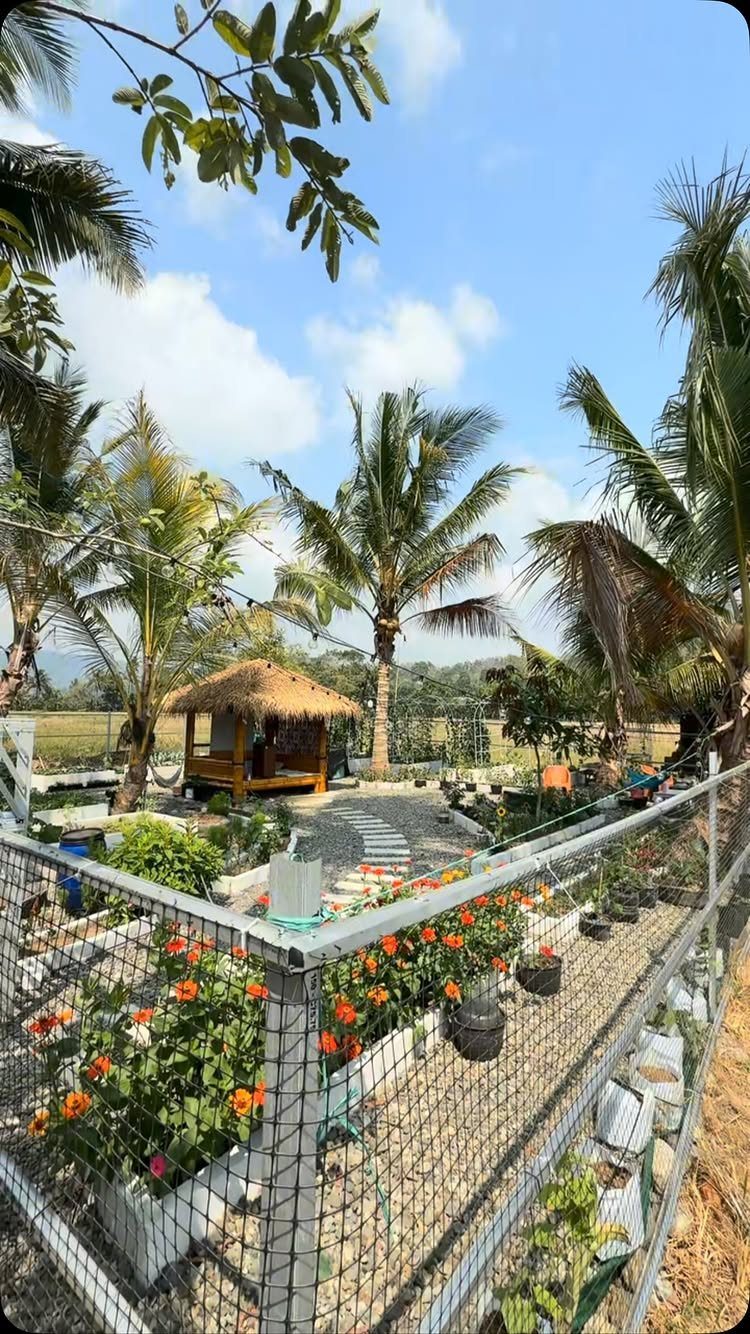
Half-inch hardware mesh stops what taller fences let through.
Hardware mesh works as the whole wall of a low fence around raised beds and grow bags, not just a ground-level strip, which tells me the gardener has chipmunks or squirrels in mind, not just deer.
Hardware mesh for a fenced vegetable garden needs to extend at least 12 inches underground and bend outward in an L-shape; that depth is non-negotiable in soft soil, while on clay or rock, pinning the skirt flat and covering it with mulch may have to do.
Hardware mesh costs more than chicken wire, but chicken wire rusts out in a season and rabbits push through the 1-inch gaps.
I used this under a shed once and swore at every staple.
Wear gloves. The cut edges slice.

» » Poultry Netting Size: The size of the chicken wire mesh fence is 12 inch×50 ft, 15 gauge galvanized wire and 2 inch mesh. Each chicken wire mesh is easy to cut and shape into any shape you want( include a 4.5inch plier). Warm reminder, before you buy, please read the product size and specifications carefully.

» » Poultry Netting Size: The size of the chicken wire mesh fence is 12 inch×150 ft, 19 gauge galvanized wire and 1 inch mesh. Each chicken wire mesh is easy to cut and shape into any shape you want( include a 4.5inch plier). Warm reminder, before you buy, please read the product size and specifications carefully.

Material: made of steel wire galvanized before weaving with quality material to ensure long-term use, durable than nylon or plastic poultry mesh netting, ideal for chicken wire fencing, garden wire fence, pet fence, pet separation net, the safe cover of rabbit cages.
3. Fence Gate
The gate is a smaller rectangle built from the same 2x4s and 2x2s as the fence panels, with the same galvanized wire stapled inside.
That matching construction matters more than it sounds; a gate hung from lighter material sags and drags within a year.
Build it 2 inches narrower than the opening so seasonal swelling does not bind it. Outdoor-rated hinges with a lag screw into the post, not a wood screw, carry the weight.
A simple flip latch on the outside and a gravity latch inside means you can open it with an elbow when your hands are full of tomatoes.
One maker built hers with pocket holes and had help holding the frame square while fastening. That second pair of hands is worth waiting for.

High-Quality Anti-Rust Process This hardware cloth is made from high-strength low-carbon steel wire, combining excellent strength with flexibility. After precision welding, the entire product undergoes a premium anti-rust treatment—hot-dip galvanization—with special reinforcement at all seams and corrosion-prone areas to ensure uniform, dense coating and outstanding rust resistance. This process grants the product superior weather resistance, making it an ideal choice for wire mesh fencing and long-term outdoor applications.

⭐Mesh Wire Fence: Please Note the Required Length and Mesh Size. 1/2 inch Openings 48 inch x 100 foot, 19 Gauge.

High-Quality Anti-Rust Process This hardware cloth is made from high-strength low-carbon steel wire, combining excellent strength with flexibility. After precision welding, the entire product undergoes a premium anti-rust treatment—hot-dip galvanization—with special reinforcement at all seams and corrosion-prone areas to ensure uniform, dense coating and outstanding rust resistance. This process grants the product superior weather resistance, making it an ideal choice for wire mesh fencing and long-term outdoor applications.
4. Full Garden Mesh Enclosure
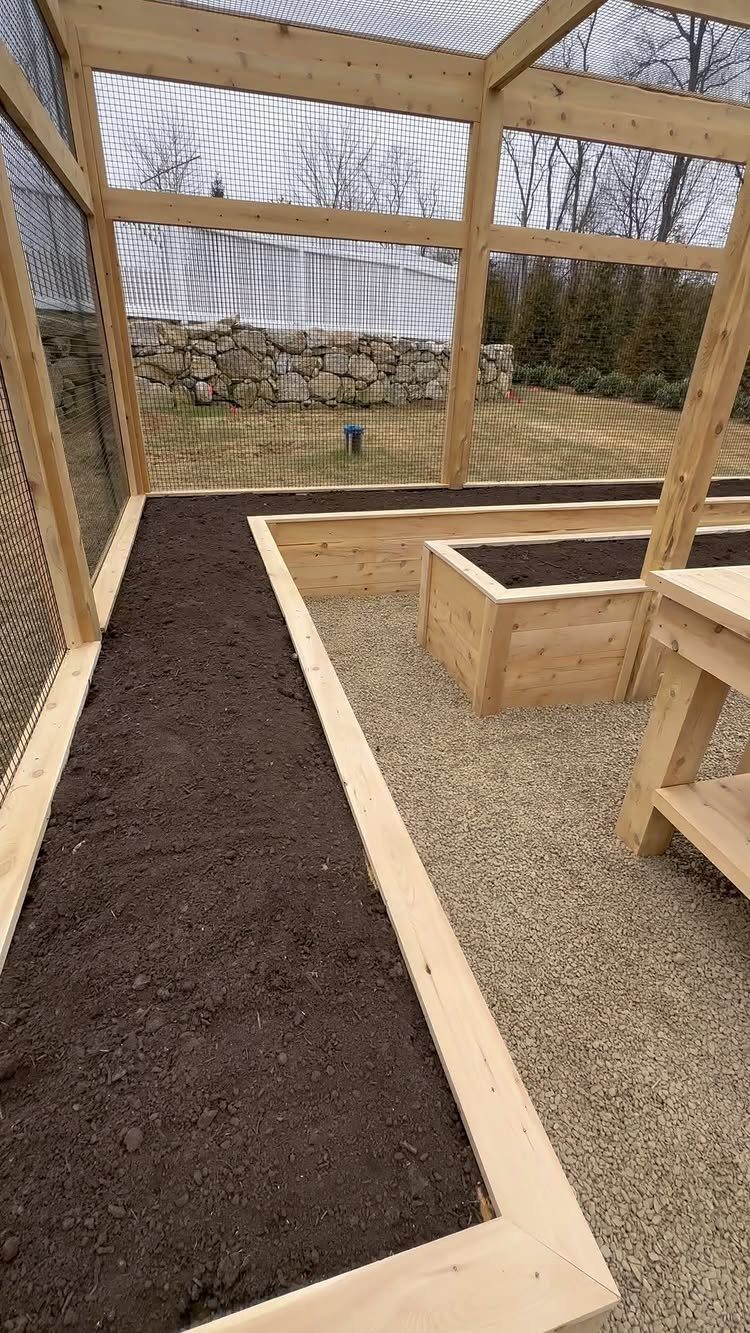
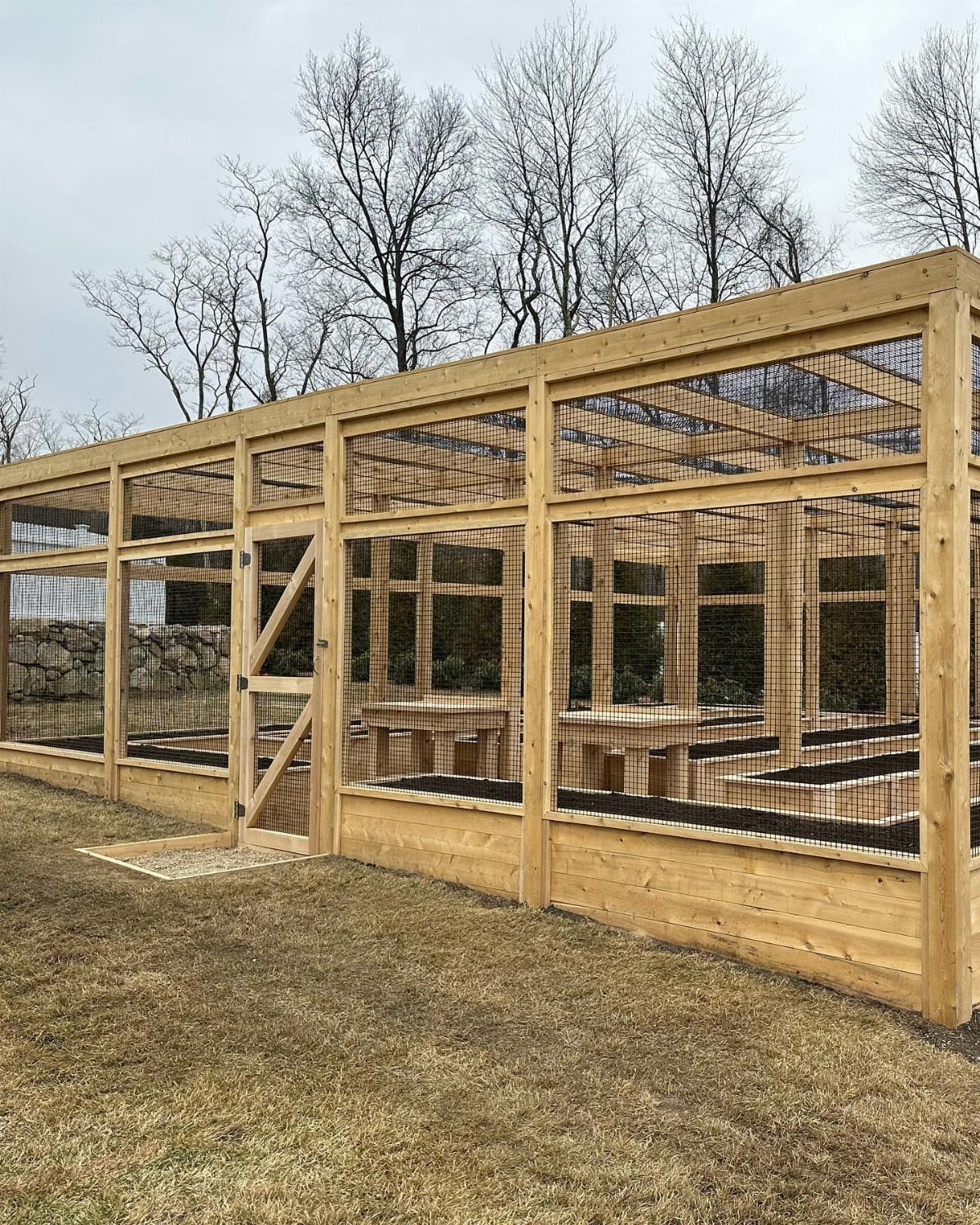
A walk-in cage changes the job from keeping animals out to keeping everything out, including the gardener unless there is a door.
No gate means access through an open end or a removable panel, which works fine until you need both hands for a wheelbarrow.
The maker calls theirs 30 by 30 feet, cedar-framed, with soil-filled raised beds inside and pea gravel paths wide enough to kneel in. Cedar weathers to gray and holds up where it touches dirt, though the price stings next to pressure-treated.
I would think hard about height.
Height enough to walk upright is the minimum; a little extra lets you carry a hoe on your shoulder. Without a gate, plan which panel comes off easiest.

High-quality materials: T-Strap Gate Hinges is made of iron, coated with black powder on the surface, which is durable, corrosion-resistant, oxidation-resistant and rust-proof, providing safety and stability for long-term outdoor use
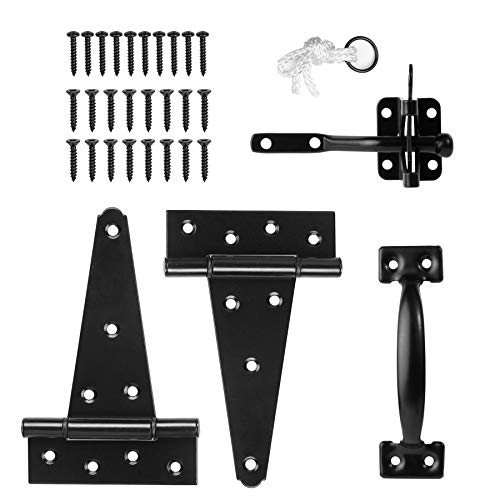
【Sturdy Metal Gate Latch Kit】 Privacy Gate Latch Set made from heavy gauge steel construction with Superior Black Powder Coat Finish & Zinc Plated corrosion resistance, designed to offer simple but solid security for inward and outward swinging gates and doors, classical black can match any back yard decor, enjoy the project of DIY and protect your garden.

【Sturdy & Durable】The pair of black outdoor hinges constructed from 1.2" thickness solid steel with rust proof, corrosion-resistant and weather-resistance black powder coating offer the security and stability for long-term outside use, fix a sagging or dragging gate easily and achieves a perfect swinging gate.
5. Horizontal Wire Garden Barrier
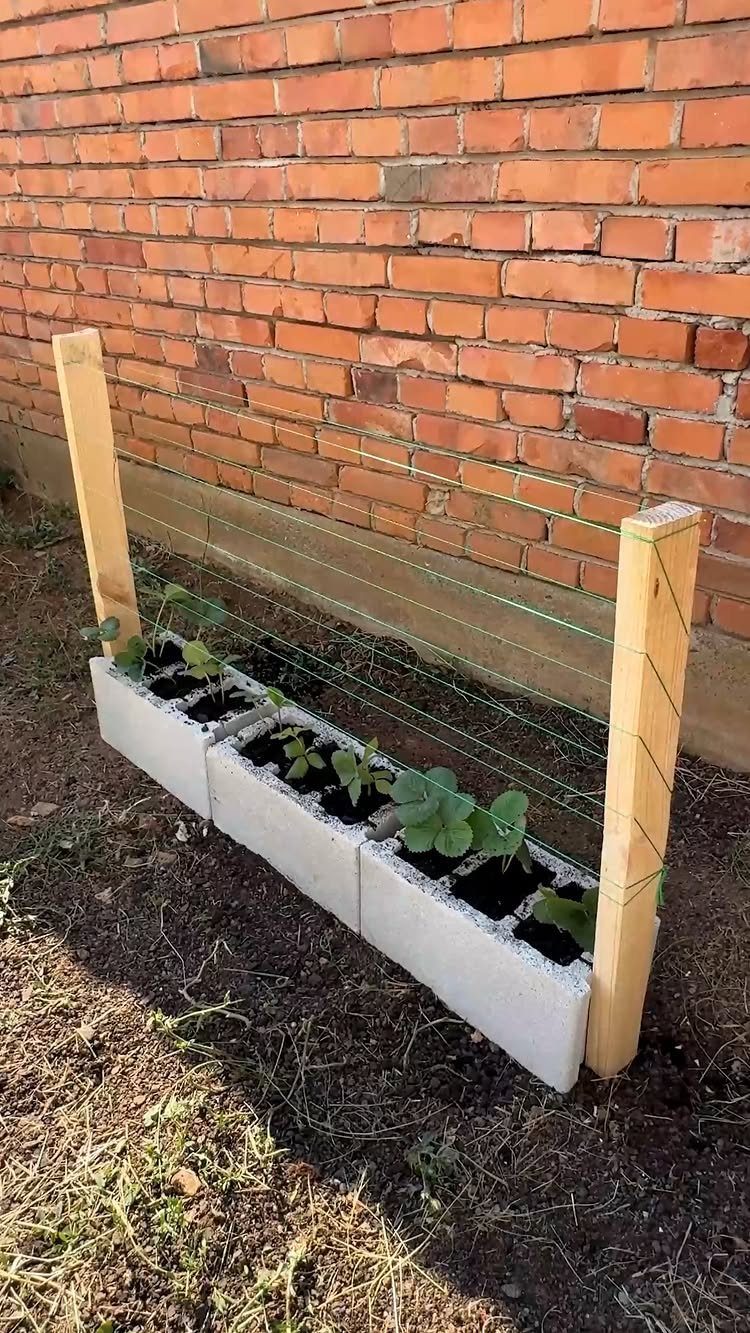
Green wire strung horizontally between 2 posts gives climbing plants something to grab, not a barrier against anything determined. The cinder blocks below it hold soil for seedlings that will eventually reach the lowest wire.
Check tension before the vines load it. Loose wire sags under the weight of a mature cucumber vine and snaps back when the fruit drops.
Posts need real depth or they lever out the first time something leans. I would use turnbuckles or threaded eye bolts to take up slack rather than restringing each spring.
This suits a narrow bed against a wall where a full fence would block light or access from behind.
It does not stop rabbits. It does not stop anything, really, except the tomatoes from flopping.

Heavy-Duty Under The Bed Blocker for Pets: Our 0.1" thick chicken wire fence resists wear and tear from claws and teeth. A durable cat balcony netting, our long-lasting barrier protects pets from railings and prevents them from sneaking under furniture

【Heavy Duty Material】 High-strength low-carbon steel core provides superior durability, flexibility, and a solid foundation for long-lasting performance.

Heavy Duty Chicken Wire – True 19 Gauge Steel: This 16in x 10ft chicken wire roll is built from real 19 gauge welded steel for dependable strength. Unlike thin or flimsy mesh, it holds its shape after installation, making it ideal for reinforcing chicken coops and outdoor fencing.
6. Black Metal Garden Fence
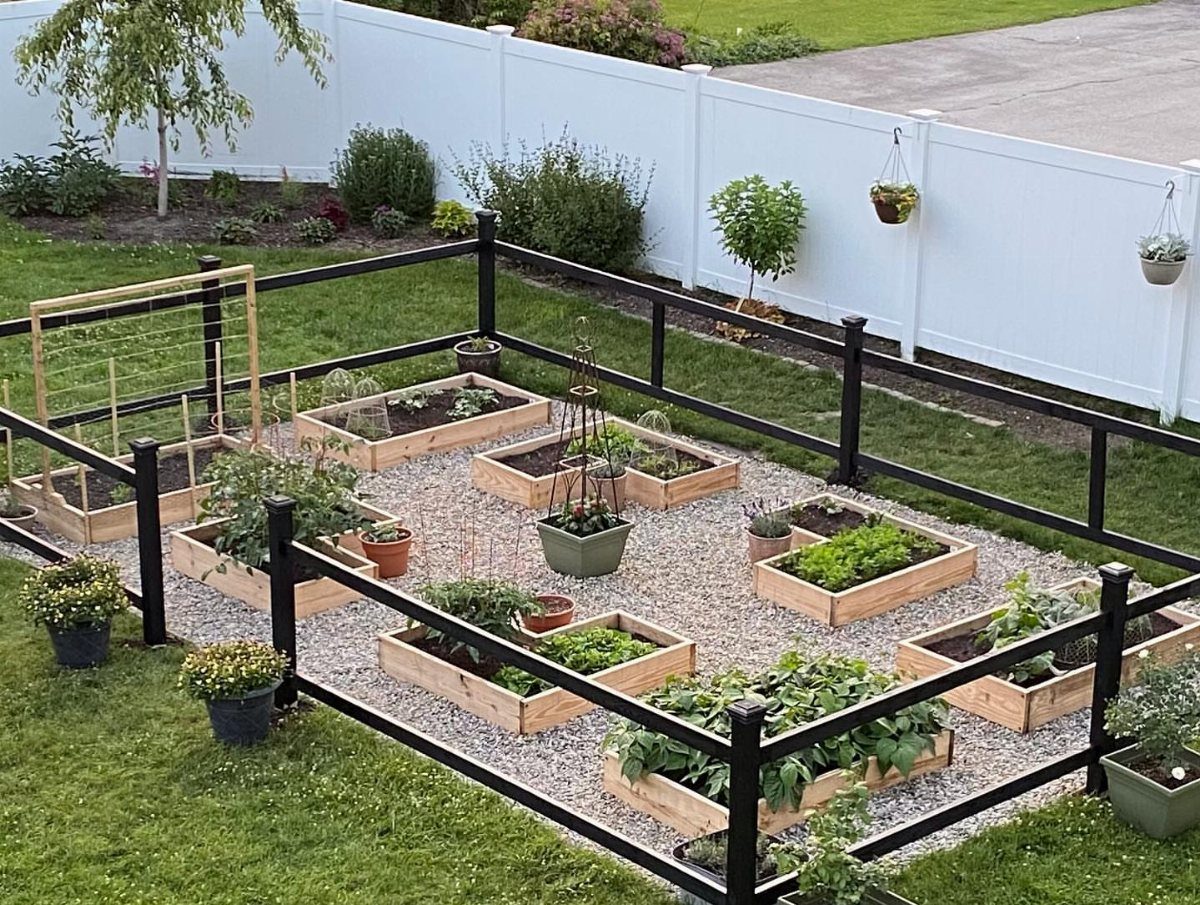
Black metal posts with a simple rail, no wire, no mesh, just the geometry of the uprights marking the bed edges. Black metal around raised wooden boxes on gravel reads as design as much as function.
This is the fence you choose when deer are not the problem and you want to see the garden from the deck.
It keeps the dog out, defines the space, and does not rot. Installation is mostly driving posts plumb and leveling the rails; no stretching, no burying, no staples.
Powder-coated steel will chip at the post tops if you hit it with a hoe.
Aluminum costs more but does not rust where the coating fails. Either way, measure your bed layout first; the panels come in fixed widths and half-panels look like a mistake.

REPELS DEER AND RABBITS: Deer and rabbits don’t have to eat vegetation for the repellent to be effective—they have a natural aversion to the scent

Humane Protection – Helps keep out hungry and destructive deer and other critters from your garden, protecting fruits, vegetables, and flowers. A practical and humane alternative to expensive metal fences, chemicals, and traps.

【Garden Netting Kit】7.5ft x 100ft bird netting, 3/4" fine square netting mesh to keep any small birds out. Accessories included: 10 pcs metal U shaped staples, 50 pcs zip ties
Identifying Garden Pests
The right fence starts with knowing who you are keeping out.
Deer, groundhogs, pocket gophers, rabbits, raccoons, skunks, squirrels, and voles are the usual suspects, each leaving different evidence. Footprints, tooth marks, scat, and digging patterns tell the story if you know how to read them.
The county extension office keeps lists of which pests are active in your zip code, so you are not guessing between raccoons and groundhogs based on internet advice from 3 states away.
Daytime damage is easy to witness; birds, squirrels, and groundhogs feed in the open.
Night raiders take more work. A cheap wireless motion-sensor light from the hardware store will spook them at first, then they adapt.
Turn off your house lights, keep binoculars ready, and watch who comes for the free meal. Opossums and moles are not the problem; both eat insects and leave crops alone.

【OUTSTANDING RUST RESISTANCE 】 The 24'′×50′ hardware cloth is made of No. 16 heavy-duty galvanized steel wire and provides double coating to maximize rust resistance and service life. Vinyl coating provides additional protection. Can be easily cut with scissors. Molded or folded as needed without any problems

【Size】- 8 inches/ 12 inches/ 16 inches x 10 feet/ 33 feet, wire mesh 1/4 inch (23 gauge wire) or 1/2 inch (19 gauge wire). Our wire mesh roll is incredibly easy to use and customize. Simply use a pair of scissors to cut it to the desired size.
Cost Considerations
A fence costs more up front than sprays, fishing line, or the perimeter-peeing method, but animals learn.
They always learn. The alternative is gambling your tomatoes every night.
I have replaced four fences across two homes, starting with three feet in front and six in back. That progression cost me money I could have saved by sizing right the first time.
The math is simple: a fence that lasts pays for itself in unlost produce and untripped anxiety. The seasonalhomestead source puts it directly; the sleep is worth it.
Pressure-treated 2x4s and welded wire run less than cedar, and cedar stings next to pressure-treated.
Powder-coated steel in black metal sits between them in price, with aluminum above that. Buy once.
Seasonal Fencing Options
Not every fence needs to survive winter.
A ground sleeve system with a locking set screw lets you pull posts when the growing season ends, which matters if you mow or snow-blow the same space. The sleeve stays flush to grade; no stubs to catch a blade.
Removable fencing suits renters and anyone who reshapes beds yearly. Living fences of native grasses and staggered bloomers blur the line between seasonal and permanent, giving structure even when dormant, but they do not stop rabbits.
If you dig a hardware mesh skirt 12 inches down, that depth is for keeps. Plan before you bury.
Visual Appeal
A fence can read as design or as desperation; the difference is material and spacing. The geometry does the work.
A wire mesh fence is function without form, fine against a wall where a solid fence would steal light.
Pressure-treated 2x4s with welded wire read as utility unless you build carefully; black strap hinges and a slide latch help. Aluminum avoids that, at a price.
Match the fence to the problem you actually have. A deer barrier in a rabbit zone looks like overkill because it is.
Frequently Asked Questions
How to build a fenced in vegetable garden?
Start with pressure-treated 2x4s for posts and rails, spaced tight enough that wire does not belly between them. Staple the wire drum-tight; any sag turns into a leaf trap and looks beat by the second summer.
Height depends on who you are keeping out: deer need something they cannot hop, rabbits need wire underground or a ground-level skirt they cannot dig under.
Build the gate 2 inches shy of the opening, use lag screws into the post and outdoor hinges, and it will still swing easy a year later.
What are the disadvantages of hedge fences?
Native grasses and staggered bloomers give you structure in winter, though rabbits walk right through.
They sit somewhere between a garden feature and a real fence without stopping the animals that actually eat your crop. A hedge takes years to fill in, and in the meantime your tomatoes are unprotected.
What are the cheapest fencing options for my garden?
Pressure-treated 2x4s with welded wire run less than cedar, and both cost less than powder-coated steel or aluminum.
Chicken wire saves a few dollars over hardware mesh but rusts through fast and rabbits chew it open. What you save on a fence that holds up comes back in tomatoes that actually make it to the kitchen.