These ideas run from a weekend with a shovel and a few bags of gravel to a stone walkway reset that costs more than a used mower, with stops at native plants, artificial turf, solar lighting, and enough rock and mulch combinations to cover most yard sizes.
What picks one over another is how much of your yard still needs to look like a lawn, how much water you want to stop pouring on it, and whether your budget is closer to a tank of gas or a monthly car payment.
I test solar spots for a week with a cheap garden stake before buying permanent fixtures, because placement is the whole job.
[link-whisper-related-posts]1. Stone Walkways
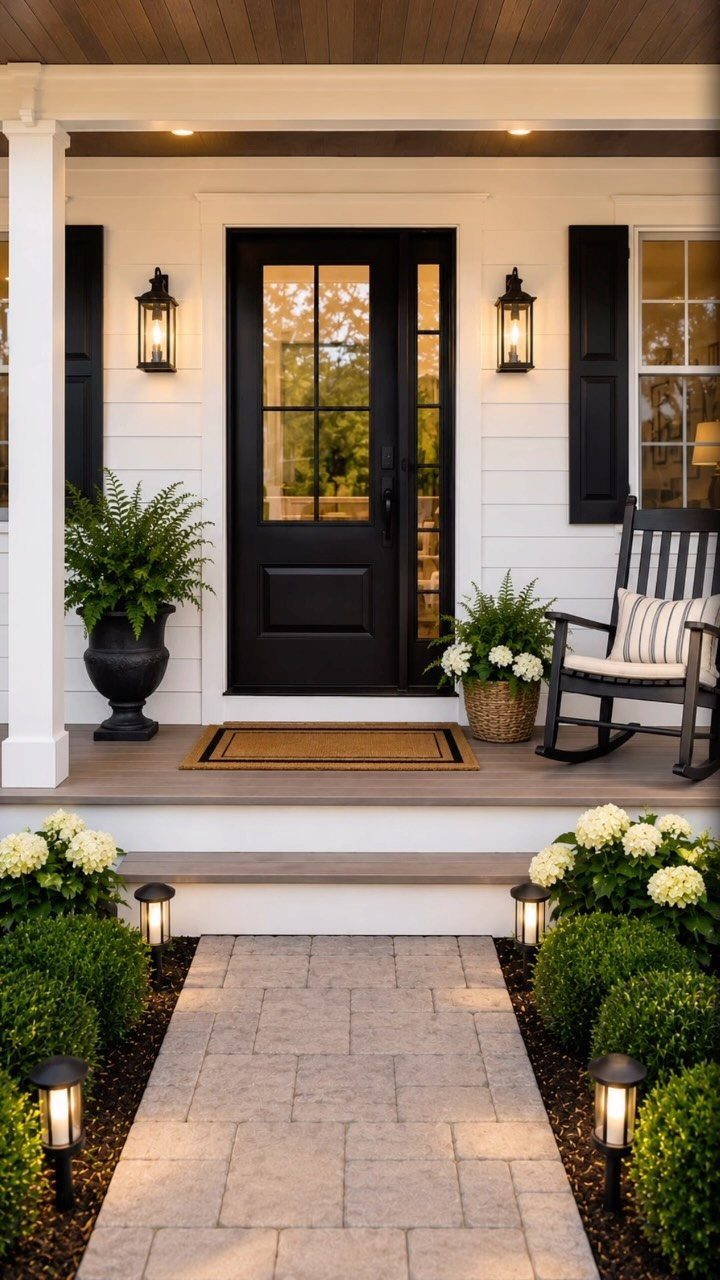
A stone walkway turns foot traffic into a hard surface that needs nothing from you after it is set. Concrete, natural stone, or brick all outlast wood and need no sealing every spring the way a deck does.
I like walkways that sit slightly above the planting beds beside them so mulch and soil do not wash across in rain.
A low border of the same stone, or a separate row of pavers set on edge, solves this without looking like a separate project.
On sloped ground, short retaining walls built into the same material keep the path level and the soil where it belongs.
Stone costs more up front than poured concrete, but it handles freeze-thaw cycles without cracking and can be reset if something shifts underneath.
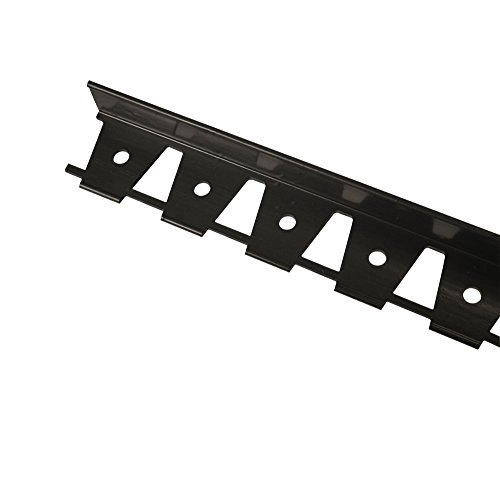
SNIP TO FLEX PAVER, BRICK, OR LANDSCAPE EDGING: Create a beautifully landscaped yard and paver designs without having to hire a professional with easy to install commercial grade edging

Realistic Faux Stone Texture: Our landscape edging boasts a lifelike stone texture with detailed surface patterns that add depth and a polished look to your outdoor space. It beautifully enhances garden beds, lawns, pathways and flower beds, bringing a natural, decorative touch to any yard.

【Natural Stones】This river rocks are natural lightly polished for smooth effect, comes in a variety of natural colors. Resists fading for long-lasting beauty
2. Native Plants
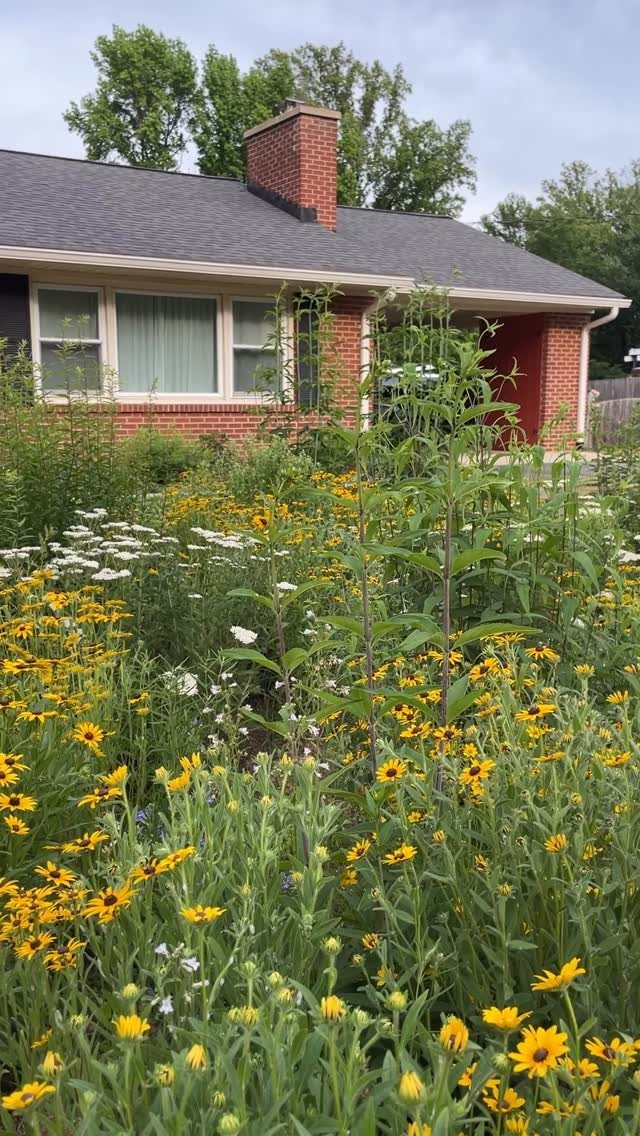
Native plants run on rainfall and soil your yard already has, which means no dragging hoses to new arrivals that wilt by August.
Black-eyed Susans, California lilac, manzanita, and whatever your local nursery stocks from nearby already know the pests and the dry spells.
Knowing what "native" means where you live takes a little homework. A plant native to the Pacific Northwest will drown in Florida humidity; one from the desert Southwest will rot in clay soil east of the Mississippi.
County extension offices and regional native plant societies keep lists, and the staff at independent garden centers usually know which ones stay compact so you are not pruning all summer.
Once established, these plants do not want fertilizer and often look worse for it. I plant in fall so roots settle in before the heat returns.

Used Book in Good Condition

WHAT YOU WILL RECEIVE: You will receive 1 live Huckleberry plant, ready for planting in outdoor gardens, edible landscapes, or backyard growing spaces

3. Artificial Turf
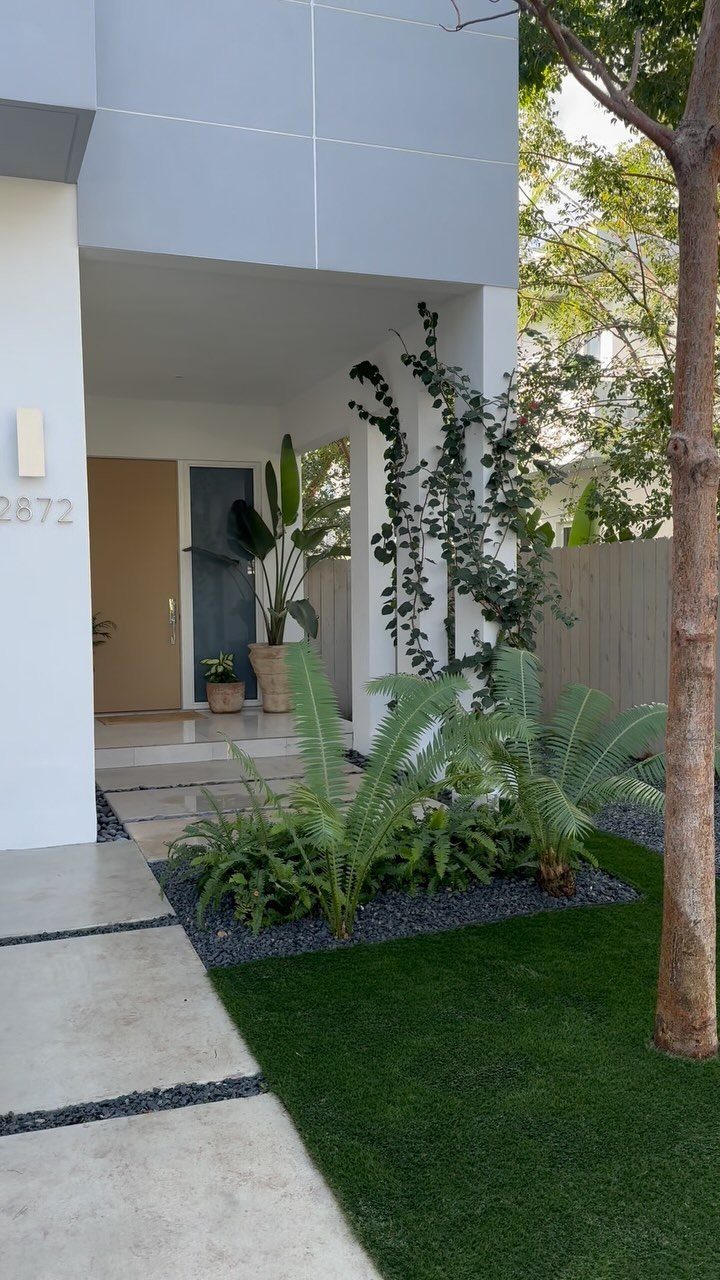
Artificial turf gives the green lawn look without the Saturday morning mower, the sprinkler timer, or the brown patch that appears every July.
Modern versions have varied blade heights and thatch layers that catch light the way real grass does, at least from the sidewalk.
The cost is up-front money and heat.
Turf gets hotter than concrete in direct sun, which matters if kids or dogs use the space. Some homeowners install it only in shaded areas or where real grass refuses to grow, like between a walkway and the foundation.
Drainage underneath matters more than the turf itself.
A compacted base with perforated pipe or a simple gravel bed keeps water from pooling after heavy rain. Without it, you will smell what grows in standing water.
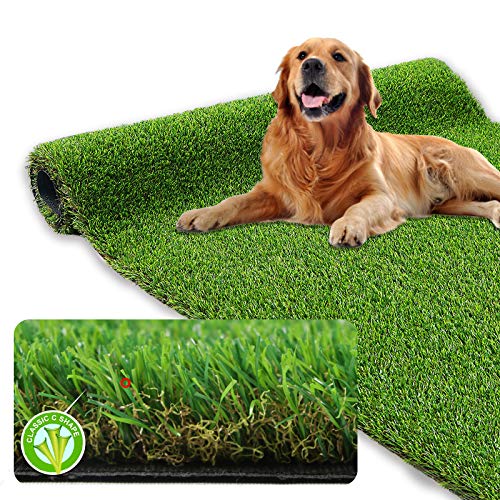
Premium Deluxe & Natural Looks: XLX TURF 3x5 artificial grass rug features a 4-tone color blend, classic C-shaped yarn, and 84.6 oz lush density for a remarkably realistic look. Ideal for floor decor, patio balcony rugs, dog potty training, camping, or any space needing low-maintenance greenery

【Realistic Appearance & Eco-Safe Material】Our premium artificial grass features a rich green color with a soft, natural texture. Crafted from premium PE/PP blend with UV stabilizers, our turf resists fading and degradation under intense sunlight or heavy rain, offering a realistic lawn look year-round. Non-toxic composition ensures pet and child safety during playtime.

【Large Size for Comfort】At 39.3 x 31.5 inches, this astroturf gives your dog plenty of room to move around and do their business. Perfect for potty training, it helps teach your pet to “go potty” with ease. Save time and give your dog the convenience of staying indoors during bad weather—no more walks in rain, snow, or extreme heat.
4. Solar Lighting
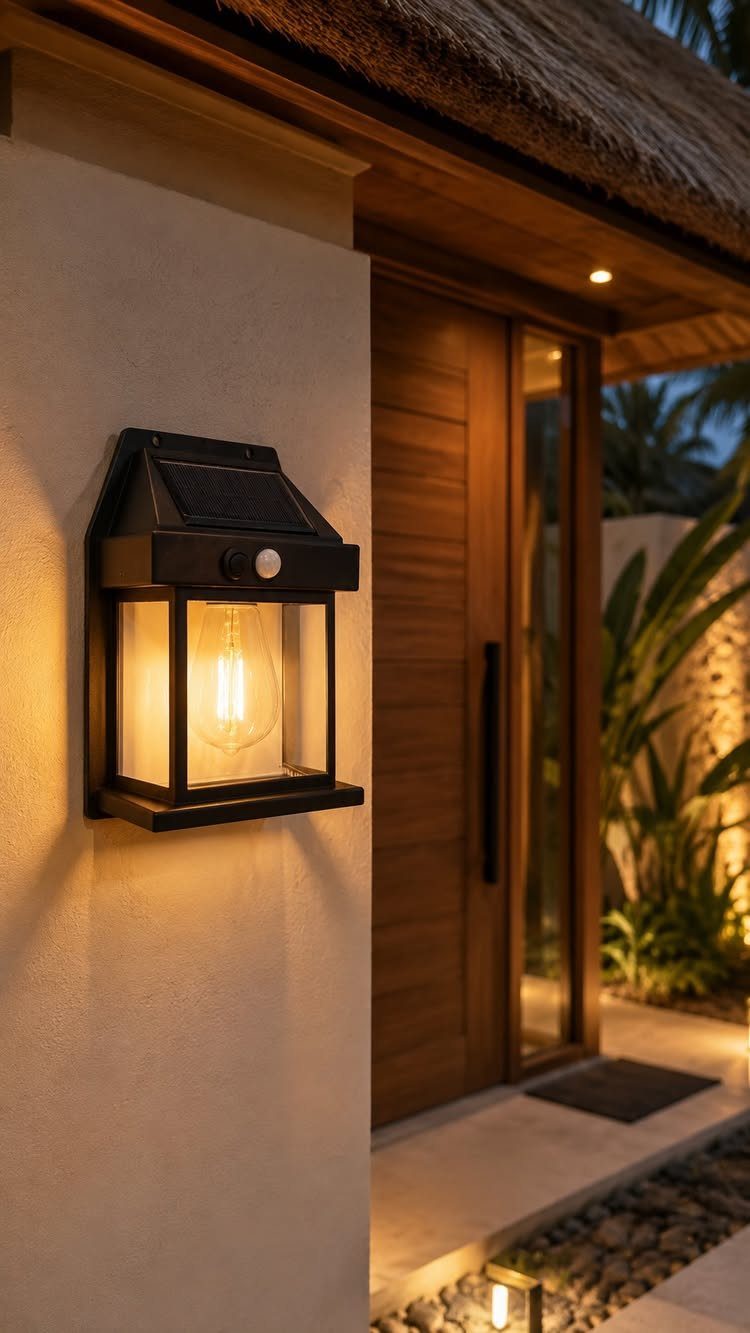
Solar lights charge through the day and switch themselves on after dark, which means no trenching for wire, no timer to reset after power outages, and no bulb replacement for years.
Wall-mounted versions sit beside the door; path versions stake into soil or sit on posts.
Placement is the whole job. A light that gets too little direct sun will glow faintly and die before the evening is out.
I test spots with a cheap solar garden stake for a week before committing to a permanent fixture. North-facing walls, deep porches, and spots under tree canopies usually fail.
Motion-sensor solar units work in darker corners where decorative lights would not charge enough. They draw less power and only run when triggered.

【US PATENT INTELLECTUAL PROPERTY PROTECTION】Upgrade your outdoor lighting with our 10 pack solar path lights. Our solar path lights are equipped with advanced LED filament bulbs for a more focused and bright light. The clear glass lampshade enhances light transmission, 3000K warm white light is perfect for illuminating and decorating your yard. Note: Turn on the switch before first use.

INNOVATIVE DESIGN: Solar pathway lights adopt an integrated lamp head design, using highly transparent acrylic material and surface-cutting technology, making the lamp head present a diamond-like effect. The light projects 3 ft radius wide-coverage starburst patterns onto the ground at night. This lighting effect is design for decoration.

【RGB/ Cool/ Warm White and Lighting Modes】These RGB color changing lights feature 16 million colors and tunable cool & warm white, ideal as halloween lights to customize your outdoor space.Choose from three lighting modes: Motion for safety and efficiency, Luminance for automatic dusk-to-dawn lighting, and Continuous for constant illumination.
5. Gravel Pathways
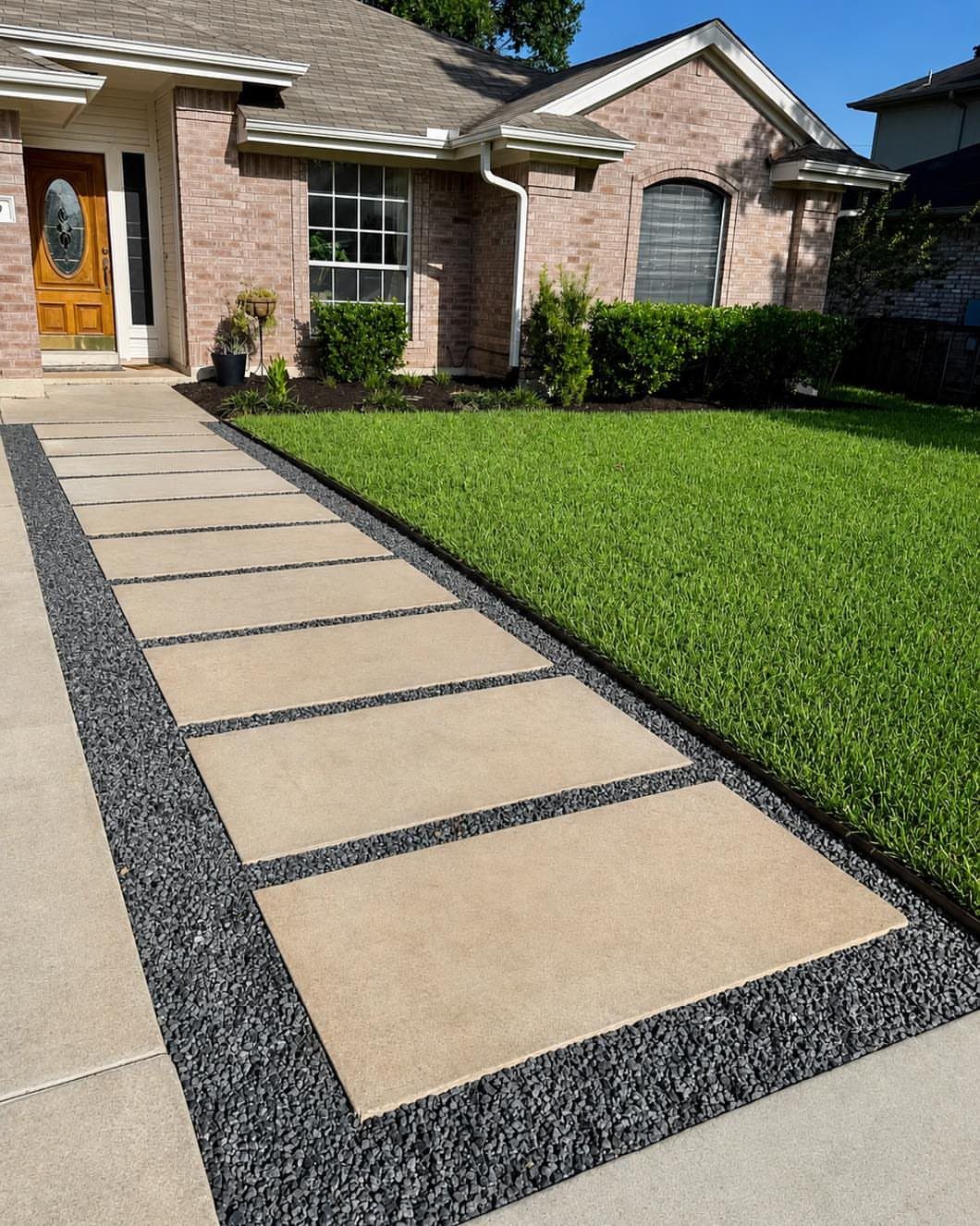
Gravel pathways cost less than poured concrete and handle tree roots or ground shift without cracking. Large rectangular concrete pads set into dark gravel give you a stable surface to walk on and a permeable one that drains between.
The gravel needs edging.
Without a steel strip, timber, or a row of buried brick, it wanders into the lawn and the lawn wanders back. I have seen homeowners skip this step and spend seasons raking gravel off grass.
Depth matters.
Deep gravel over compacted soil stays put; shallow gravel scatters and exposes mud. Set the concrete flush with or slightly above the gravel so water does not pool on the stone and freeze.

LONG-LASTING HOLD:Tired of mulch washing down your hillside or scattering along the driveway after rain? This landscape mulch glue creates a durable bond that stays strong through wind, heavy rain, and temperature changes. Helps keep mulch, gravel, or decorative stone in place where you need it most — no more weekly raking or refilling.

Locks Gravel & Decorative Stone in Place with Reliable Adhesion: CtopoGo Rock Glue forms a dependable bond that holds pea gravel, river rock, mulch, wood chips, pine straw, crushed stone, lava rock, sand, and small pebbles firmly in place. Effectively resists displacement caused by wind, rain, foot traffic, lawn mowers, leaf blowers, pets, and wildlife-keeping your landscaping neat and reducing the need for frequent raking and sweeping

PROFESSIONAL LANDSCAPE ADHESIVE - Easy-to-spray mulch and rock glue for keeping landscaping pristine and beautiful year-round
6. Mulched Garden Beds with Shrubs
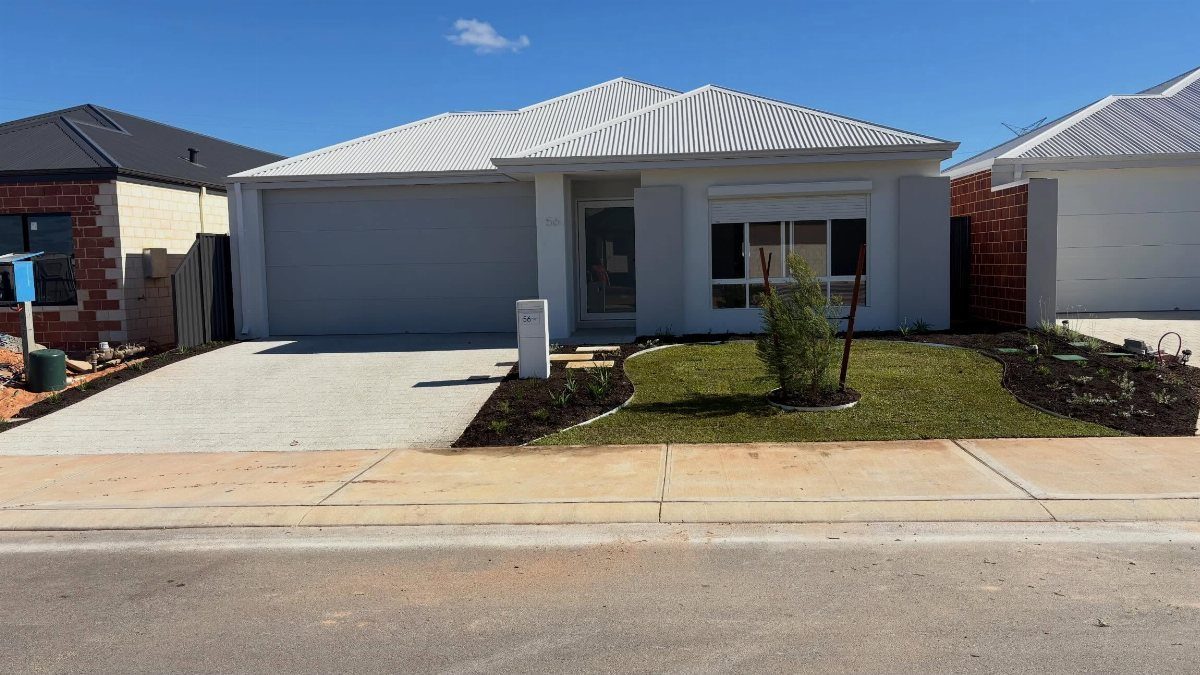
Dark mulch around young shrubs gives a finished look now and buys time while the plants fill in. Dark mulch along a driveway and the front foundation covers the 2 spots where bare soil looks most neglected.
Mulch depth should stay deep enough to block light but not so deep that water cannot reach the roots.
More suffocates roots; less lets weeds through and dries out too fast. I pull it back from shrub trunks to avoid the rot that happens when bark stays wet.
The shrubs here are small and widely spaced, which reads as intentional modern planting rather than a yard in progress.
Choose varieties that mature to the height you actually want, not the one on the tag someday, or you will be pruning against their nature every spring.

Weather-Resistant & Built to Last: Crafted from durable PC+ABS resin, these stepping stones are heat-resistant, crack-proof in freezing temps, and impact-resistant. Designed for year-round outdoor use, they won’t fade, warp, or lose their shape—rain or shine.

Realistic Stone Look Edging: Imitation stone design adds elegant curb appeal without the weight or cost of real rocks. Blends naturally into any garden
7. Built-In Planter Boxes
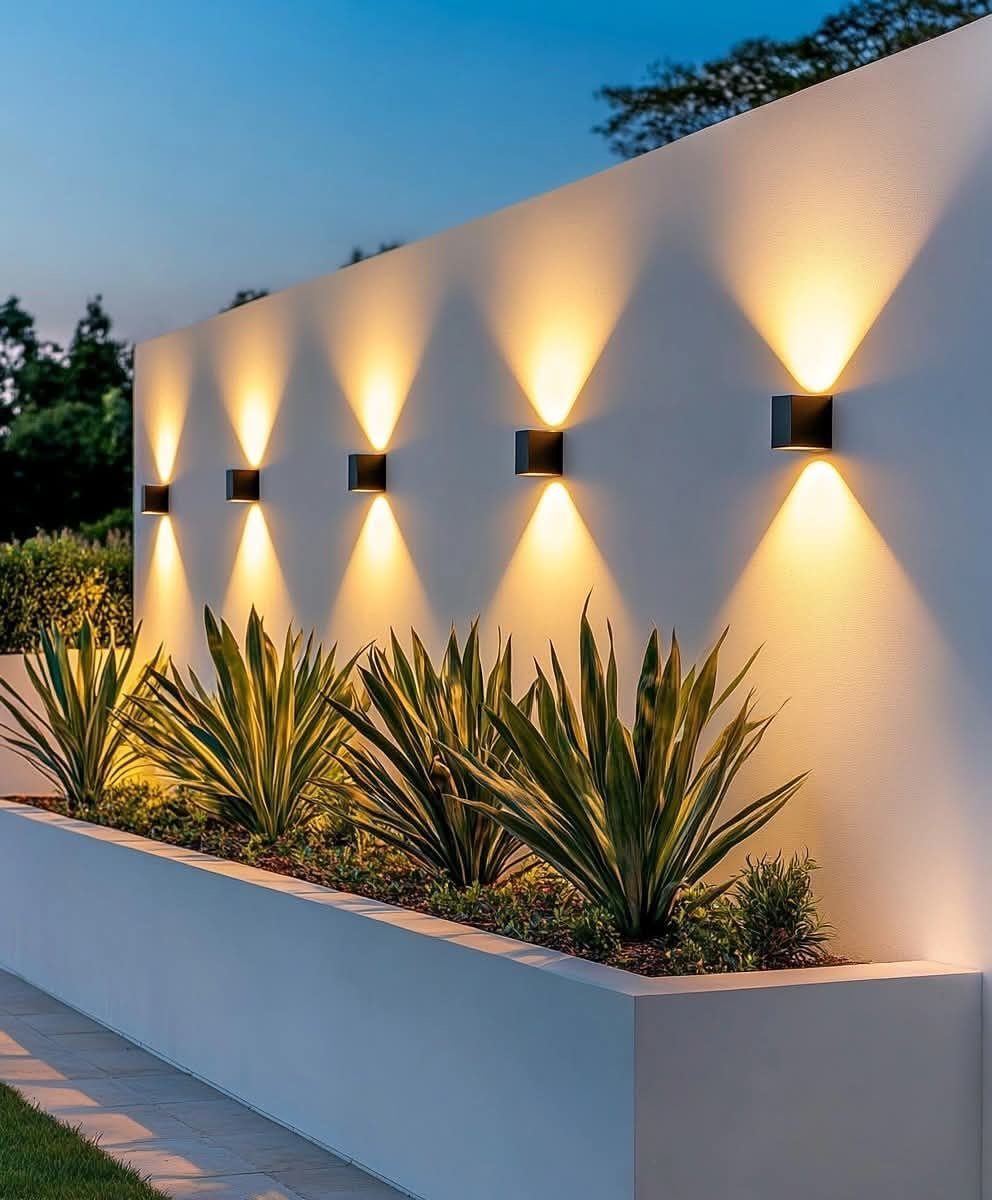
Built-in planter boxes turn a blank wall into a garden that never spills soil onto the walkway. White boxes against white siding let the plants themselves read as the whole display.
Hard materials matter more than the plants. Wood rots at the base; composite or coated metal lasts.
Drainage holes are non-negotiable, and a gap between the box back and the wall stops moisture from wicking into siding. I would add a liner rather than planting directly; replacing soil every few years wrecks the finish.
Accent lighting above, like black sconces, means you see the planting after dark without adding a separate system.


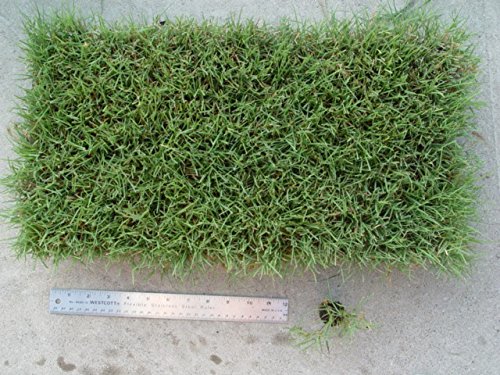
Low Water Usage, Low Maintenance, Environmentally Friendly
8. White Pebble Garden Beds
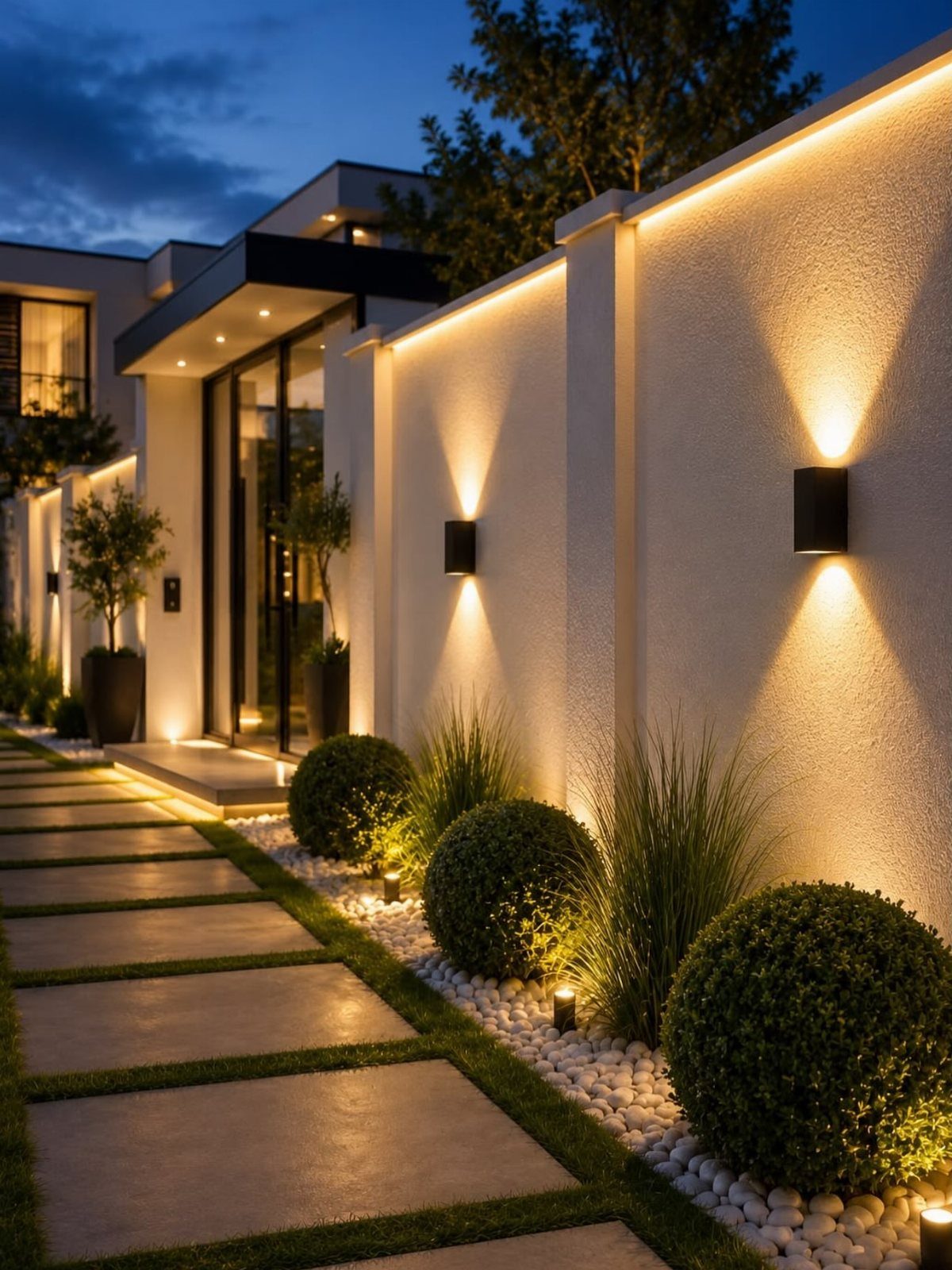
White pebbles reflect light after dark, which makes integrated lighting along a wall actually work. Round shrubs and grasses need soil beneath the pebbles, not pebbles alone.
A weed barrier underneath is standard, but water still needs to reach roots.
I have seen solid plastic sheeting used and watched plants yellow from drowned roots. Landscape fabric lets water through and still blocks most weeds for the first few years.
The pebbles will scatter.
Buried edging keeps them out of the lawn and the walkway. Dark gravel shows less drift; white shows every displaced stone, so this look takes more tidying than it suggests.
【Realistic Appearance & Eco-Safe Material】Our premium artificial grass features a rich green color with a soft, natural texture. Crafted from premium PE/PP blend with UV stabilizers, our turf resists fading and degradation under intense sunlight or heavy rain, offering a realistic lawn look year-round. Non-toxic composition ensures pet and child safety during playtime.

REPLACEMENT SET: Dog pee pads 14x18 inches compatible for 16x20 inches Puppy Potty Trainer tray. You will get 2 packs a set. It is convenient for you to wash one while the other is available for use

【Sized the Shape by Yourself】Pick For Life artificial turf grass outdoor comes with gardening gloves,which is easy to cut with scissor.You can cut the outdoor turf grass according to your needs to match the garden/backyard/balcony/patio/deck perfectly.
9. Large Rock Borders
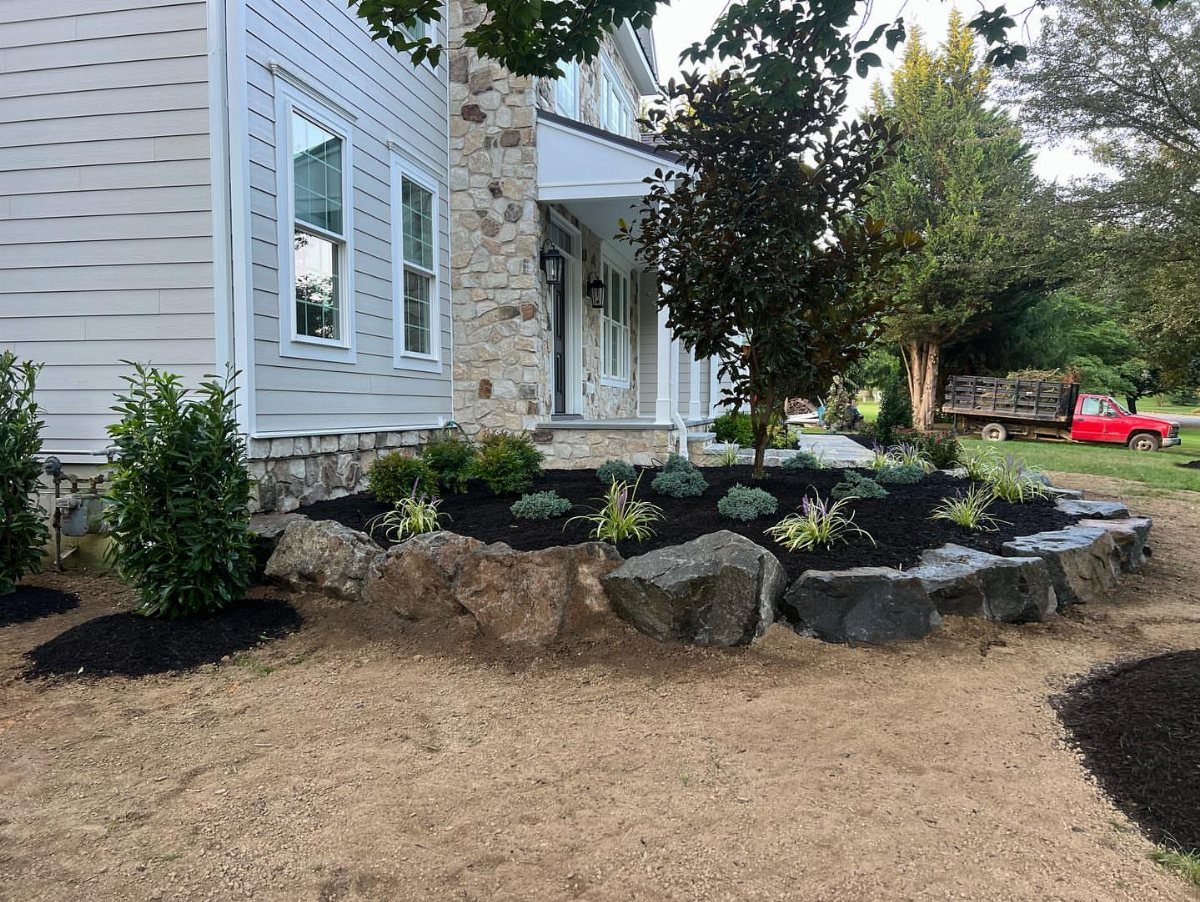
Large boulders as edging do the job of a lawn strip without the straight line. Each stone sits partly buried so it does not roll, with gaps between where mulch meets the grass naturally.
The scale is the decision. A boulder too small looks like a rock you failed to remove; too large needs equipment to place.
The ones here are knee-height, heavy enough to stay put but still movable with a loader. I would lay them out dry before committing, walking the line to see where feet naturally land.
Dark mulch inside keeps the eye on the stone edge and the young shrubs. As the shrubs fill in, the boulders still read as deliberate structure.

【Unique and Enchanting Design】Solar outdoor walkway lights are designed to provide an attractive pattern, also as a focal attractive in your planter for outdoor plants and lights up your garden at night. Enhance the beauty of your path, garden, patio, lawn, yard, walkway and planter with the distinctive water-ripple pattern of our solar pathway lights. Its enchanting touch will surely captivate anyone who sees it

Bright and Attractive design - When night falls, your yard illuminated by a brilliant starlight pattern, like a dreamy star falling to the ground, creating an extremely romantic atmosphere for your strolls. Outdoor solar lighrts not only illuminate yards and sidewalks keep people from tripping, they are an added decorative element to the yard landscape.

【STUNNING DESIGN】Our solar lights features a unique integrated lamp head design with a transparent lampshade. The 7000K cool white LED lights emit a bright and delicate glow that will enhance the beauty of your driveway, walkway, garden, deck, or patio
10. Drought-Tolerant Rock and Succulent Gardens
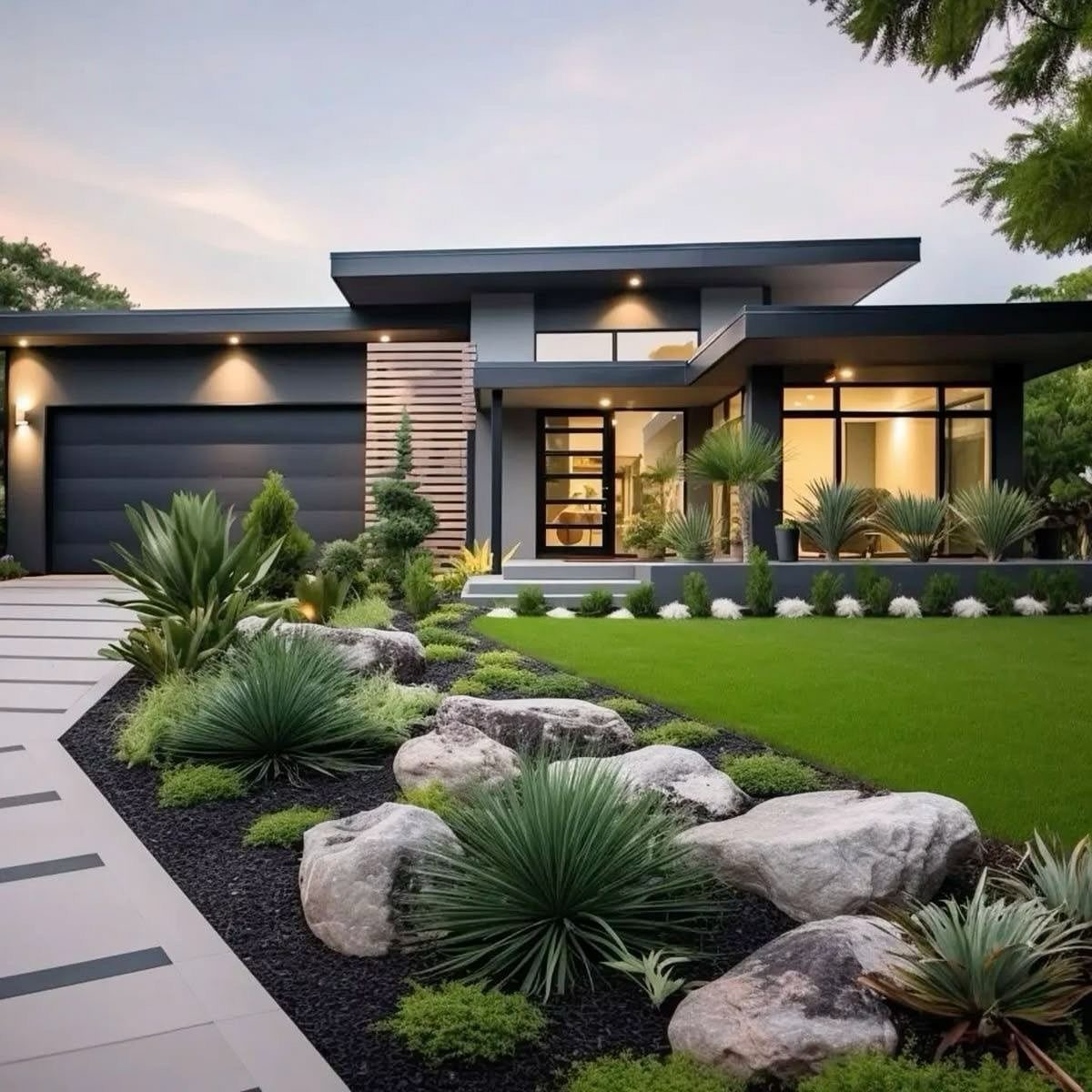
Rocks and succulents together need almost no water once established, which suits a front yard that faces south or bakes against pavement.
Boulders give height while plants stay low, so the whole bed reads as finished ground rather than a collection of specimens.
Soil drainage is the make-or-break detail. Clay soil holds water and rots agave and lavender both.
Black mulch here contrasts with the pale rocks; decomposed granite or more stone would read as drier and need even less upkeep.
The lawn beside it still needs water, so this is not a zero-irrigation yard, but the bed itself can go weeks without.

Locks Gravel & Decorative Stone in Place with Reliable Adhesion: CtopoGo Rock Glue forms a dependable bond that holds pea gravel, river rock, mulch, wood chips, pine straw, crushed stone, lava rock, sand, and small pebbles firmly in place. Effectively resists displacement caused by wind, rain, foot traffic, lawn mowers, leaf blowers, pets, and wildlife-keeping your landscaping neat and reducing the need for frequent raking and sweeping

✅ TIRED OF WIND‑TRIGGERED GARDEN EROSION? This rock glue for landscaping & rock and mulch glue secures gravel and mulch against wind and heavy rain, stopping soil loss and root damage. FURRELOR rock glue max holds landscape materials firmly to keep your garden tidy & plants thriving.
FRUSTRATED WITH MAINTAINING MESSY LANDSCAPES? Mulch Anchor reduces erosion and acts as a mulch glue or gravel binder to reduce washout. Perfect for use in landscaping areas, where you want to make it easier to blow leaves and debris off and leave your mulch in place!
Benefits of Low-Maintenance Landscaping
Low-maintenance landscaping buys back the hours most people spend on upkeep without giving up the look of a finished yard.
The time saved is straightforward: no weekly mowing, no spring sealing, no summer pruning to keep a shrub below a window it wants to grow past.
Water use drops when plants suited to actual rainfall replace grass that needs constant sprinkler runs through the hottest months.
Money follows the same pattern.
Fertilizer, pesticide, and the gas to run the mower all shrink or disappear. Stone walkways, gravel paths, and rock gardens need no annual product budget; they cost more at the start and almost nothing after.
The environmental piece is quieter but real.
Local insects and birds recognize native plants as food and shelter in a way they do not recognize imports. A yard with black-eyed Susans or manzanita feeds something beyond the homeowner.
Water Conservation Techniques
Drip irrigation delivers water to roots without the waste of spraying leaves and pavement. A timer set for early morning or late evening cuts evaporation and keeps plants healthier than midday watering ever did.
The systems run on small tubing laid through beds, not on the trenching and wiring that conventional landscape lighting demands. Once installed, the only task is checking emitters for clogs once a season.
Drought-tolerant plants make the system work less hard.
Succulents, native shrubs, and rock garden species need infrequent, deep soaking rather than the steady schedule a lawn expects. Combined, the plants and the delivery method drop water bills and remove the daily decision of whether to water.
Overwatering hurts more than it helps. Wet soil encourages weeds and root rot; the right system in the right bed prevents both by giving each plant only what it actually needs.
Cost-Effective Landscaping
Native plants lower costs because they do not ask for fertilizer or pesticide.
Soil your yard already has, rainfall it already gets: that is their operating budget. A plant from a nursery that stocks local species has already survived the pests and dry spells it will meet in your bed.
Hardscaping does the same for materials.
Stone walkways, gravel paths, and boulder borders need no yearly replacement, no sealing, no treatment against rot. The money goes in once; after that, the cost is occasional resetting of a shifted paver or raking gravel back into place.
The tradeoff is always front-loaded.
Stone costs more than poured concrete at installation; artificial turf runs higher than sod. The return is in years two through ten, when the low-maintenance choice needs nothing and the conventional one keeps billing for time and products.
Designing for Sustainability
Sustainability in a front yard starts with choosing materials and plants that belong where you live. Native species support the insects that feed local birds; a yard of imports looks green but offers little to the food chain already there.
Efficient materials extend the same idea. Stone and rock need no manufacturing replacement cycle; they stay in place for decades.
The carbon footprint shrinks on its own once the work is done. No mower, no blower, no weekend spent feeding gas into hungry machines: the yard quiets down and so does its energy use.
Wildlife benefits are specific, not abstract.
A native plant list from a county extension office names the species that host caterpillars or feed pollinators. Choosing from that list turns a decorative bed into something the local ecosystem actually uses.
Frequently Asked Questions
What is the best landscaping in front of a house?
Stone walkways, native plants, and hardscaping like gravel or boulders handle foot traffic and weather without constant upkeep. Native species run on rainfall your yard already gets, and stone surfaces need no sealing or replacement like wood does.
The best mix depends on your climate, but I favor materials that cost more up front and then need nothing for years.
What is the cheapest way to landscape my front yard?
Gravel pathways cost less than poured concrete and handle ground shift without cracking.
Mulched garden beds with young shrubs buy time while plants fill in, and native species need no fertilizer or pesticide once established. The savings are front-loaded: these choices cost less now and keep costing less later.
How can I prevent weeds from growing in my low-maintenance landscape?
A thick layer of mulch blocks light weeds need, and landscape fabric underneath lets water through while stopping most weeds for the first few years. Ground covers that fill open soil also help, since weeds colonize bare spots first.
Are there low-maintenance options for gardens with heavy foot traffic?
Stone walkways and gravel pathways turn foot traffic into hard surfaces that need no mowing or watering. Durable ground covers like clover handle lighter paths with softer tread.
How do I keep pests under control in a low-maintenance garden?
Native plants already know the pests where you live and often need no chemical help.