A potager garden can run from natural raised bed borders and a hand’s width of basil around tomato stems to an enclosed wire mesh garden structure with a greenhouse at its head.
What decides which idea belongs to you is whether you rent and still move beds around, or own the ground and can plant boxwood for January structure, or need pathways wide enough for a walker or a wheelbarrow to pass.
Sixteen-foot cattle panels that bend into walk-through arches cost less than a season’s groceries and last past a decade, which is why they appear twice in this list: once for vertical tomatoes, once for the clearance that lets a wheelbarrow or a walker pass underneath.
[link-whisper-related-posts]1. Natural Raised Bed Borders
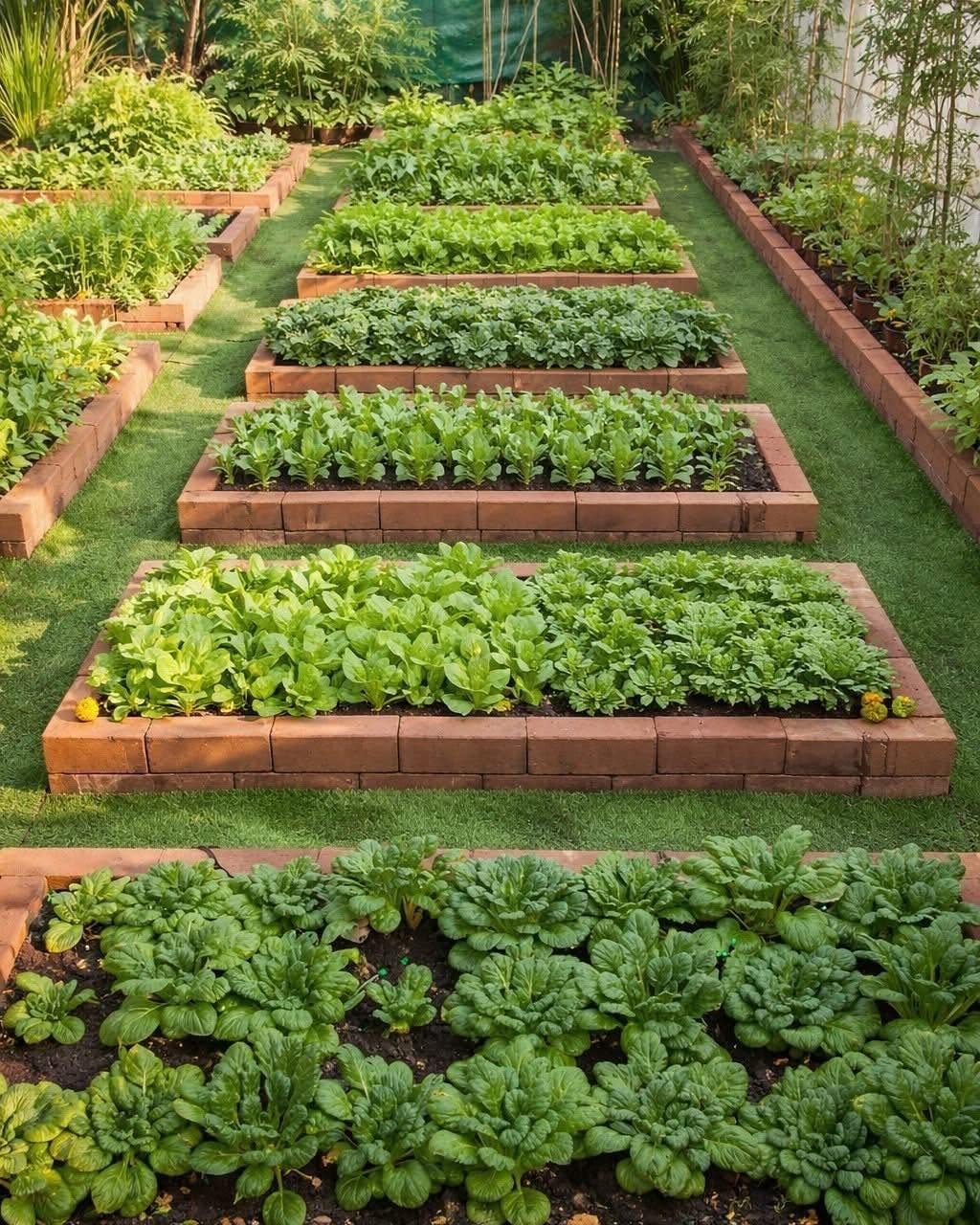
Bricks do the job, but stone, willow branches, or dwarf boxwoods soften the edge between bed and path in a way that reads more garden than construction site.
Stone lasts decades and needs nothing once set; willow weaves into low hurdles for a year or two before you replace them.
Boxwoods cost more up front and want clipping twice a season, yet they give you green structure in January when the beds are bare dirt.
I would start with stone if my budget ran to it and the beds were already in their final shape. Willow suits renters or anyone still figuring out the layout; move it, compost it, no loss.

EASYFLEX DECORATIVE NO-DIG LANDSCAPE EDGING: Get a beautifully landscaped yard without all the work of a dig-in lawn edging; simple installation without trenches or shovels; color may vary due to the unique manufacturing process.

20-Pack Garden Edging Set: Includes 20 gray plastic edging panels. Each panel measures approx. 9.65 x 3.94 x 9.06 in and weighs about 0.13 lb. When connected, the full set covers up to 16 ft.
2. Focal Points in Garden Design
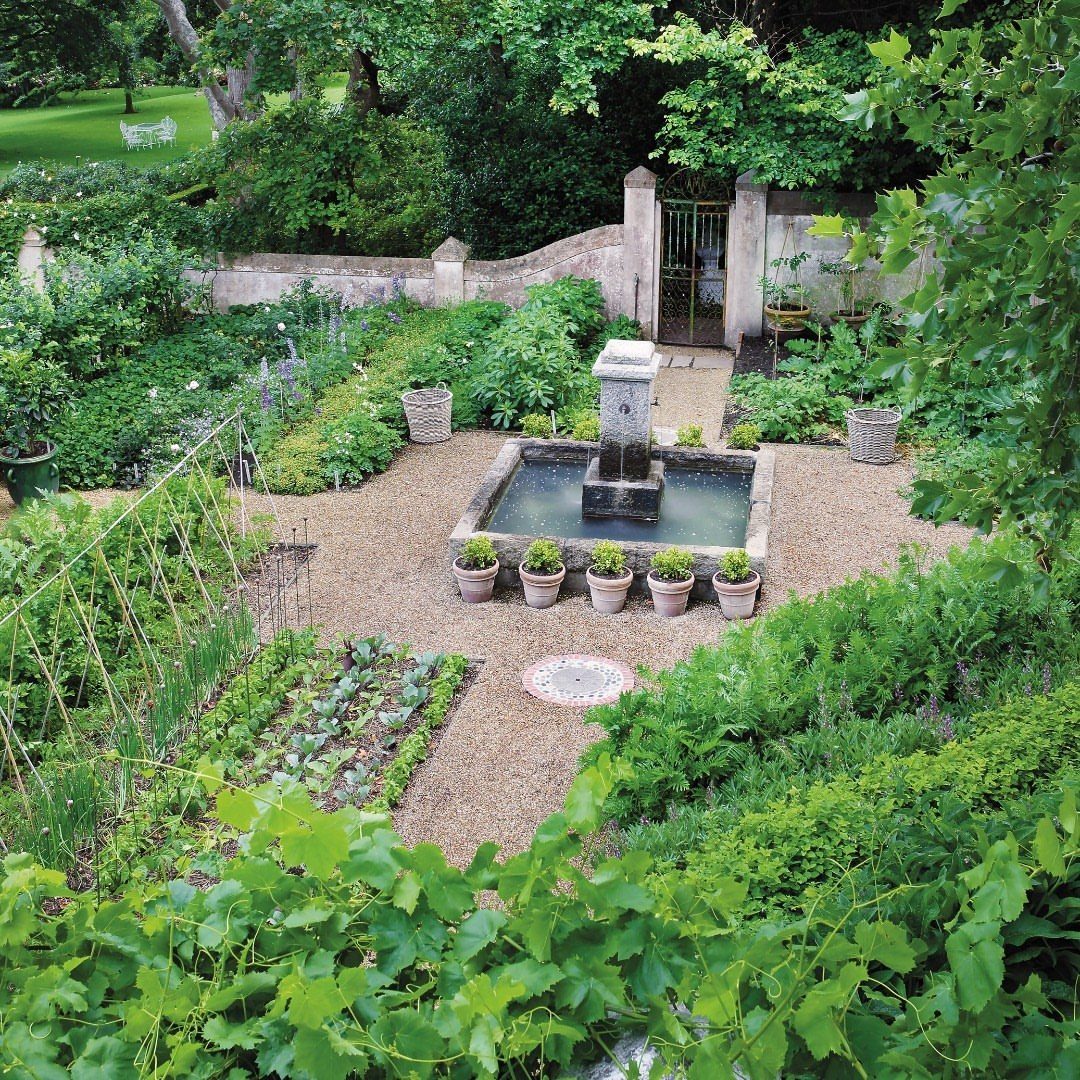
A fountain, a sundial, a single globe artichoke grown to full size: the center of a potager wants one thing that stops the eye and gives the layout its reason.
Stone and water make one kind of focal point, but an obelisk twined with scarlet runner beans or a birdbath you already own answers the same need.
Pick one piece and build the beds around it, not tacking something on after the fact.
Scale matters more than cost.
A sundial reads fine in a small potager; a pergola wants more room to breathe than that. Decide the feature first, measure its footprint, then divide the remaining space into beds that lead toward it.

handmade: this bamboo water fountain Handmade from high-quality bamboo, it is durable and not easily cracked.

Nautical Lighthouse & Cascading Waterfall Combination:Features a vintage red-and-white lighthouse design with layered rock cascading waterfall, bringing coastal charm and flowing water serenity to your yard, garden, etc.

Natural Look with Moss: Designed to mimic the look of natural stone, moss finish on each rock layer is one of the features that sets the fountain apart from other rock fountains, adding natural beauty to your space along with soothing sound of flowing water
3. Basil with Tomatoes
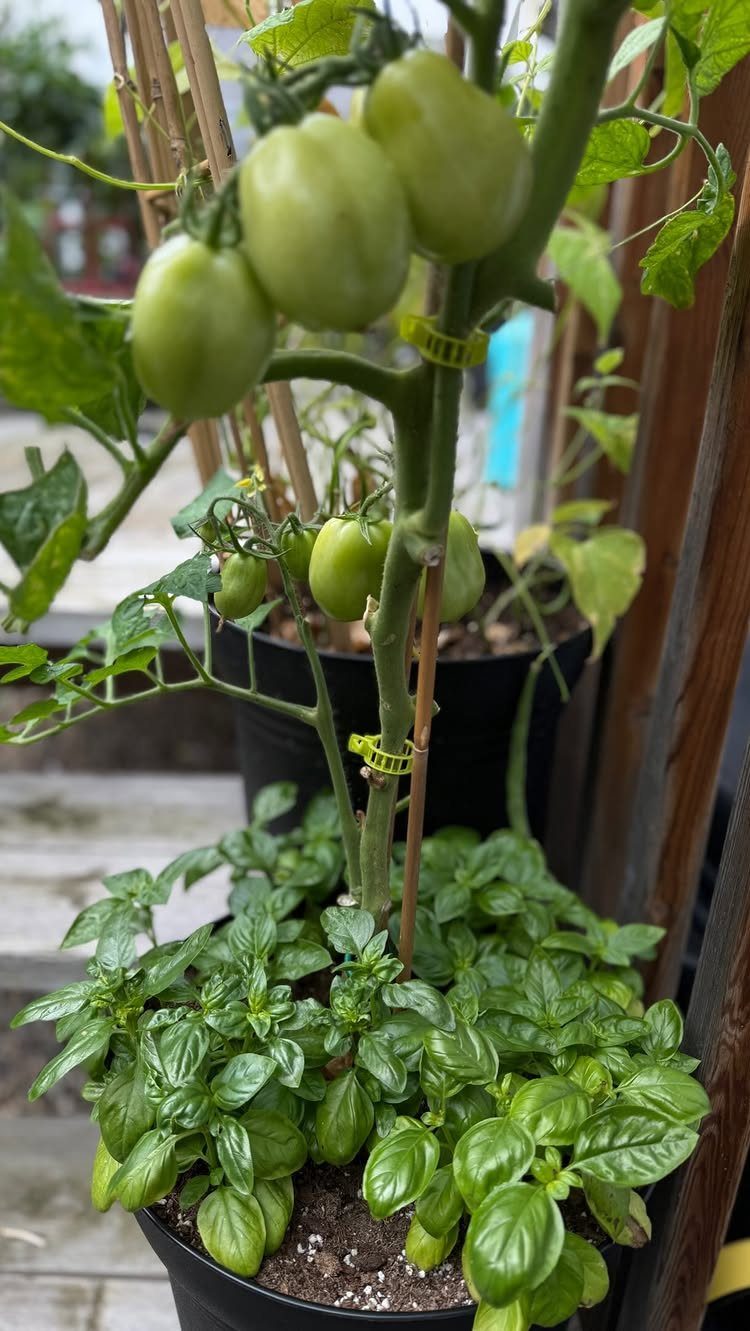
Basil planted tight around tomato stems is the pairing I return to most.
The basil draws whiteflies away from the fruit and, some growers swear, deepens the tomato’s flavor through root chemistry I cannot see but have noticed in the harvest.
Basil with tomatoes works in pots if your sun is on a deck or your soil is sour.
In ground, I set basil a hand’s width from the stem, not right against it; the roots need their own territory and the basil wants air to stay mildew-free.
Other companions earn their keep too.
Nasturtiums trap aphids, marigolds repel nematodes. But tomatoes with basil is the one I plant without deciding each spring; it has become habit because it works.

Arranging your garden with this in mind can double your bounty!

5 COMPANION PLANTS - This five-pack includes heirloom seeds for growing Large Leaf Basil (Ocimum basilicum), Borage (Borago officinalis), Compact Dill (Anethum graveolens), Crackerjack Marigold (Tagetes erecta), and Tip Top Mix Nasturtium (Tropaeolum majus)

4. Pathways for Navigation
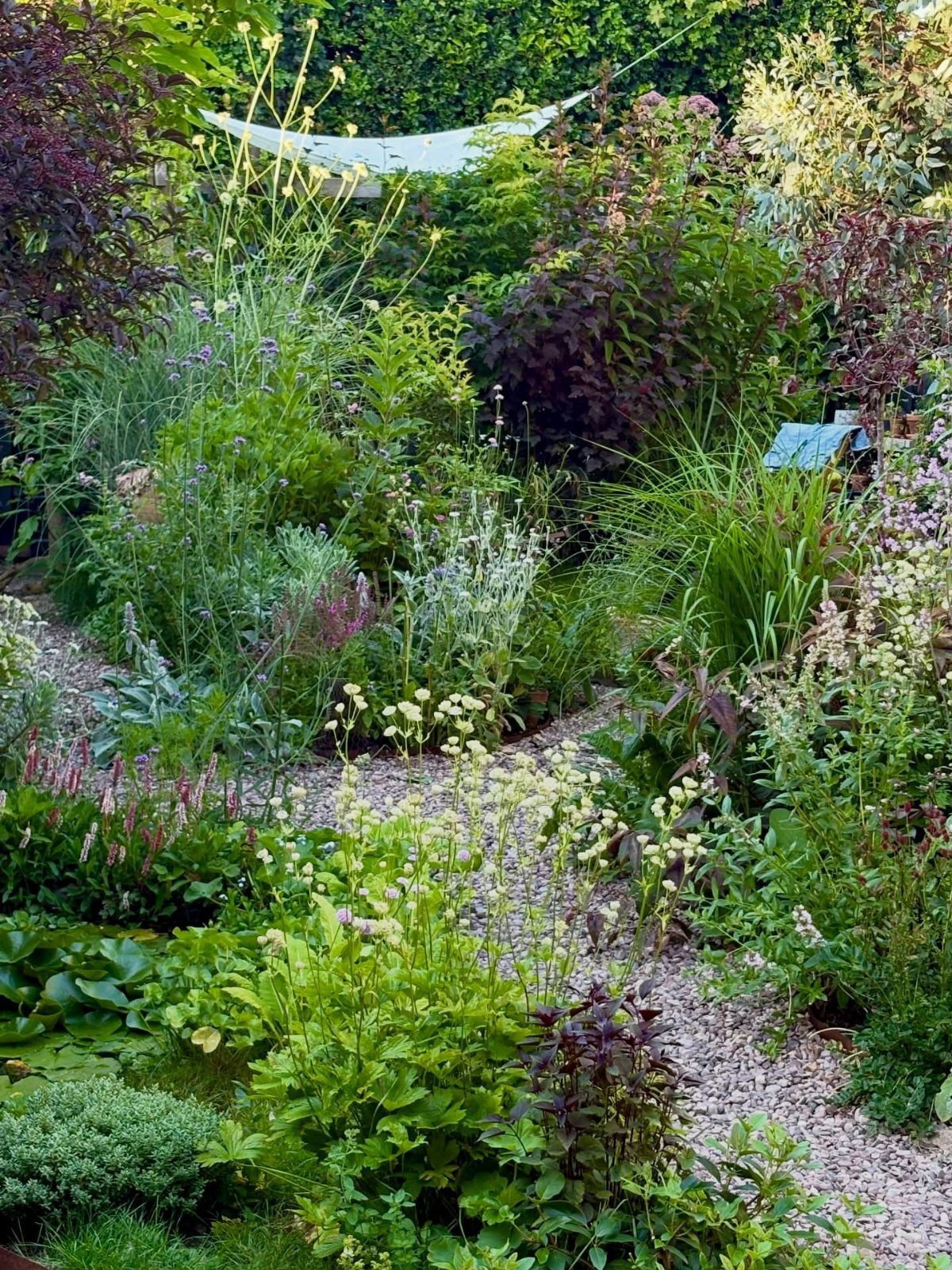
Gravel paths are what I would choose for a potager that gets daily use through 3 seasons. It drains fast, costs less than stone paving, and crunches underfoot in a way that keeps you honest about where you step.
Grass paths mean mowing between beds and mud after rain. Stone is best if the budget stretches; otherwise, lay weed membrane first, then a few inches of chippings over it.
Wheelbarrows need enough width to pass without pinching plants; go wider still if you haul compost or harvest by the bushel.

ELEGANT GARDEN ARCH TRELLIS – Transform your backyard into a beautiful garden retreat with this classic black metal garden arch. Create an inviting entrance along pathways, over garden beds, or among your favorite flowers and climbing plants.

【Premium Material】: Garden trellis features galvanized steel pipes coated with PE material, offering protection against corrosion and adverse weather, while also preventing plants from high-temperature burns

High-quality Iron Material: The simple arch is made of high-quality iron, which is enduring and not easily deformed, ensuring the long service life of the product.
5. Vertical Gardening
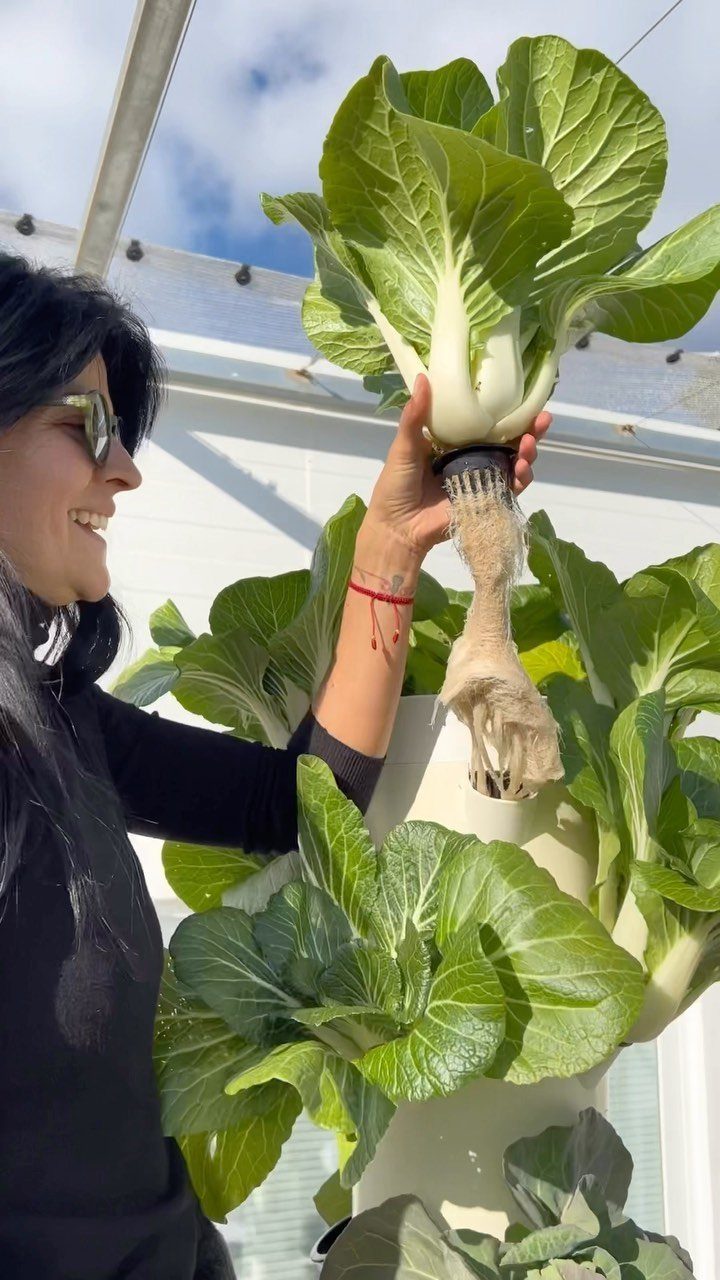
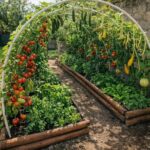
Cattle panels from the farm store bend into arches or stand flat as walls, and either shape turns a small potager into something that produces more than its footprint suggests.
A hydroponic tower is one vertical route; my own preference runs to the panel arches because they are cheap to build and last past a decade.
For cherry tomatoes, I secure panels to rebar driven deep with a sledge, then weave the vines through as they grow.
Obelisks suit beans or peas in a tighter spot. The 16-foot panels make arches wide enough to walk through; zip-ties hold them until the season’s growth weighs them down naturally.

【HIGHLY REALISITIC & LUSH】- Imitating the color, shape, texture and density of real foliage, these 25’’ artificial boxwood topiaries look realistic and dense with no gaps for a lush and vivid appearance. Seamlessly blend with your home decor like real plants.

ARTIFICIAL BOXWOOD TOPIARIES SET OF 2: Elevate your home's entrance with this set of two 24-inch faux boxwood shrubs. Featuring detachable ground stakes, these artificial topiary plants add instant curb appeal and fresh greenery to your front porch, patio, or entryway without the hassle of live plants.
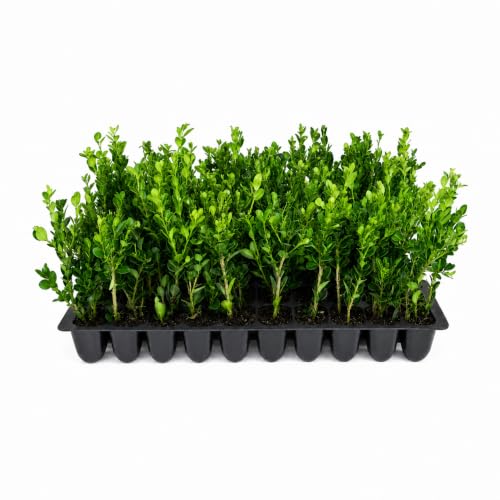
Korean Boxwood Type – Known for its dense foliage and compact growth, ideal for creating refined borders or clipped hedges with year-round appeal.
6. Mix of Ornamental and Edible Plants
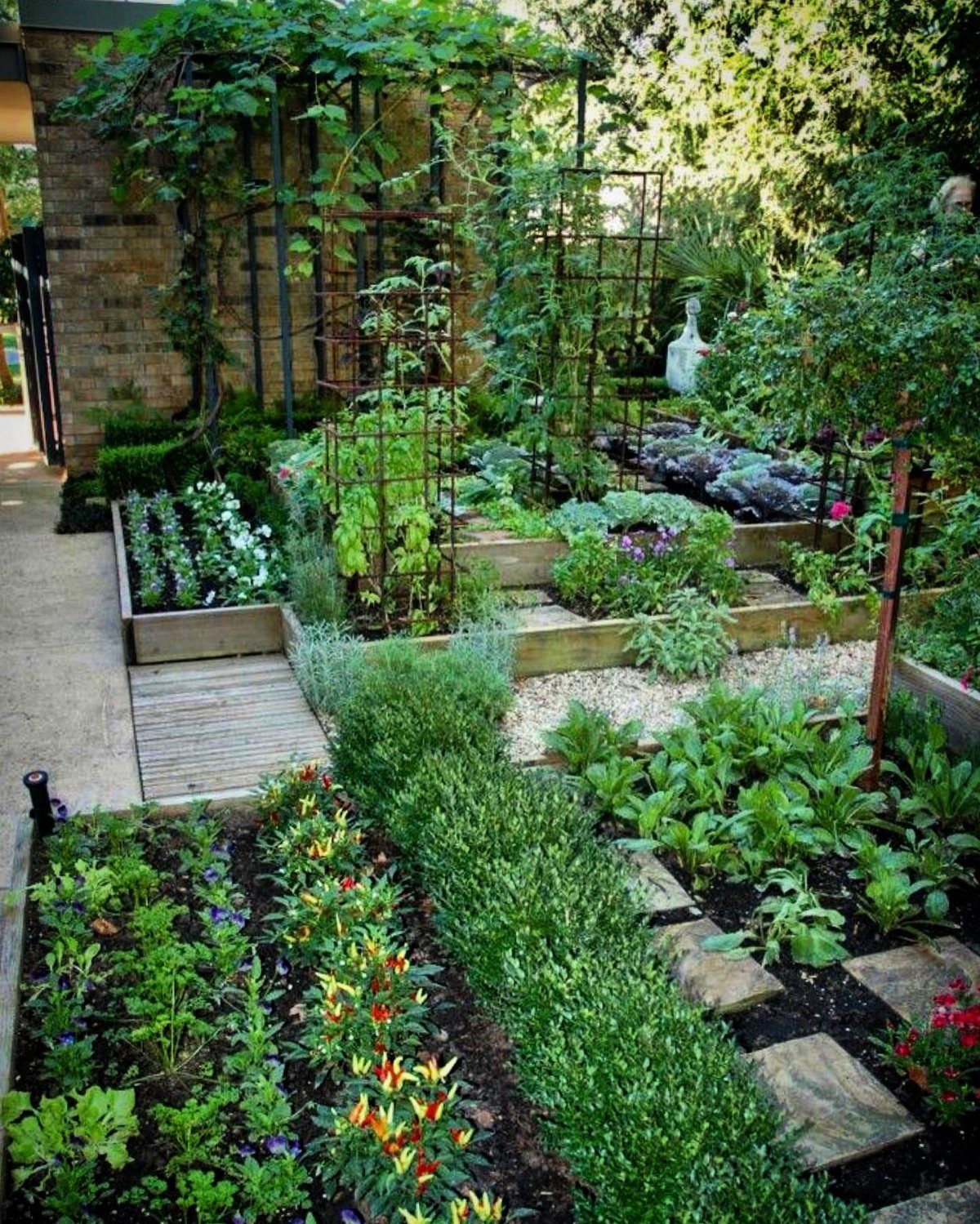
Lettuce next to calendula, fennel allowed to bolt to 5 feet and flower: a potager breaks the rule that food plants must be segregated from pretty ones.
Boxwood edging, raised wood beds, flowers and vegetables mixed without visible plan, yet the mix is the plan.
Texture matters as much as color.
I place broad, billowing leaves against narrow grassy ones, variegated foliage against solid green, so the bed reads even before anything blooms. Fennel gone to seed brings pollinators and height; onions flowering do the same on a smaller scale.
Evergreen shrubs or low hedges give the garden bones for winter. The rest can shift year to year, which is half the pleasure of it.

Durable & Flexible Material GTSABWAY garden edging is Made from high-quality metal, ensuring superior durability and flexibility. Easily shape it into straight lines,curves, circles, or unique contours ,without cracking,Can withstand all kinds of weather conditions, ensuring long-term durability and reliability. providing reliable Garden Border solutions.

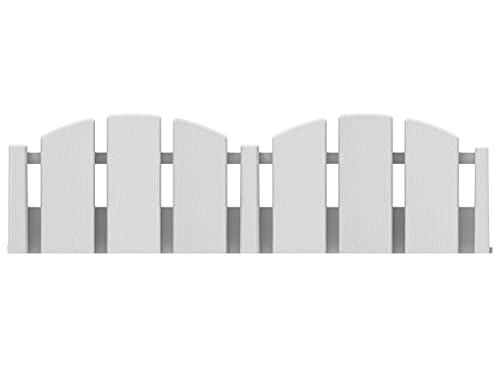
EASYFLEX DECORATIVE NO-DIG LANDSCAPE EDGING: Get a beautifully landscaped yard without all the work of a dig-in lawn edging; simple installation without trenches or shovels
7. Fragrant and Textured Herbs and Flowers
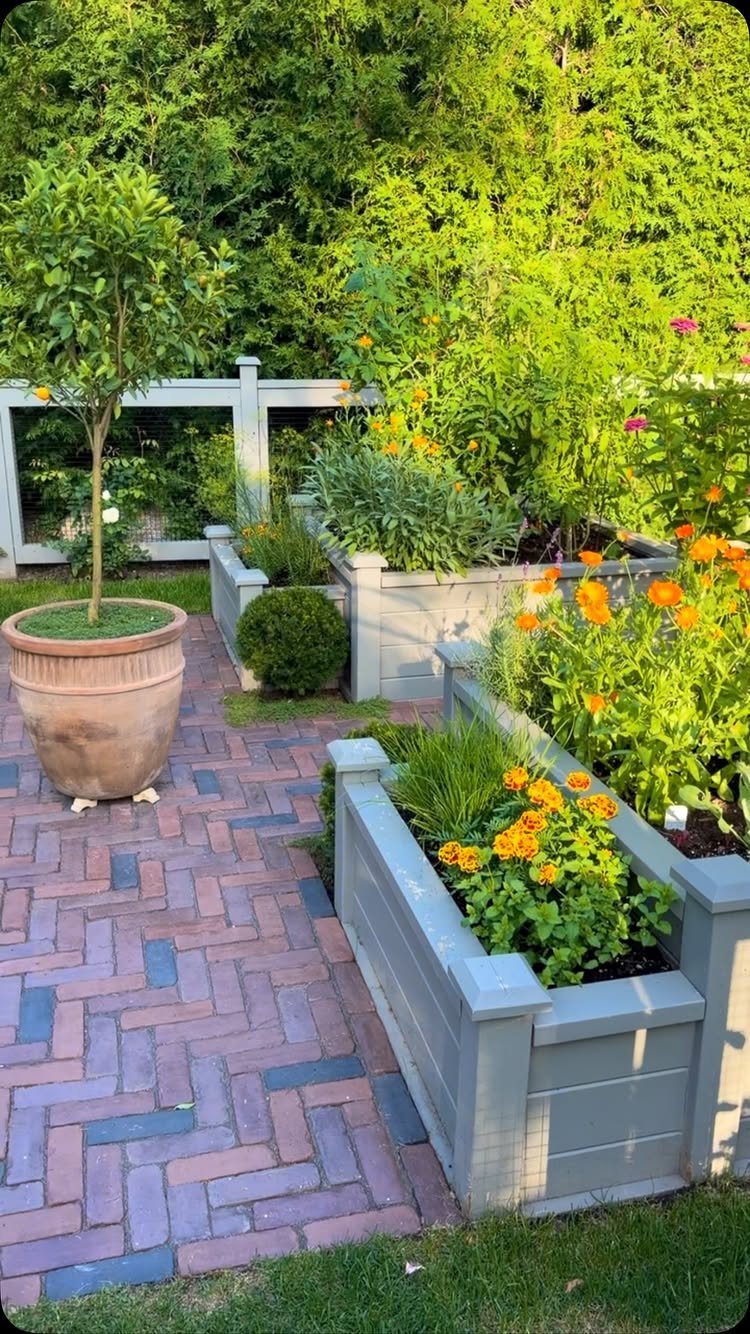
Marigolds and calendula, salvia and cosmos: these are the plants I would repeat through a potager in pockets rather than blocks. One color note here, repeated down the row, and the eye carries the rhythm while pests lose the trail.
Fragrant herbs cut in September dry inside for winter cooking; the ones that turn to dust in a jar freeze in baggies instead.
I set the tallest, fennel gone to flower or a bolting onion, where they will not shade the bed behind them.
8. Enclosed Wire Mesh Garden Structure
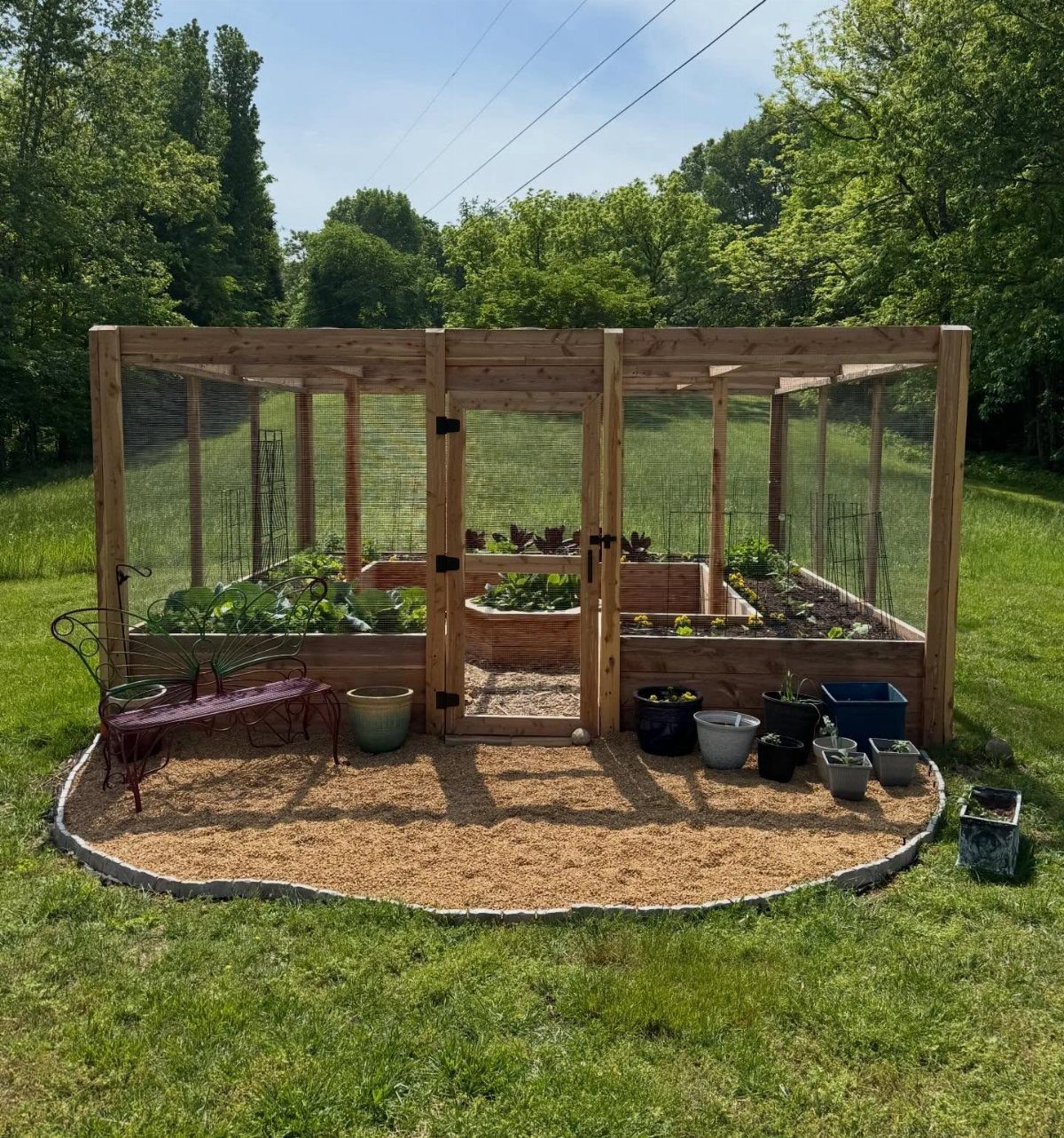
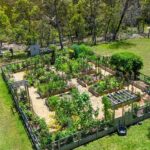
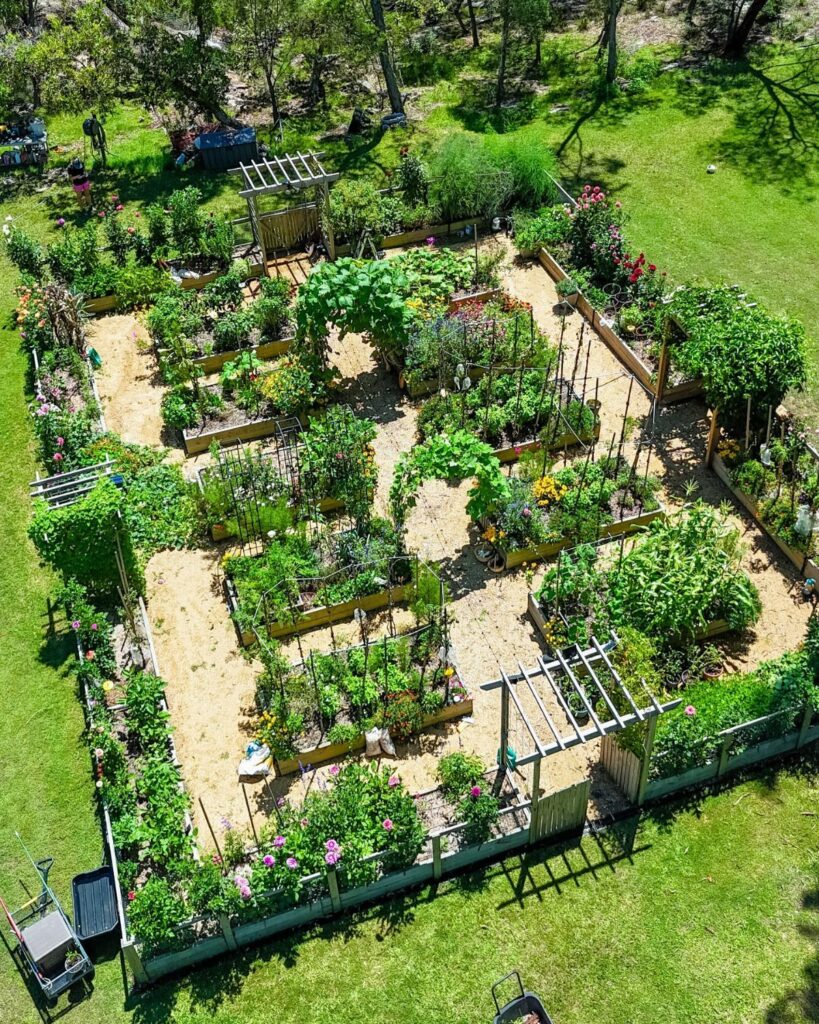
A walk-in wooden frame sheathed in wire mesh turns a patch of raised beds into a cage the rabbits and deer cannot enter. The mesh roof keeps birds from the berries too.
Check your door width before you build; a wheelbarrow needs room to pass without tilting.
This is not a weekend project.
The posts want concrete, the mesh wants tension, and the whole structure needs to stand square or the door binds. Renters should look to removable hoops instead; this frame stays with the land.


PREMIUM HEIRLOOM SEEDS - Sourced from the USA, these non-GMO, heirloom seeds ensure robust growth, making them ideal for basil seeds for planting indoors or outdoors. Cultivate a flavorful basil plant with these premium herb seeds.

High Germination Rate: Our Genovese Basil seeds, sourced in the USA, offer a reliable option for growing fresh basil. These heirloom, non-GMO seeds typically germinate within 5 days under proper conditions, making them ideal for year-round planting.
9. Structured Layout with a Greenhouse
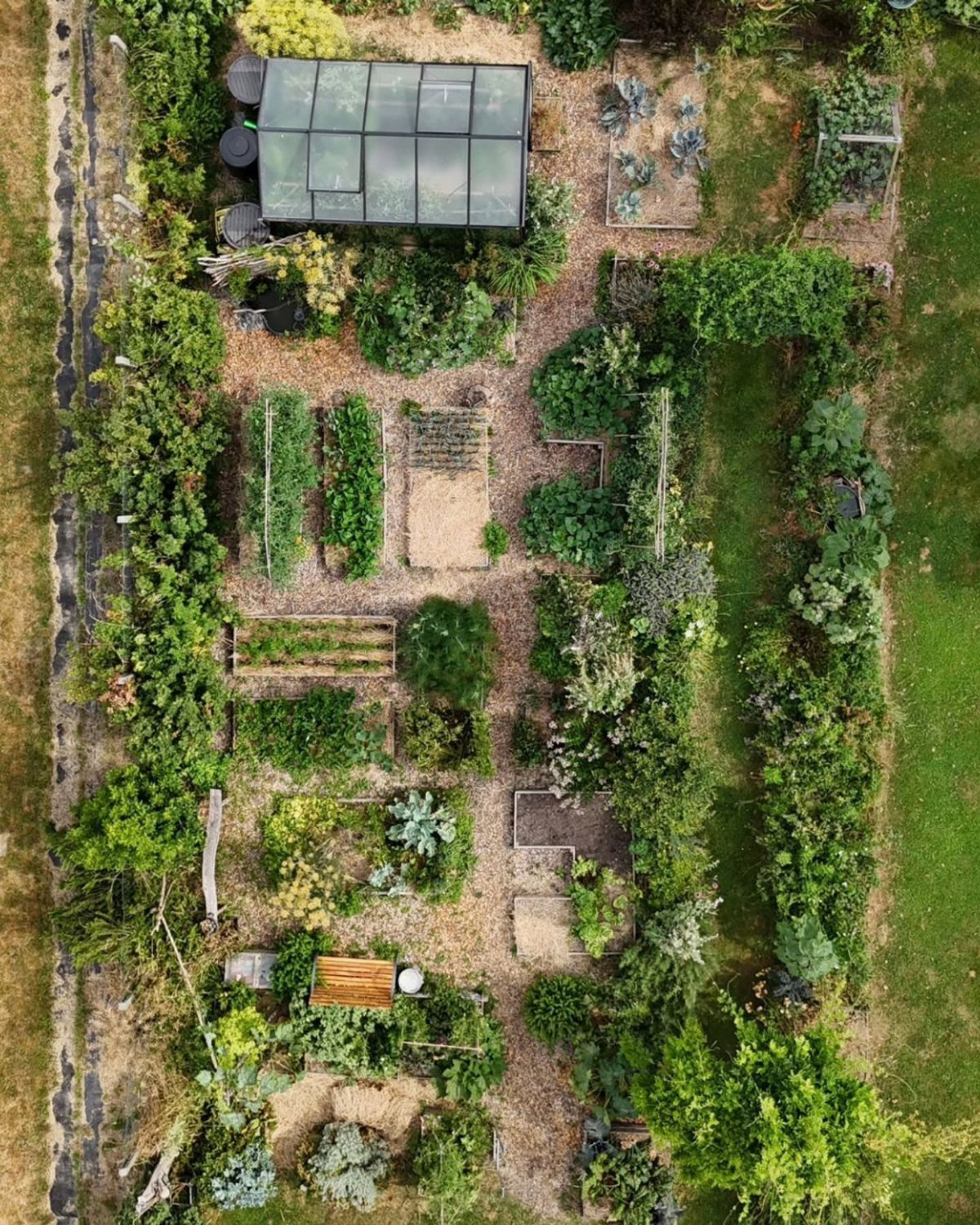
A greenhouse at the head of a potager is a luxury I would defer if the budget is tight.
Row covers, cold frames, hoop houses over the beds: each extends the season for a fraction of the cost and none of them need a foundation.
Where the greenhouse does sit, it gives reason to the geometry. Formal beds, diagonal or zigzag plantings of lettuce in red and green alternation, paths that lead the eye to the glass wall: the structure orders the whole.
Symmetry suits this style. Celtic knot patterns work if kept simple; a small space loses its way in too many turns.

Spacious Design: This garden trellis is different from traditional A-frame planters, we adopted a house-style design to maximize the use of vertical space, this garden arch is spacious enough to walk underneath and pick berries or vegetables, it makes efficient use of space, allowing you to grow a row of plants on both sides while ensuring your plants get plenty of sunlight.

UNSHAKEABLE STABILITY WITH SCREW FIXATION: Our Garden Arch Trellis uses reinforced screw connections paired with 20mm thickened steel pipes. This rigid engineering creates a rock-solid structure capable of supporting heavy loads (up to 50lbs+) like heavy tomatoes, pumpkins, squash, and cantaloupes without collapsing.

Space-Efficient Vertical Design: Utilize the U-shape garden arch trellis to optimize growing space for climbing plants outdoors. Designed for raised beds and smaller gardens, it guides vines upward, promoting better airflow and sunlight exposure for healthier plant growth.
10. Circular Garden with Central Pond
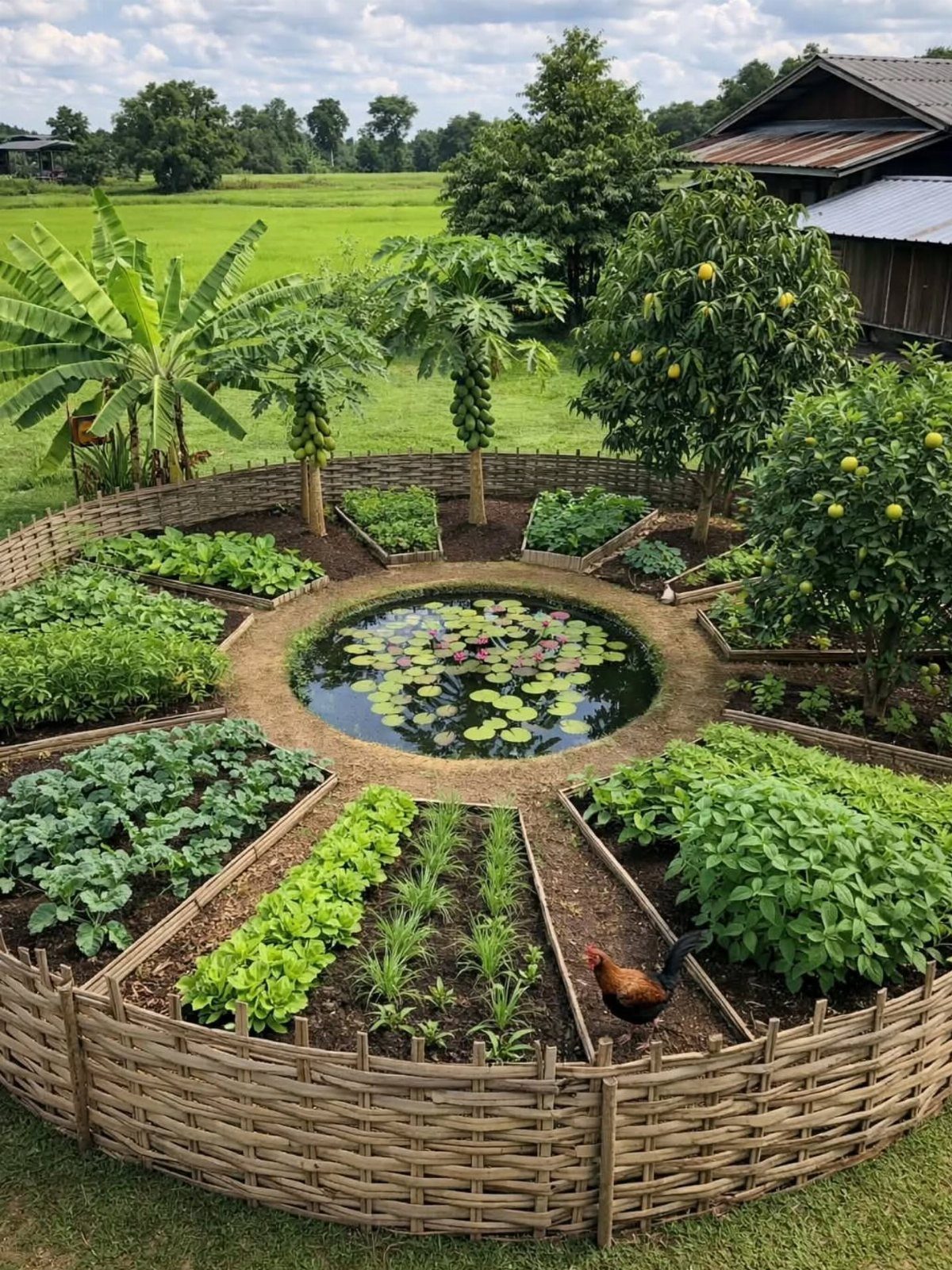
Woven wicker edging, low enough to step over, divides a circle into wedge beds that all point inward to a pond. The water brings frogs, dragonflies, a place to rinse soil from lettuce roots.
A circle wants a center; without the pond, a sundial or a single bolting fennel would answer the same need. The wicker will need replacing in a few seasons, though it composts clean.
Measure the pond’s footprint before you dig. It must leave enough radius for beds a person can reach across from either side; give yourself working room from edge to water.


CLASSIC EVERGREEN SHRUB - Wintergreen Boxwood offers dense, glossy green foliage that provides year-round beauty and structure in any landscape

【STABLE GROUND SPIKE DESIGN】Tired of artificial trees blowing over in the wind? LeafVerse 26-inch topiary balls come with reinforced ground spikes that secure the trees firmly into soil or planters. No additional tools or hardware are needed—simply insert the spike for an upright, wind-resistant display that stays in place all year round.
Planning for Future Expansion
Match your bed size to your compost output now, not to the garden you imagine having later. Compost capacity grows with skill; beds that outpace it starve by July.
Leave open ground nearby for the stage you have not reached yet. A potager that looks sparse in year one can fill in once your pile produces enough to feed more square feet.
Wind and sun matter, but so does where you will stand to look at the plot. The view from the kitchen window is the one you will see most; plan the geometry to read from there.
Machine cultivation needs wider paths and straighter beds than hand work. Decide that before you settle on a pattern, spiral or wagon wheel or checkerboard.
Maintaining Biodiversity
Single-flower annuals mix easily with crops because they finish in one season and do not fight for permanent space. Poached egg flower, cornflower, sunflower, cosmos, and nasturtium draw the pollinators a potager needs.
Garlic, onions, or chives beside carrots repel carrot root fly; marigolds with tomatoes do the same for whitefly.
These pairings are old technique, not new discovery, and they work best when the flowers are scattered through the beds rather than parked at the edge where pests barely notice them.
A useful garden draws the insects you want before the ones you don’t, and keeps them around. A block of one vegetable, however pretty in row, reads as a buffet to the wrong visitors.
Accessibility Considerations
A path that fits a wheelbarrow fits a walker or a cane; width serves more than one purpose.
The 16-foot cattle panel arches in the list leave room to pass underneath, but the approach to them must be level and firm or the clearance means nothing.
Raised beds high enough for seated gardeners to reach the center without strain are worth the lumber cost. Higher than that, and the wall becomes a ledge you lean over; lower, and you bend more than the back prefers.
Door width on the enclosed mesh structure matters here too.
Pathways need to fit whatever you push through them, whether that is a wheelbarrow or a mobility scooter. Check the actual device, not the code minimum, before you set the posts in concrete.