These 7 ideas run from a single bag of mulch to a full gravel replacement, and the right one depends on whether your problem is weekend time, upfront cash, or years of upkeep after that.
A sago palm alone can anchor a bed that would otherwise need several plants, and self-binding gravel keeps a path firm enough for bins without full paving.
[link-whisper-related-posts]1. Use Mulch for Weed Control
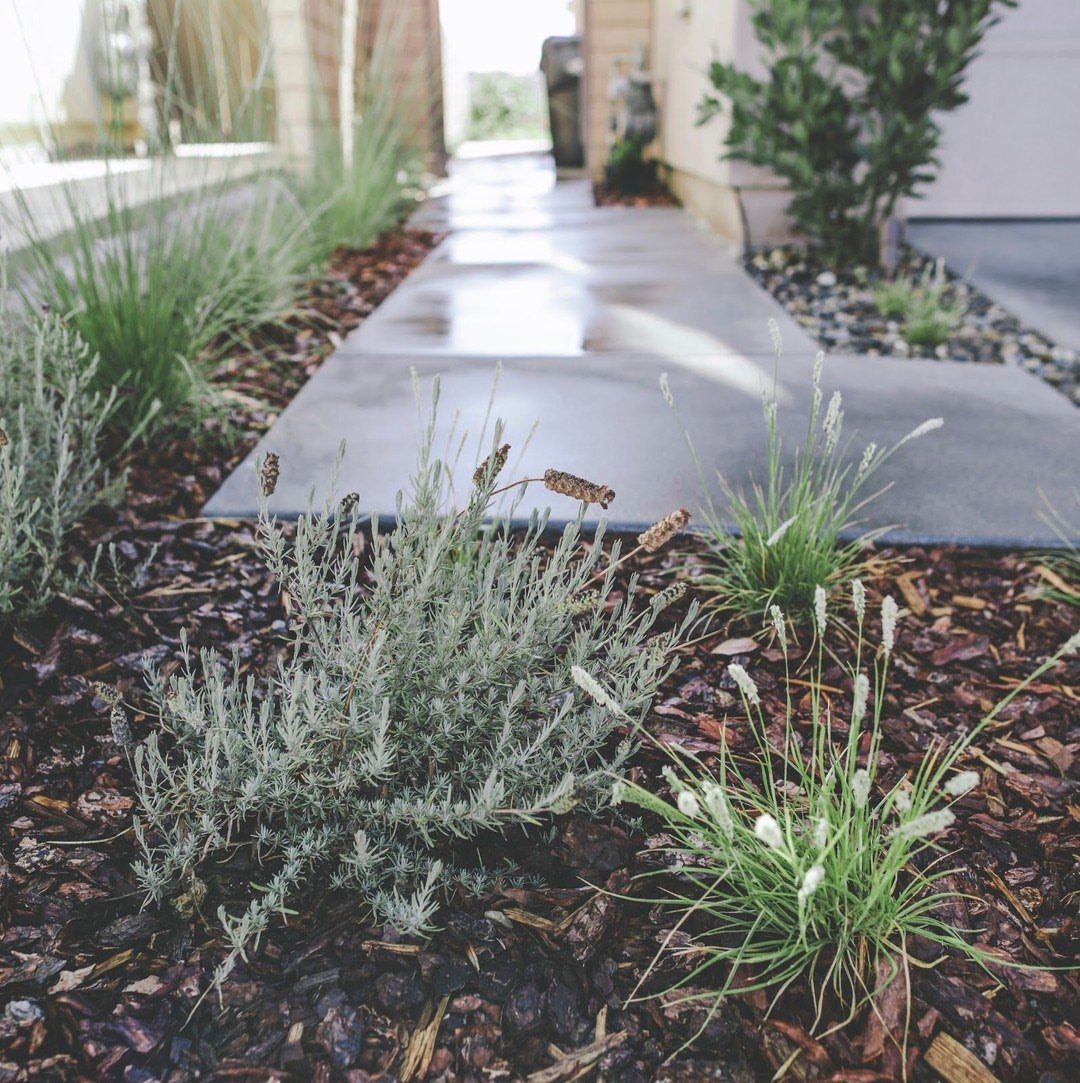
Dark wood mulch around those lavender and grasses does 3 jobs at once: it blocks light from weed seeds, slows water loss, and makes the bed look finished even when plants are small.
I aim for a depth that covers the soil without burying stems; against tree trunks, I pull it back so bark stays dry. Organic mulch breaks down and needs topping up, but that same decay feeds the soil.
Gravel or stone lasts longer, though leaves and debris still collect between pieces over time. For a front yard where bare soil reads as neglect, mulch is the fastest way to look intentional.
Replacing turf with adapted plants and mulch can cut outdoor water use by 50–75% compared with lawn.

🌟 Perfect for Every Project: Whether you're enhancing the beauty of a single potted plant or tackling large-scale landscaping, GARDENWISE Premium Black Mulch is available in both small and large volumes to meet your needs. Perfect for indoor plants, patios, garden beds, and more.

Compressed Block Replaces Heavy Bags: No more heavy, messy, bulky bags—this compressed block is easy to carry, store, and handle. Just add water and it expands in minutes into ready-to-use mulch for fast, simple application

Compressed Block Replaces Heavy Bags: No more heavy, messy, bulky bags—this compressed block is easy to carry, store, and handle. Just add water and it expands in minutes into ready-to-use mulch for fast, simple application
2. Create Defined Garden Areas
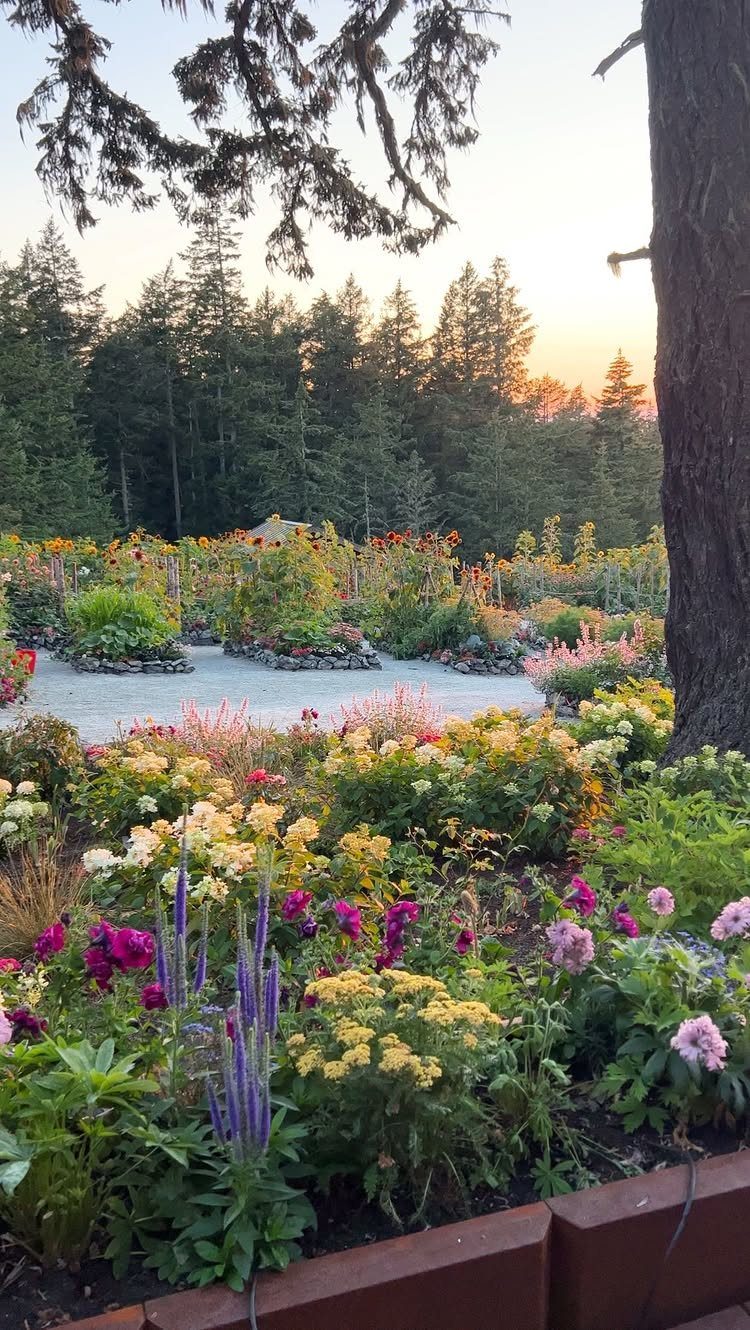
Stone edging around those flower beds does more than look tidy. It creates a physical barrier that keeps grass from creeping in and defines where maintenance starts and stops.
I have found that two or three repeated materials settle a small yard better than a mix of everything; too many textures read as clutter.
For the edging itself, flagstone or pavers handle foot traffic if the path runs close, while smaller stone suits beds you view from a distance.
Groundcovers like creeping thyme can fill the bed inside the edge where lawn would struggle, on slopes or in dense shade where grass always looks thin.

EASYFLEX DECORATIVE NO-DIG LANDSCAPE EDGING: Get a beautifully landscaped yard without all the work of a dig-in lawn edging; simple installation without trenches or shovels; color may vary due to the unique manufacturing process.

EASYFLEX DECORATIVE NO-DIG LANDSCAPE EDGING: Get a beautifully landscaped yard without all the work of a dig-in lawn edging; simple installation without trenches or shovels

20-Pack Garden Edging Set: Includes 20 gray plastic edging panels. Each panel measures approx. 9.65 x 3.94 x 9.06 in and weighs about 0.13 lb. When connected, the full set covers up to 16 ft.
3. Add Decorative Stone Features
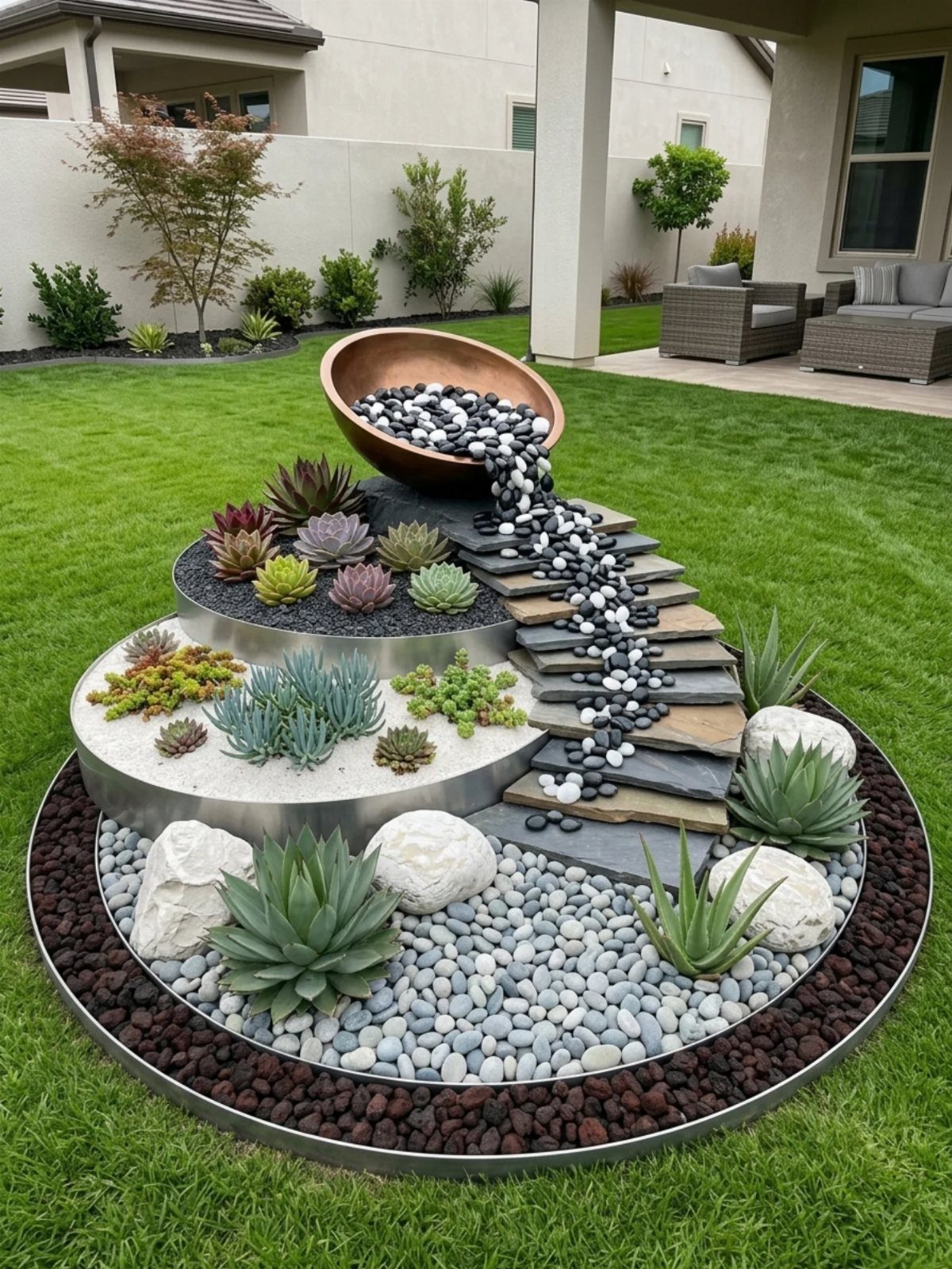
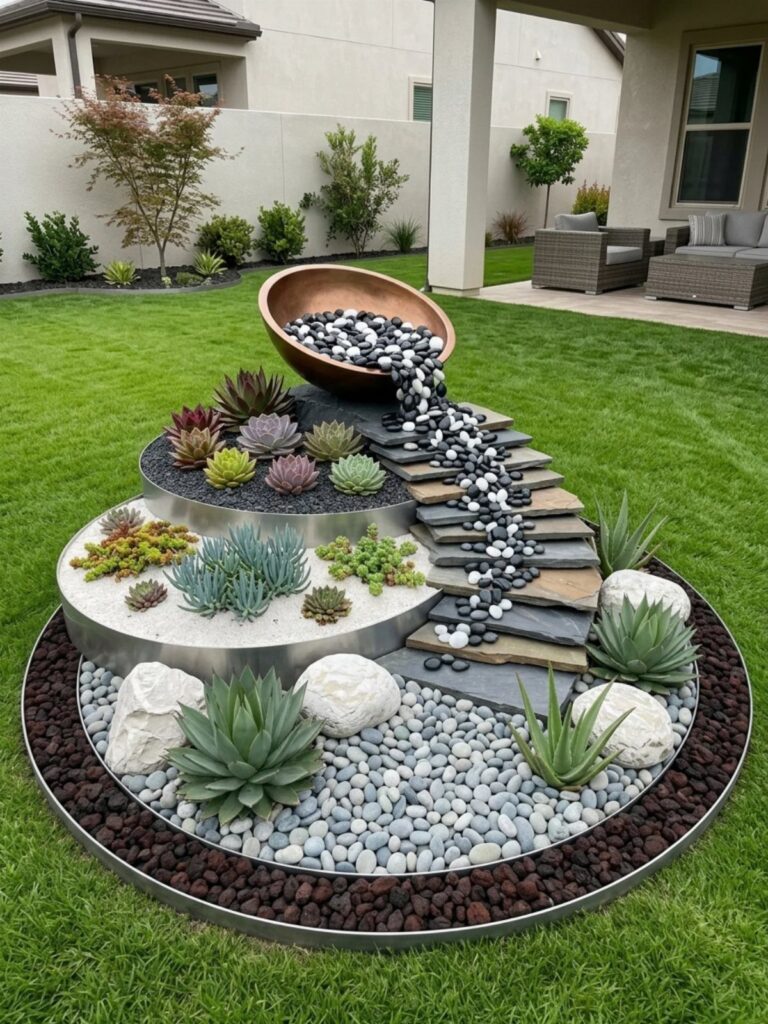
Stone gives structure without asking for water, pruning, or seasonal replacement, and a tilted bowl spilling pebbles onto the lawn puts that to work as a focal point.
Boulders, ledge stone, or decorative rock give visual weight to slopes, foundations, or modern spaces where plants alone feel too soft.
I would choose Mexican beach pebbles for their smooth, dark finish around beds and borders, though crushed stone works better for paths and informal seating areas.
The upfront cost and labor sting; the decades of near-zero upkeep after that do not.

RUBBER STEPPING STONES: Elevate your outdoor space with these lightweight simulated flagstone rubber pavers that offer the timeless beauty of real stone without the heavy lifting.

Vintage Charm: Natural gray finish features subtle color variation that replicates the look of weathered stone, adding visual texture to gardens, pathways, and outdoor spaces

4. Native and Drought-Tolerant Plants
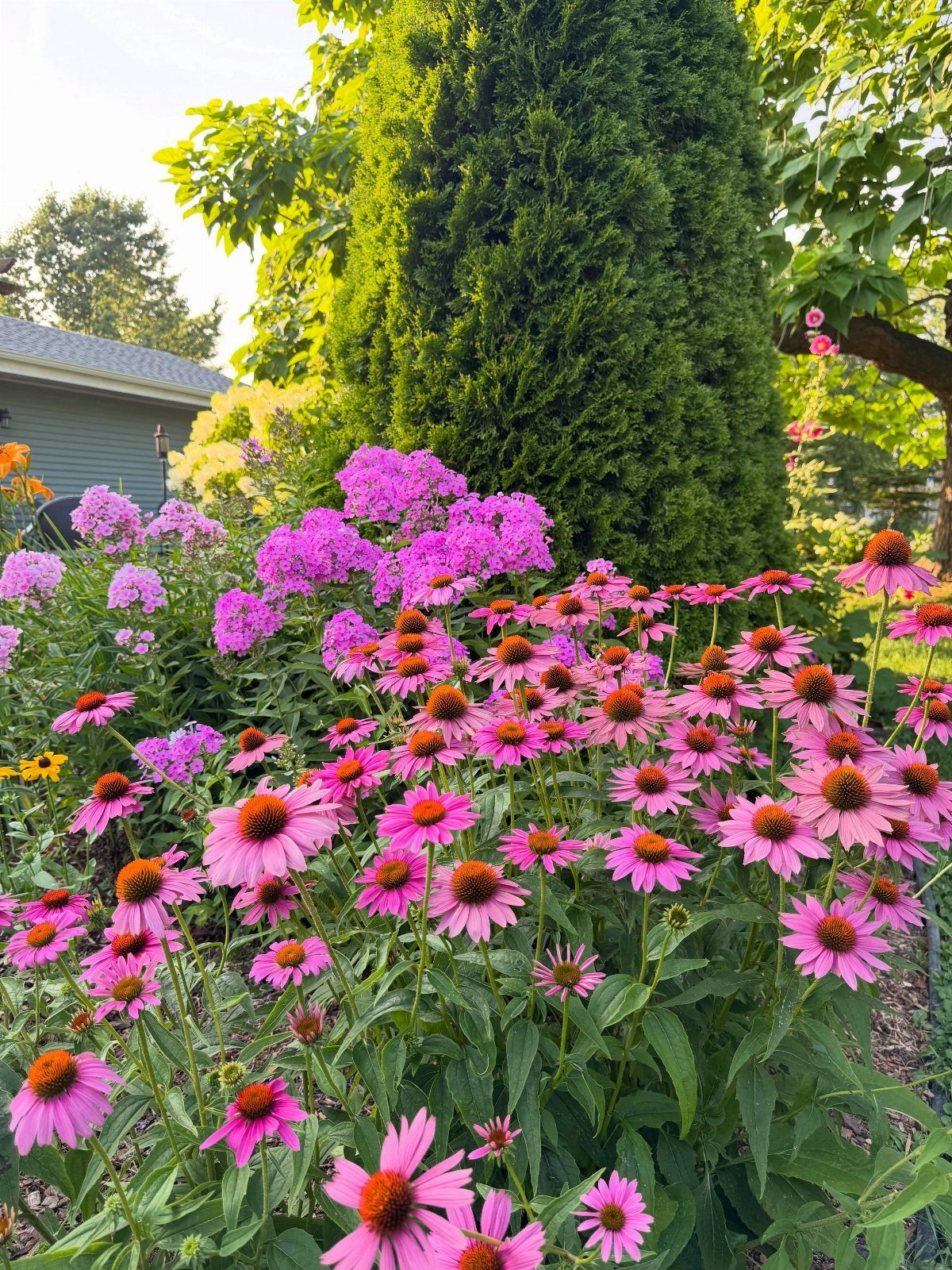
Coneflowers and phlox in a mixed bed are regionally appropriate choices that survive on rainfall once their roots are down. Native does not automatically mean low maintenance, so I still check mature size, soil preference, and growth habit before buying.
One study found native groundcover replacing turf cut maintenance costs by up to 80% in certain landscapes; your saving will vary, but the direction holds.
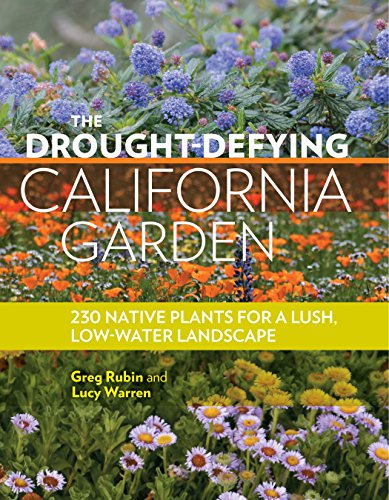
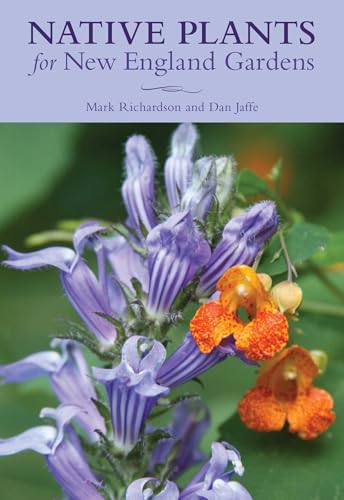

LITTLE BLUESTEM GRASS SEEDS: Beautiful ornamental bunchgrass seeds with high germination rates, North American native prairie plant, adapted to USDA zones 3-9
5. Hardscaping, Gravel
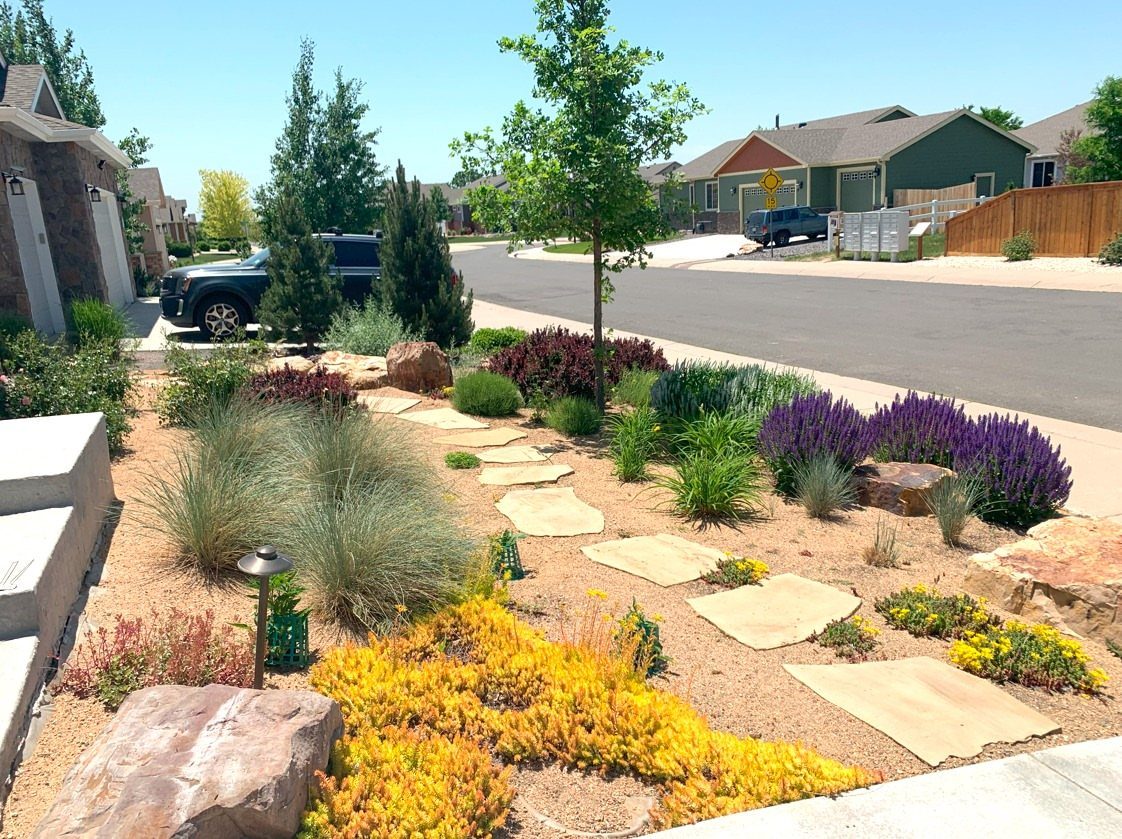
Pea gravel with those stepping stones and grasses replaces lawn that would need weekly mowing and watering with a surface that needs almost nothing.
I like this approach for narrow side yards, park strips, or any front yard where turf always looks patchy.
Gravel drains well and installs quickly, though it migrates and needs occasional raking or topping up. Self-binding gravel gives a firmer surface if you need to roll bins or strollers across.
The clean lines suit modern and transitional homes, and the structure holds up through winter when plants are dormant. Keep some living material for softness; all-gravel reads as parking lot.

100% Biodegradable - The top of each blanket is covered with photo-degradable or biodegradable netting. The blankets are naturally seed-free and contain no chemical additives.

Signing Checklist: You will receive 1 roll of 4 x 50 feet of biodegradable paper weed barrier landscape fabric, which can be naturally degraded during use, effectively control the growth of weeds, improving the soil environment, and promoting better growth of crops
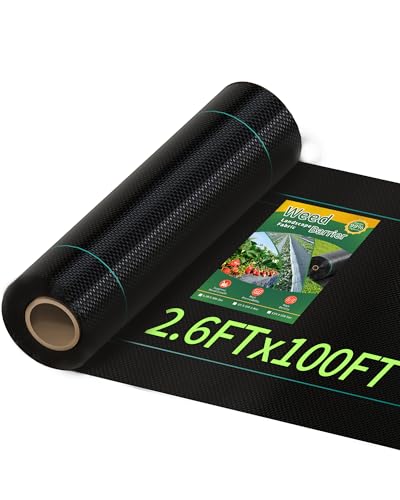
Weed Control: Woven polypropylene physically blocks sunlight to prevent weed seed germination, keeps flower beds, vegetable gardens, and landscaping weed-free without chemical herbicides.
6. Create Simple Pathways
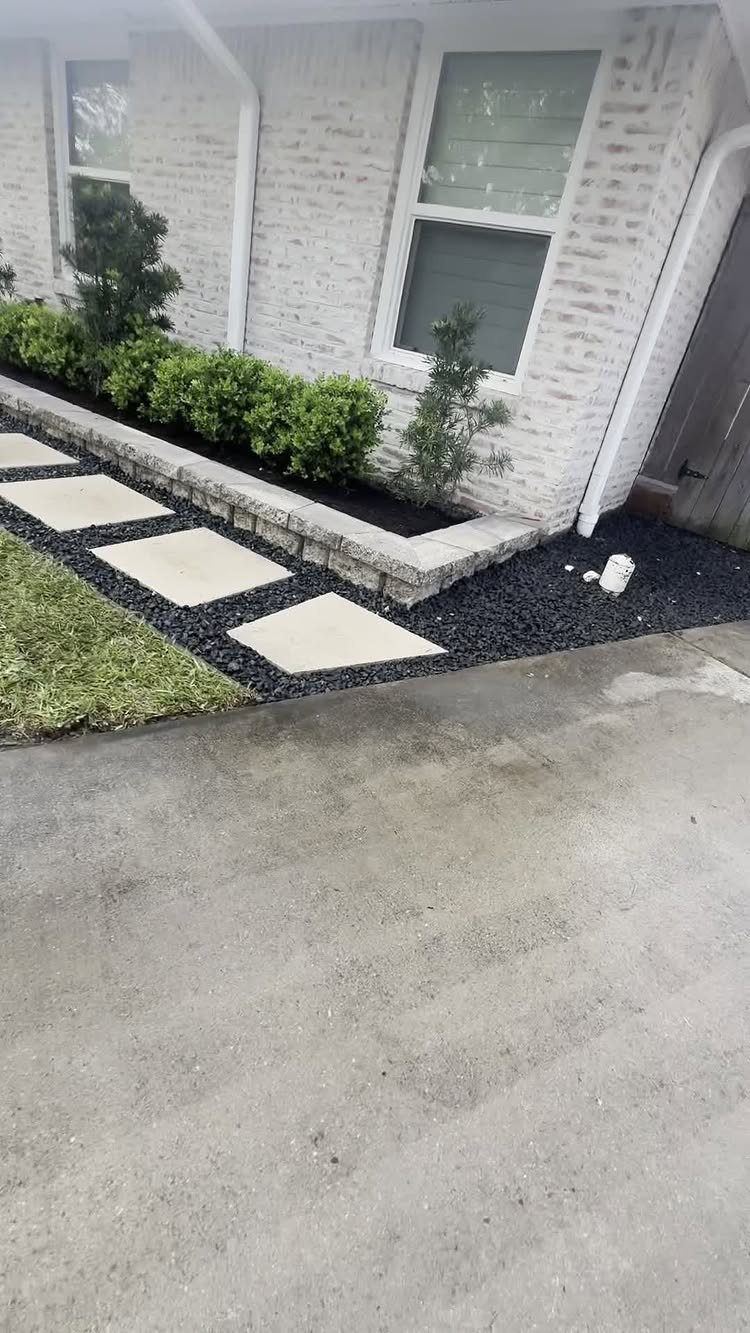
Square pavers set in dark gravel protect the lawn and beds from foot traffic while giving direct access to where you need to go.
Width matters more than looks here: a decorative stepping-stone route can stay narrow, but a path for wheelbarrows, bins, or mobility devices needs solid surface and more space.
Concrete pavers hold up longer than most alternatives, with gravel filling the gaps for drainage.
Loose gravel alone is simpler to install but scatters; for a firmer walk without full paving, self-binding gravel compacted in place is worth checking for your site.

STAYS IN PLACE - Our edging stays securely in place, keeping mulch and other materials from migrating into other areas of your landscape for a pollished look

【Easy to Manage】Landscape edging blocks Helps prevent grass from spreading into garden beds while making mowing and trimming easier

Realistic Faux Stone Texture: Our landscape edging boasts a lifelike stone texture with detailed surface patterns that add depth and a polished look to your outdoor space. It beautifully enhances garden beds, lawns, pathways and flower beds, bringing a natural, decorative touch to any yard.
7. Low-maintenance Sago Palm Feature
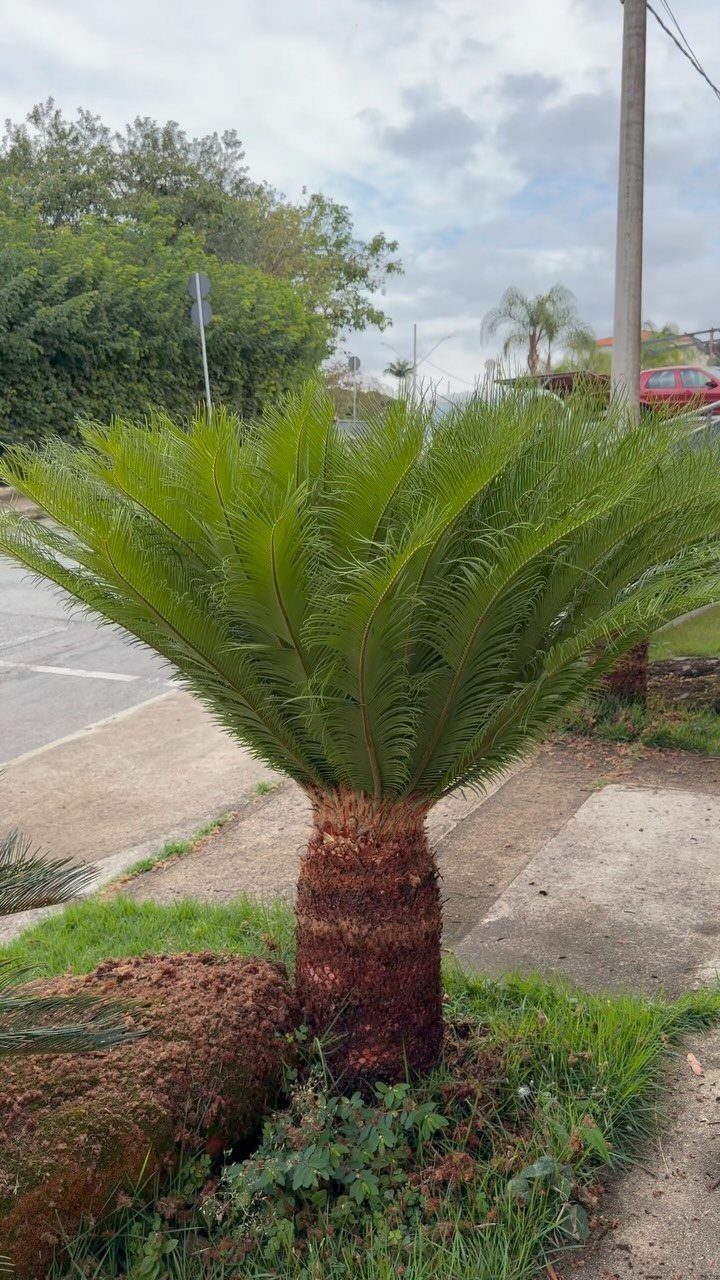
A single sago palm in a tight bed bordered by concrete reads as intentional structure without any weekly care list.
Cycas revoluta handles heat, reflected light, and the kind of soil that would wilt most tropicals, which makes it practical for park strips, foundation corners, or any narrow bed where a shrub would outgrow its space in 2 seasons.
The trunk stays short for years, so the footprint stays predictable; fronds emerge from the center and need only the brown lower ones clipped off when they dry.
A single sago palm fills a bed that would otherwise need several plants to look intentional, since that thick, textured trunk gives it visual weight even at small sizes.
Sago palms are slow, so buy the size you want to see. They also need sharp drainage; a raised edge or slope helps where clay holds water.
In zones 8b and colder, winter damage is a real risk, and recovery takes seasons. For a year-round green anchor that asks almost nothing after planting, this one earns its spot.

【Natural Stone】Made from natural stone, each stepping stones preserves its unique texture and natural, irregular edges, adding distinctive beauty to your garden, pathway, or lawn. Each walkway pavers outdoor measures approximately 12''×16'' (typically within ±1.5in for size)

15.5'' Garden Stepping Stones: you will receive 8 pieces stepping stones outdoor and per stepping stone with 4 ground stakes;these decorative step stones with a realistic texture are ideal for outdoor walkways, garden pathways, grassy areas, muddy areas

Importance of Planning
Sunlight, soil, and space are the 3 things I check before any plant goes in the ground.
A shrub baking in afternoon heat in a west-facing bed will need more water, more pruning, and probably replacement before long; the same shrub on the east side of the house might settle in with almost no help.
Matching the plant to the site does more to cut future work than any decorative choice after that.
Grouping plants by water and light needs keeps maintenance from multiplying.
Three species with the same requirements share one schedule; three with different needs split your attention into three schedules. Simple design is not boring design; it is design that does not fight itself.
Broad beds work harder than small islands. A narrow ring of plants around a tree creates edge to weed and trim; a wide bed lets plants knit together and start shading out their own weeds.

NATIVE NORTH AMERICAN SHOWY MILKWEED SEEDS: Heirloom non-GMO open-pollinated Showy Milkweed (Asclepias speciosa) seeds with high germination rates, adapted to USDA zones 3-9
Benefits of Native Plants
Local conditions shape native plants, but one native is not as good as another for your particular patch of dirt.
The maintenance saving can be substantial. Drought-tolerant choices like lavender, salvia, ornamental grasses, and sedum reduce watering once roots are established, though low-water is not no-water in the first season.
Regionally appropriate does not mean regionally exclusive.
A mixed bed of coneflowers and phlox handles seasonal swings better than fussier ornamentals, and the combination gives longer interest than either plant alone. The goal is plants that suit the place, not a purity test.

SAY GOODBYE TO MESSY LANDSCAPES - Our rock glue provides a powerful and reliable adhesion that keeps rocks, pea gravel, mulch, wood chips, shells, sand, pine grass, small pebbles, hay and straw, small gravel, and leaf piles securely in place. By using our gravel binder glue, you can effortlessly create beautiful and long-lasting outdoor spaces.

coconut Fiber Mat: Made from coconut fiber for a eco-friendly and sustainable option, healthy

100% Biodegradable - The top of each blanket is covered with photo-degradable or biodegradable netting. The blankets are naturally seed-free and contain no chemical additives.
Sustainability in Landscaping
Composting returns what the yard produces back to the soil instead of bagging it for pickup.
I add clippings, fallen leaves, and spent annuals to a pile or bin; a year later the material has broken down into something that improves drainage in clay and water retention in sand.
The work is turning the pile occasionally and waiting.
Permeable pavers let rain soak through instead of running off, which reduces puddling and takes load off storm systems. They cost more up front than standard concrete but last longer where freeze-thaw cycles crack impermeable surfaces.
Smart irrigation means drip lines or targeted emitters, not hosing down every surface in sight.
The EPA estimates half of outdoor water use is lost to wind, evaporation, and runoff from inefficient systems. I design zones by need: new plantings get more water, established natives less, hardscape none.
Weather-based controllers adjust for rain without my intervention. Even the best system needs seasonal schedule changes and checks for blocked emitters.

Interlocking Structure Design: The interlocking structure adopts thin tongue and groove style design which will tightly hold the each edgings, preventing the garden edgings peel off. Made of premium material, these interlocking garden border edgings stand the wear and tear, no fading, no crackling, no deformation. It can be used for a long time.

STAYS IN PLACE - Our edging stays securely in place, keeping mulch and other materials from migrating into other areas of your landscape for a pollished look
Professional Help
A professional consultation makes sense when the site has problems I cannot read myself: drainage that pools in odd places, soil that shifts between sand and clay within a few steps, or a slope that wants to slide.
Local knowledge of what thrives in specific microclimates saves the cost of plants that will not survive the first winter.
For plant selection, a designer or nursery specialist can narrow choices by conditions I might misread.
Reflected heat off a south-facing foundation, compaction from construction, or the dry zone under eaves all change what will work; someone who has planted in those conditions before knows the signs.
I do not hire help for ideas I can handle myself in a weekend on a real budget.
I do consider it when mistakes would cost more than the fee: grading, irrigation design, or hardscape that needs to last decades. Getting that foundation right is worth the consultation.
Frequently Asked Questions
What is the most low maintenance landscaping?
The yards that practically run themselves tend to share a few traits: plants that belong in the area, grass kept to the spots you actually walk on, beds covered in mulch, paths that keep you off the plantings, and watering that hits roots without soaking the sidewalk.
A maintenance-free yard is a myth. What you can build is one that fits your actual conditions, your soil, how the sun moves across it, where water pools, and what you do out there.
Drought-tolerant plants like lavender, sedum, and coneflowers reduce watering once established, and hardscaping such as gravel or stone eliminates mowing and seasonal replacement.
What are some good landscape ideas for beginners?
Begin with a simple layout that groups plants by water and sunlight needs; this keeps care from multiplying into separate schedules. Use mulch to block weeds and slow water loss while plants are small.
Add stone edging to define beds and keep grass out. Concrete pavers and gravel make pathways that protect lawn and beds without complex installation.
How can I make my backyard easier to maintain?
Reduce features that create recurring work. A simple layout with clear access cuts time spent moving hoses or trimming edges.
Hardscaping like stone or gravel eliminates mowing and watering in areas where grass struggles, though living material should remain for softness so the space does not read as parking lot.
What can I replace grass with for a low-maintenance backyard?
Ground covers appropriate to your region, mulch, gravel, planting beds, patios, pavers, and other hardscapes all replace lawn.
What works in place of grass depends on whether kids or dogs run there, where water collects, how hot your summers get, how much shade falls, and whether your HOA has opinions on the matter.
Pea gravel with stepping stones suits narrow side yards or park strips where turf turns patchy.
You do not have to kill the whole lawn. The strip by the driveway nobody walks on, the narrow side yard, the patch behind the shed, those are the places to start.