These 11 ideas start with a Saturday hauling gravel and stringing lights and run all the way to a commissioned steel piece that costs what a used car costs.
The one that fits your courtyard depends on whether you need to block a neighbor’s sightline, mask city noise, or simply give 80 square feet two jobs at once.
A gas fire pit sunk low enough to warm your calves instead of your knees stretches the evening out without adding wood smoke to air that already sits too close to the neighbors’ windows.
[link-whisper-related-posts]1. Water Features
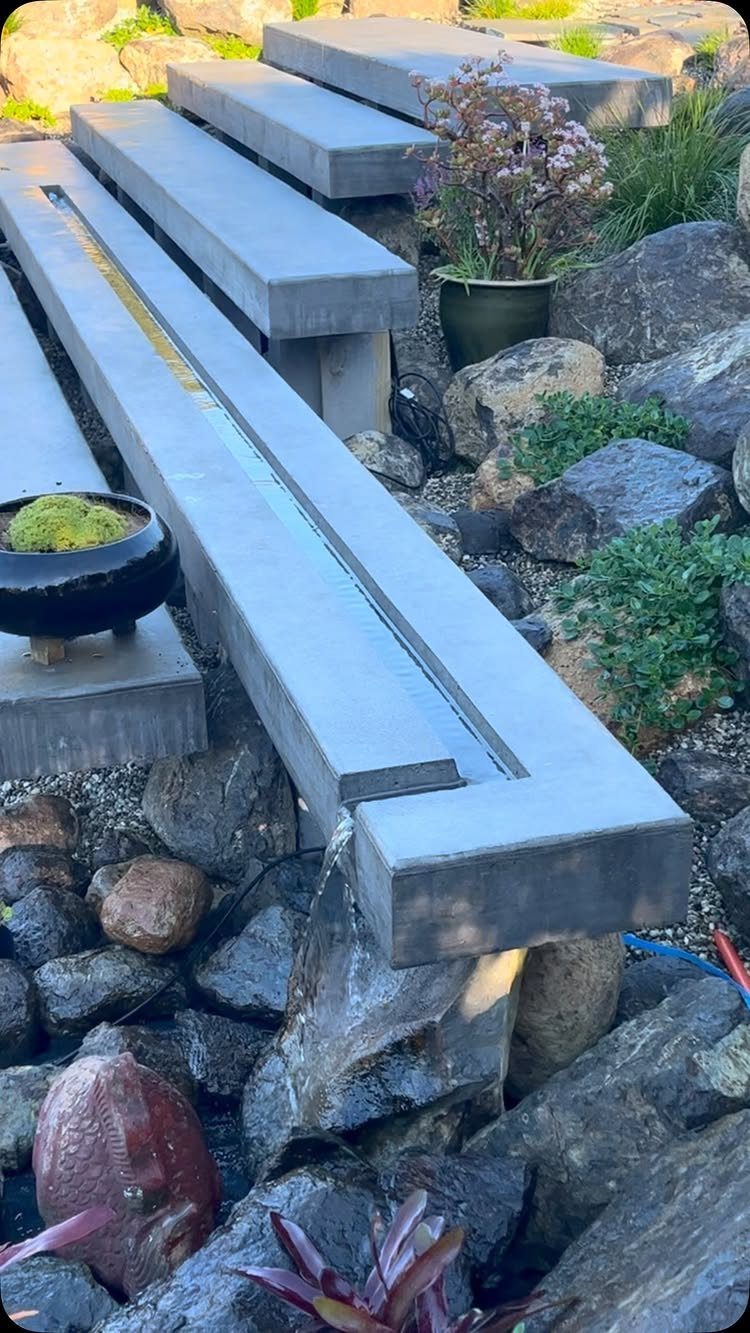
A stepped concrete water feature running through rock and low ground cover turns a corner of courtyard into something you hear before you see.
The sound masks traffic, sirens, the neighbor’s AC unit; in a city, that alone is worth the plumbing.
Wall-mounted cascades or a narrow rill along one edge save floor space for seating. Solar pumps keep the install simple if you have sun.
I would skip the koi; they need depth and filtration that most courtyards cannot give them. A small fountain with a recirculating pump runs off a standard outlet and moves enough water to cool the air around it.
Pair it with stone you can source locally so the color matches what you already have.

GARDEN RESIN FOUNTAINS: Elevate your space with the unique Spherical bubbler fountain outdoor; Crafted with a faux concrete cement finish, this outdoor waterfall fountain adds an artistic touch to your surroundings

Elegant 3 Tier Water Cascade: Enjoy the serene sound of water cascading from three tiers. This stunning design brings a tranquil, peaceful ambiance to your outdoor space, ideal for gardens, patios, and decks.

Elegant 3 Tier Water Cascade: Enjoy the serene sound of water cascading from three tiers. This stunning design brings a tranquil, peaceful ambiance to your outdoor space, ideal for gardens, patios, and decks.
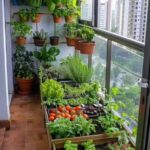
2. Living Green Walls
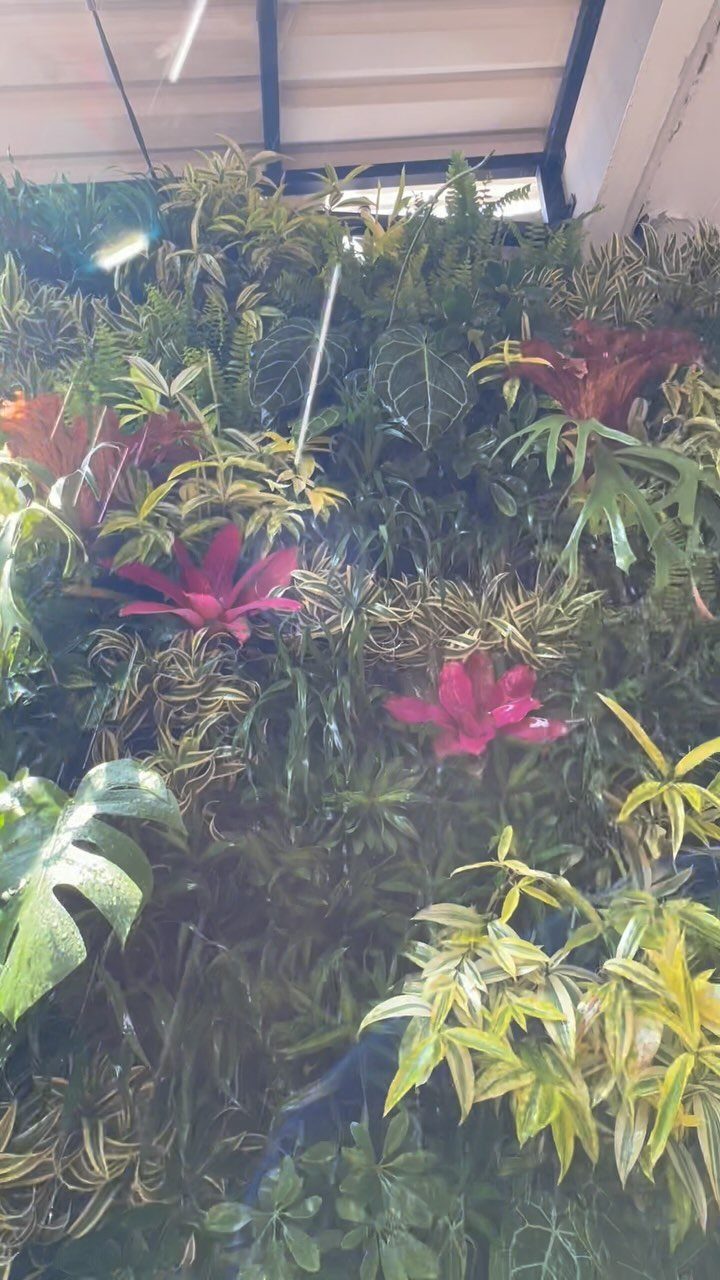
Wall-mounted planters stacked to the height of a fence or the underside of a beam turn vertical blankness into something that reads as architecture.
Ferns, bromeliads, and the odd monstera leaf do the heavy lifting in shade; swap in succulents where sun hits.
Trellises work too, though they read greener in summer and sparser in winter.
A living wall system with built-in irrigation saves you from hauling a watering can up a ladder twice a day in July, which is the point at which most of these projects get abandoned.
Herbs in the lowest pockets put scent at hand height for anyone walking past.
The eye travels up, so the courtyard feels larger than its footprint.

SPACE-SAVING VERTICAL GARDEN – Create a lush green wall with 12 plants in a compact 23.5"L x 25.5"H x 5.5"D frame, perfect for small apartments, patios, or balconies.
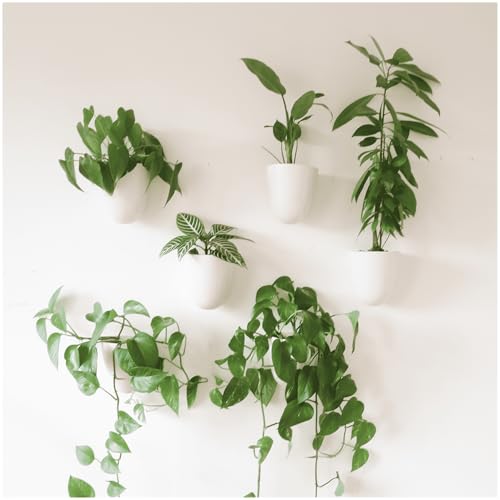
Self-watering system means you can often go weeks without watering plants

【36 Pocket Vertical Garden】Features 36 individual planting pockets, allowing you to grow herbs, flowers, succulents, strawberries, vegetables, and other plants while maximizing vertical space.
3. Outdoor Lighting
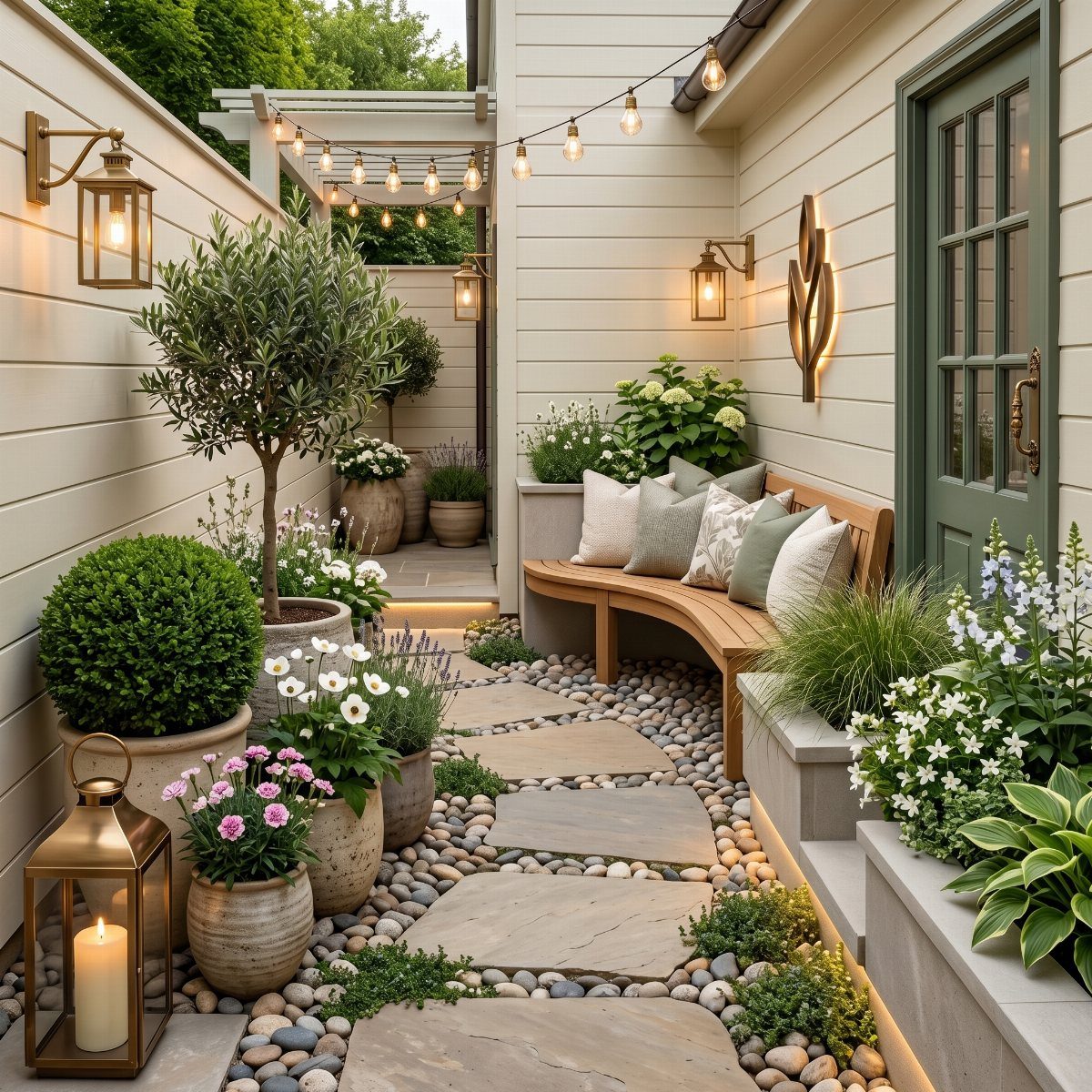
String lights overhead, path lights at ankle height, and one or two spots aimed at a plant or a wall sconce give you three layers you can switch on as needed.
Light warm enough to read by but not so bright that moths own the space keeps a courtyard usable after dark.
Solar path lights have improved to where they last past midnight if the panel got sun; for anything overhead, I would wire it or use rechargeable bulbs you can swap indoors.
Battery-operated string lights dim noticeably after hour three, which is exactly when you want them steady.
Candle lanterns on the ground are fine for occasional use. They do not light a path; they signal that the evening is ending.

Use occasions - waterproof, indoor and outdoor can be used,suitable for courtyard, party, wedding, terrace, bar and restaurant. 2200k color temperature makes the occasion more warm and romantic.

Incandescent Christmas Icicle Lights:Bright 200 count traditional clear incandescent icicle lights on white wire,32.8ft total length(Wire with light 23ft+Lead wire 9.8ft) with 40 drops,with 3/5/7 bulbs each drop,the drop spacing is 5.9 inch, bulb spacing is 4.3 inch.Hanging BEEWIN warm white icicle lights to create an warm romantic and charming atmosphere

Charming Christmas Lights: The illuminated section of the outdoor Christmas lights spans 18.5 ft, with a 1.5 ft leading wire and a bulb spacing of 2.25 inches. Each bulb works at a voltage of 2.5V/0.42W, ensuring safety with a built-in 3A fuse. The package includes 1 x 20ft mini string light, 1 x spare fuse, 2 x spare incandescent bulbs and 2 x jumping bulbs.
4. Rustic Mediterranean Courtyard
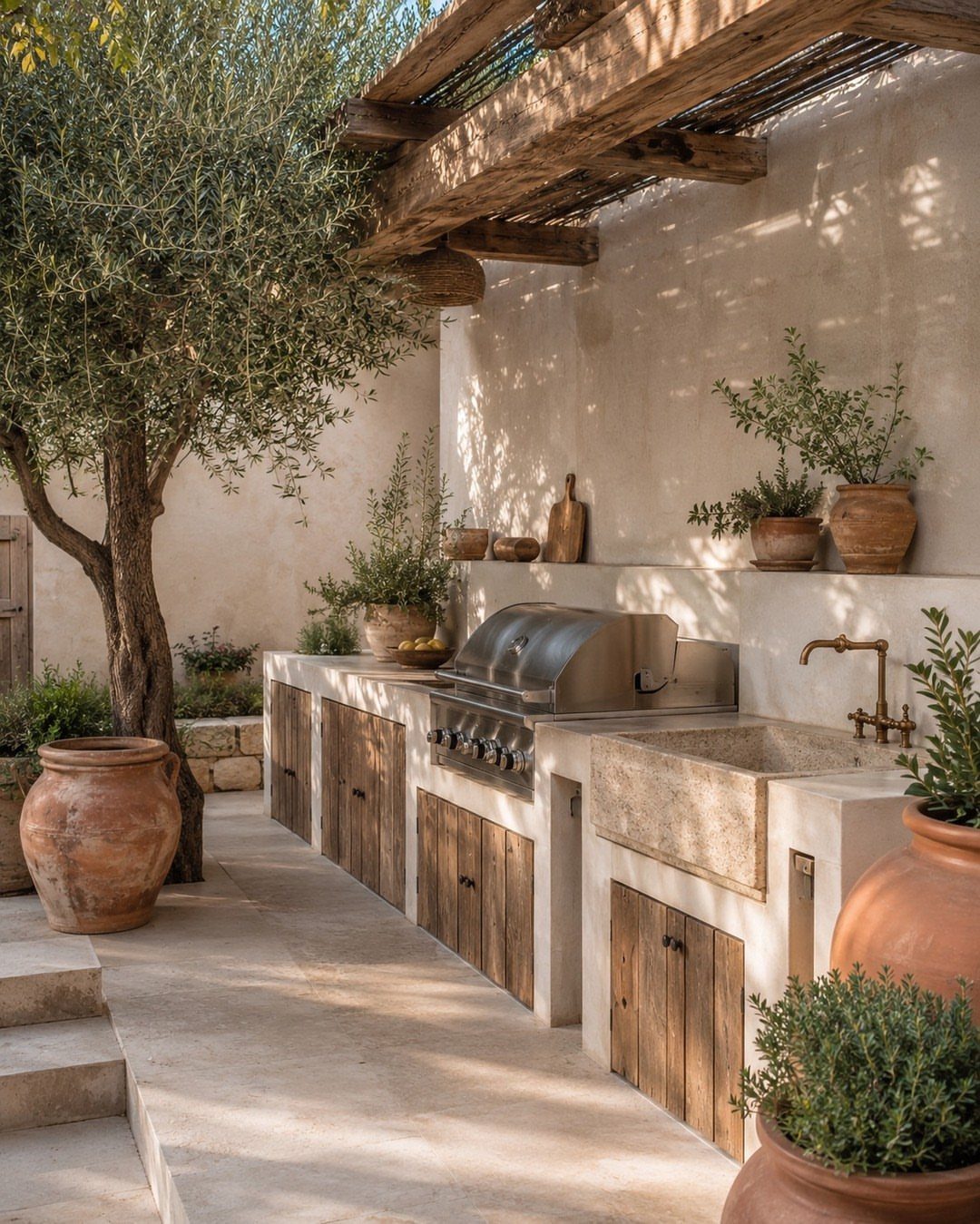
Olive trees under a pergola, terracotta urns larger than you expect, and stone counters that can take a spill without staining give a courtyard the weathered, patient look of somewhere that has always been there.
The Mediterranean feel comes from materials that age in place rather than fighting it.
Gravel underfoot drains fast and costs less than tile; it also migrates, so a perimeter edge or a contained bed keeps it from the door track.
Wrought iron furniture lasts decades if you touch up the paint, though I would test a chair for comfort before committing to a set; the romantic look can wear thin on a spine.
Rosemary and lavender in pots near seating put scent where you notice it. Bougainvillea wants more sun than most urban courtyards get; a shaded corner will give you leaves and thorns without the color.

【Provide You a Confortable & Quiet Environment】 : Our pumps works so quietly and smoothly, it keeps bring you a relax & peaceful time.

Specs & Dimensions: 4.33*3.5*4.1 inches; Max flow rate: 800 GPH (3000L/H); Max lift height: up to 10 ft.; Wattage: 50W; Voltage: 110-120V
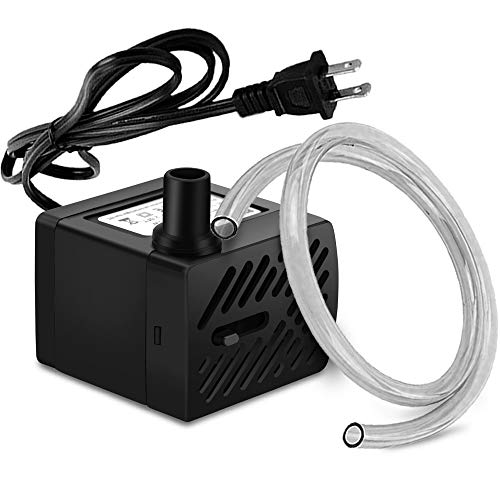
★ Ultra Quiet Design: The relible and duarable motor does not produce much noise, giving you quiet environment.This submersible pump is designed for small to medium size aquarium, Fish tank, Pond, tabletop fountains, water gardens and hydroponic systems.
5. Outdoor Mirrors Framed with Plants
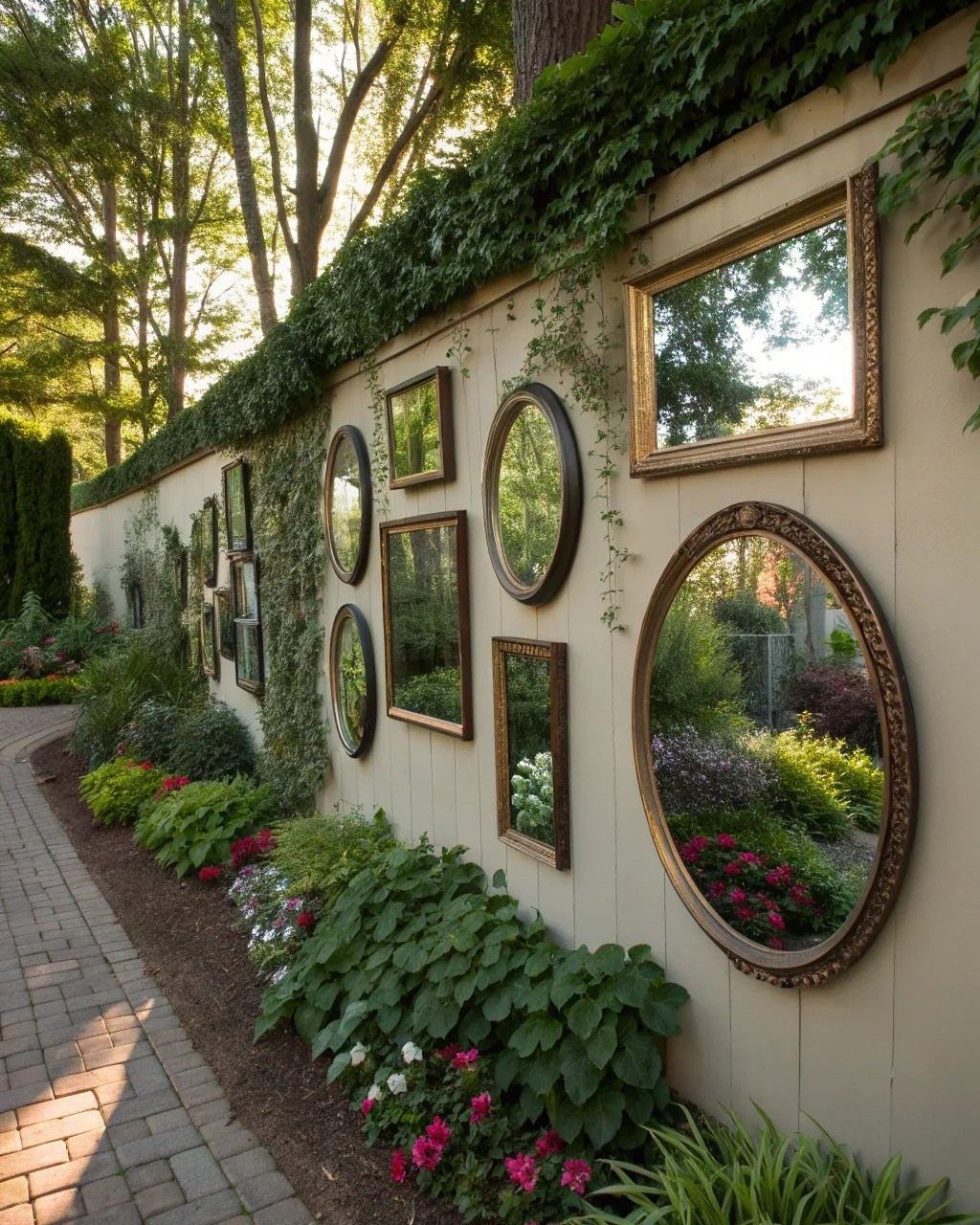
Mirrors hung on a courtyard wall, framed in ivy or a Japanese maple that birds can perch on, bounce light into corners that never see direct sun and double the visual depth of a narrow space.
What a mirror reflects matters more than the mirror itself, so placement decides whether it works.
A mirror opposite a blank wall shows you more blank wall. A mirror angled to catch a planter, a tree, or the sky gives you something you did not have to buy or maintain.
Divided panes read as windows rather than mirrors, which solves the bird-strike worry and looks less like a design statement that needs explaining.
Climbing vines on trellis around the frame soften the edge where glass meets wall.
Check the backing before you buy; standard bathroom mirrors fog and peel outdoors. Marine-grade or sealed-frame versions cost more and last.

Antique Finish: Add a touch of vintage style to your lawn, garden or walkway with these 8" outdoor path lights

Landscape Lighting Design: Kichler's 15846BKT right angle path light features a sleek textured black finish, lending refined elegance to any outdoor landscape lighting arrangement along walkways or garden beds.

FULL BRASS HEAVY DUTY HOUSING: New and improved design from Gardencoin, 63% copper, heavy-duty construction, strong and durable landscape path light with large ground stake to keep it upright and not tilted
6. French-style Courtyard
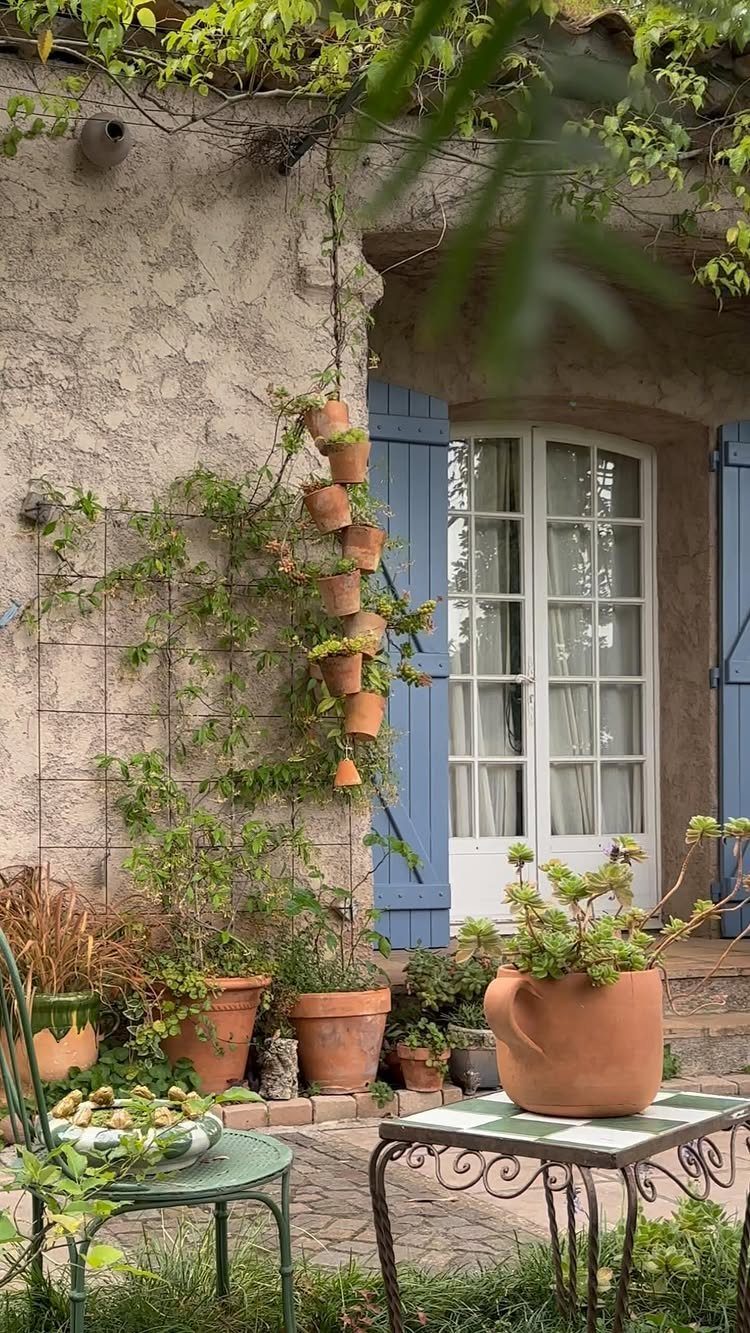
Gravel paths, wrought iron tables, and a central fountain or urn give a courtyard the symmetry and restraint of a Parisian garden scaled to a city lot.
Blue shutters and an arched door set the tone; the rest is discipline in keeping to a palette of stone, iron, and green.
Boxwood hedges in pots or planted in ground give structure year-round but need clipping to stay crisp.
I would use them only if you enjoy the maintenance or can hire it; loose, overgrown boxwood reads as neglect, not romance. Lavender and citrus in terracotta pots move indoors or to shelter in zones below 8.
A bistro table and 2 chairs fit a nook that a full dining set would overwhelm. The French style trades away the casual sprawl of a lounge setup for a formality that makes coffee feel like an event.

Zen Decor & Relaxation: This tabletop fountain brings a serene and decorative feel to any room with its three bowls design and gentle water flow.

SOOTHING THREE TIERED WATER FOUNTAIN: Elevate your outdoor space and create an impressive focal point with the elegance of this 3 tier freestanding water fountain featuring a classic leaf design, perfect for your lawn and garden, patio, porch, deck, and more

【𝐑𝐞𝐥𝐚𝐱𝐢𝐧𝐠 𝐂𝐚𝐬𝐜𝐚𝐝𝐢𝐧𝐠 𝐖𝐚𝐭𝐞𝐫 𝐅𝐥𝐨𝐰】: Designed with three graceful tiers, this outdoor fountain produces a smooth, soothing stream that flows from level to level, evoking the peaceful sound of a real waterfall to create a serene atmosphere in any setting.
7. Add a Fire Pit
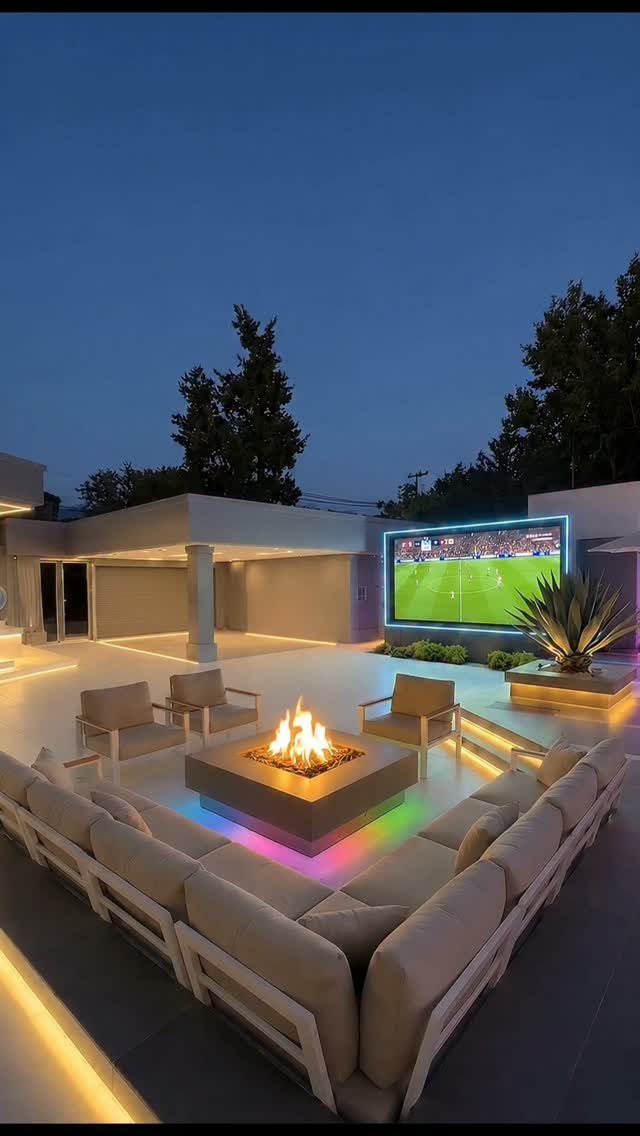
A gas fire pit sunk into a stone patio gives you a center of gravity: everyone faces it, and the evening lasts longer than it would around a table alone.
In a city courtyard, smokeless fuel matters; neighbors live close enough to complain, and wood smoke clings to brick walls.
Propane runs clean and lights with a switch, though the tank needs hiding in a bench or a false wall.
Natural gas costs more to plumb but removes the refill errand entirely. A low, wide bowl or a square pit seats more people than a tall ring; heat rises, so you want the flame at calf height, not knee height.
Check local codes before you buy; many cities require a set distance from structures and overhead cover.
I would skip the cooking grate unless you grill weekly; it adds cost and cleanup for a feature most people use for warmth and light alone.

Space-Saving Solution: Maximize your outdoor space with our sunvara 64 Pocket succulent wall planters, planter wall, vertical farm. Transform any bare wall into a lush vertical garden, ideal for small balconies, patios, or urban gardens.

Innovative Space-saving Design: maximize your gardening potential with our stackable wall planter system; Each piece measures 9.45" x 5.71" x 5.51" and features two pockets, The overall dimensions are 47.5"x33"x5.5" offering ample growth space for a variety of plants; Nice for Fence Balcony Wall Decor, these vertical wall planters change limited spaces into gardens effortlessly

Space-Saving Vertical Garden – Turn fences, balcony rails, patios, and indoor walls into a compact growing area.
8. Globally Inspired Tile Patterns
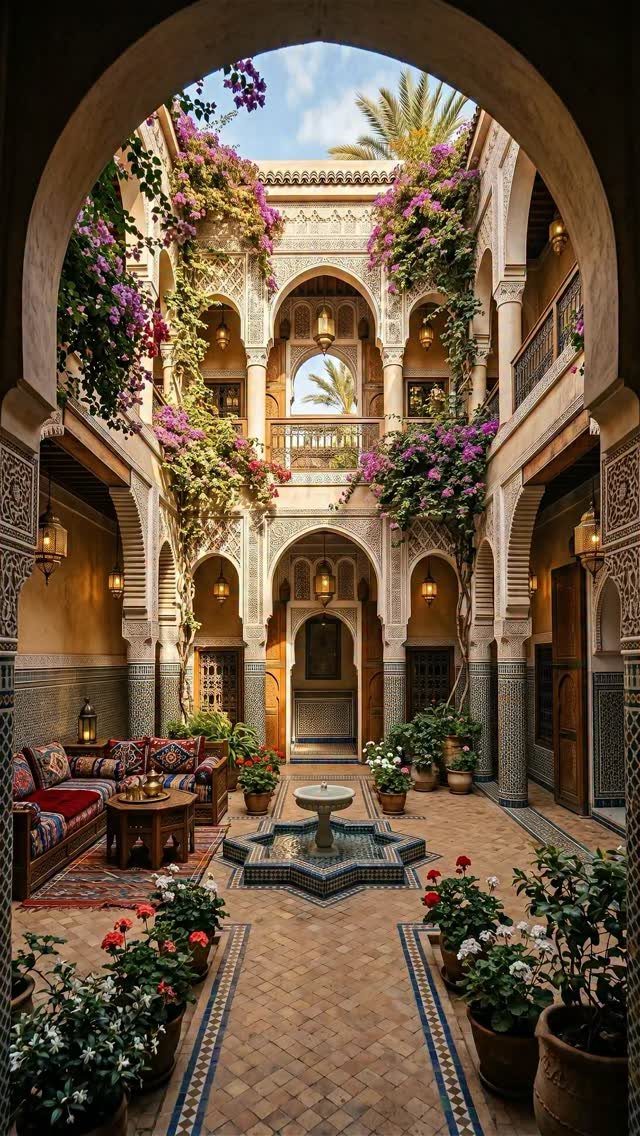
Cement tile with a repeating geometric pattern turns a courtyard floor into something you can enjoy without a single chair on it.
Moroccan zellige, Spanish encaustic, or Persian mosaic motifs each carry enough color and rhythm that the rest of the space can stay quiet: plain walls, simple planters, wood or iron that does not compete.
Running tile along the lower walls and the fountain base, not the whole floor, keeps the pattern from swallowing the space.
Cement tile needs sealing once a year and wipes clean with mild soap; skip the pressure washer, which opens the pores and fades the color.
Neutral walls and natural materials nearby keep the eye on the craftsmanship.
Native plants in terracotta soften the edges where pattern meets green. Ordering extra for cuts and future repairs matters; discontinued patterns are impossible to match.

ALWAYS ON LIGHTED LED STRING LIGHTS: These LED string lights will remain illuminated even if some individual LEDs fall away, ensuring continuous lighting throughout your display

Timer & Dimmable Function: Newly upgraded electric fairy lights plug in with remote control, provides four brightness options, 25%, 50%, 75%, 100%, to meet your needs in different scenarios, comes with 3 different timing modes, 6H/8H/6639H, more power saving, no need to manually turn off
9. Built-in Seating with Decking and Turf
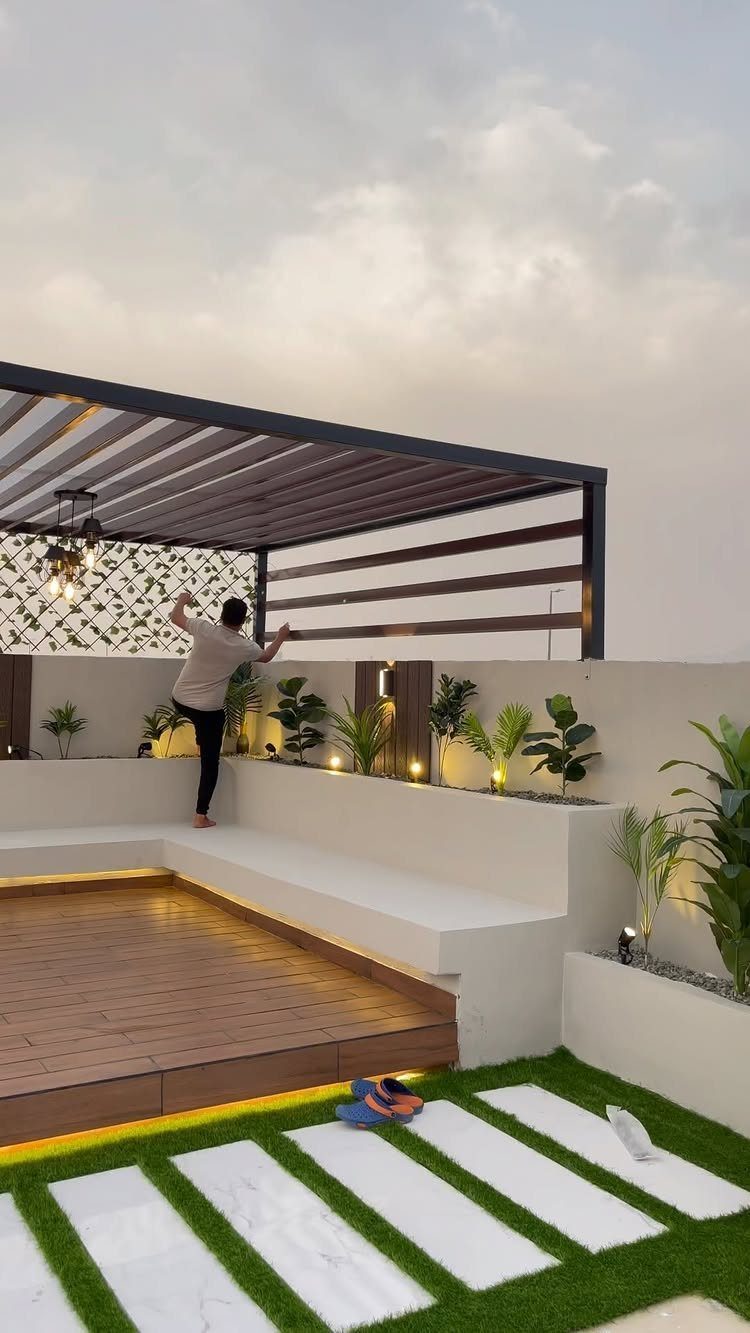
A bench cast into a low wall, topped with a weather-resistant cushion, gives seating that never needs dragging indoors before a storm.
White built-ins paired with wood decking and stone pavers set into artificial turf read as garden and room at once.
Decking raises the question of structure: a rooftop needs membrane protection and a frame rated for the load, which is not a weekend job. At grade, the same look needs only a level base and pressure-treated sleepers.
Artificial turf drains better than real grass in shade and stays green where foot traffic would kill a lawn; it also heats up, so keep it away from the seating surface.
Cushions in a color pulled from your interior make the courtyard read as an extension of the house.
I would build in storage under the bench for those cushions; otherwise they migrate to a garage or a closet and rarely come back out.

Circulates Water to Attract Birds and Maintain Freshness: Solves the problem of stagnant water in traditional bird baths that fails to draw birds and deteriorates water quality. This solar bird bath fountain keeps water flowing, creating a inviting environment for feathered friends. Enjoy the pleasure of watching birds gather and play in your outdoor space

Efficient & Ultra-Quiet Operation: Advanced 12V DC brushless motor delivers stable 10W power with less than 35dB noise, ensuring a peaceful environment for fountains, aquariums, and water circulation systems.

High-Efficiency Quiet Operation: Small 12v water pump crafted from premium engineering plastics and ceramic shaft cores for exceptional durability. Brushless DC motor technology ensures operating noise below 35 decibels, small 12 volt water pump RV creates a serene and comfortable environment. With a lifespan exceeding 40,000 hours, hot water recirculating pump delivers continuous, stable water circulation power for long-term continuous operation
10. Geometric Elevated Walkways
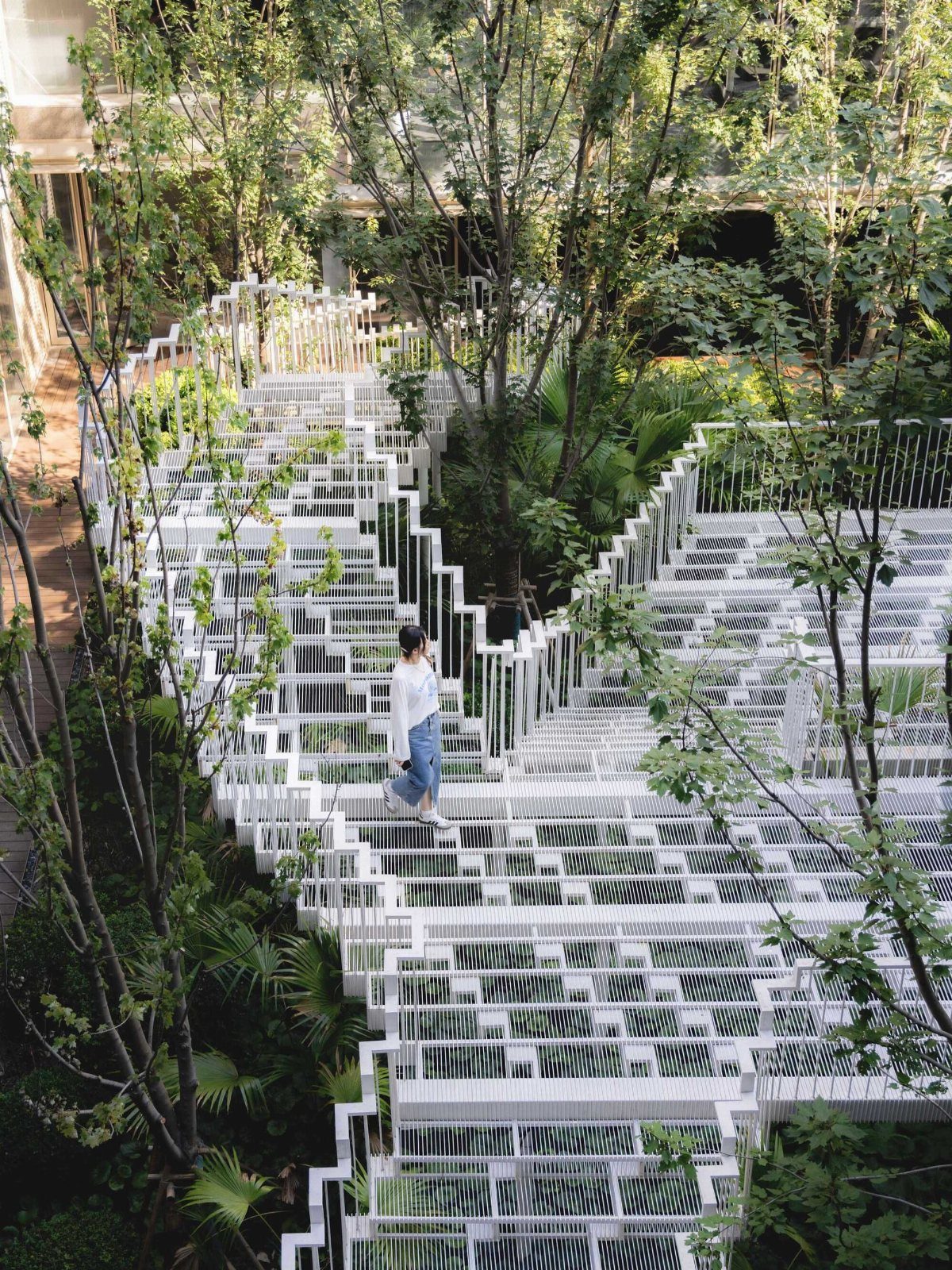
White metal slats zig-zagging between tree trunks turn a courtyard into something you walk through rather than stand in.
A path gains its drama from elevation change; without a slope to work with, a flat walkway reads as a bridge to nowhere.
Check the structure before you commit. Elevated steel needs footings rated for the load and rust protection that lasts; aluminum costs less to maintain but flexes more underfoot.
The gaps between slats drain rain but drop phone keys and heel tips; I would keep the spacing under half an inch or accept the losses.
Tropical planting like the photo’s needs shade tolerance and humidity; in a dry climate, the same walkway through olive or citrus reads differently but works as well. Night lighting in the railings turns the geometry into shadow play after dark.

Waterproof membrane seals out water and lets moisture escape

2PK Low Voltage Path Lights: These landscape path lights feature 3W LED with 3000K warm white, providing a warm and inviting ambiance to any outdoor space. These 12V AC path lights offer an efficient and reliable lighting solution for illuminating pathways, driveways, gardens, and other outdoor areas. The low voltage design makes them an energy-efficient option, while their easy installation process makes them an ideal choice for your yards

【Warm & Sufficient Light】With brightness of 85lm, this 3.2W 12V AC/DC low voltage LED landscape pathway light is bright enough to illuminate your front/back yard, walkway and driveway; 3000K warm white light and CRI of 80 to beautify your alley, garden, fences, patio, and swimming pool, creating a comfortable dreamy night scene
11. Sculptural Architectural Art Installation
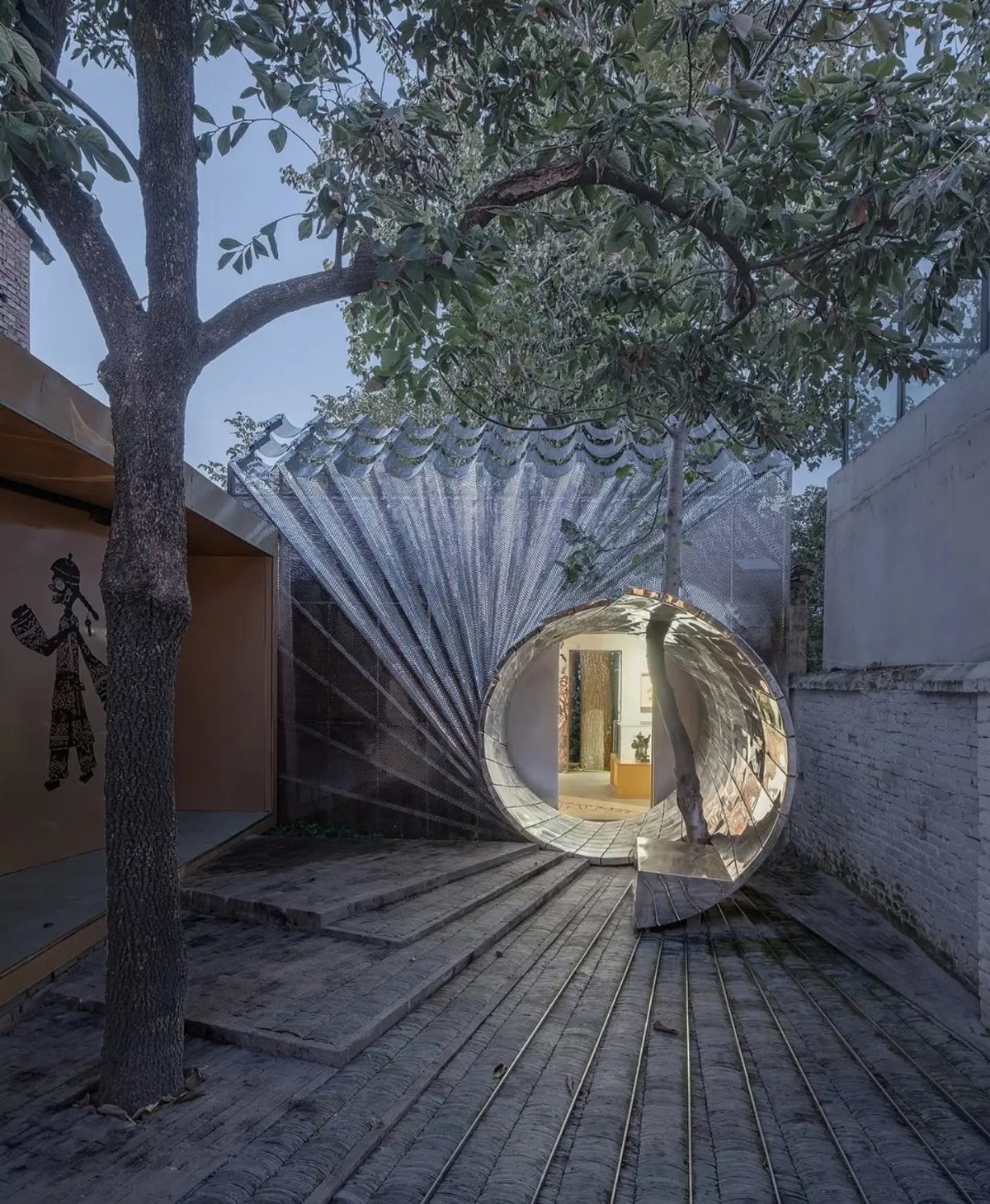
A single large piece built around an existing tree, like a pleated metal pavilion, gives a courtyard the identity that furniture alone cannot.
The accordion mesh filters light and frames the trunk without competing with it; the tree stays the living center, the sculpture becomes its setting.
Scale matters more than material. A piece too small disappears against brick walls; too large and the courtyard becomes its storage shed.
The photo’s tunnel shape invites walking through, which only works where foot traffic wants to go. I would place it on the sightline from the door you use most, so you see it every time you step outside.
Commissioned work costs what a car costs; fabricated screens or a welded frame from a local metal shop land closer to a furniture budget.
LED lighting set behind or underneath shifts the mood for evening; wired is reliable, solar is simpler if the panel catches sun.
Maximize Space Efficiency
Every piece in a small courtyard should earn its keep twice.
A bench with storage underneath stows cushions and hides the propane tank for a fire pit. A low wall that defines the dining zone also serves as extra seating when you pull up a stool.
Movable pieces beat fixed ones where the same 80 square feet becomes a coffee nook at 7 AM and a dinner table at 7 PM.
A modular sofa looks flexible on paper but weighs too much to actually move, so I would skip it. Folding chairs and a lightweight table you can carry one-handed get used; the rest becomes scenery.
Zoning with planters or a rug beats walls, which steal floor space you do not have. The courtyard does both, just at different hours, so you never have to choose between functions.
Consider Privacy Solutions
Privacy in a city courtyard is not about total enclosure. It is about breaking the sightline so the neighbor’s window no longer frames your dinner.
A screen with an open pattern, like the Kyoto ‘Ochiba’ aluminum ones, blocks the view from straight on while letting air through and light around. Set LED strips behind it and the screen becomes a lantern at night.
Tall, narrow plants do the same work with less structure. Italian cypress or Yucca rostrata carry height without width; a row of them reads as architecture, not hedge.
Place them where they interrupt the line from the neighbor’s door or upper window to yours, not where they swallow the whole perimeter and turn the space into a well.
A single sculptural tree, pruned to veil rather than wall off, gives glimpses through to the rest of the garden. That partial concealment feels larger than total hiding; the eye assumes more space beyond what it cannot fully see.
Focus on Maintenance
The courtyards that last are the ones that do not demand a Sunday you do not have.
A simple material palette means one cleaner, one sealer, one routine to remember. Gravel underfoot needs raking after heavy rain and nothing else; it also announces footsteps, which is a side benefit in a city.
The irrigation adds cost upfront and pays it back in the plants you do not replace. I would size the wall to what the system can actually reach; dry corners are where the project starts to look tired.
If you do not enjoy the clipping or cannot hire it, choose something that stays acceptable without your intervention.
Create a Cohesive Design
A courtyard that looks borrowed from another house reads as a stage set.
The finishes should talk to what is already there: a cushion color pulled from the living room rug, the same stone on the courtyard floor as on the kitchen counter, shutters painted the blue already on the front door.
That restraint is harder than it sounds. The tile with the beautiful pattern wants to be the star; let it, but keep the walls and planters quiet so they do not argue.
One strong element, whether it is cement tile or a sculptural screen, carries more weight when the rest steps back.
Neutral tones and natural textures bridge styles without forcing a match.
Wood, iron, stone, and green read as a family even when the specific pieces come from different eras. The courtyard becomes a room that happens to be outdoors, not a vacation from the house you actually live in.
Frequently Asked Questions
What are some design styles for courtyards?
French courtyards keep to gravel underfoot, iron furniture, and a single fountain, with color coming only from stone, metal, and whatever grows.
Mediterranean courtyards in the rustic mode let olive trees, terracotta, and stone counters go grey and lichened; the look is built on not rushing to fix it.
Both styles scale down formal garden traditions to city lots and trade casual sprawl for a sense of occasion.
What are some creative urban garden ideas?
Living green walls turn vertical blankness into architecture, with ferns and bromeliads in shade and succulents where sun hits.
Planters fixed to the wall in a stack up to the beam line pull the gaze upward, and a courtyard that does this reads larger than the tape says.
Built-in irrigation is the difference between a wall that lasts and one that gets abandoned in July.
What are some examples of urban design?
Raised walkways in white metal slats, laid in angles between trunks, make a courtyard into a path you follow instead of a box you stand inside.
A pleated metal pavilion built around a tree that was already there gives a courtyard a face of its own; furniture would not manage the same.
Either metal needs engineering in advance: steel wants footings and a rust coat, aluminum is cheaper to keep up but gives more under a step.