These ideas run from a single canna rhizome to a mini urban farm, and the right one depends on whether you are filling a rental balcony or shaping a first yard you actually own.
A raised bed garden can keep rabbits out of lettuce better than ground-level planting; nothing else on the list is built for edible defense.
[link-whisper-related-posts]1. Canna Flowers
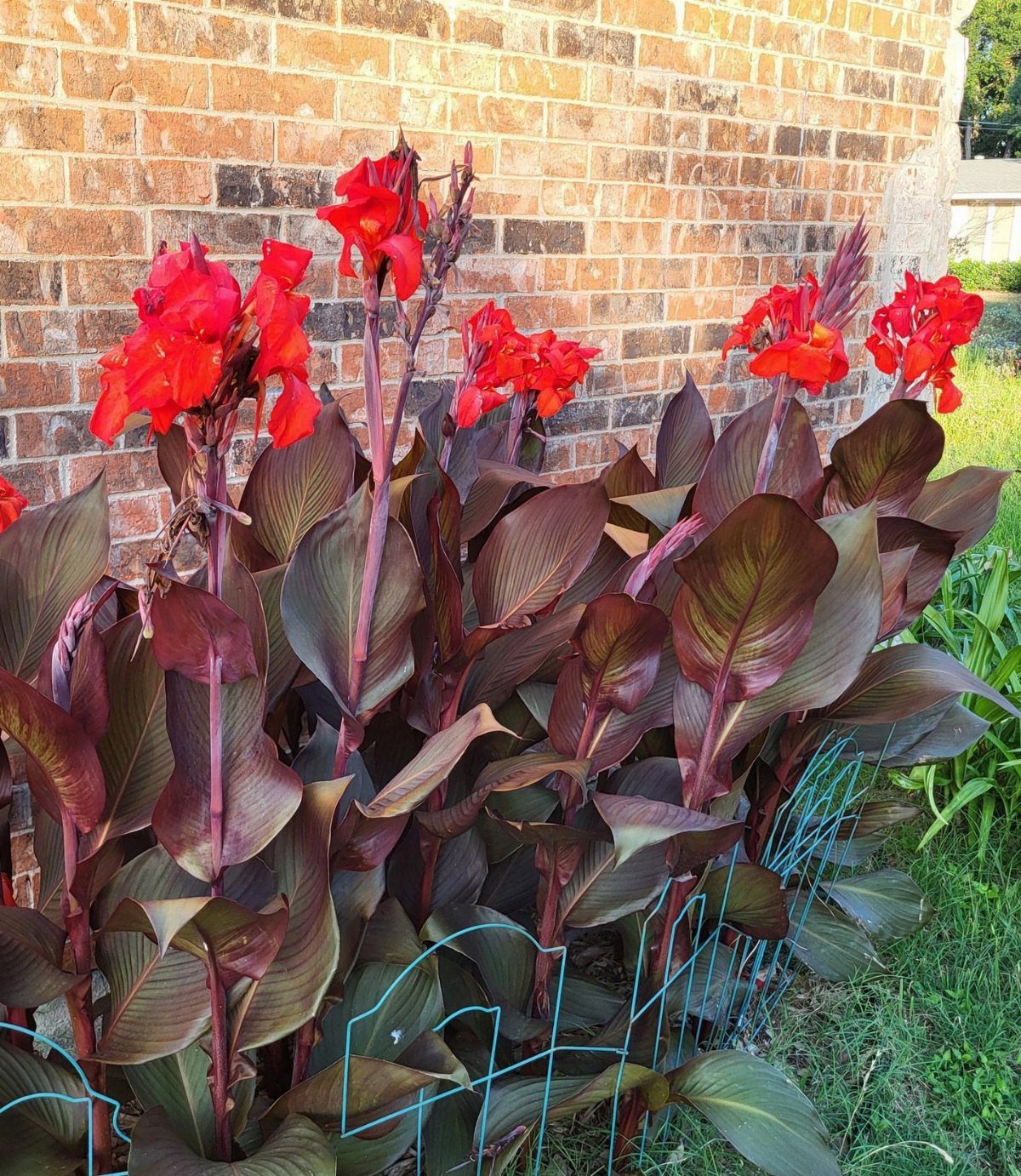
Red canna lilies against brick read as deliberate architecture, not accident. The bronze-burgundy leaves hold color even when blooms pause, and hummingbirds treat the flowers like a scheduled stop.
Rhizomes make this cheaper over time; one purchase divides into next year’s plants.
In zones below 8, I start them indoors well before last frost, then transplant once nights stay warm enough. They want sun, consistent moisture, and air between clumps so mildew does not move in.
Near-black foliage needs the same care as green-leaf types but reads as far more intentional against neutral siding.

Beautiful Flowering Cannas for Blooms throughout the Season Excellent for Naturalizing in the Garden or Also as cut Flowers

Brand: Sherwoods Seeds

Canna (or canna lily) is a tropical perennial plant that produces big, bold paddle-shaped leaves and bright, attractive flowers that grow on spikes in shades of red, orange, yellow and pink.
2. Hibiscus
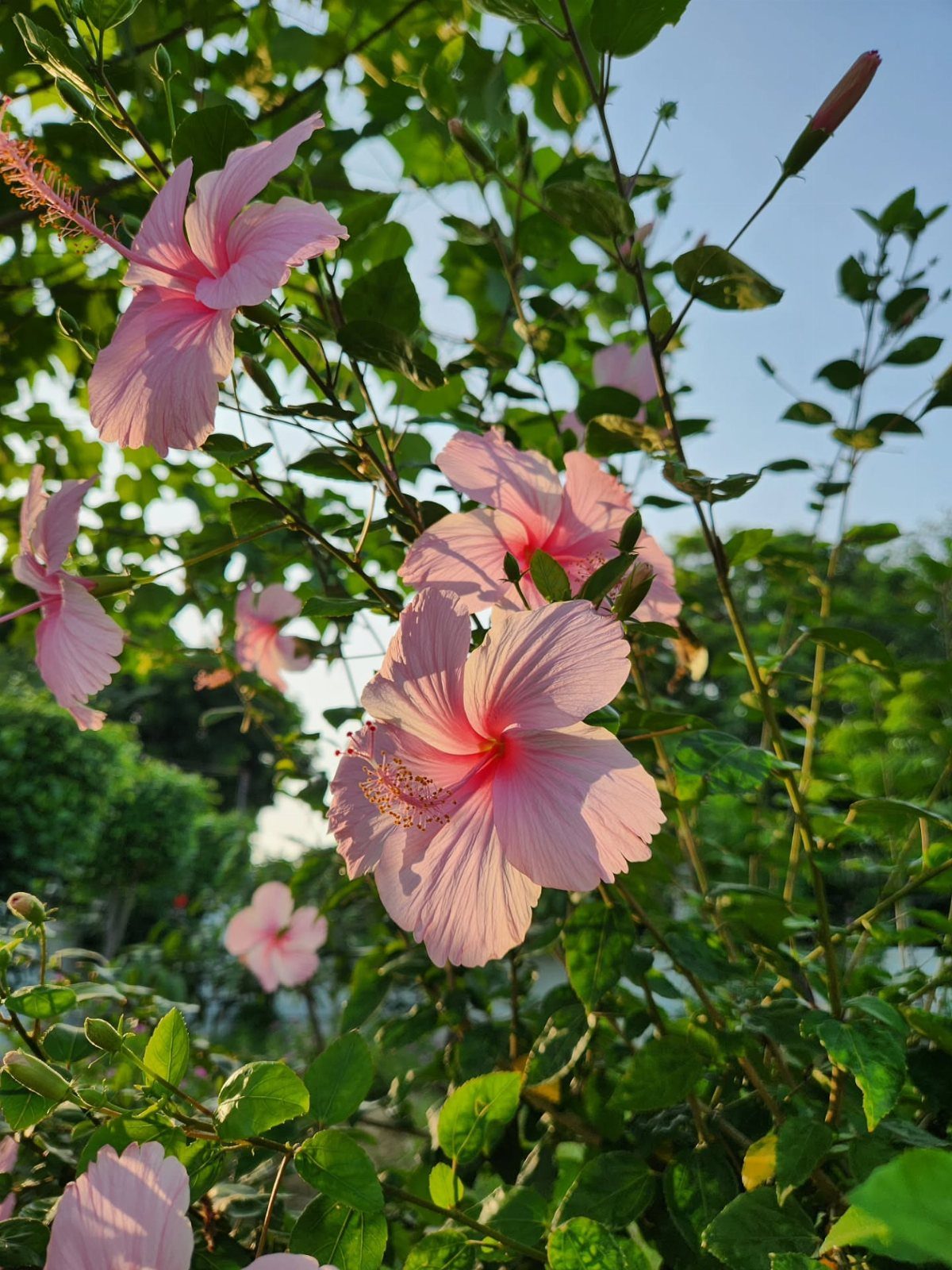
Tropical hibiscus wants what most renters cannot promise: year-round outdoor life. Containers solve this; the plant moves indoors before first frost and returns when nights stabilize.
Hibiscus rosa-sinensis is ornamental only.
For tart red tea, you want Hibiscus sabdariffa, roselle, a different species entirely. I have mixed them up before, ordering seeds for the wrong goal.
Warmth and sun are non-negotiable.
Indoors, a south window or supplemental light keeps it from dropping buds in protest. Months of blooms the size of a coffee saucer follow, and hummingbirds return to check the same branch daily.

Contains magnesium, iron and manganese to grow lush palms, cyads and tropical plants


FEEDS UP TO 3 MONTHS: Miracle-Gro Shake 'N Feed Palm Plant Food is a palm tree food and tropical plant fertilizer that feeds plants for up to 3 months
3. Zinnias
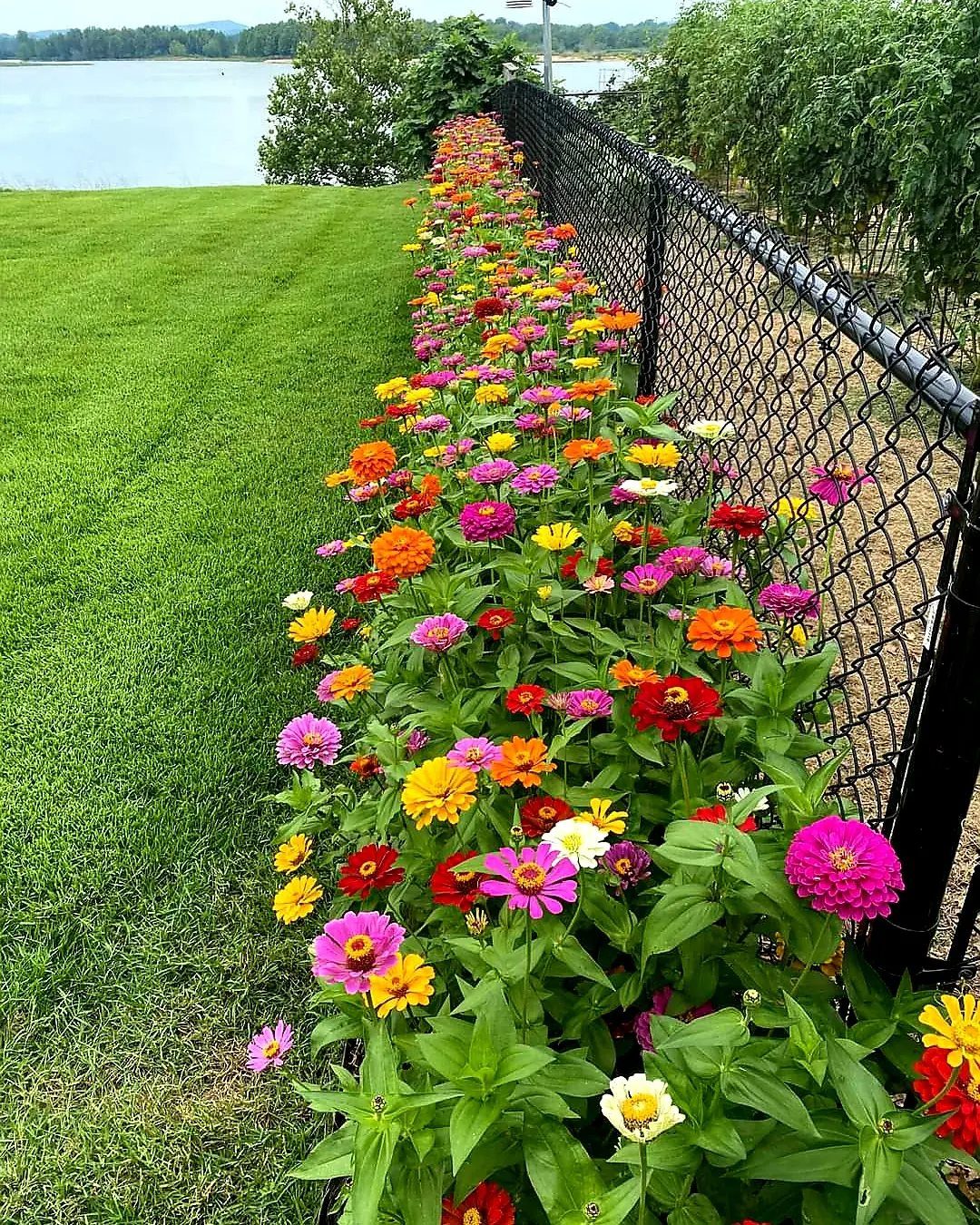
Zinnias reward impatience. Sow seed directly once soil warms, and flowers arrive without transplant shock.
The color range is wide enough to match any scheme, and the singles, with visible centers, pull more pollinators than the dense doubles.
I plant a short row on repeat through June for staggered bloom; by August the first sowings look tired while the later ones peak.
Black spot and mildew arrive with wet leaves.
Morning watering and spacing for air flow delay both. Seed packets run cheap, which matters when you are filling a fence line.

Beautiful - Full color seed packets of California Giant Zinnia (Zinnia elegans) flowers. This variety produces beautiful red, orange, yellow, lavender, maroon, violet, and white blossoms. Enjoy outside in the garden and indoors as cut flowers. Minimum of 1g per packet (about 175 seeds).

Grow All You Want - Extra large bulk packet of Mixed Zinnia (Zinnia elegans) flowers. This variety produces beautiful red, orange, yellow, lavender, maroon, violet, and white blossoms. Enjoy outside in the garden and indoors as cut flowers. Minimum of 1oz per packet (about 4200 seeds).

The South of the Border Mix has 3 types of Zinnias in the mixture, the ‘Canary Bird’, ‘Scarlet Flame’ and ‘Sombrero’ Zinnia varieties. Direct sow in warm soil. Best results in Spring. Sow shallow in damp soil, monitor soil to keep moist, germination occurs in just over 1 week.
4. Dense White Filler Blooms
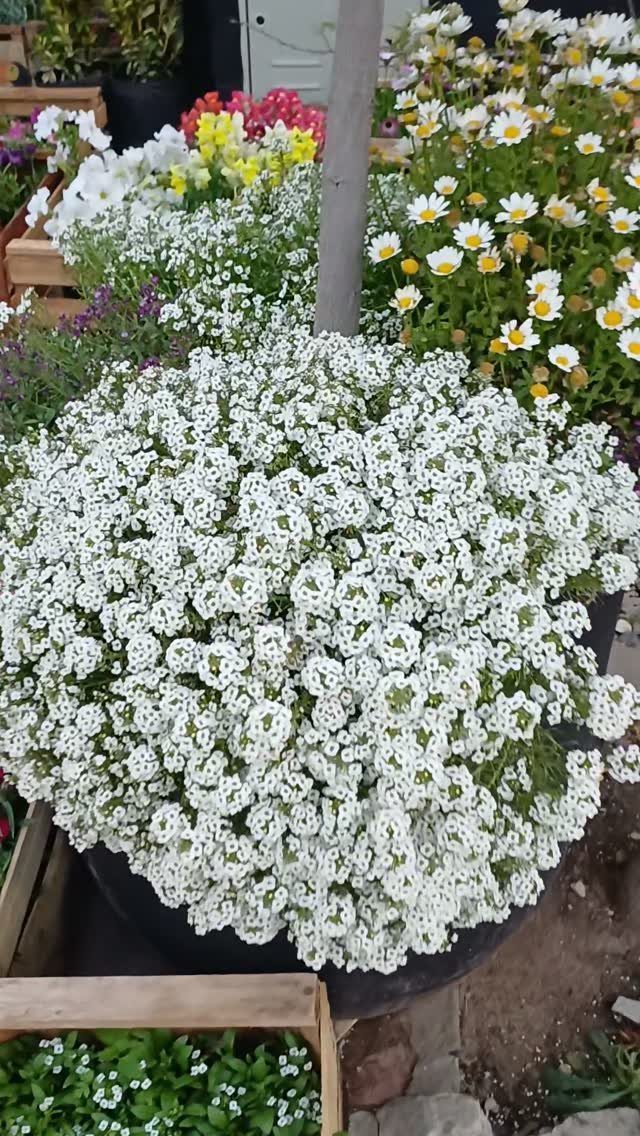
Small white blooms in quantity do what a single specimen cannot: they recede enough to let neighboring colors read as intentional rather than scattered. Wooden crates suggest portability and temporary commitment.
Pack them tight.
Sparse planting reads as failure; packed, the same flower becomes texture. Check mature spread before buying, and buy more than the label suggests.
Most fillers this color want full sun and regular water.
In mixed containers, they share root space with heavier drinkers, so the soil mix needs to hold moisture without souring. I add compost to standard potting mix and still check weight by hand every morning in July.

TREATS AND CONTROLS PLANT DISEASE - Maintain the health of your plants with Earth’s Ally fungicide spray. Tackle common plant diseases including powdery mildew, downy...
5. Climbing Bougainvillea on Trellises
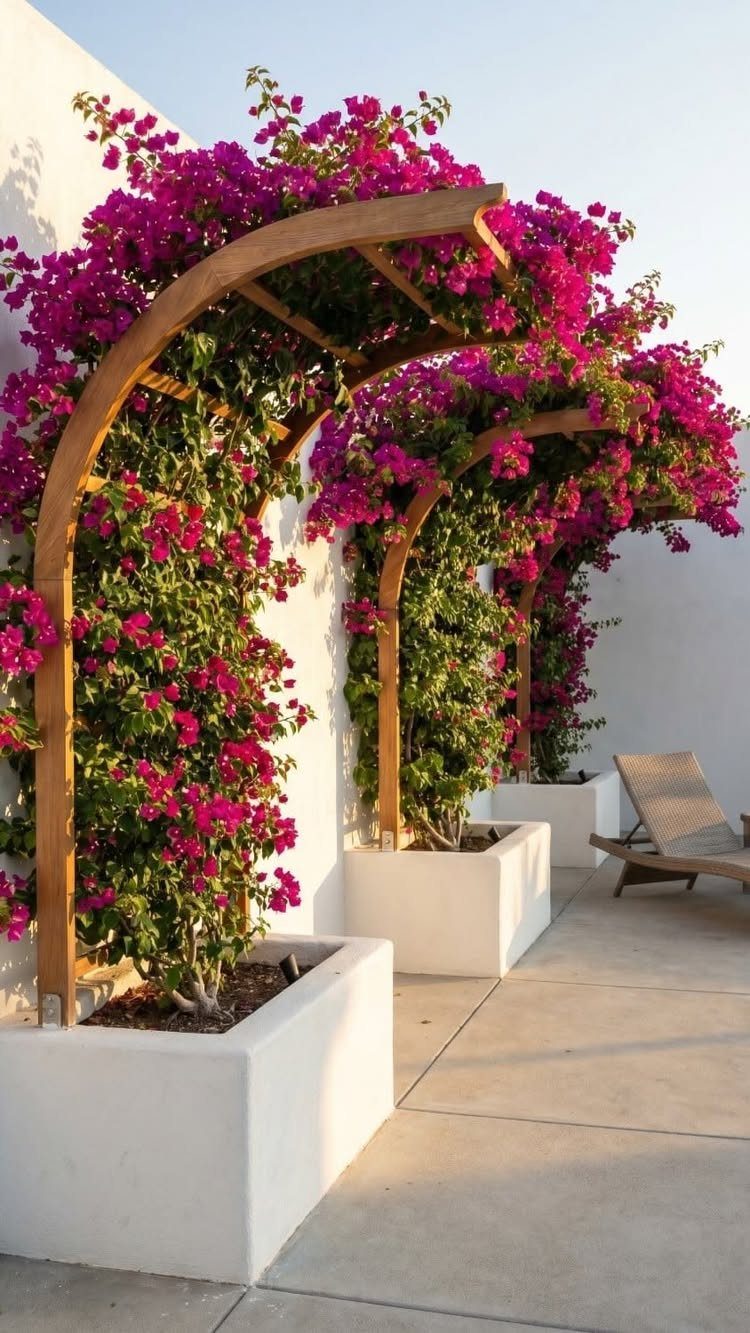
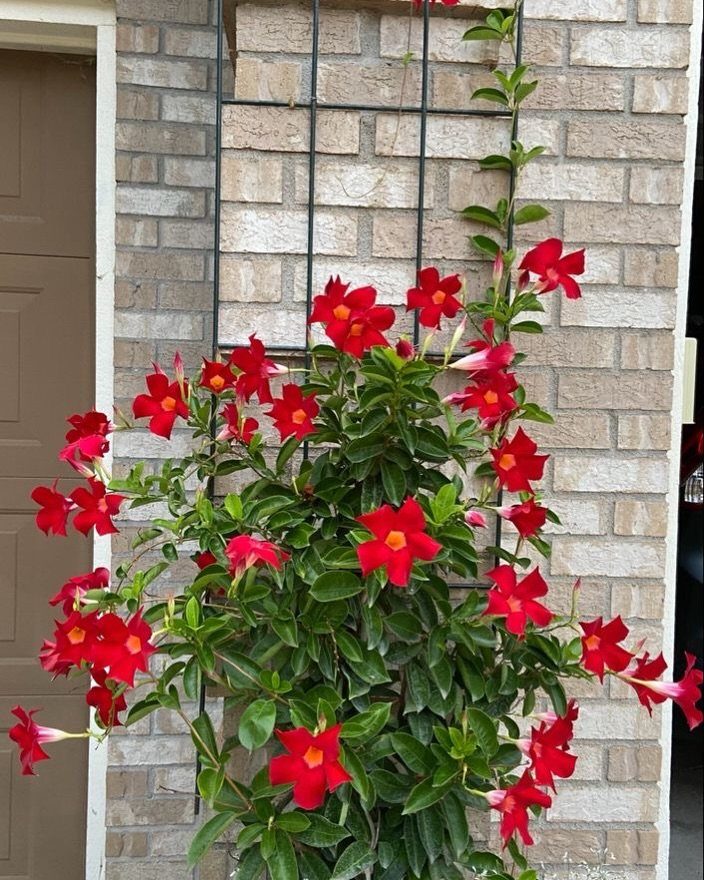
Bougainvillea climbs by thorns, which matters when you train it. The color is bract, not petal; the true flower is the tiny white tube inside, easy to miss.
Arched trellises in planters need weight at the base or wind tips them.
Concrete solves this permanently. Wood in contact with soil rots; I would line the interior or choose a rot-resistant species, though the photo’s installation may be newer than it looks.
Hardiness stops around zone 9.
North of that, this is annual expense or greenhouse wintering. The common pink variety is what most people know; magenta and white exist, but read as different plants entirely.

What You Get in Package -- Flexible landscape edging kit includes a length 33FT / 10M , height 4.9IN / 12.5CM roll of lawn edging and 60pcs -6.7 inch spiral edging spikes. Start your landscaping project - create a lovely and warm garden.

COMPLETE KIT: 33 feet of white plastic garden edging border with 60 ground stakes included for secure installation around flower beds, lawns, and landscaping areas

【Natural Decor】: This plastic lawn edging effectively separates flower beds from the surrounding lawn, instantly enhancing the neatness and aesthetic appeal of your garden. Its realistic pebble-like appearance allows it to blend seamlessly with the lawn while creating a distinctive landscape border. Additionally, it reduces the need for frequent trimming along garden edges and minimizes the risk of weed spread. Its slim design provides reliable protection for your flower beds.
6. Blooming Ranunculus Bed
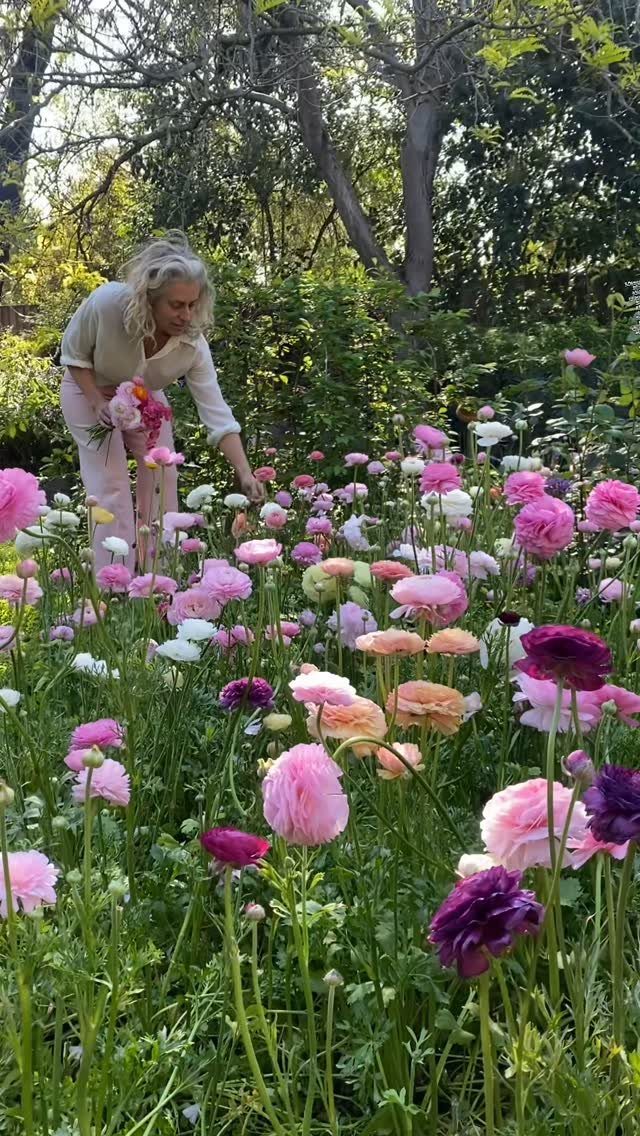
Ranunculus corms look like dried octopi, wrong-side-out. Soak them before planting, point down, in loose soil at moderate depth.
The woman harvesting suggests a cutting garden purpose.
These are not long-stemmed roses; cut when buds show color but before full open, and they last well in water. Successive plantings on repeat extend the season.
In zones 8–10, corms stay in ground.
Colder, lift and store dry for replanting. I have lost corms to mold in storage; now I use paper bags with dry peat, checked monthly.

Yellow King Humbert Variety: This rare, giant canna lily cultivar is known for its large, showy flowers and robust growth habit throughout the growing season and year round in warm places

🌺 ASSORTED MIX OF VIBRANT BLOOMS Enjoy a beautiful surprise of bold tropical colors including shades of red, orange, yellow, pink, coral, and bi-color blooms. Perfect for creating eye-catching flower beds and colorful summer landscapes.

Beautiful Flowering Cannas for Blooms throughout the Season Excellent for Naturalizing in the Garden or Also as cut Flowers
7. Bright Yellow Sunflowers
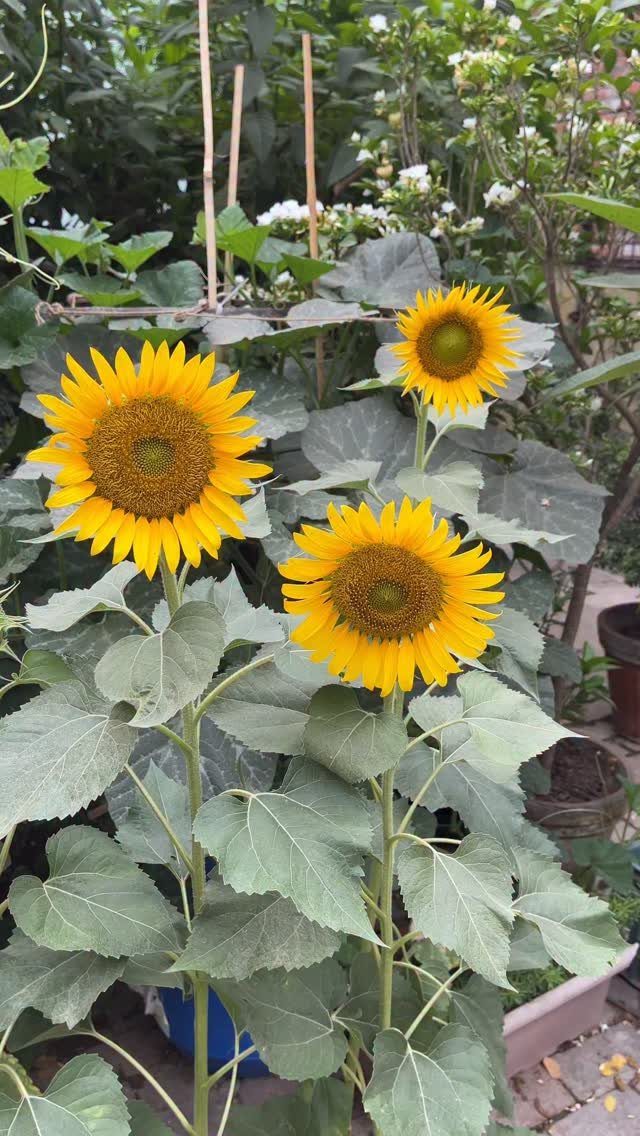
Sunflowers announce themselves before you are ready. Standard sunflowers shoot up fast enough to screen a fence by midsummer; dwarf types suit containers where a lease forbids digging.
The dark center disk swells outward as seeds set, which signals the shift from ornamental to bird feeder. I plant a second round in early July for late-season bloom when the spring sowings go to seed.
Soil need not be rich; too much nitrogen delays flowering. Full sun and deep, infrequent watering keep stems from going soft.
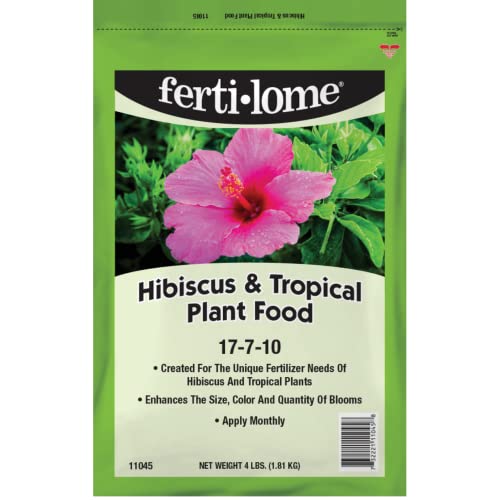
This specialized tropical plant food enhances the size, color, and quantity of blooms.

LIFELIKE SILK HIBISCUS BLOOMS: Crafted with premium 3D printing tape petals that replicate the soft texture and vibrant veining of real hibiscus flowers, paired with durable plastic leaves featuring natural gloss and realistic veins. Every bloom looks fresh, full, and sun-kissed—without watering or wilting.

Live Hibiscus Plant – Features bold, tropical flowers in vivid shades of red, pink, orange, or yellow, creating instant color and beauty
8. Container Garden
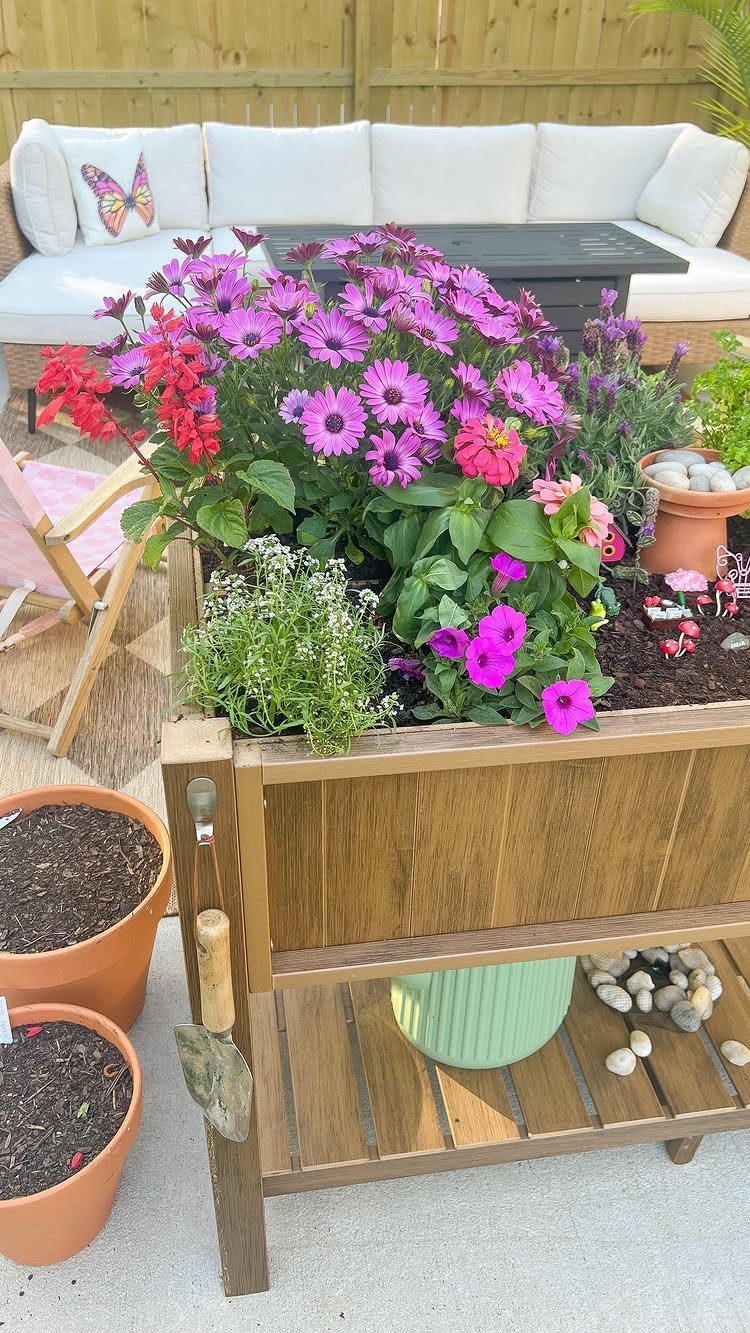
Brick, slate, stone, or cinder blocks frame plantings that move with you. The photo’s wood planter reads warmer than masonry but rots where soil touches it; line the interior or plan on replacing it before the decade’s out.
Containers dry faster than ground beds.
In July I check weight by hand each morning; light means thirsty. A reservoir tray buys half a day of grace but breeds mosquitoes if water stands.
Mixed heights let each plant claim its light. Taller at the back, trailers at the edge, something mid-height between: the arrangement solves itself.

Beautiful - Large premium packet of Salmon Queen Zinnia (Zinnia elegans) seed. A showstopper in any garden, this Zinnia features large, fully double blooms in a stunning salmon-pink hue. Its sturdy stems make it an excellent cut flower, and its vibrant color attracts butterflies. Minimum of 1 g per packet (about 125 seeds).

Beautiful - Full color seed packets of Canary Bird Zinnia (Zinnia elegans) flowers. This variety produces beautiful yellow blossoms. Enjoy outside in the garden and indoors as cut flowers. Minimum 1g per packet (about 175 seeds).
9. Raised Bed Garden
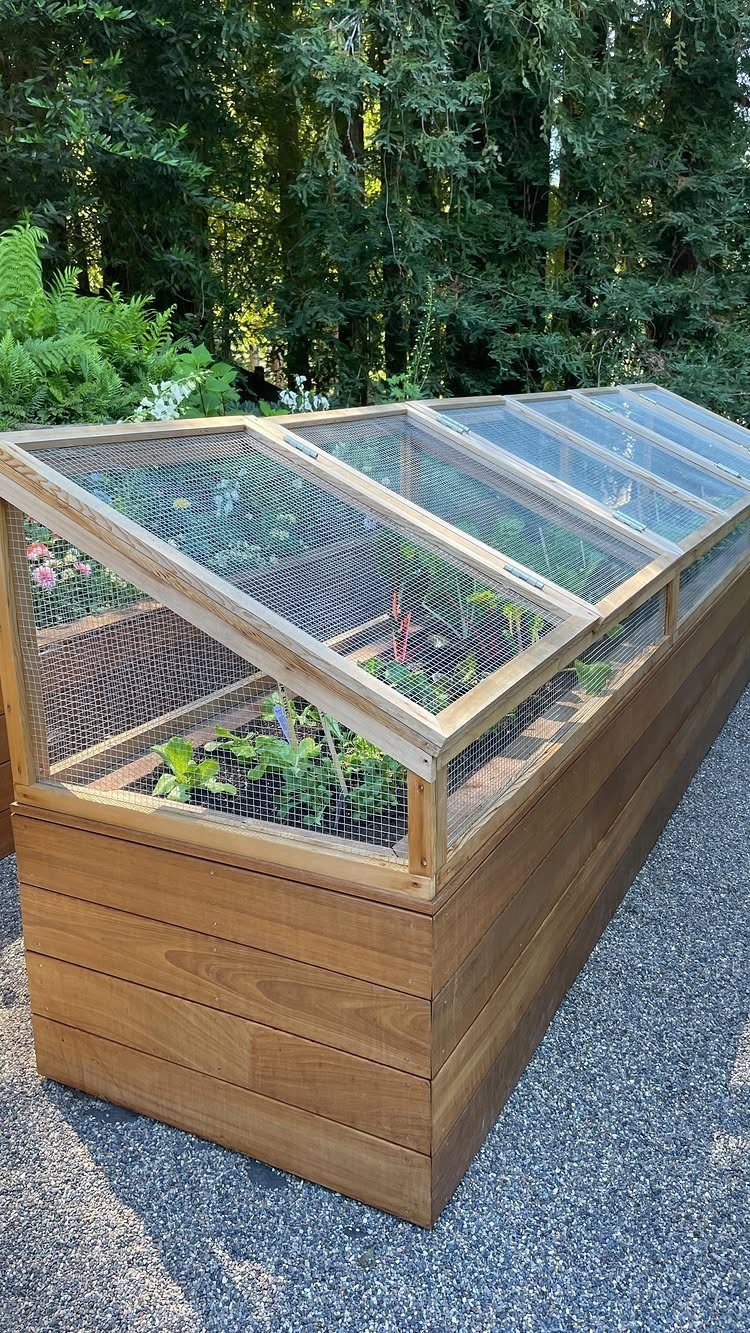
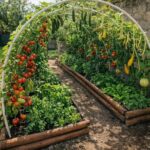
The hinged wire lid is rabbit hardware, not decoration; worth adding where anything edible grows.
Wood in contact with soil swells and warps. Rot-resistant species or a liner buys time, but "permanent" is not in the vocabulary of wooden beds.
Year-round vegetable growth needs season extension: cold frames, row cover, or choosing the right crop for the month. The bed itself is just a box; the calendar does the work.
10. Vertical Garden
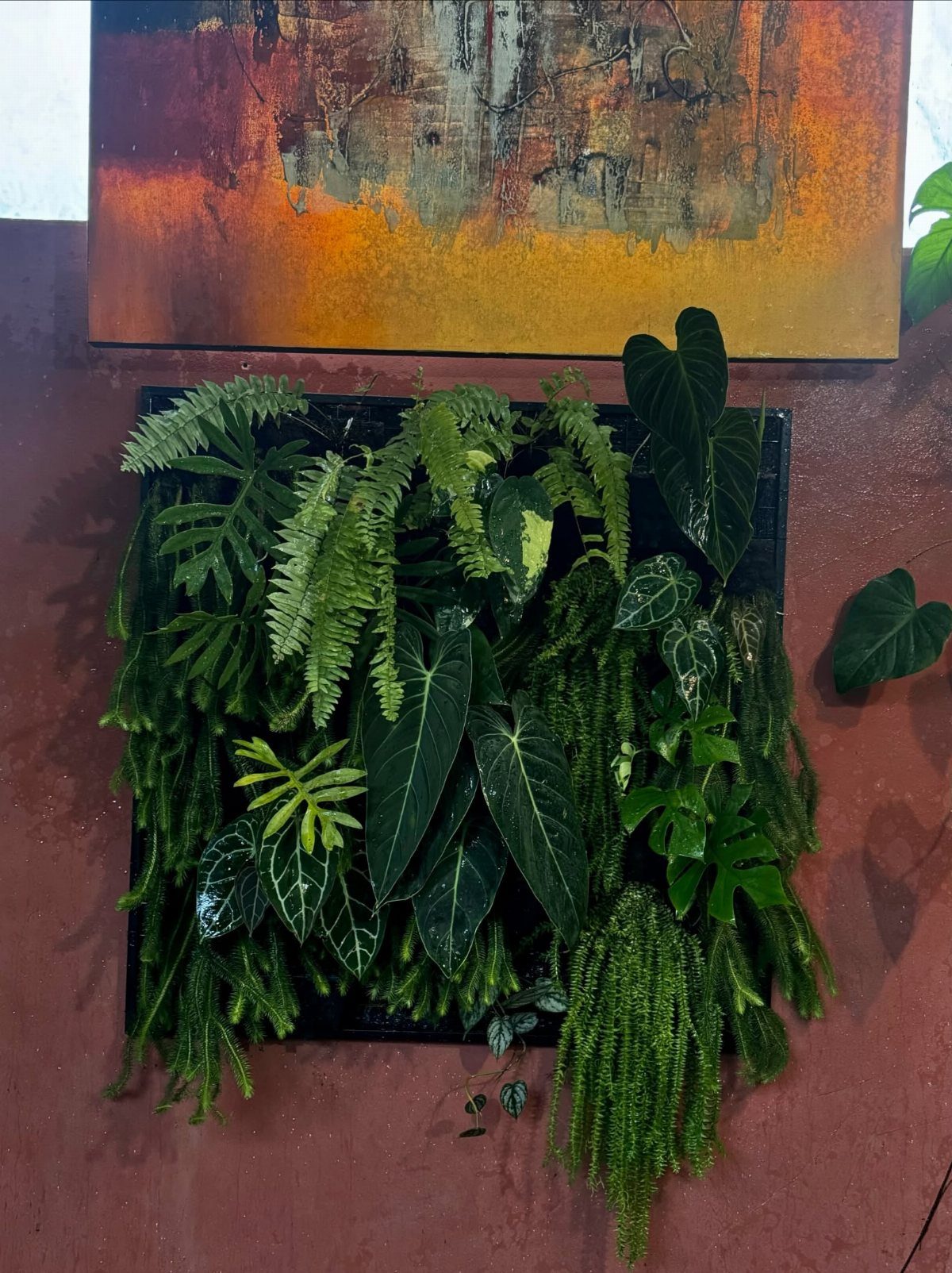
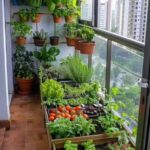
A wall-mounted frame turns empty vertical space into planting area where floor space is zero. The reddish wall behind the ferns shows the frame as deliberate object, not afterthought.
Indoors, weight matters.
Saturated soil in a wood frame runs heavy fast; wall anchors suited to stud location, not just drywall, hold it secure. Outdoors, drainage holes prevent root rot in rain.
Ferns suggest shade tolerance; most edibles want more sun than a wall indoors provides. Match plant to light, or the wall becomes a brief experiment.
11. Flower Boxes
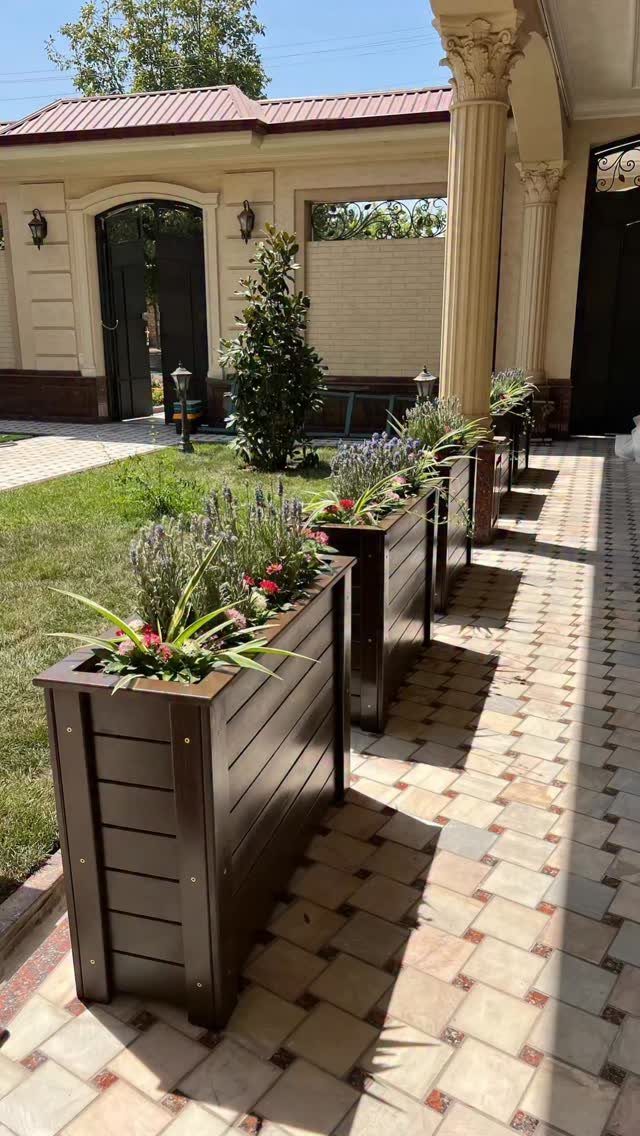
Dark wood against pale tile creates a border that reads as built-in. Lavender wants sharp drainage; standard potting mix holds too much water unless amended with grit or perlite.
Box depth limits root run.
Shallow boxes suit shallow roots: herbs, annuals, some succulents. Tomatoes or deep-rooted perennials sulk and fail.
Lining the interior with plastic or a false bottom buys insurance against rot where wood meets soil and water daily. I have skipped this step and paid in replacement lumber.
12. Mini Urban Farm
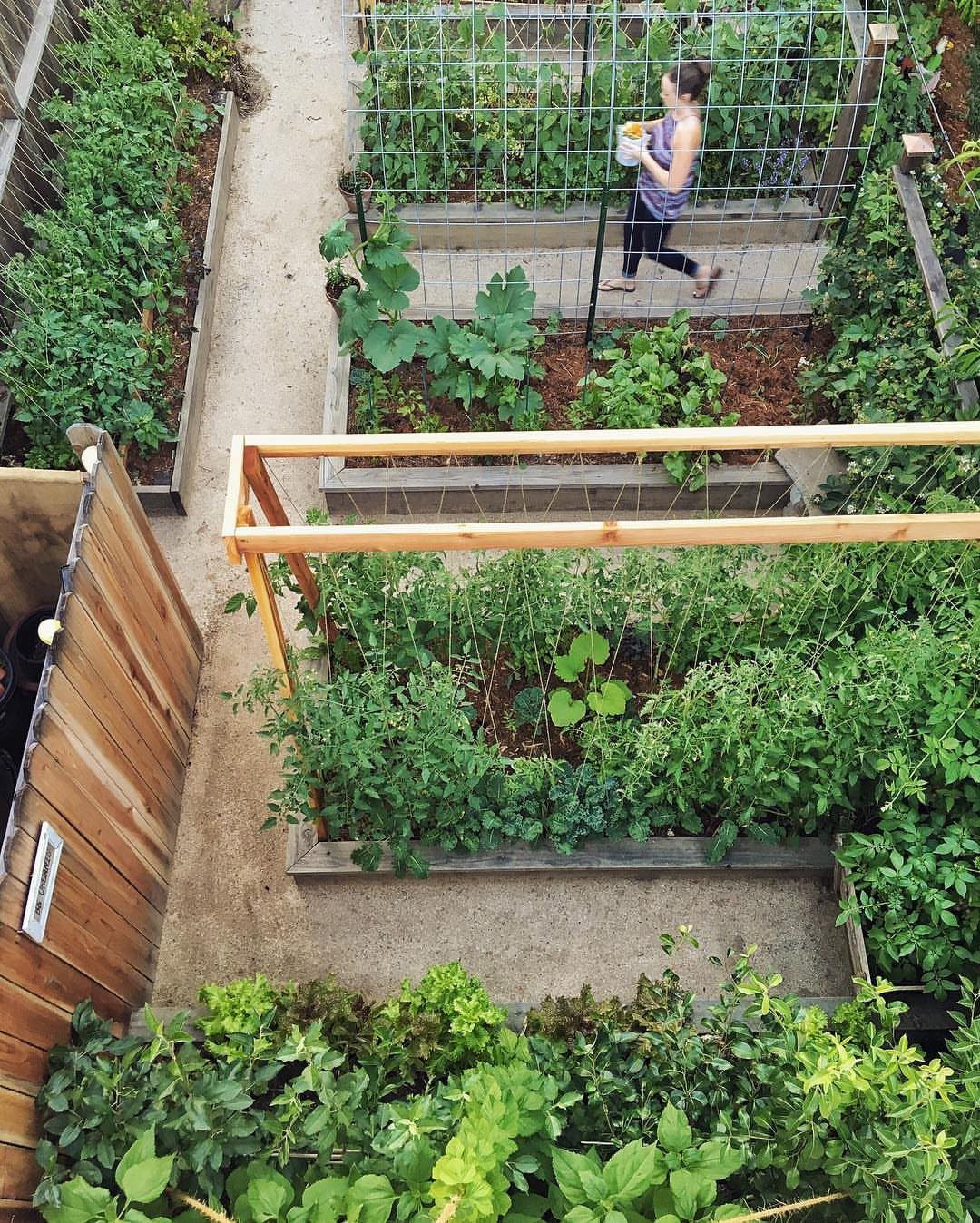
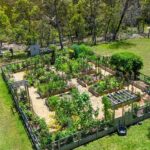
Multiple raised beds separate crops by need: tomatoes in the deepest, greens in the shallowest, climbers on the trellises where they shade nothing below.
The paths between matter as much as the beds; compacted gravel or wood chip stays mud-free in wet seasons.
Natural materials weather to gray and then to silver.
A container in the woman’s hand suggests harvest rhythm. Small spaces produce best with frequent cutting, which stimulates new growth and keeps plants from going to seed early.
Choosing the Right Plants
Climate matching saves the money you would spend replacing dead plants. Check your USDA zone against a plant’s hardiness range before buying; the zone number is on every serious tag and catalog entry.
Soil type matters too: canna lilies rot in clay that holds water, lavender sulks in mix that stays wet.
A cheap pH test from the hardware store tells you whether you are starting acidic or alkaline, which determines what will thrive without constant intervention.
Maintaining a Garden
Watering in the morning lets leaves dry before evening, which cuts the mildew pressure that hit my zinnias last August.
Mulch goes on after soil warms in spring; too early and you insulate cold into the ground. Shredded bark or straw keeps moisture steady and suppresses the weeds that compete for water.
I clean up fallen leaves and spent blooms weekly, not because I enjoy the chore, but because the debris pile is where fungal spores and pest eggs spend the winter. A tidy garden is a cheaper garden.
Benefits of Native Plants
The entries lean tropical: hibiscus, bougainvillea, canna lilies, species that want conditions most of the US does not provide year-round.
Where native plants fit is in the spaces between these focal points, or in place of them where winter reliably kills the exotics.
Local ecotypes support the insect larvae that feed nestling birds, and they tolerate your rainfall pattern without the supplemental watering that raised beds and containers demand. Less maintenance is the honest payoff, not the marketing promise.
Creating Wildlife Habitats
Running water draws more attention than still, but a basin with both satisfies birds that want to bathe and amphibians that want to breed.
The brush pile is simpler: stack fallen branches in a corner, let them settle, and leave them. Small mammals and ground-nesting birds use the cavities within a season.
Position it where you can see it from a window, because most of the life it attracts is crepuscular or secretive. Water and brush together create edges, the transition zones where wildlife concentrates.
Frequently Asked Questions
What are the top best plants in Grow a garden?
The best plants depend on your USDA zone, soil type, and what you want from the garden.
Canna lilies work where winters stay mild enough or where you can start rhizomes indoors; zinnias suit anyone who wants fast color from cheap seed. Match the plant to your conditions before buying, not the other way around.
What is the 70/30 rule in gardening?
I have not tried the 70/30 rule in my own beds, so I will not pretend to explain it here.
What is a simple way to layout a garden?
Taller plants at the back, trailers at the edge, and something mid-height between them: the arrangement solves itself in most spaces.
Check mature spread before buying so you do not end up with gaps that read as failure or overcrowding that breeds mildew.
What should I plant in my garden right now?
Check your USDA zone against the plant’s hardiness range on the tag or catalog entry before buying.
Cannas need a head start indoors if you are colder than zone 8; zinnias are the opposite, and I sow them straight into warm soil. The calendar does the work, not the bed itself.